
.png)

.png)







Home
 News Center
The Core of Advanced Packaging Production Line Upgrades: How Precision Motion Stages Enable High-Speed, High-Precision Die Attach Processes
News Center
The Core of Advanced Packaging Production Line Upgrades: How Precision Motion Stages Enable High-Speed, High-Precision Die Attach Processes
News Center
The Core of Advanced Packaging Production Line Upgrades: How Precision Motion Stages Enable High-Speed, High-Precision Die Attach Processes
The Core of Advanced Packaging Production Line Upgrades: How Precision Motion Stages Enable High-Speed, High-Precision Die Attach Processes
 2026-07-23
Share:


Die attach, also known as chip mounting, is a pivotal step in semiconductor packaging. Its core objective is fixation—the precise physical or chemical placement and bonding of diced bare dies onto a substrate or leadframe.
In conventional packaging flows, die attach has often been regarded as a mere "interconnection step." However, within the context of advanced packaging, this perception no longer holds: placement accuracy, adhesive layer uniformity, thermo-mechanical coupling, and other factors are now impacting final yield from multiple dimensions. Die attach has become the primary variable that defines the performance ceiling of the entire package.
01 Die Attach Process Flow Breakdown
From a process perspective, die attach encompasses the following key steps:
After wafer dicing, the die is picked from the wafer tape.
Alignment and angular correction are performed via a vision system.
Adhesive or solder (e.g., silver epoxy, eutectic materials) is dispensed.
The die is placed onto the substrate or leadframe.
Pressure and heat are applied to achieve preliminary fixation or metallurgical bonding.
Subsequent curing or reflow is carried out.
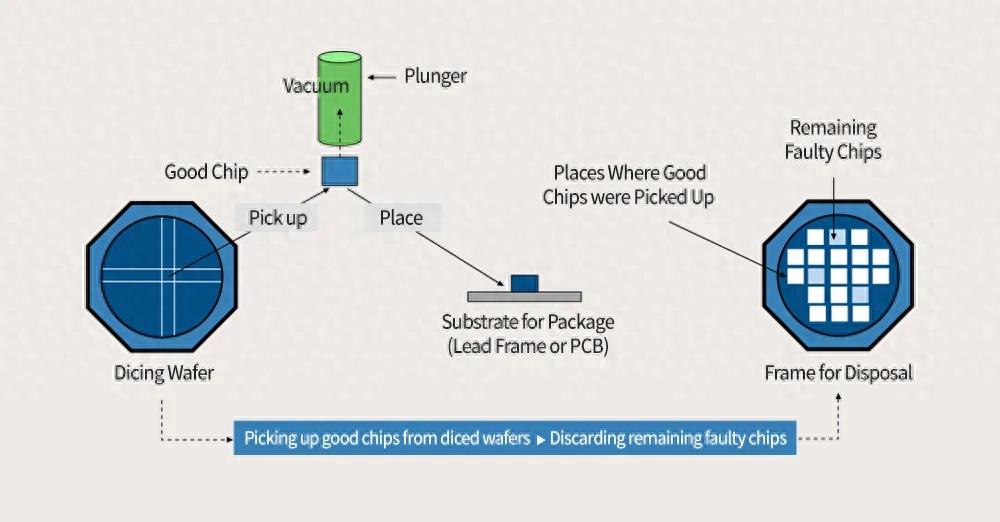
Image source: SK hynix
Within this process, the three core motions—"pick, transfer, and place"—are all executed by the motion stage. Its dynamic response, positioning accuracy, and repeatability directly determine the process window. This constitutes a typical "accuracy propagation chain": errors from preceding steps are amplified by subsequent ones, and the decisive link in this chain is Placement—the final positioning step governed by the motion stage.
02 From "Capable of Placement" to "Accurate Placement" – Industry Pain Points Are Being Redefined
From traditional micron‑level LED die attach, to ultra‑thin high‑density memory stacking in modern microelectronics, and to AuSn eutectic bonding in optical communications, die attach is no longer a routine process step but a critical variable affecting yield and performance:
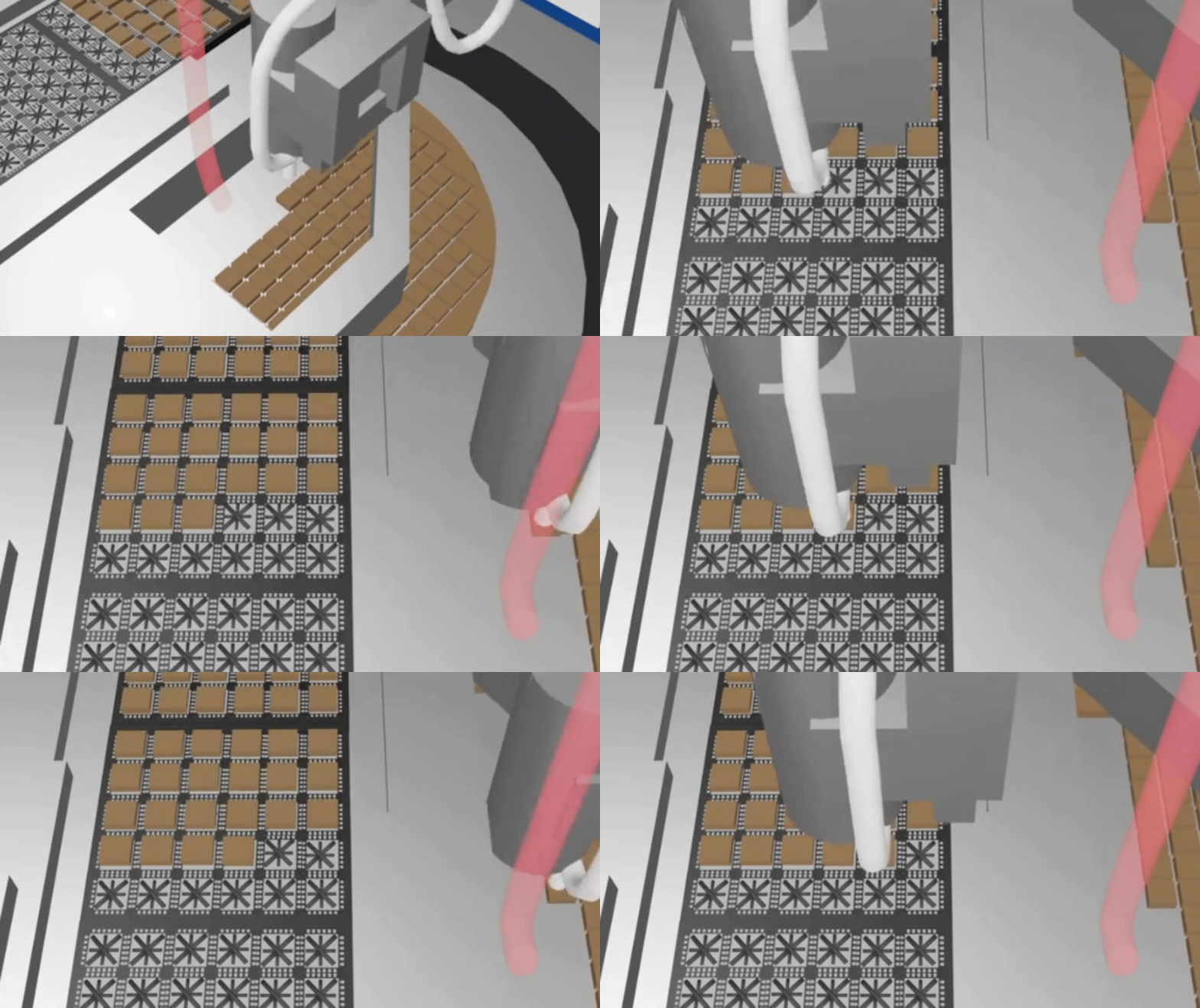
1. Leap in Accuracy Requirements
Placement accuracy directly impacts subsequent wire bonding and other processes. In traditional packaging, ±10 µm placement accuracy is generally sufficient; however, in Flip‑Chip, SiP, and even Chiplet architectures, the requirement has escalated to ±3 µm or even within ±1 µm.
2. Stability Challenges at High Throughput
Leading high‑end equipment now achieves 40k UPH or higher. Higher UPH inherently increases the risk of deviations. During high‑speed operation, dynamic errors caused by residual vibration of the stage have become a primary limiting factor for accuracy.
3. Contradiction between Adhesive Layer Uniformity and Thermal Management
Taking silver epoxy as an example, the typical target thickness is approximately 5 µm. Variations in adhesive thickness and voidage directly affect the efficiency of the heat dissipation path. Voids in the die‑attach layer significantly increase thermal resistance and peak junction temperature. In engineering practice, eutectic processes typically require voidage control below 3%, while silver‑paste sintering processes require it within 5‑8%.
4. Thermo‑Mechanical Coupling Induced Drift
In eutectic bonding, temperatures can reach 280‑320 °C. Thermal expansion of the equipment structure induces micron‑level drift, directly eroding the alignment accuracy budget.
These challenges converge on a single core issue:
Error is no longer merely a "visible positional deviation," but rather a systematic outcome arising from the interplay of dynamics, thermal effects, and material behavior.
Positional errors of the die, uniformity of adhesive thickness, consistency of pressure control—these variables are coupled. Fluctuations in any single link are amplified in subsequent steps, ultimately manifesting as yield loss. Advanced packaging demands a die‑attach process that not only bonds the die but also simultaneously meets requirements in four dimensions: position, thickness, angle, and force.
03 Eight‑Axis Die‑Attach Motion Stage: Redefining the Capability Boundaries of Die Attach
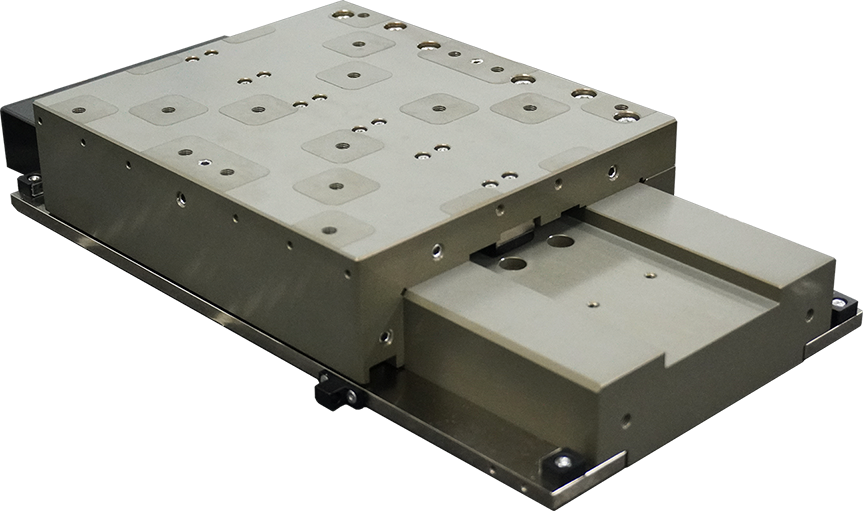
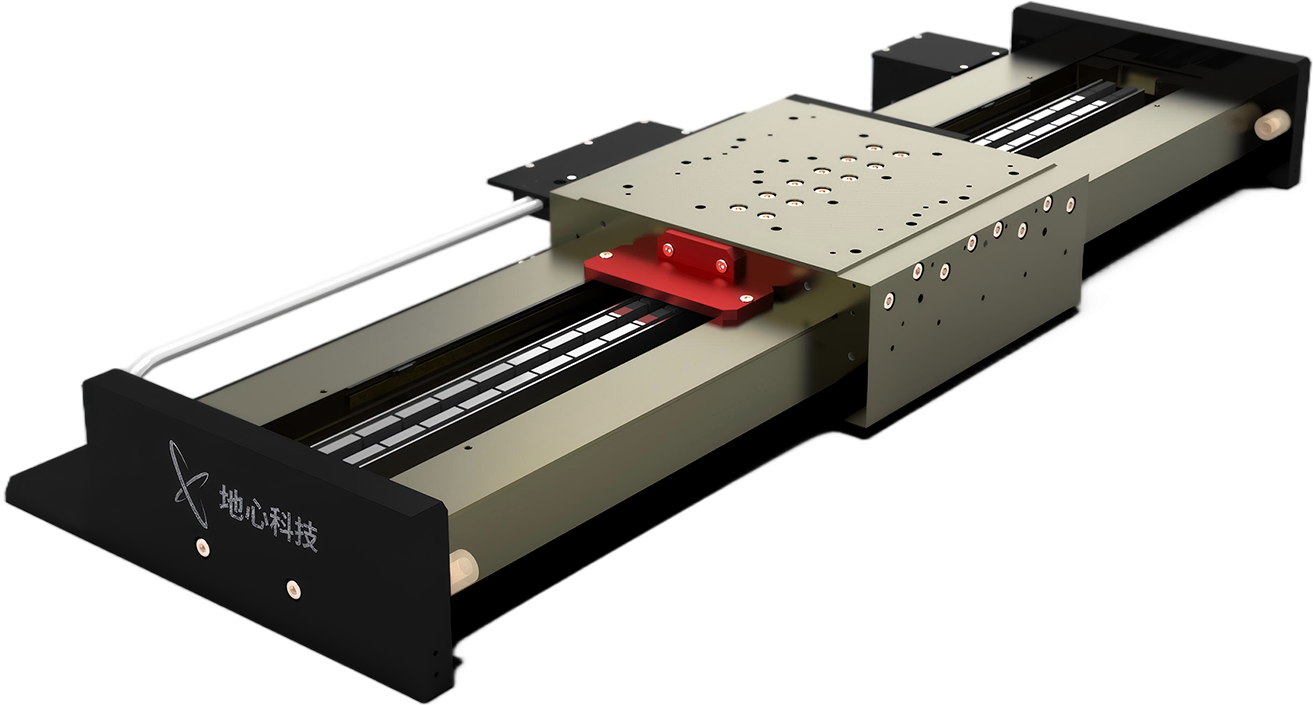
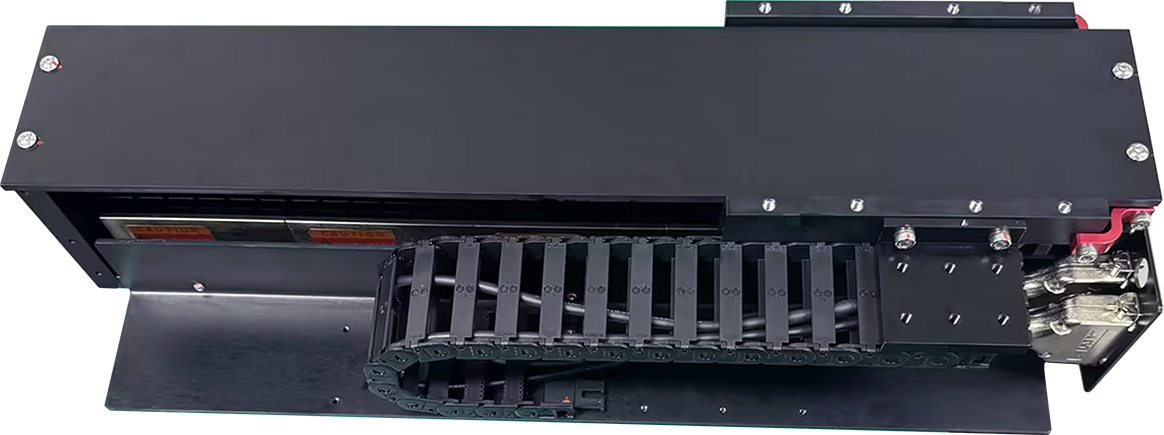
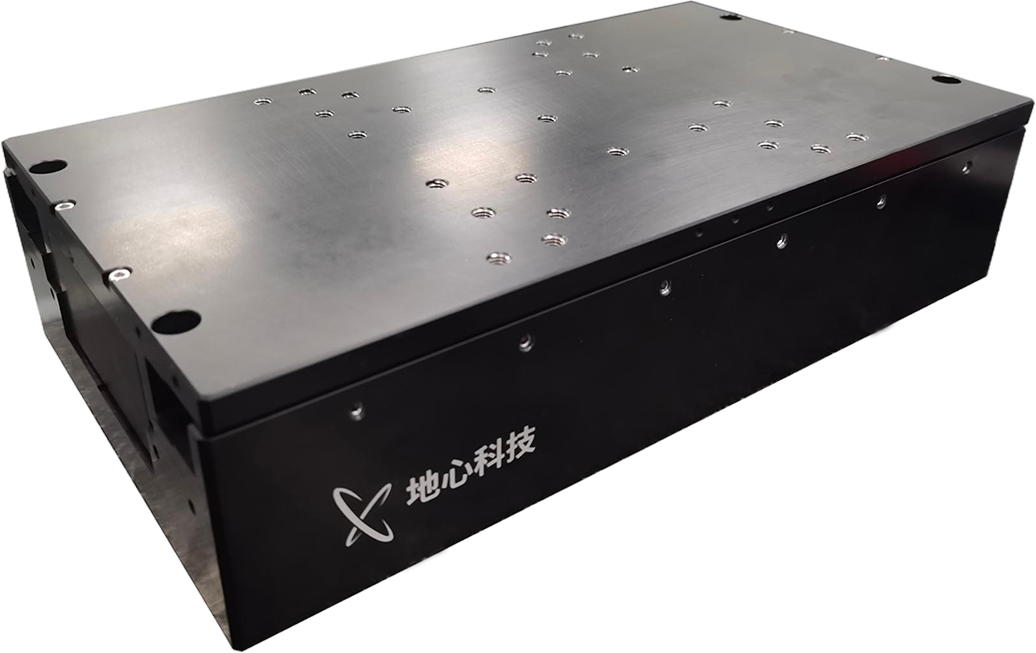
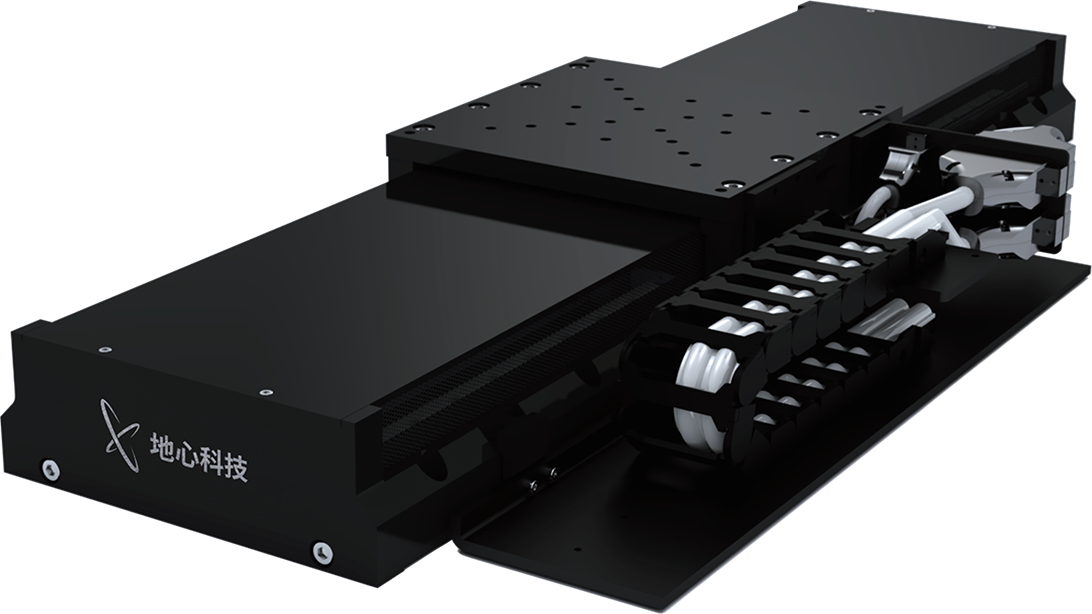
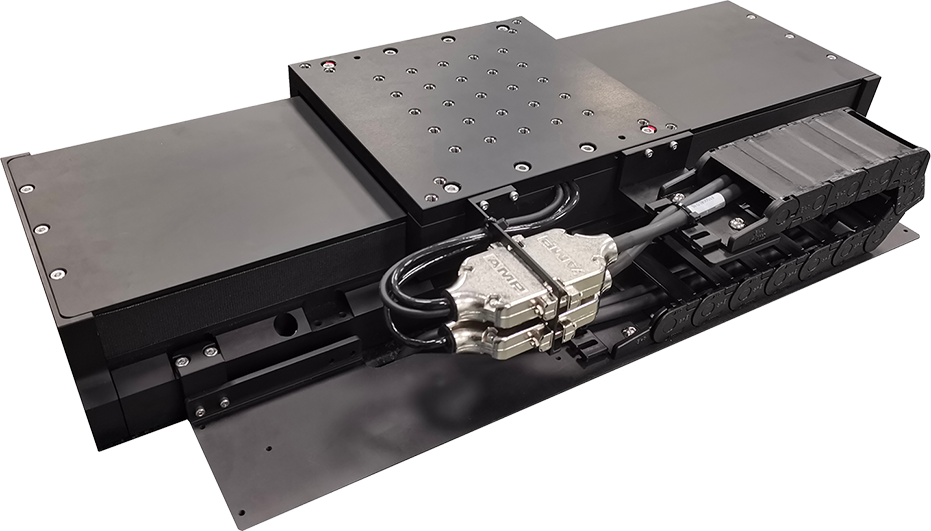
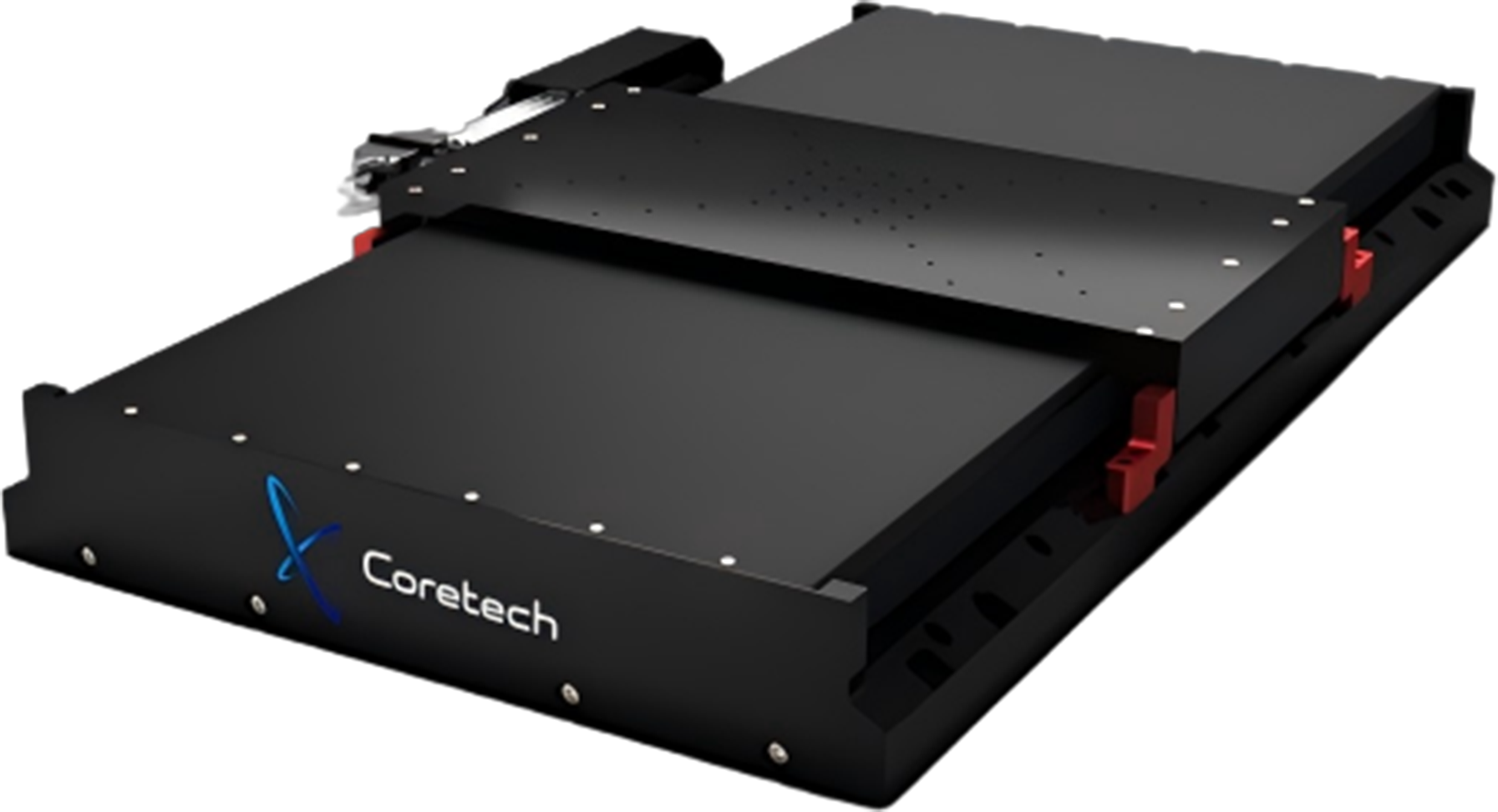
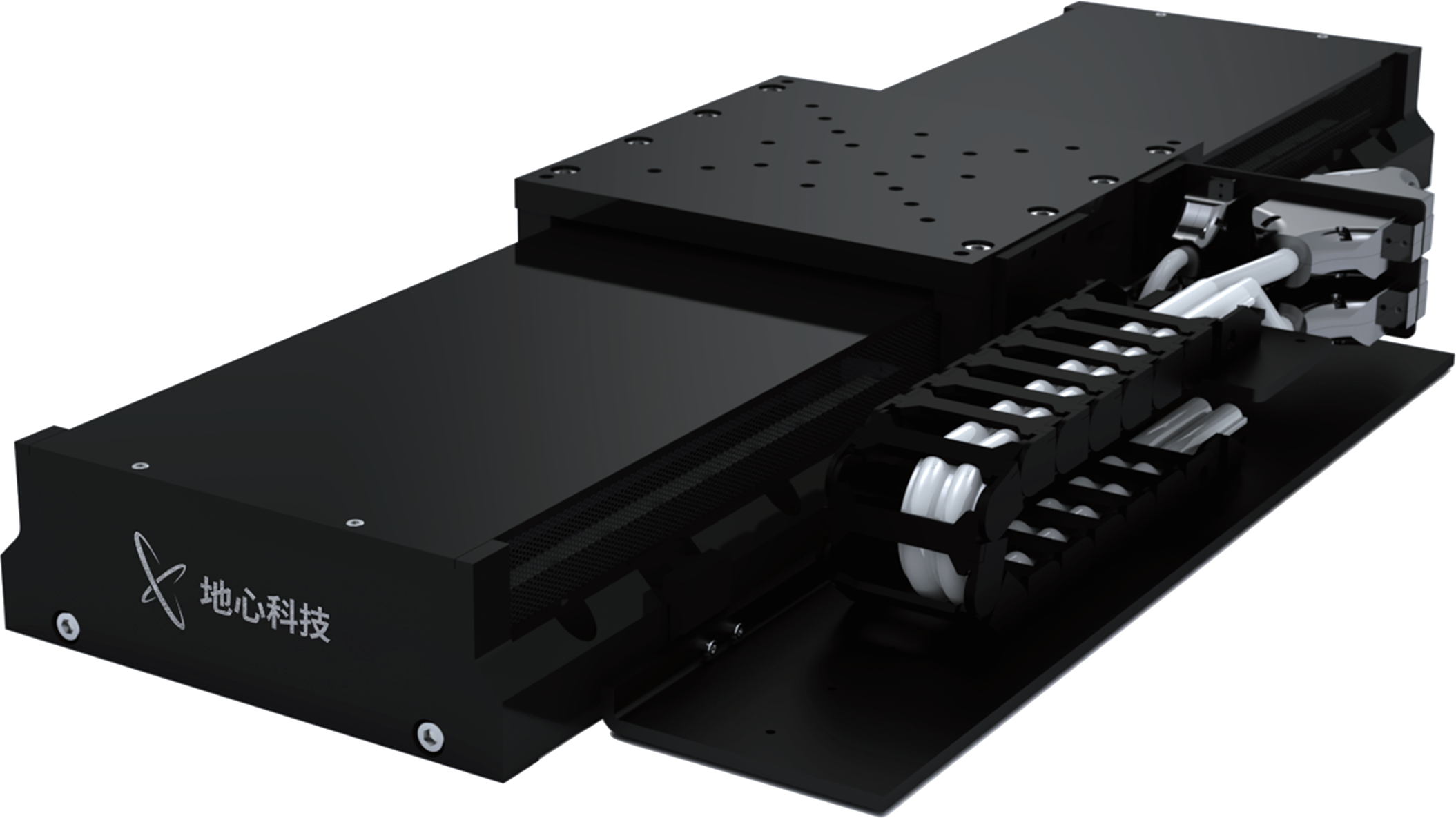
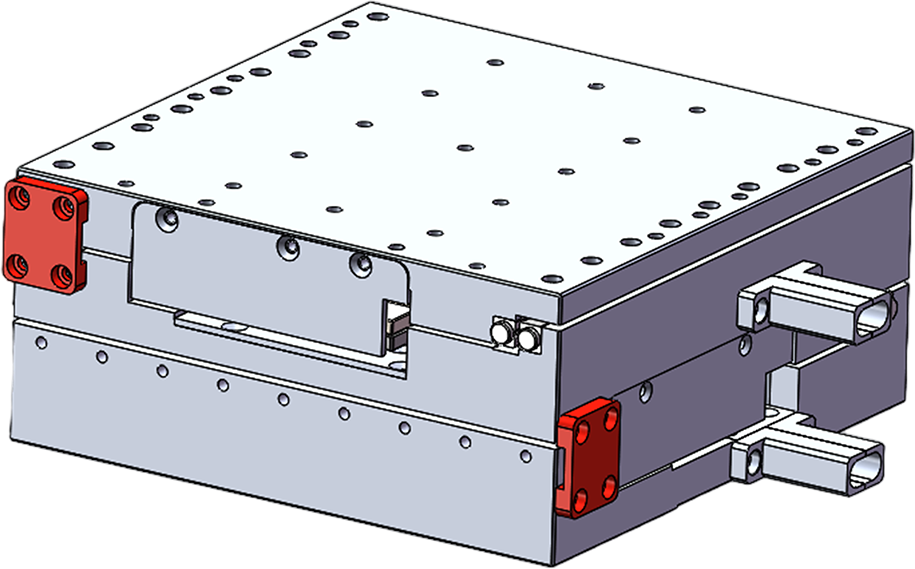
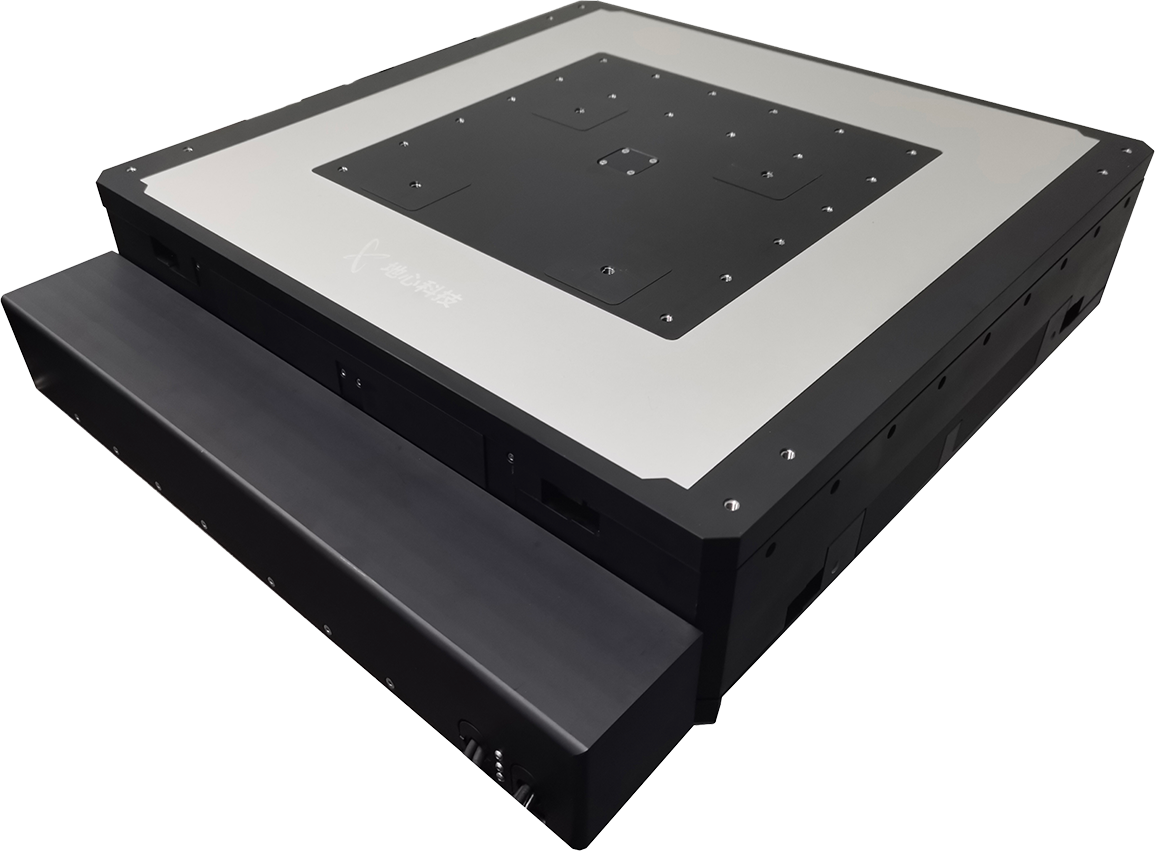
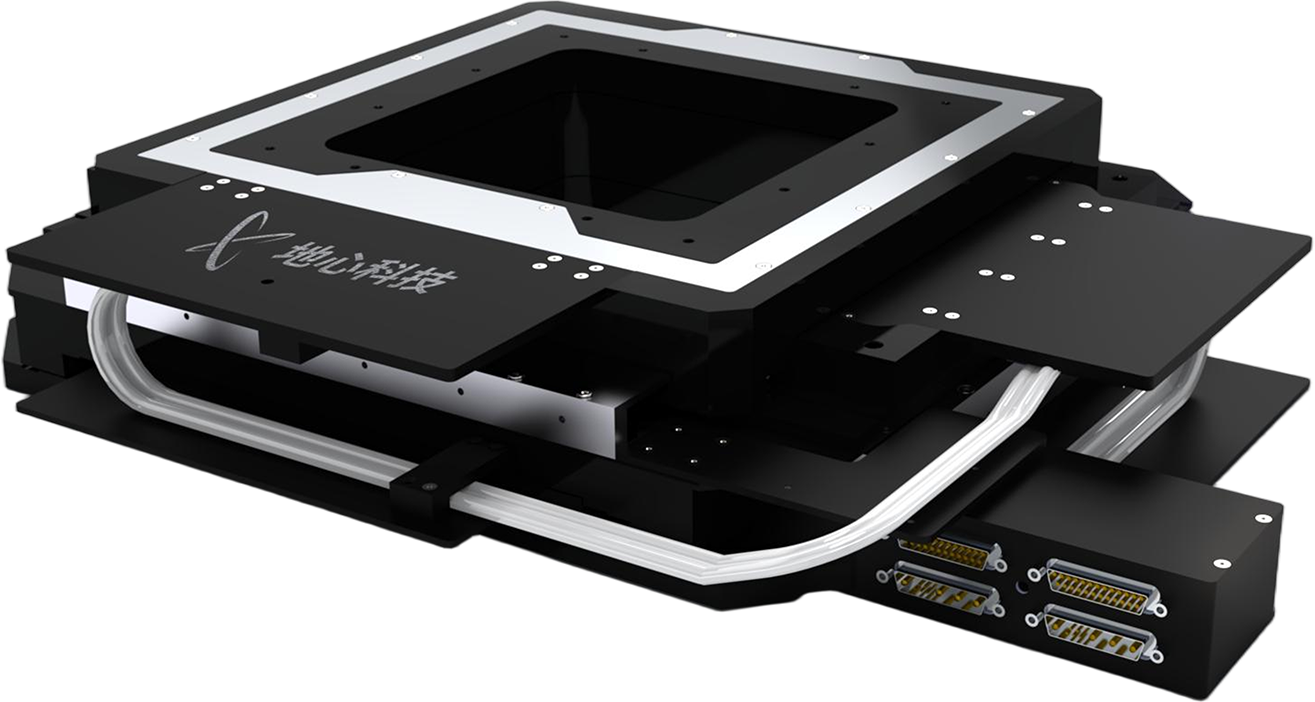
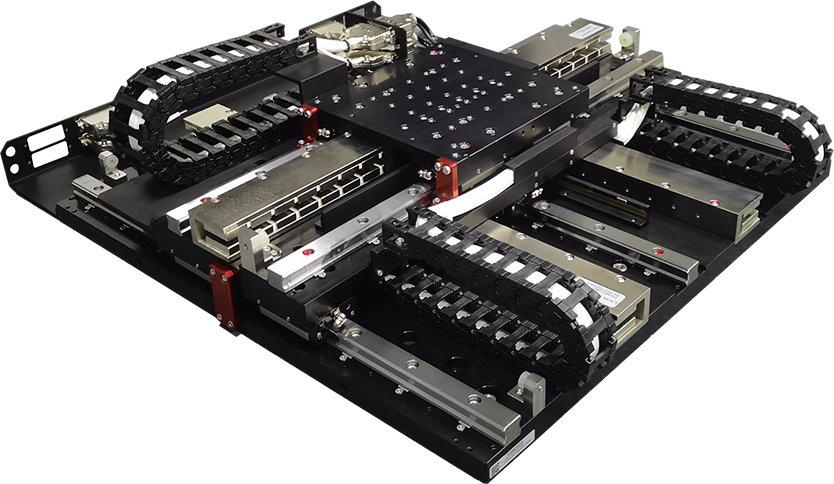
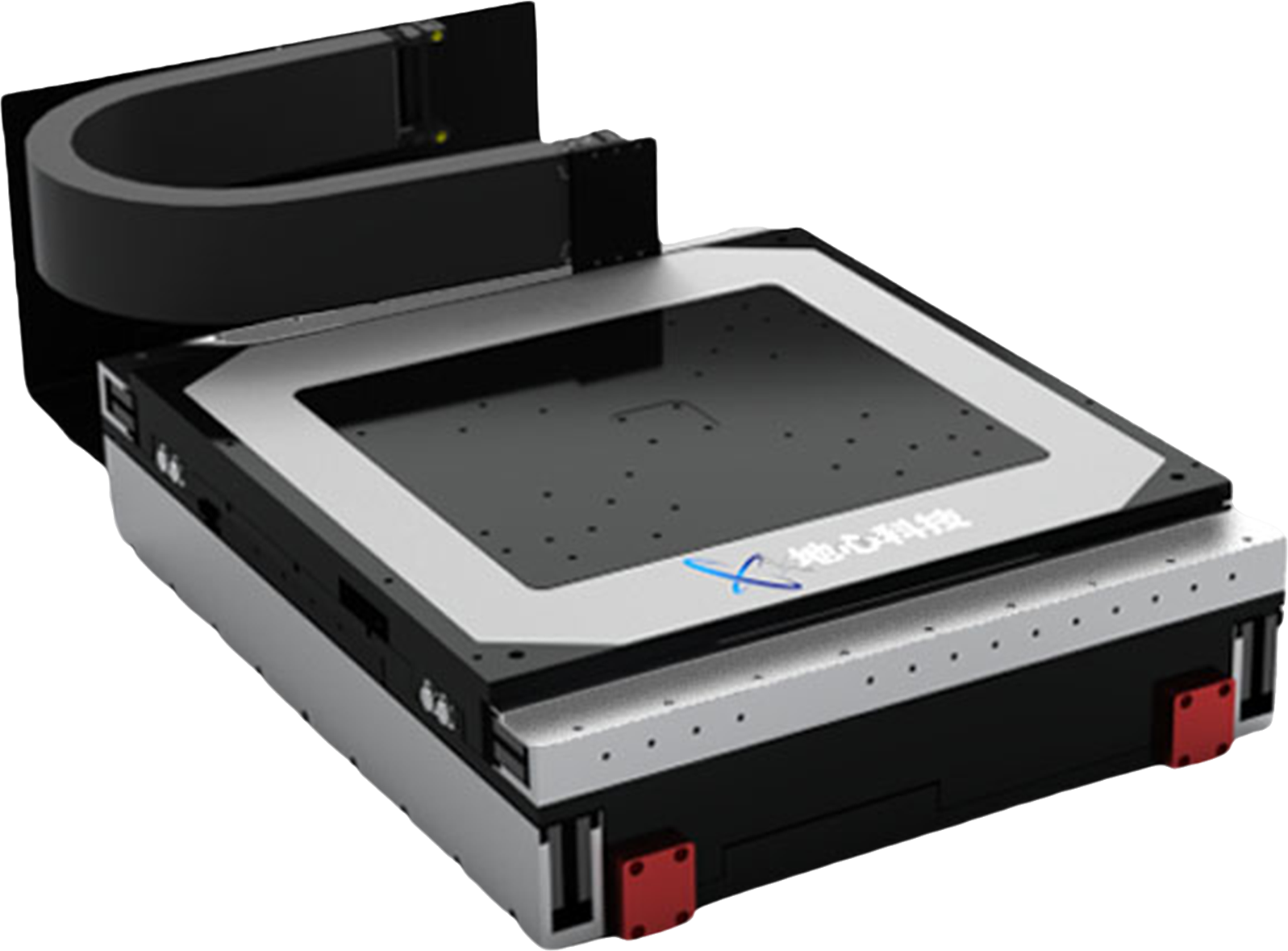
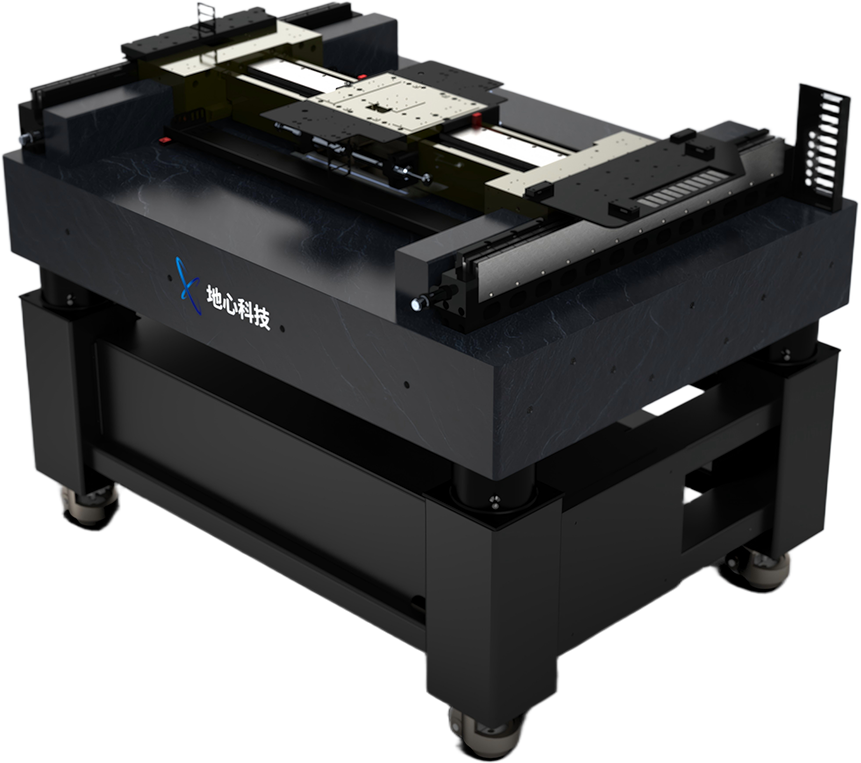
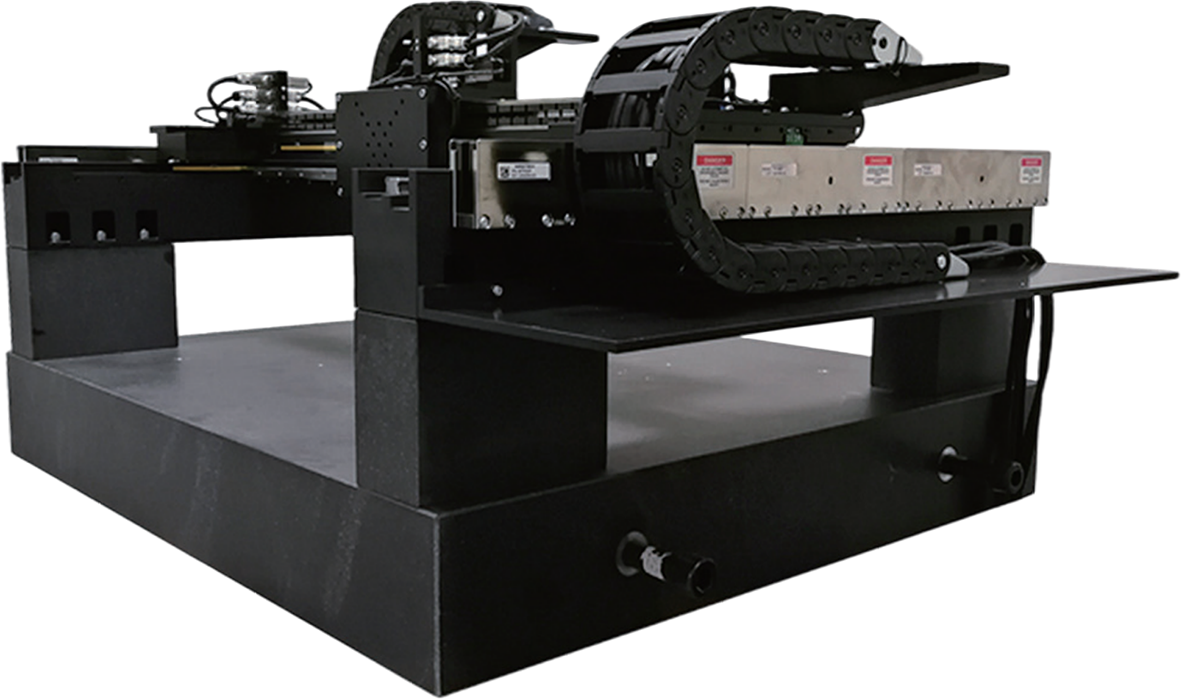
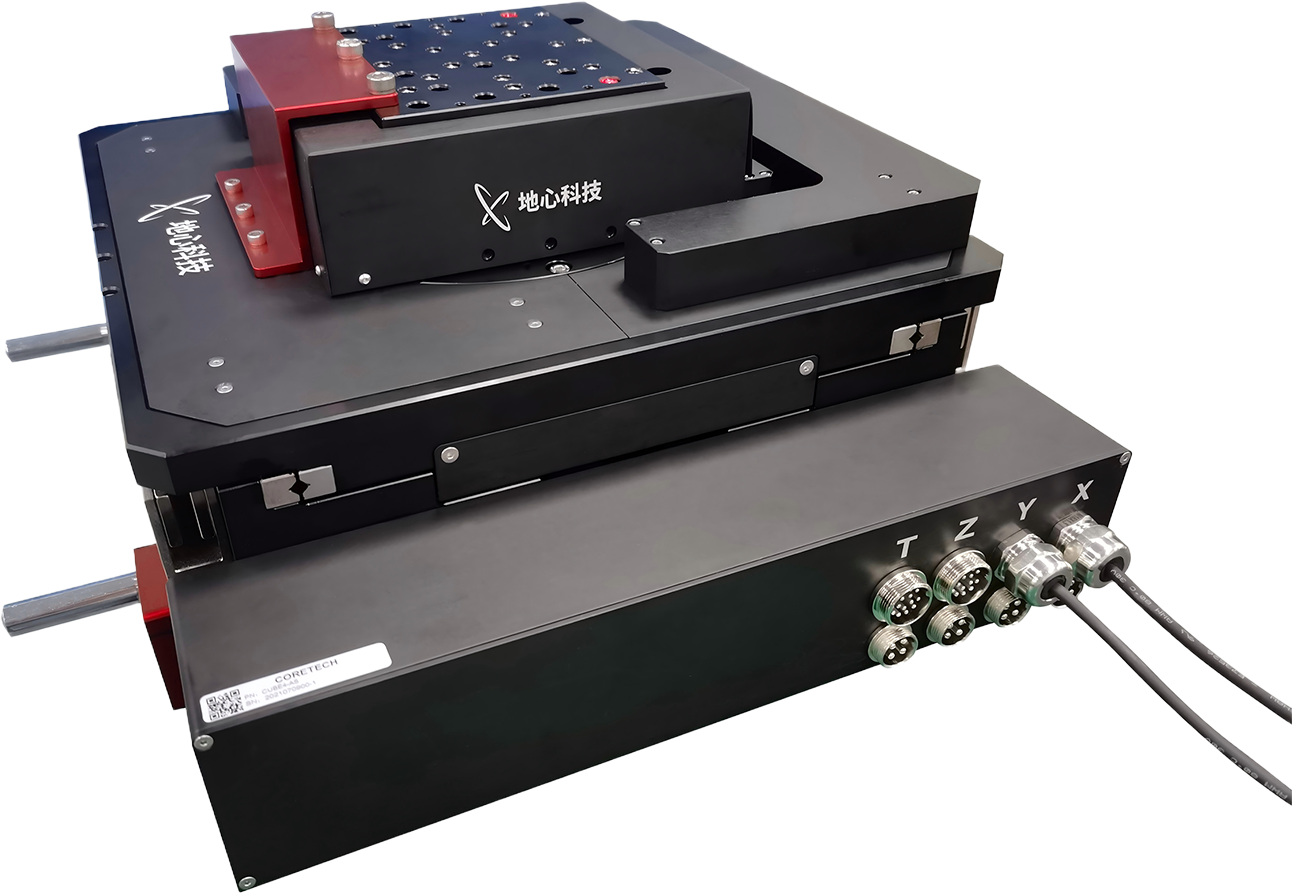
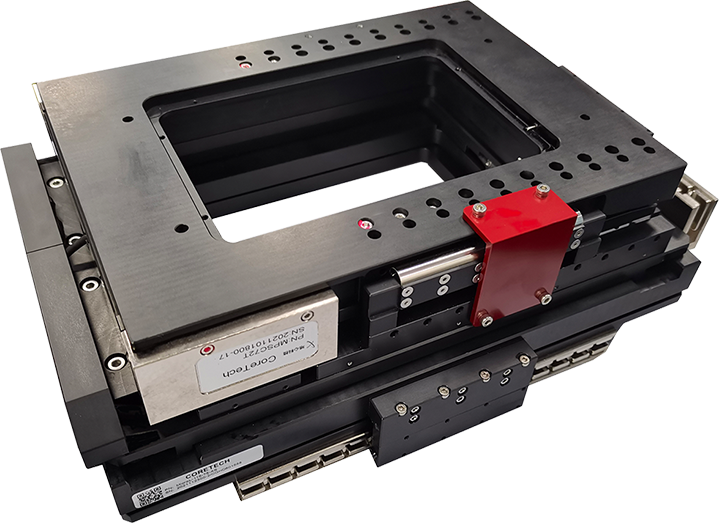
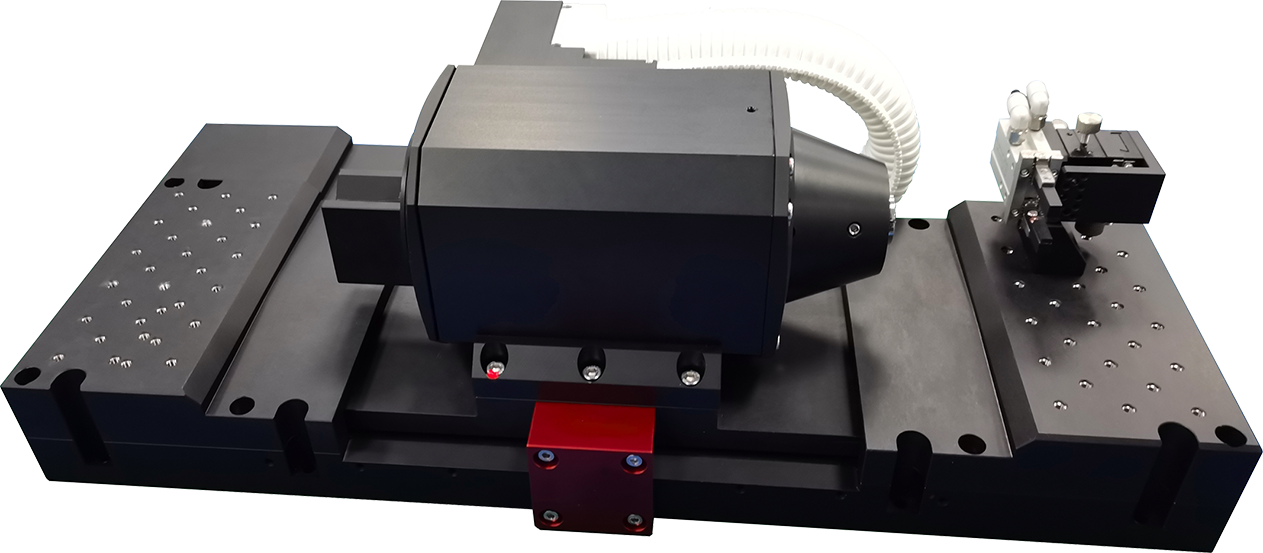
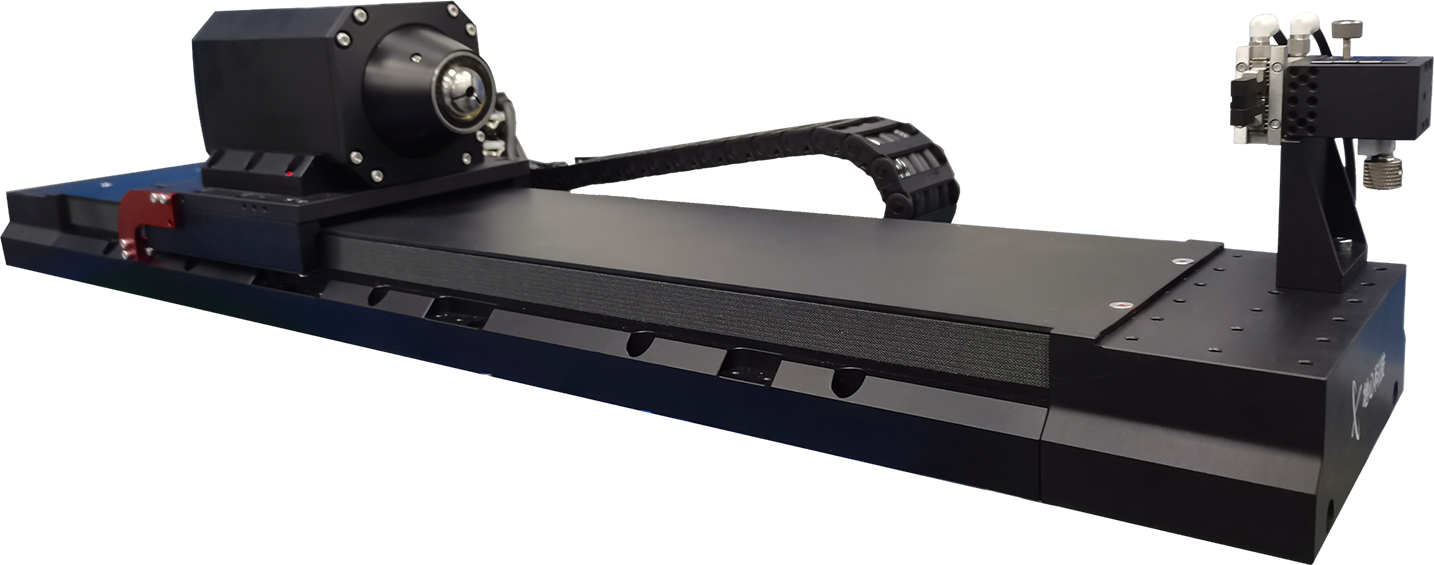
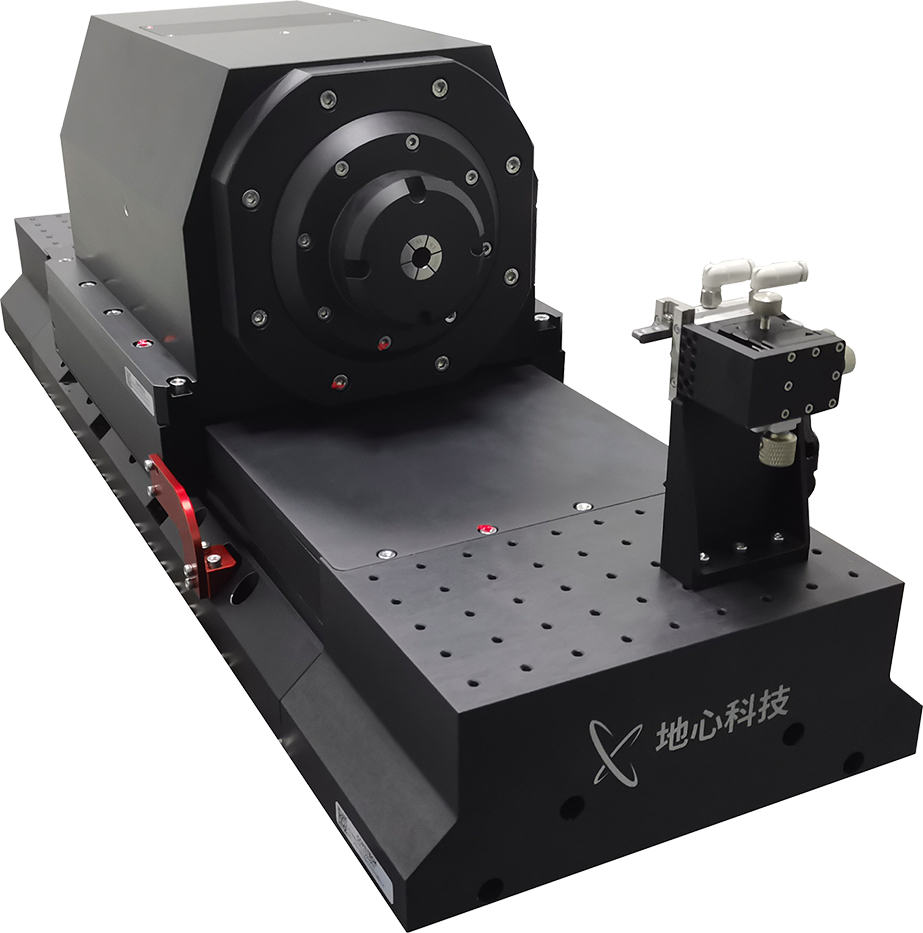
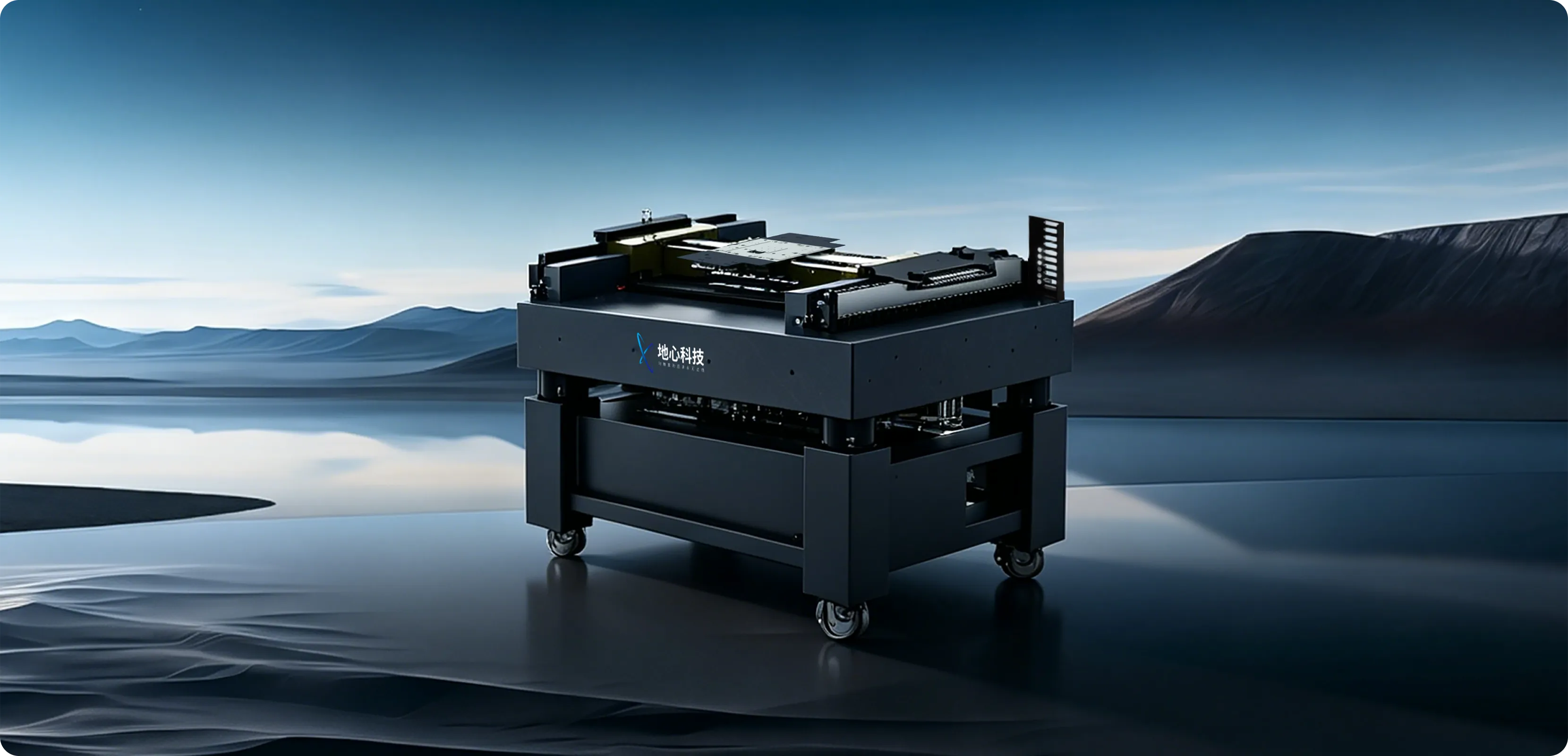
Targeting more advanced process requirements, DiXin Technology's eight‑axis gantry system empowers leading domestic packaging houses to achieve precise breakthroughs. With high‑rigidity structures and advanced control algorithms, it provides trajectory interpolation and synchronous control capabilities, enabling complex placement paths.
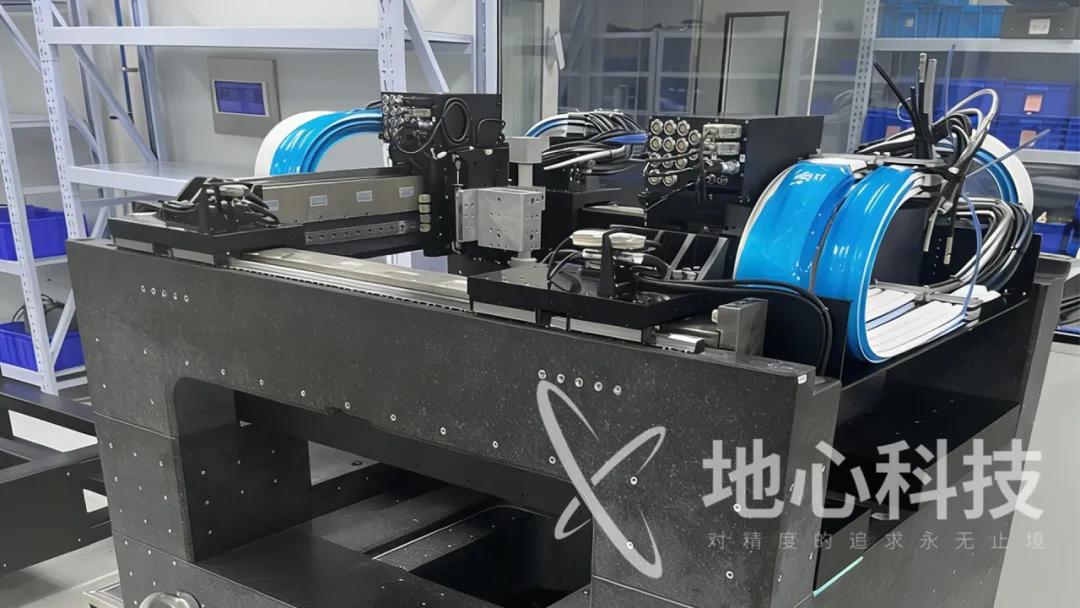
Proprietary Coupling Structure – Countering Inter‑Axis Interference
The gantry dual‑drive decoupling strategy separates translational motion from yaw motion, thereby eliminating mutual interference between the two axes. This enhances synchronization accuracy, dynamic response, and structural longevity, and is a critical control approach for high‑precision gantry motion.
Marble‑Based Active Vibration Isolation – Countering Low‑Frequency Resonance and Internal Disturbances
The machine base integrates a high‑damping granite platform with active vibration isolation modules. While isolating external vibrations, it actively and in real‑time cancels the reaction forces generated by stage motion, without frequency‑threshold limitations.
Silicon Carbide Beam – Ultra‑High Stiffness Suppresses Deflection
Compared to traditional granite or steel structures, silicon carbide offers four core advantages—high stiffness, low thermal expansion, light weight, and long service life—making it an ideal material for high‑precision gantry beam axes, thereby enhancing overall equipment accuracy.
Dual‑Beam Architecture – Accommodating More Complex Processes
Unlike conventional single‑gantry designs, the dual‑beam configuration effectively adds an independent set of motion axes to the system, accommodating more process steps in engineering practice.
Performance Highlights:
XY axes repeatability: within ±350 nm; Z‑axis repeatability: within ±150 nm; planar/straightness for all axes: within ±1 μm.
X‑axis: max speed 1.5 m/s, max acceleration 2 g; Y‑axis: max speed 2.5 m/s, max acceleration 3 g; Z‑axis: max speed 1 m/s, max acceleration 1 g.
Ultimately, the system settles to a positioning accuracy of 17 nm within 270 ms, ensuring that placement errors no longer constrain the process windows for subsequent wire bonding or flip‑chip bonding, while also reserving ample margin for production ramp‑up.
From die attach to eutectic bonding, from traditional packaging to advanced packaging, and to high‑precision coupling in optical communications, chip mounting is entering an era heavily dependent on motion control capabilities. High‑precision motion stages are no longer merely a component of equipment—they are the critical infrastructure that defines the upper limit of production line capabilities. Those who achieve the optimal balance among accuracy, speed, and stability will seize the initiative in the next wave of packaging upgrades.
CORETECH is driving this transformation forward, with motion control at its core.
Featured News
Wafer Defect Inspection: Solving the "Auto‑Focus Tracking" Challenge to Improve Detection Accuracy and Efficiency
2026.06.03
3D Scanning Imaging of Brain Neural Networks: High-Precision Motion Stages Enhancing Accuracy and Efficiency
2026.06.03
The Core of Advanced Packaging Production Line Upgrades: How Precision Motion Stages Enable High-Speed, High-Precision Die Attach Processes
2026.07.23
 Back to List