

.png)

.png)







Home
 News Center
Medical Laser Processing of Heart Stents and Catheters: An Efficient, High-Precision Solution
News Center
Medical Laser Processing of Heart Stents and Catheters: An Efficient, High-Precision Solution
News Center
Medical Laser Processing of Heart Stents and Catheters: An Efficient, High-Precision Solution
Medical Laser Processing of Heart Stents and Catheters: An Efficient, High-Precision Solution
 2026-06-03
Share:


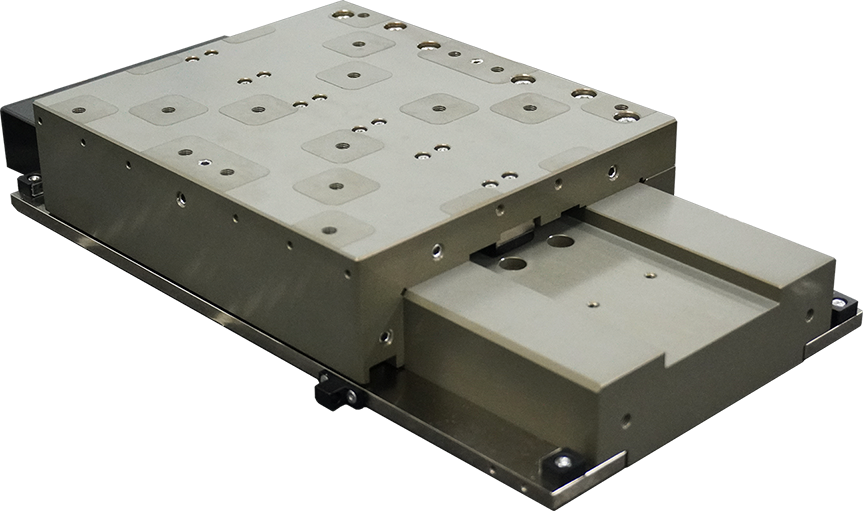
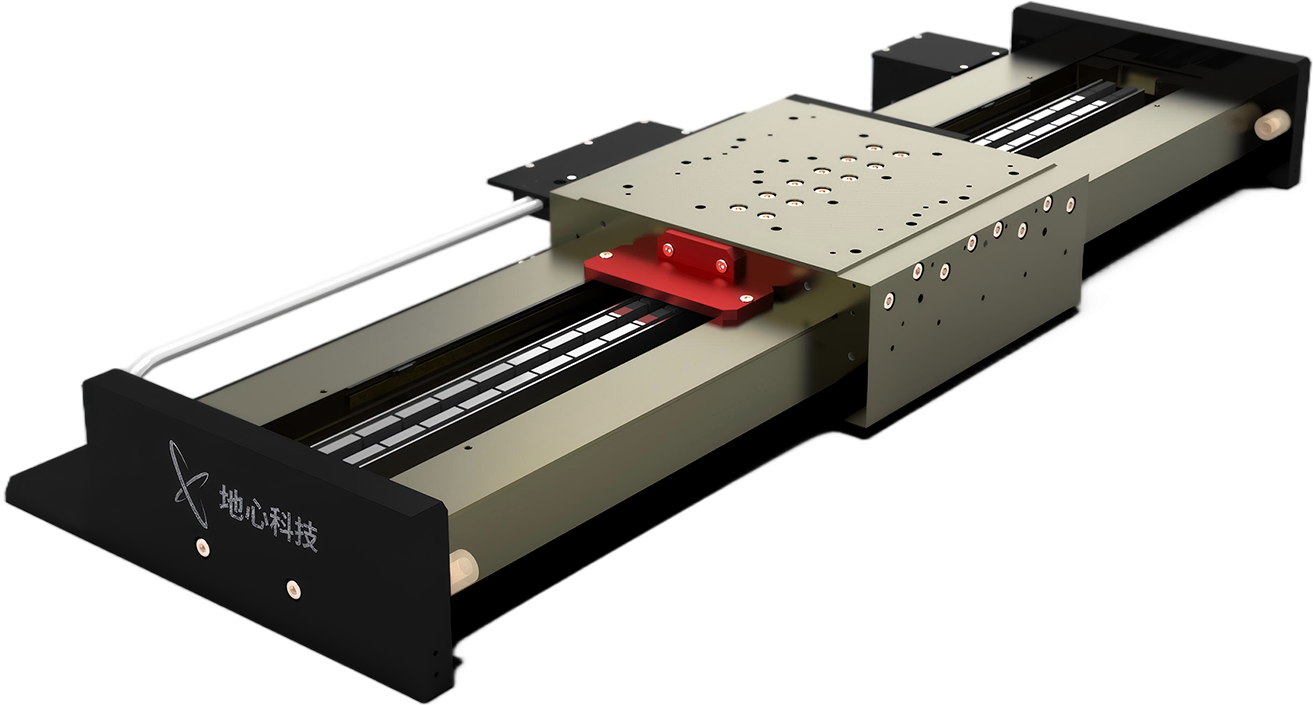
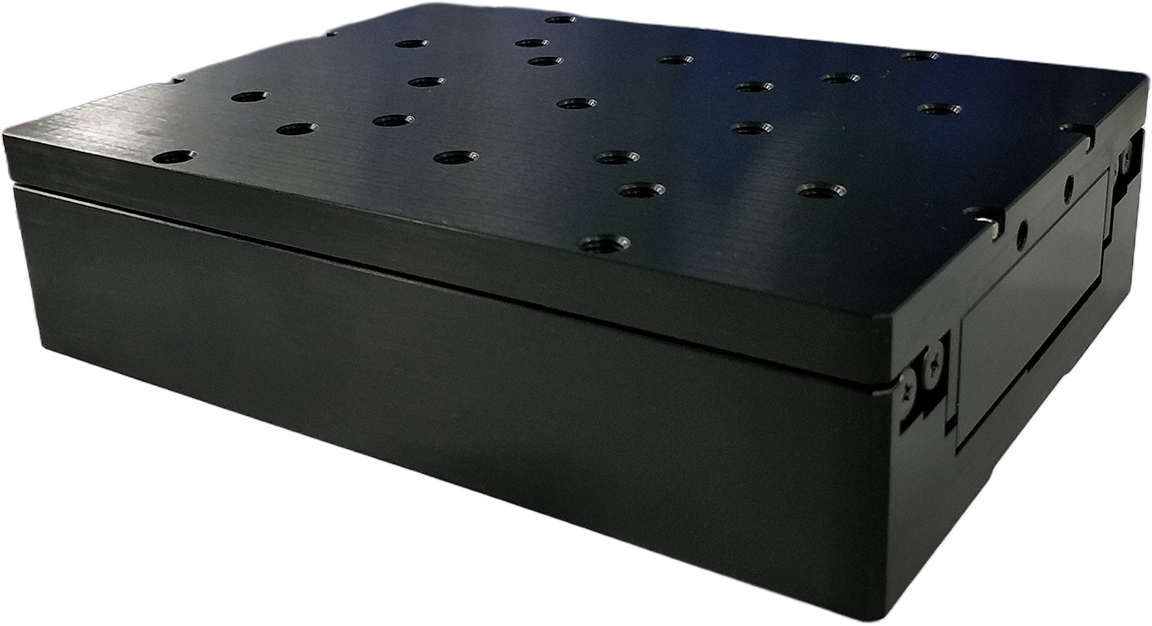
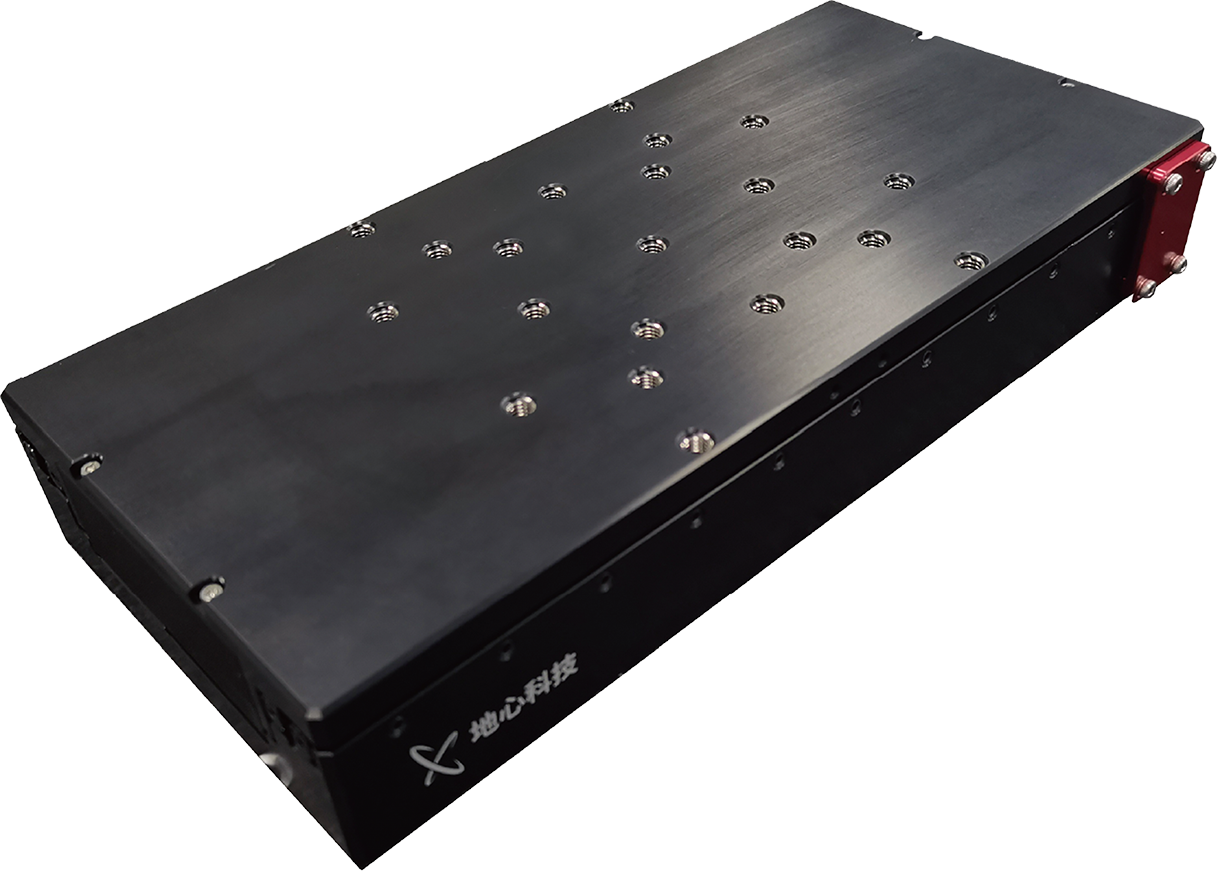
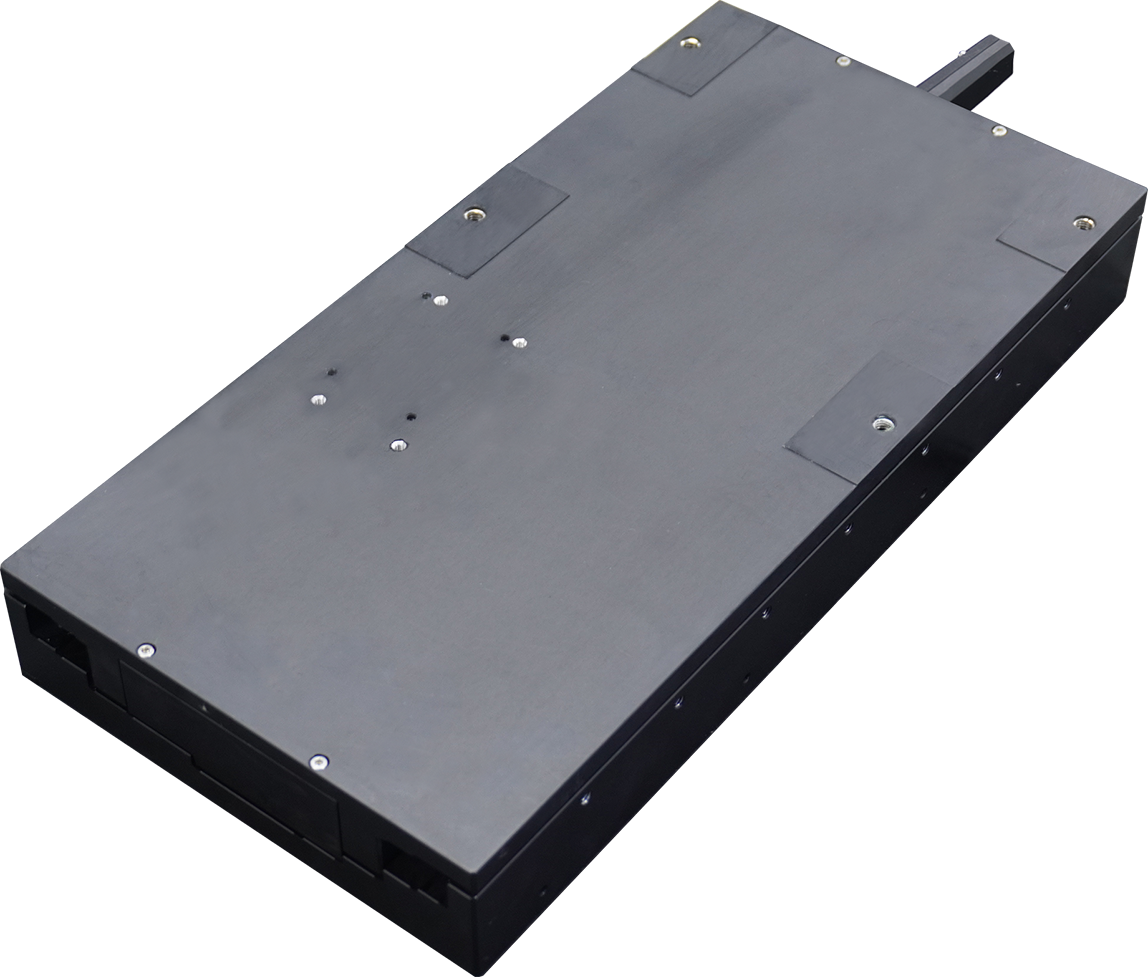
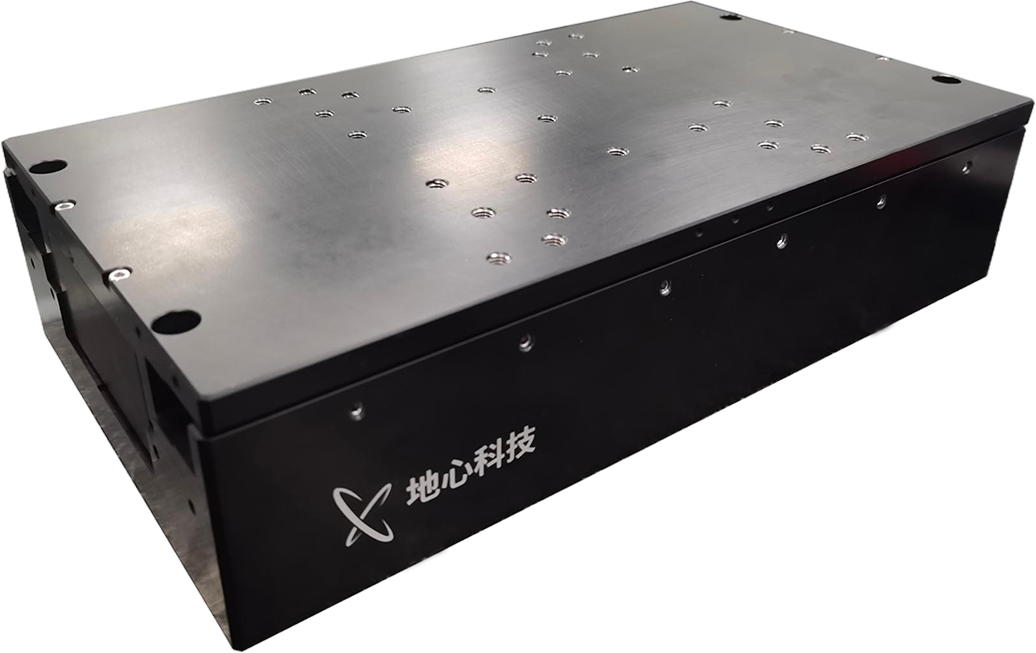
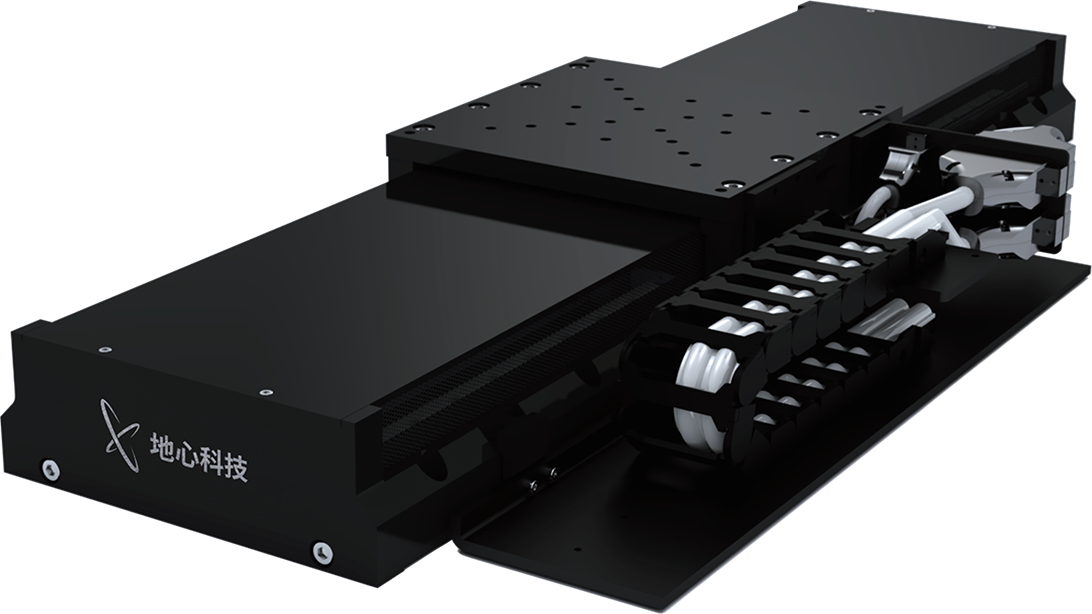
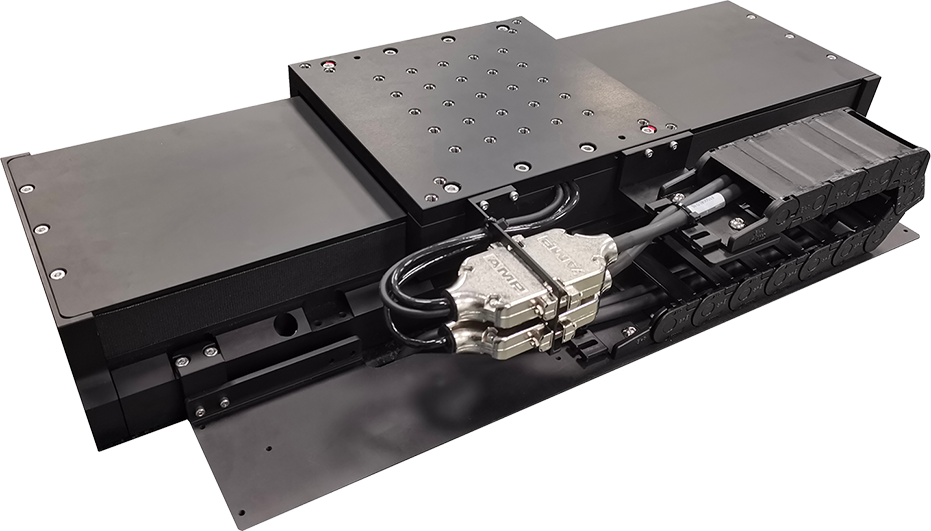
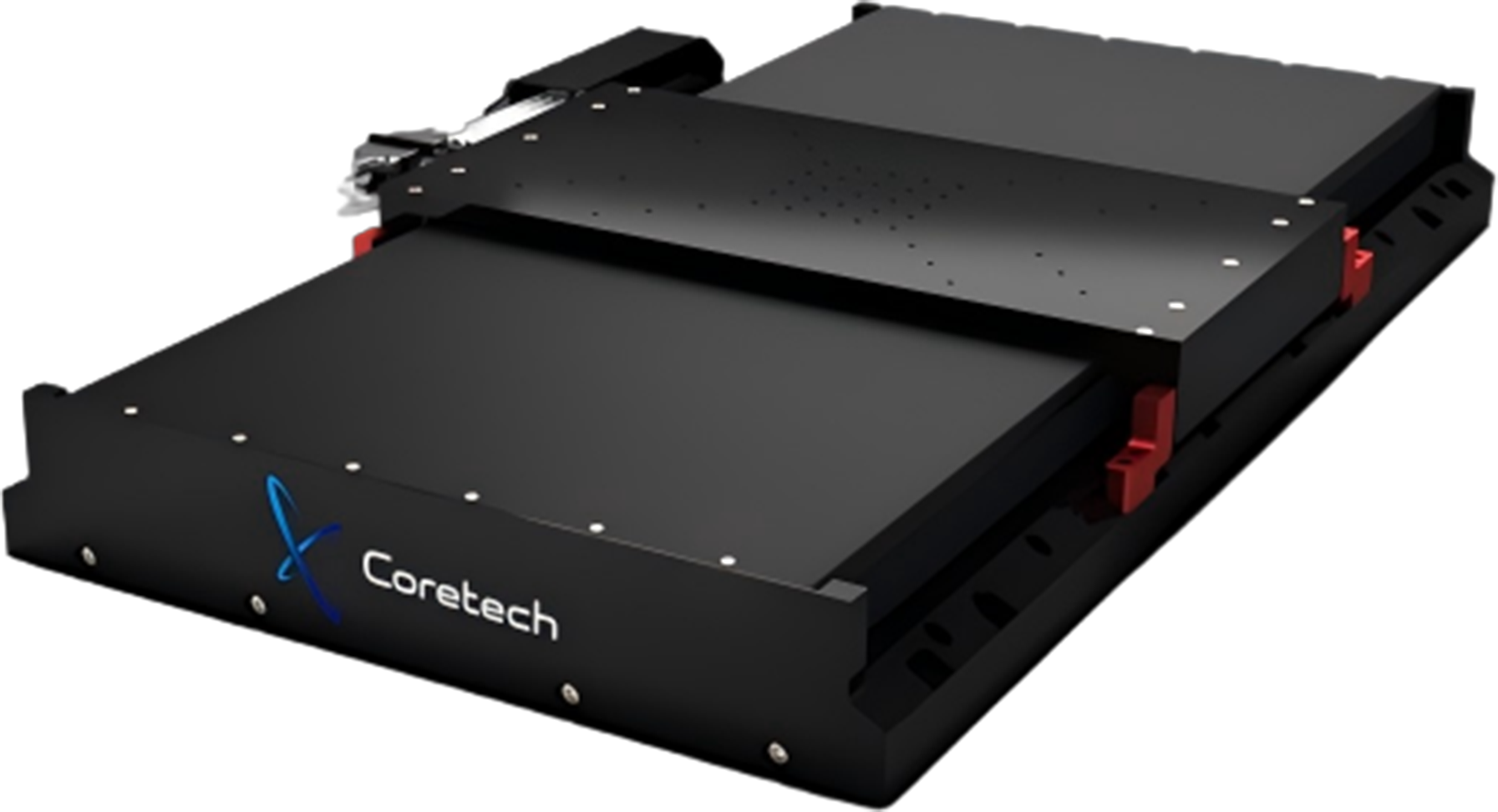
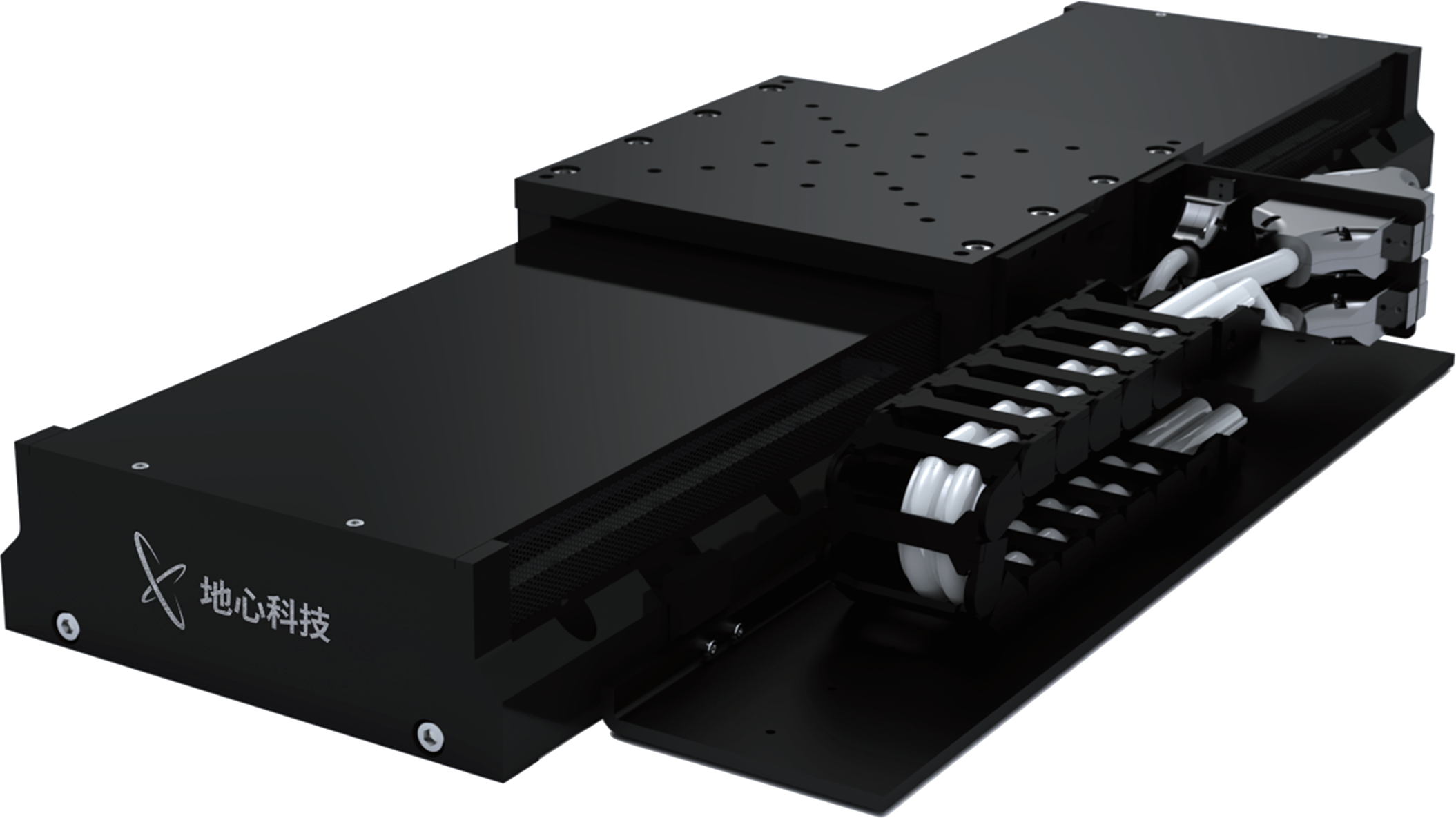
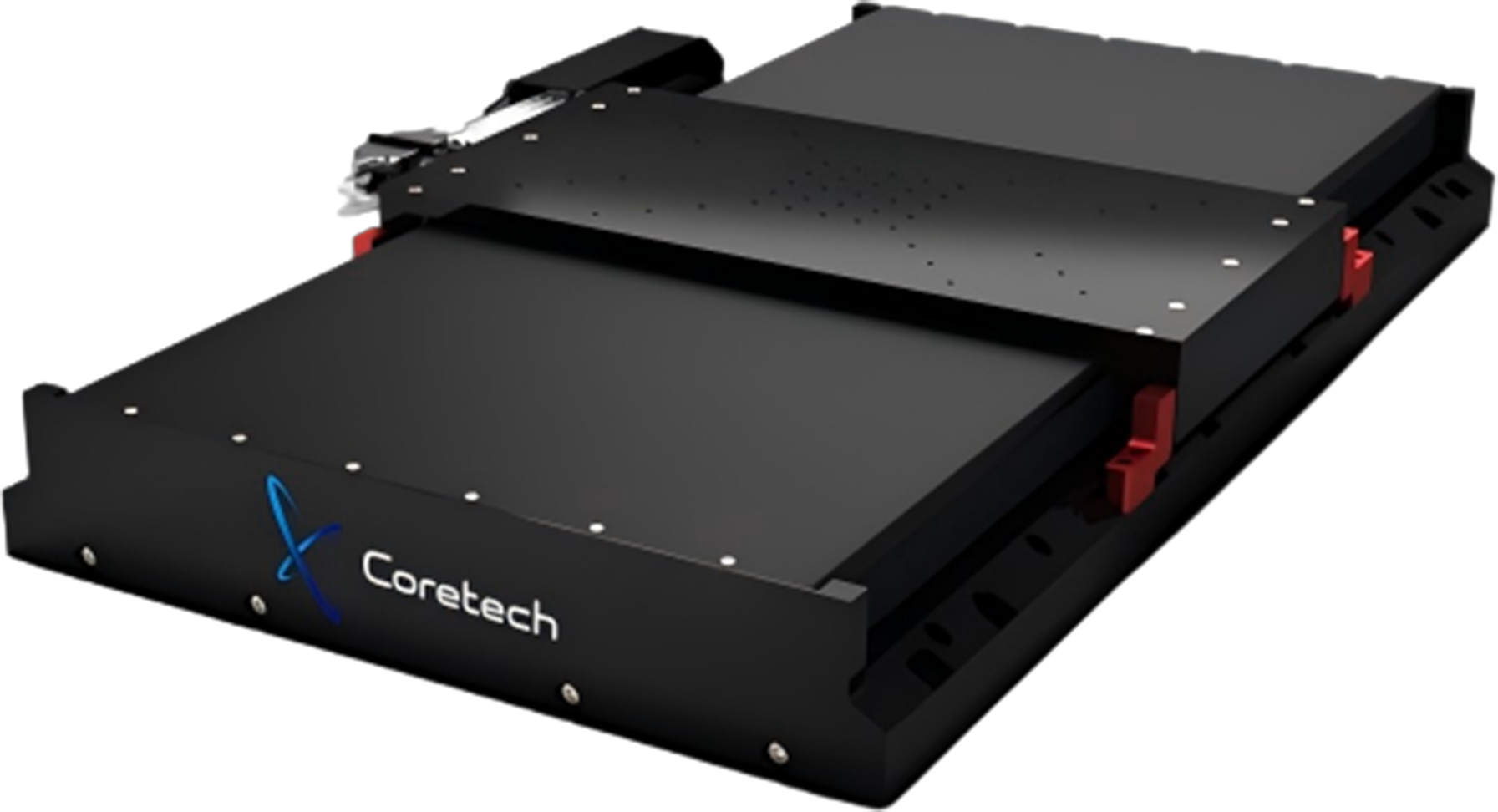
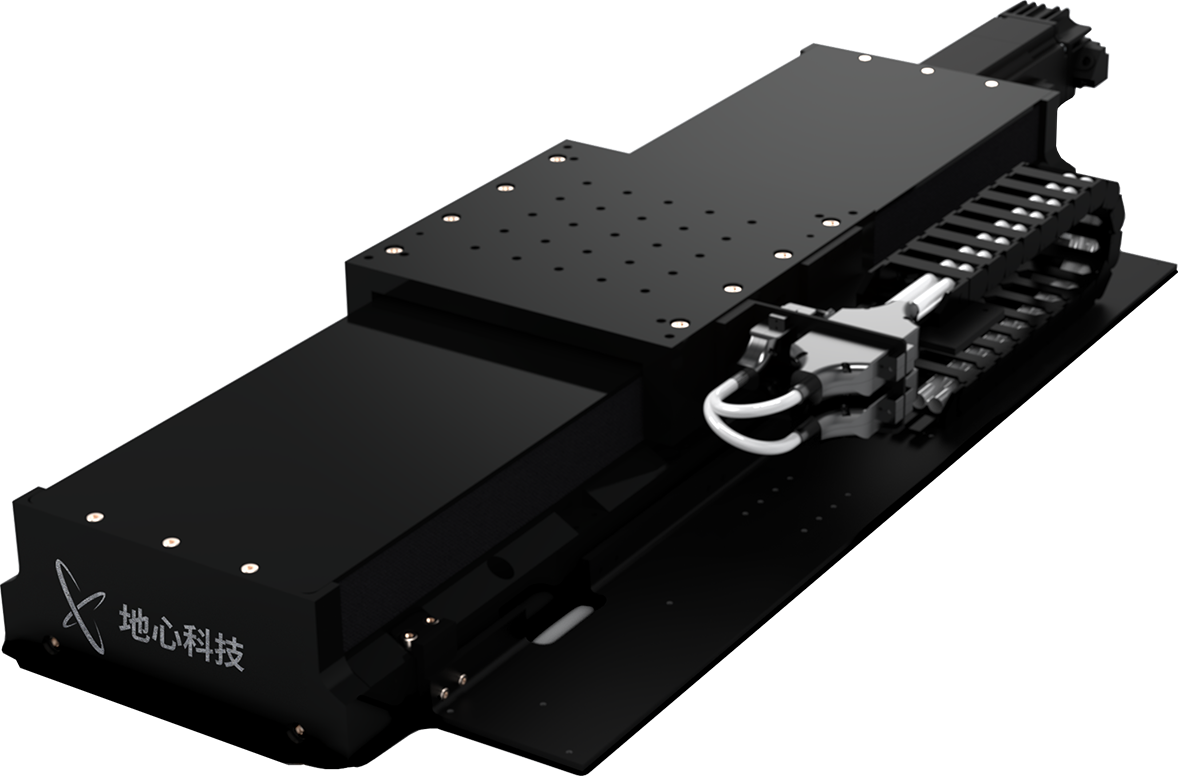
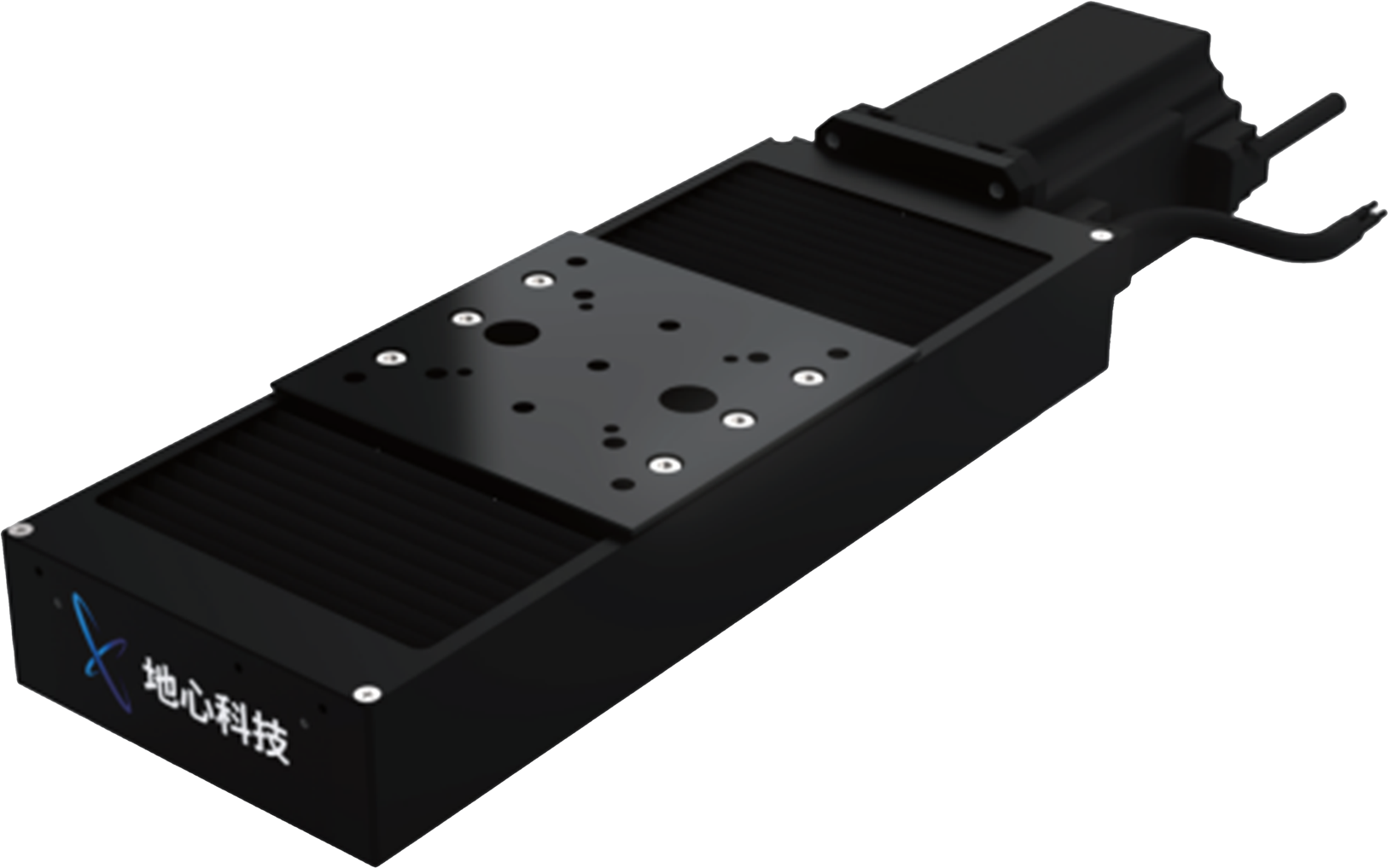
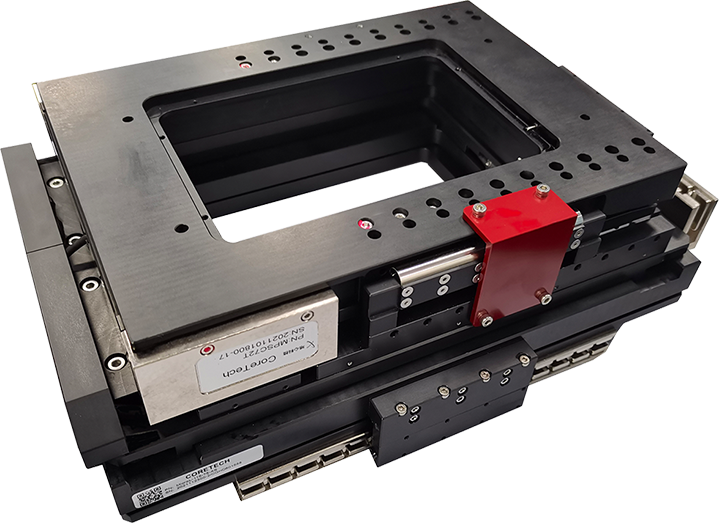
"Coretech's SC Series high-precision 2D motion stage is widely used in medical laser processing equipment—such as heart stent laser cutting and catheter laser processing—thanks to its outstanding stability and motion accuracy."
01 Heart Stents
On November 5, 2020, China launched volume‑based procurement (the so‑called "centralised procurement") for high‑value medical consumables, reducing the average price of a heart stent from RMB 13,000 to less than RMB 700.
Behind this dramatic price reduction lie not only the combined support of the healthcare industry and policy, but also a more critical factor: high‑precision laser processing is increasingly being adopted in the medical field for its unique advantages, overcoming challenges that traditional processing cannot address while balancing manufacturing precision and efficiency—thus driving technological innovation and upgrading in industrial‑scale heart stent processing.
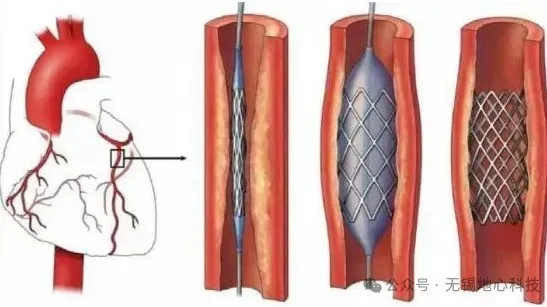
Since heart stents are implanted directly into the human body, their functional characteristics and safety must be rigorously evaluated to meet extremely stringent requirements, including flexibility, thromboresistance, biocompatibility, and radial strength.
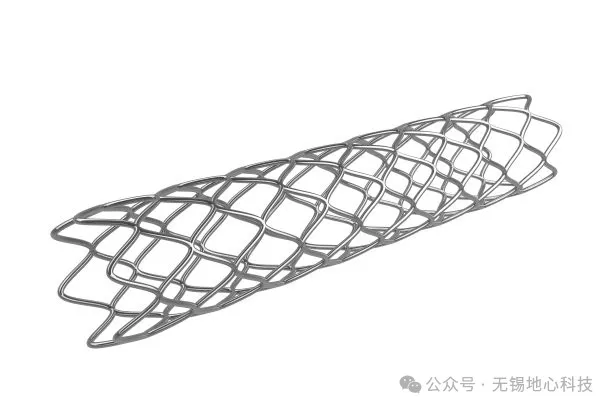
The wall tubing of heart stents is extremely thin—typically from several tens of microns down to just 10 μm—while the diameter is usually over ten millimetres. Precision laser cutting is therefore required for fabrication. Conventional machining would result in excessive burrs and inconsistent kerf widths, rendering the stents unfit for use.
02 Femtosecond Laser Processing
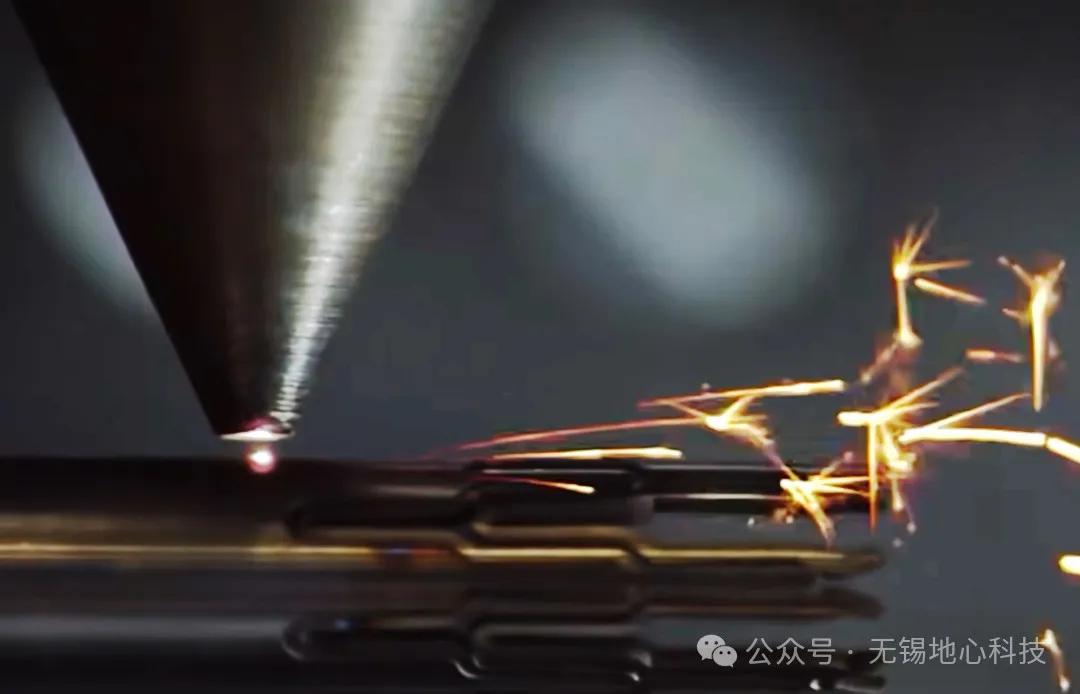
For the latest third‑generation bioresorbable stents, which are small, thin‑walled, and demanding in both geometry and mechanical properties, laser processing is the optimal manufacturing method. Owing to the athermal nature of ultrafast femtosecond laser processing, it becomes possible to machine low‑melting‑point materials—such as magnesium alloys or polymer stents made of polylactic acid. Since these stents have low melting points and are biodegradable, they cannot undergo the same post‑processing as conventional metal stents; hence, only ultrafast laser cutting is feasible.
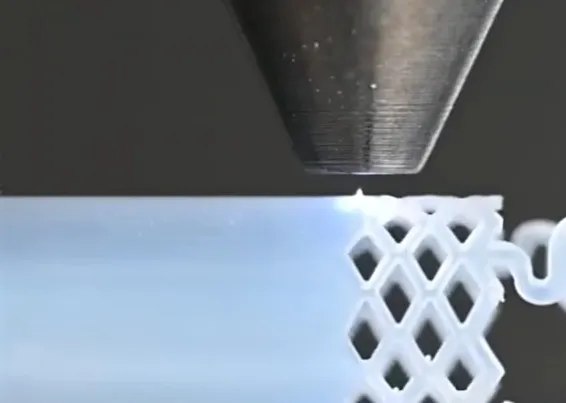
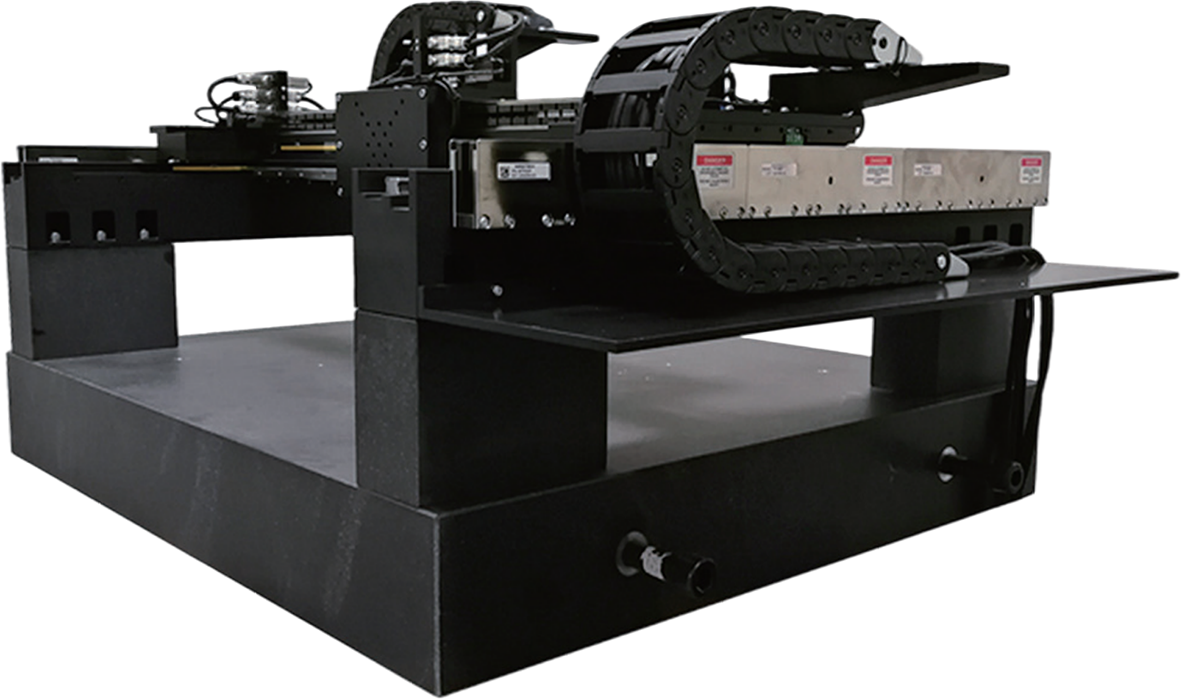
During stent processing, the workpiece is typically a thin, slender tube, so a side‑mounted rotary stage combined with a high‑speed, high‑precision X‑axis is commonly used to form the motion system. The equipment must be capable of processing a variety of materials and effectively handling extremely small stent products. The positioning accuracy of the motion system is required to reach approximately 1 μm, and rotational accuracy must be within 10 arcsec. At the same time, to meet production efficiency demands, the X‑axis speed must exceed 500 mm/s, and the rotary stage speed must exceed 1000 RPM.
03 Coretech Solutions
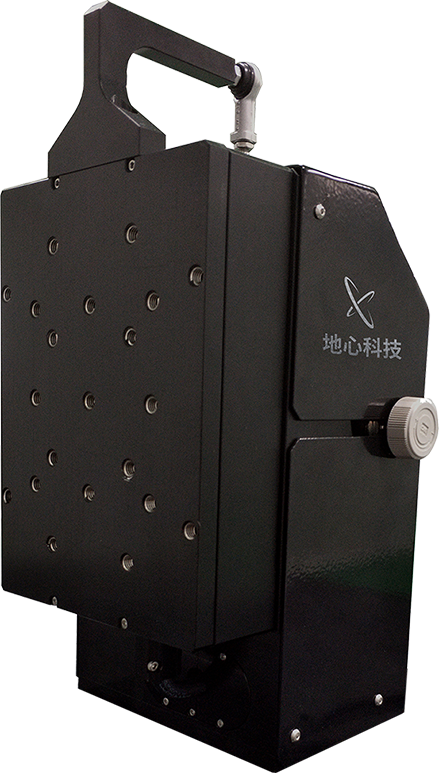
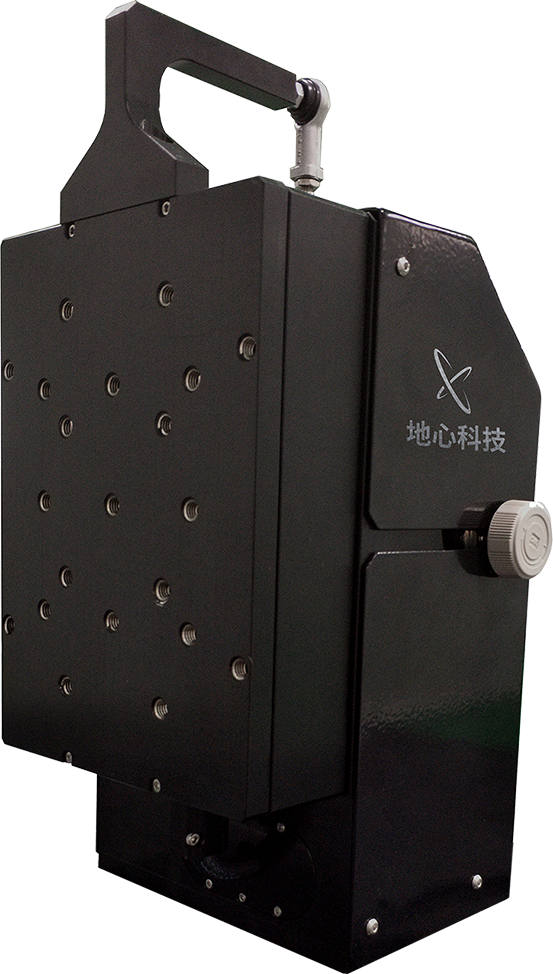
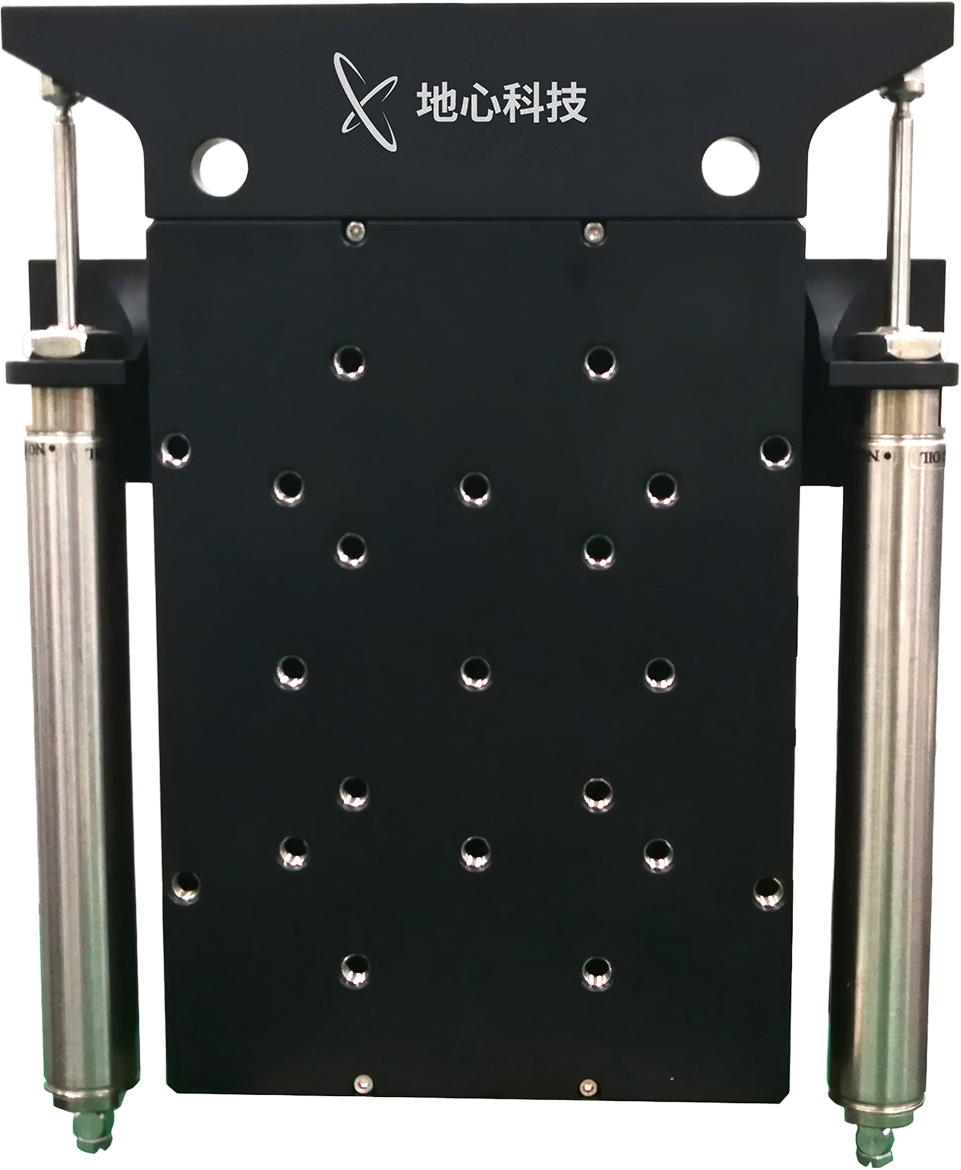
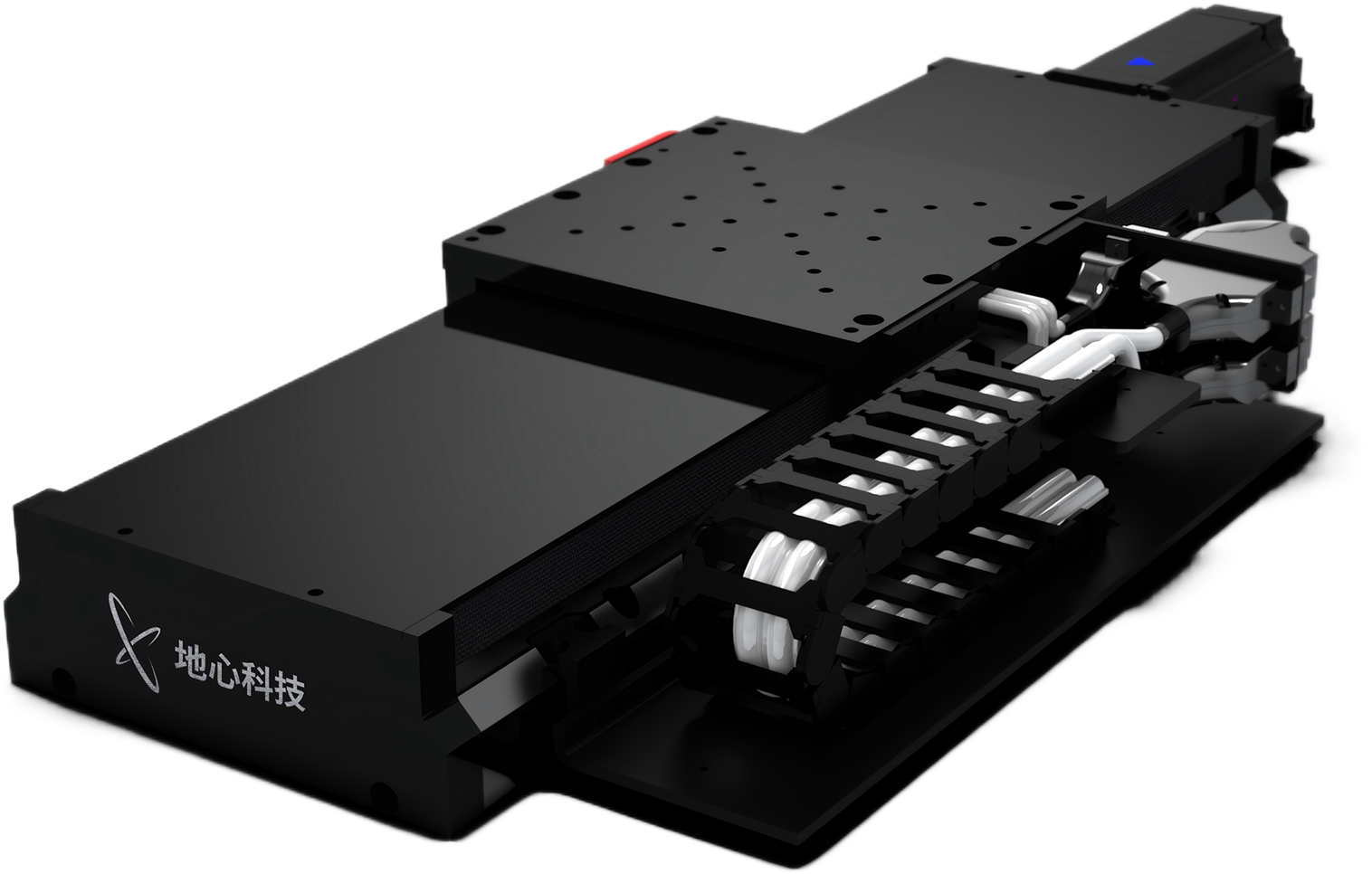
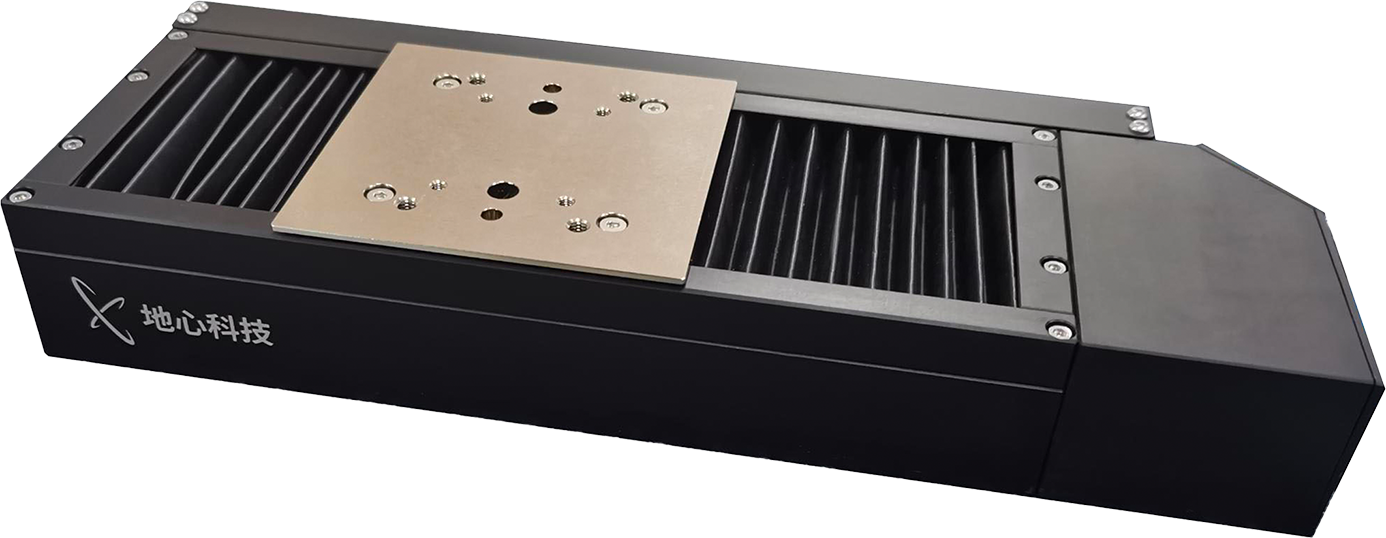
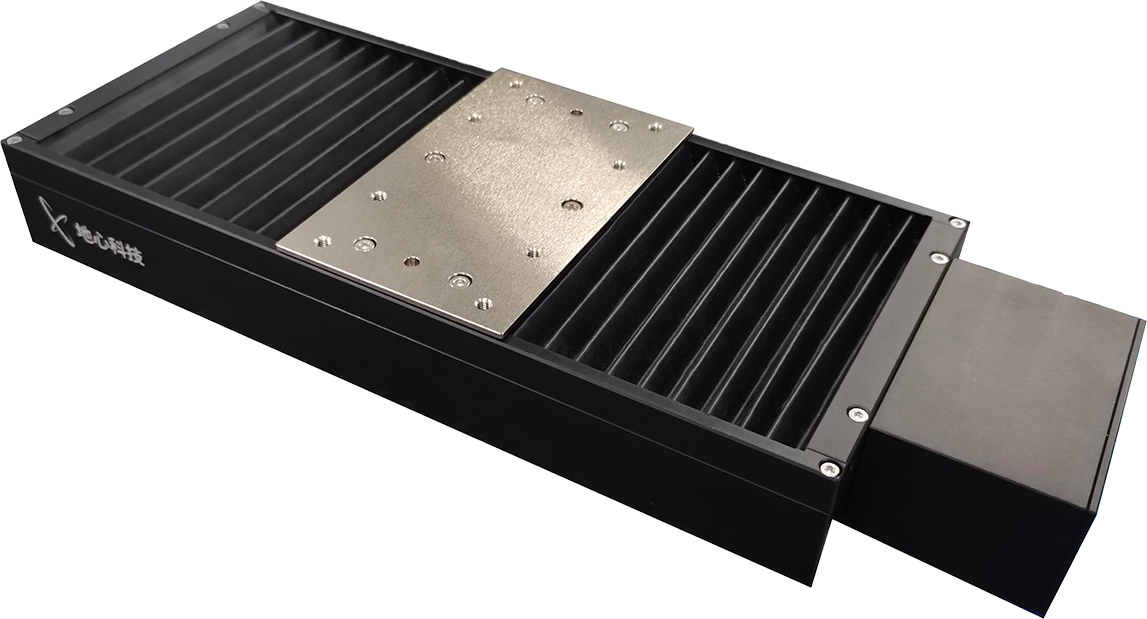
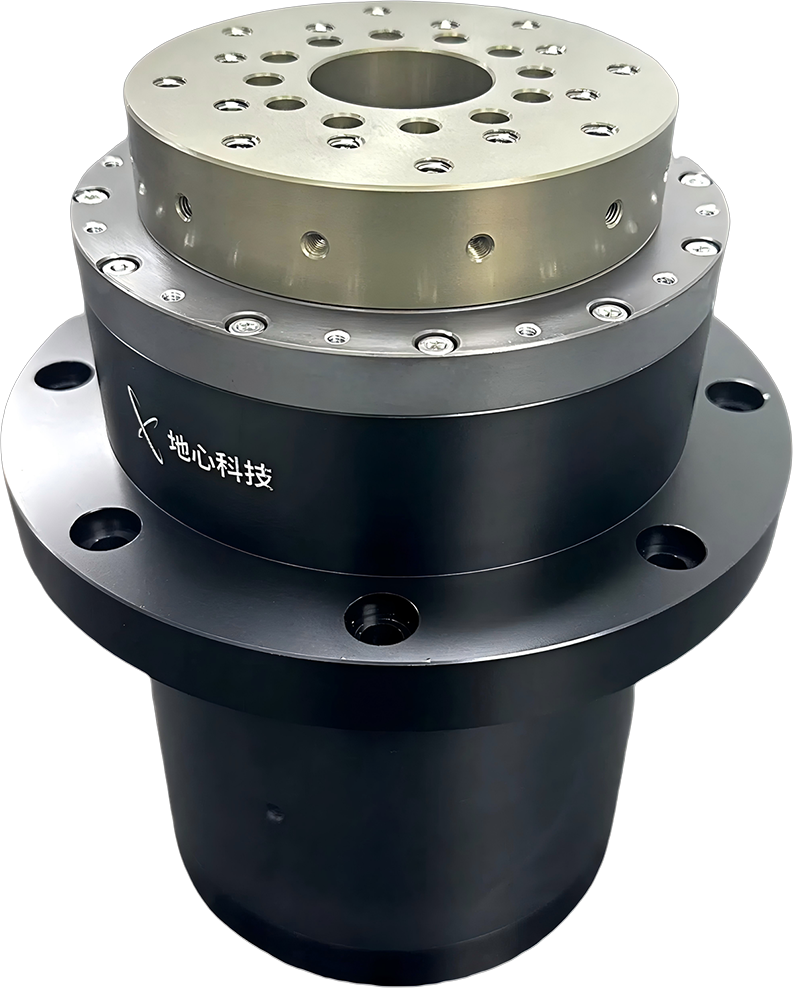
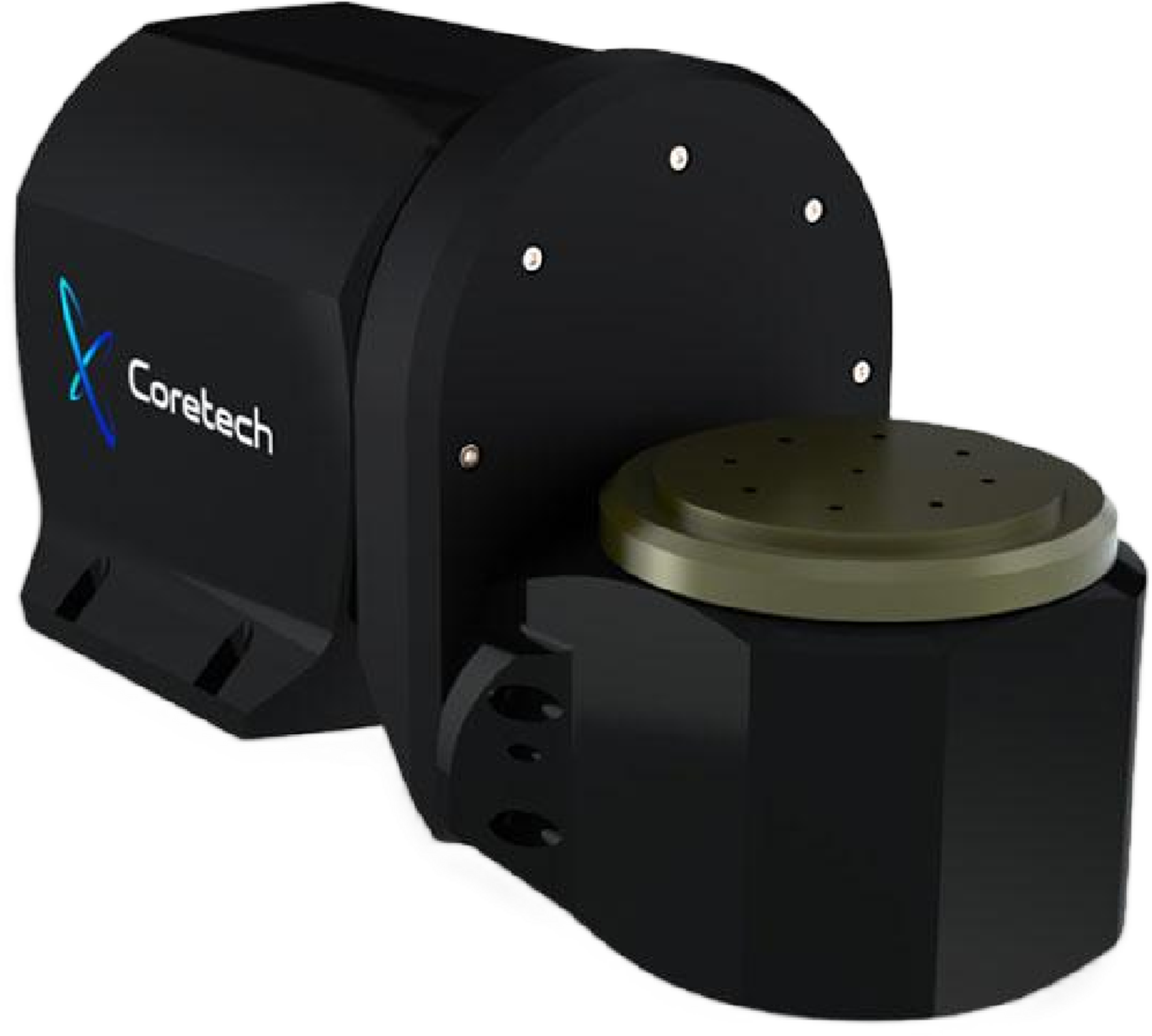
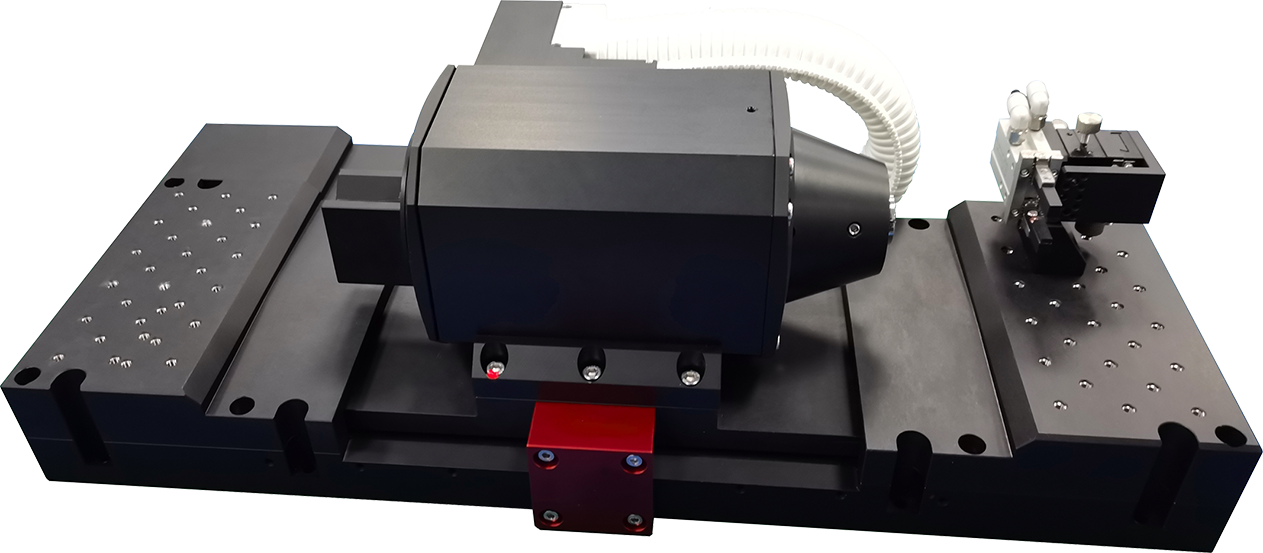
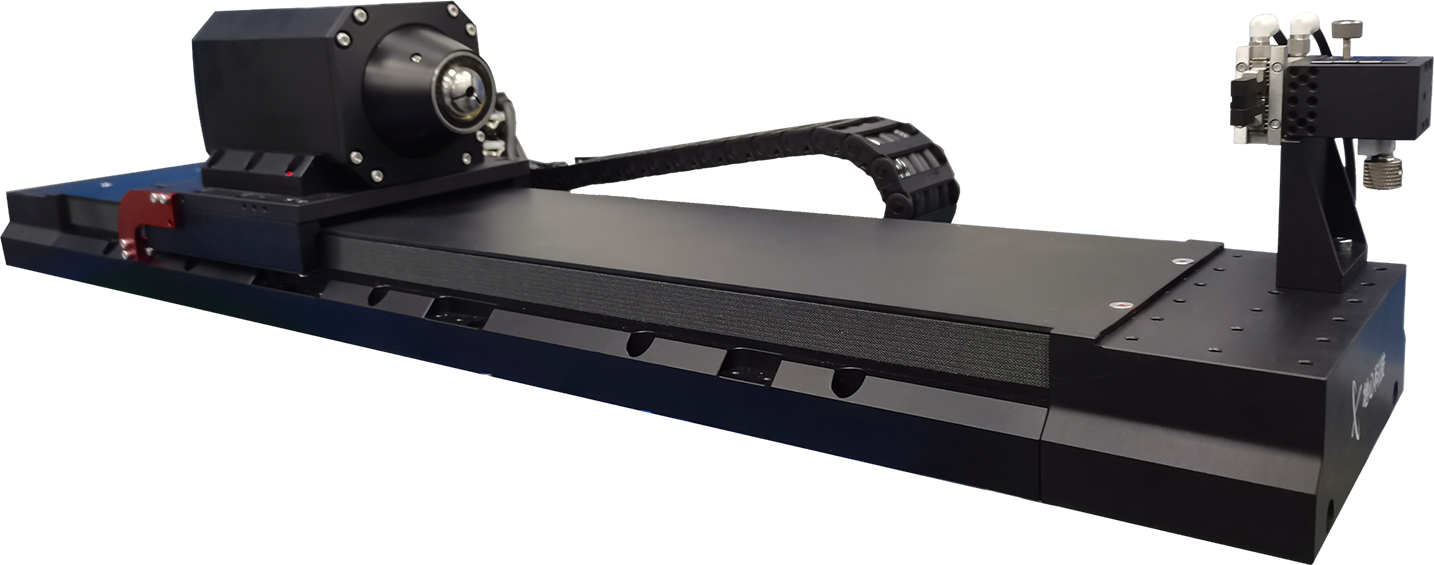
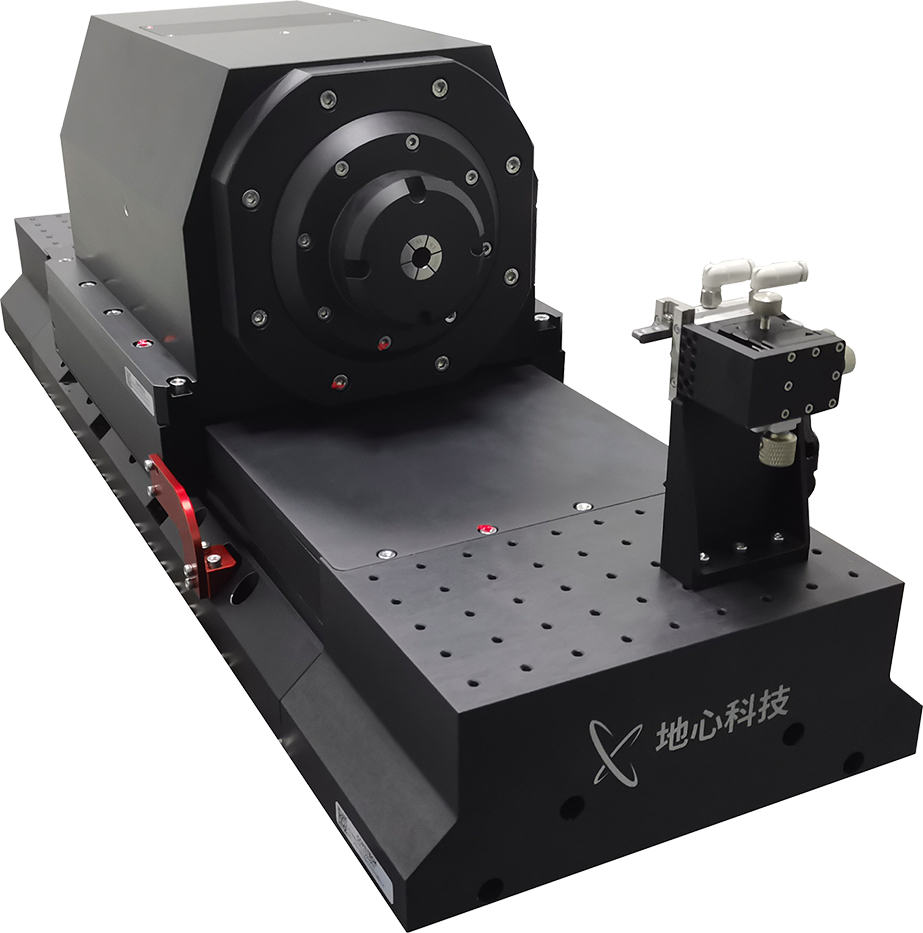
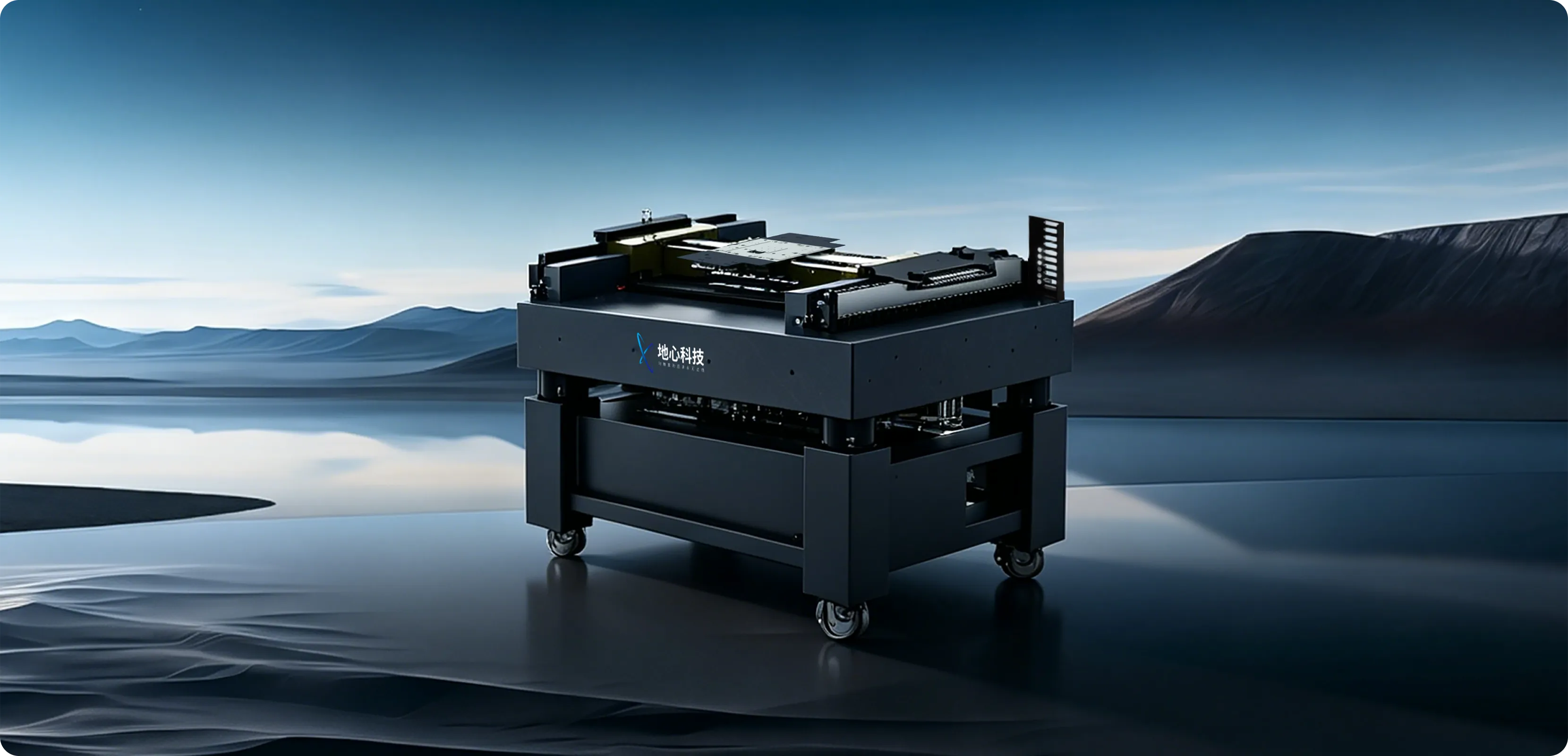
With many years of experience in the laser processing field, Coretech has provided a wealth of application solutions and specialty products in laser processing and electronics manufacturing. For heart stent processing, Coretech offers the advanced SC Series Stent Cutting Platform, which is perfectly suited for the processing of heart stents, bioresorbable metal stents, flexible hypotubes, filters, heart valves, and other precision medical products.
The SC Series platform is equipped with the self‑developed CADbridge software, enabling a variety of common and specialised path planning options.
It can automatically adjust cutting speed to minimise path errors in the geometric shapes of sealed stents.
Advanced laser control functions automatically adjust laser power and firing intervals to minimise the heat‑affected zone as a function of cutting speed.
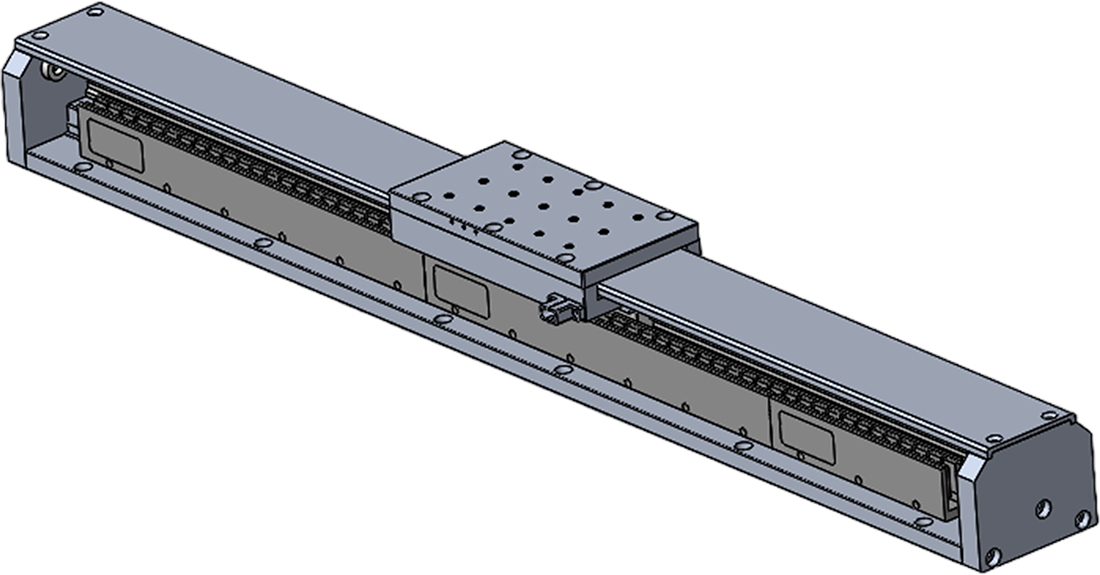
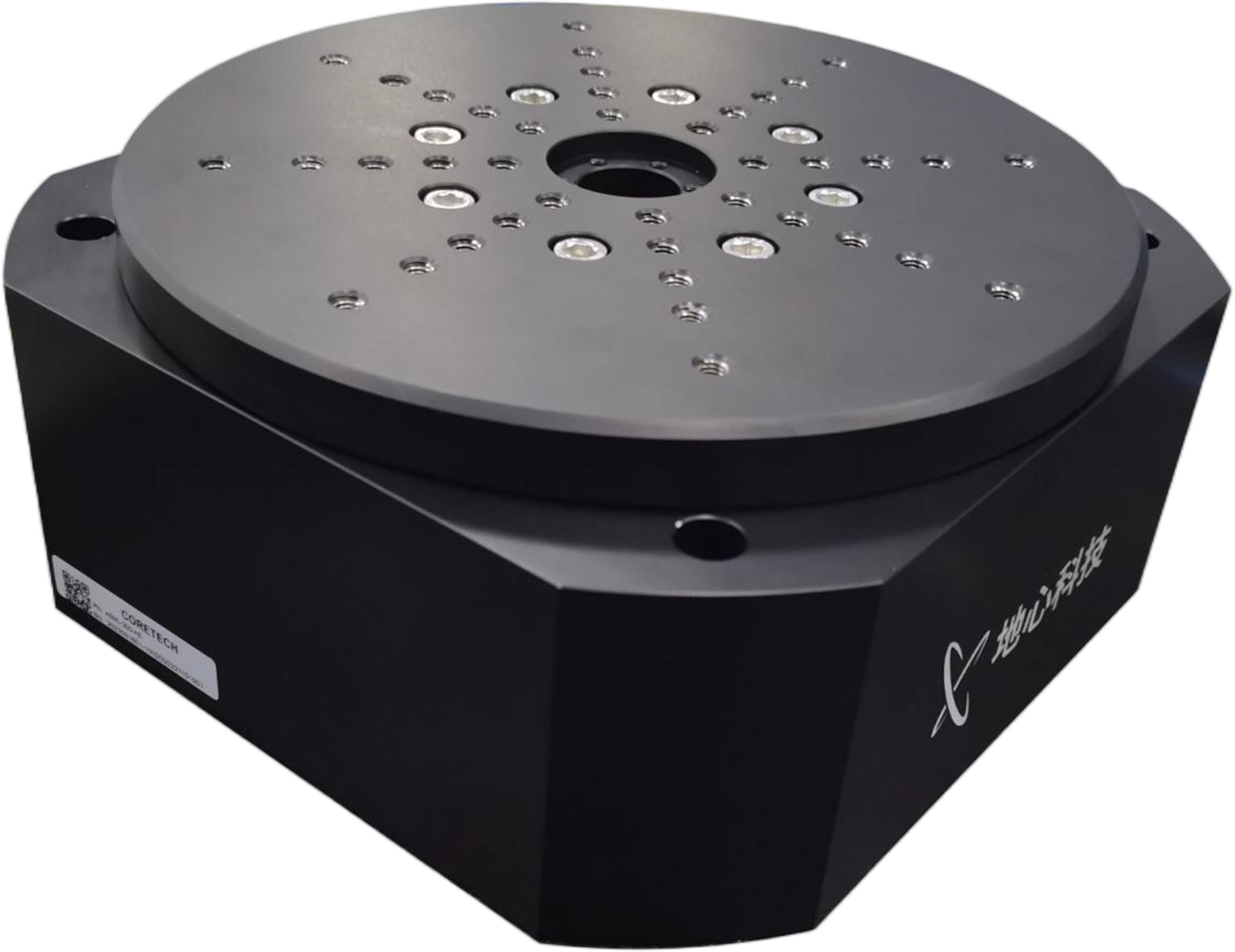
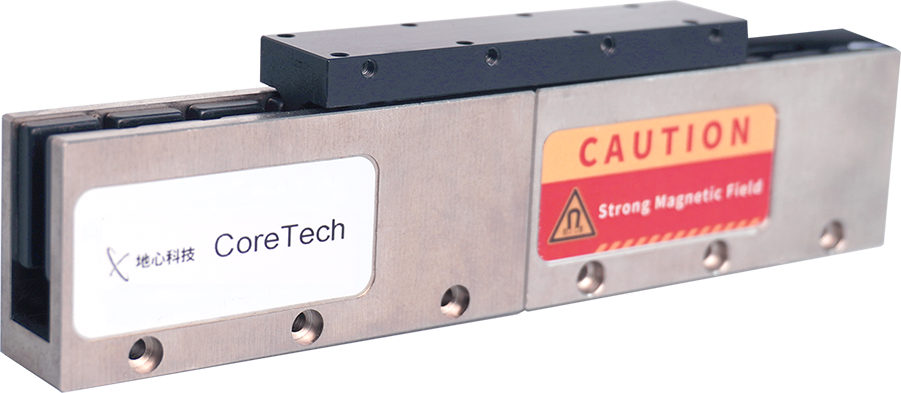
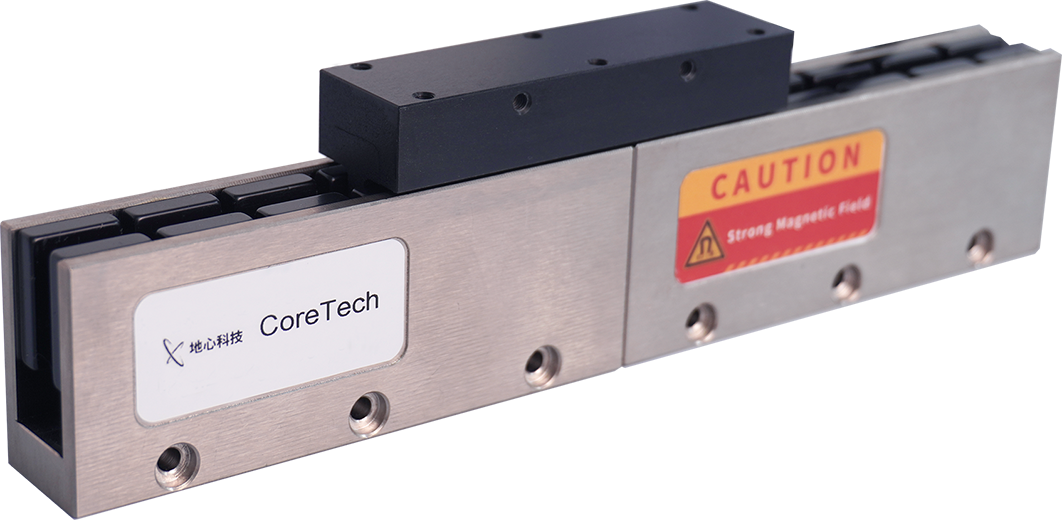
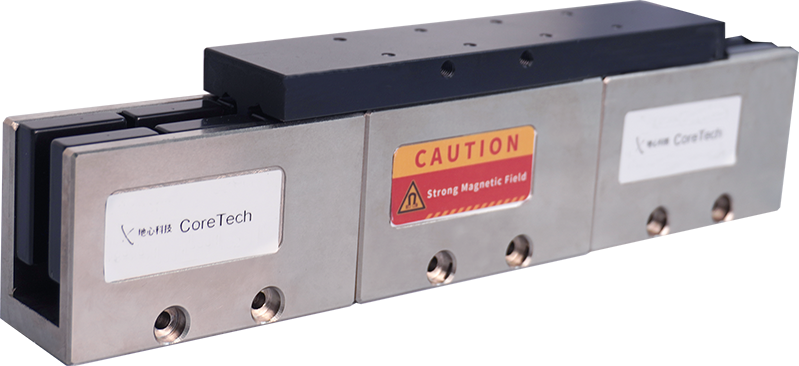
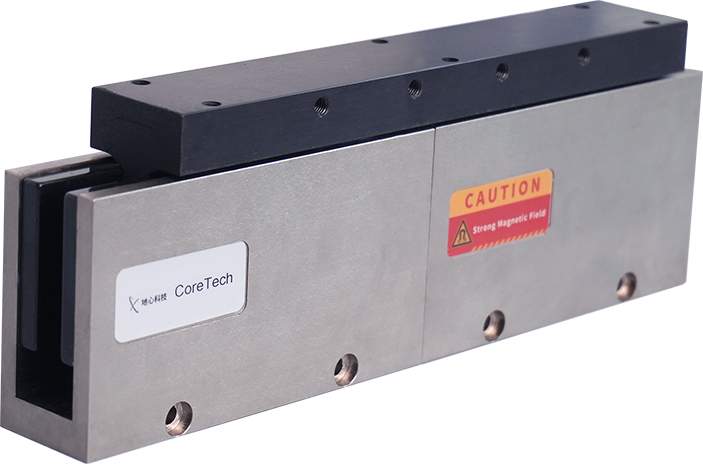
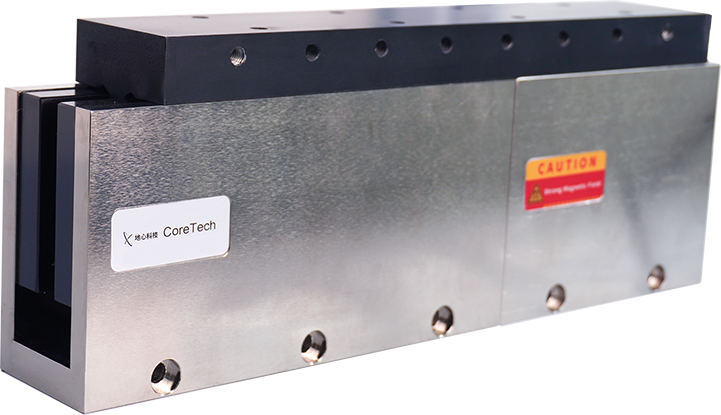
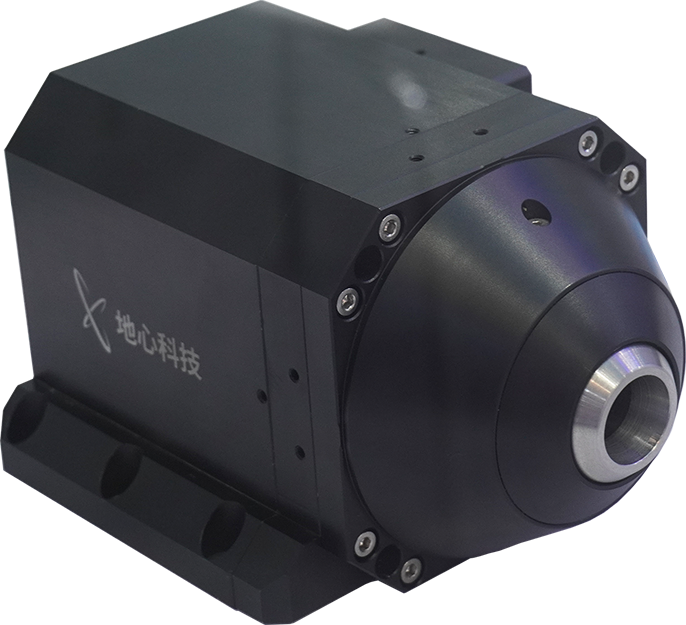
The linear axis is driven directly by a self‑developed linear motor, and the rotary axis is driven directly by a self‑developed rotary torque motor, ensuring fast response and high positioning accuracy.
Paired with a high‑performance motion controller, it easily achieves two‑axis linear‑rotary interpolation.
Frictionless rotary collets require no maintenance over their lifetime.
Precision ER25, ER40, or 3C collets support tubing with outer diameters from 0.3 mm to 30 mm.
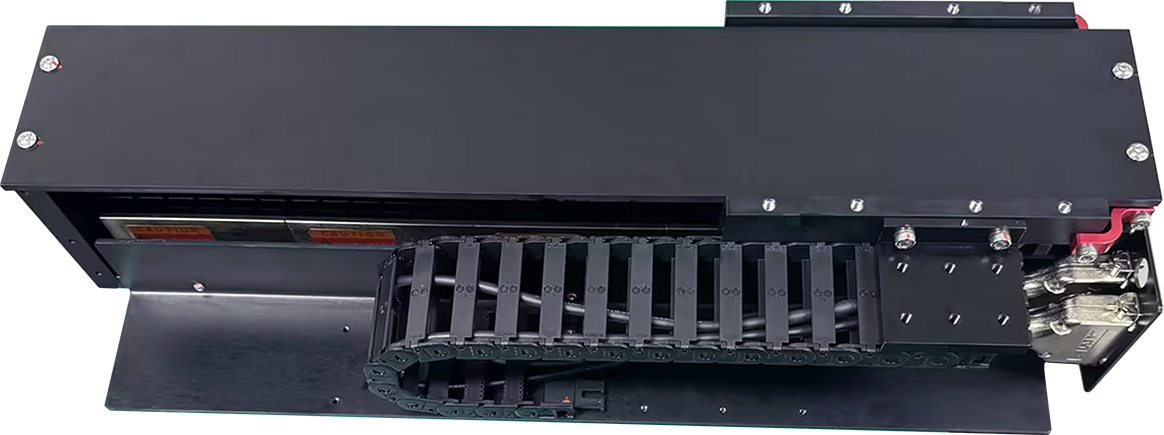
A streamlined, reliable cable management system ensures trouble‑free operation.
Customisable fixtures are available, such as bushing alignment, manual or automatic material pre‑loading.
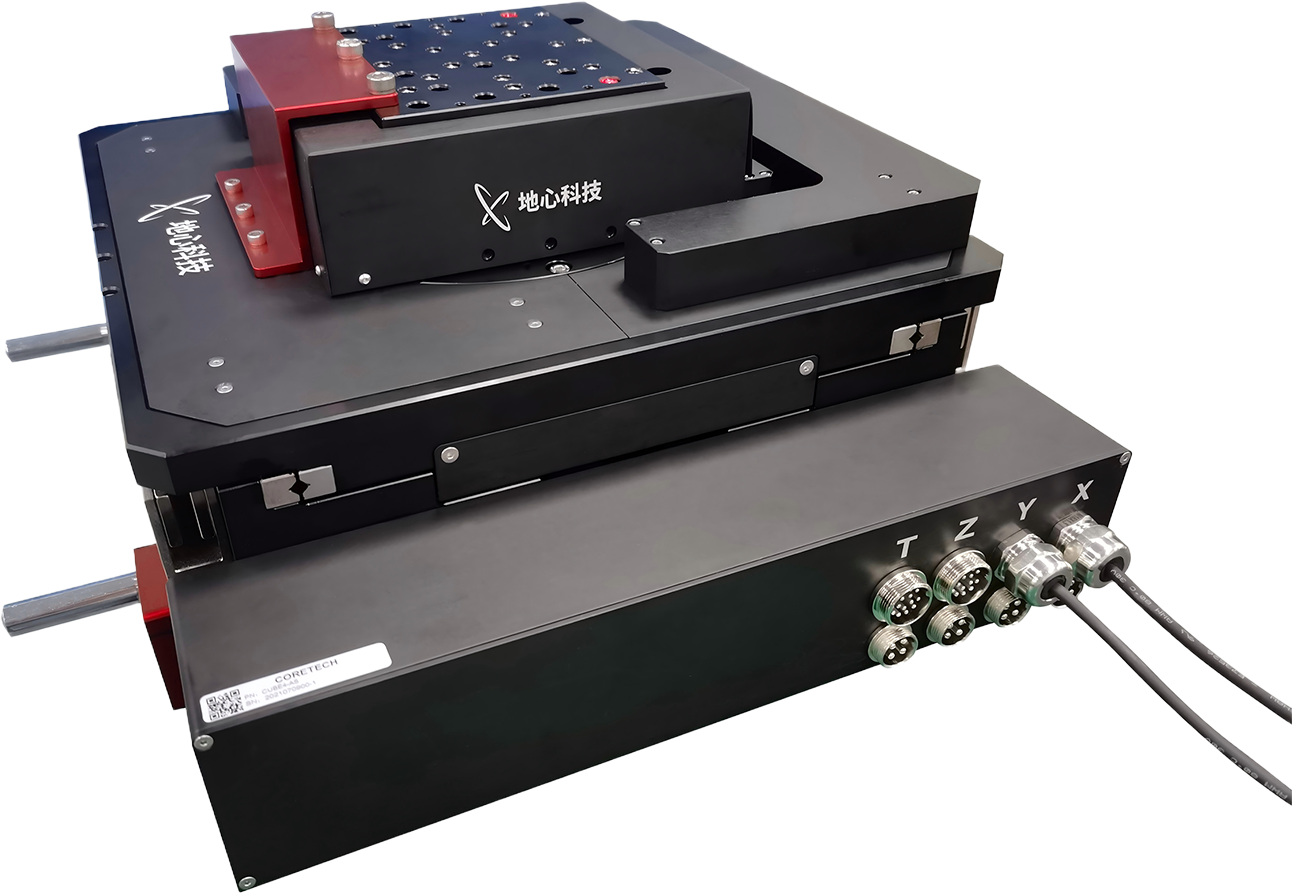
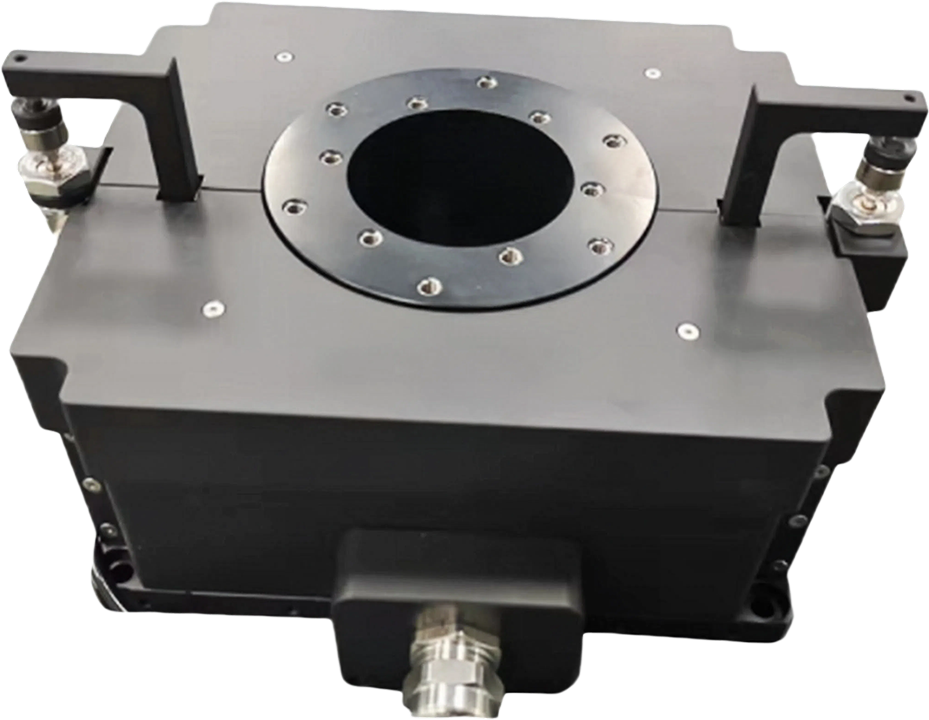
SC Series Stent Processing Platform
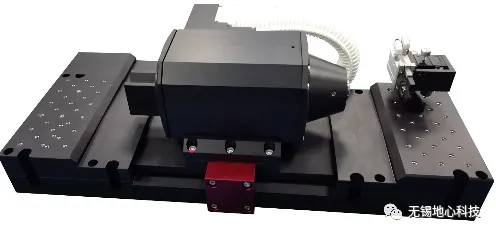
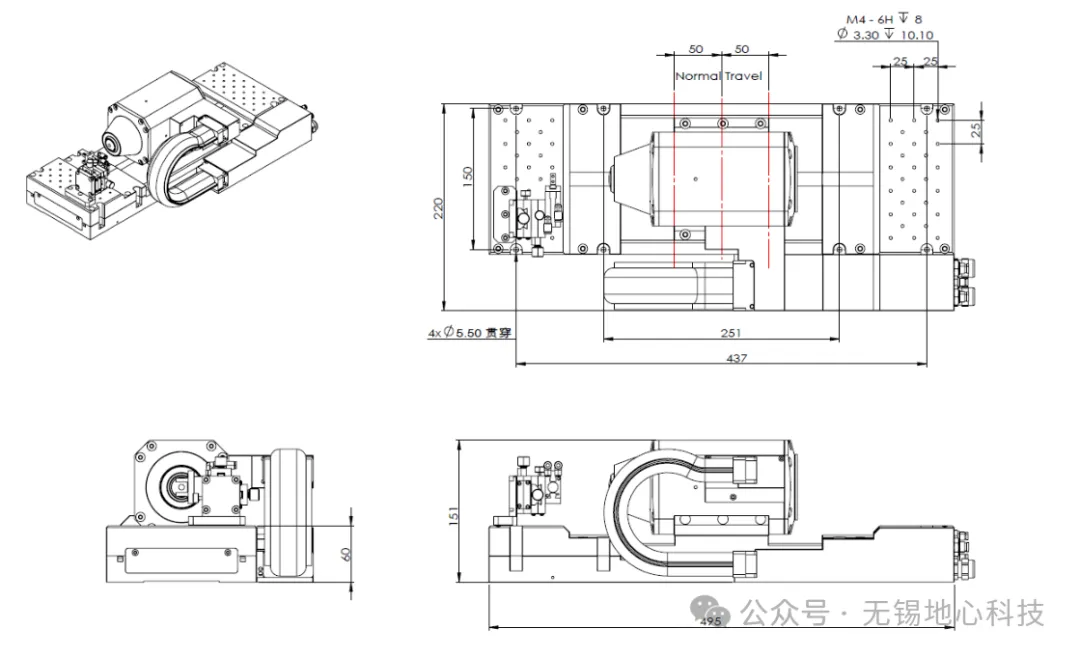
Highly integrated linear‑rotary integrated stage
Equipped with direct‑drive linear motor and direct‑drive rotary motor
Synchronised coordinated motion of linear and rotary axes
Linear axis travel: 100 mm (200 mm and 300 mm models optional)
Collet diameter: customisable from 0.3 mm to 10 mm, with low‑friction rotary unit
Linear axis repeatability: ±200 nm; rotary axis repeatability: ±4 arcsec
Customisable through‑hole and stent loading/unloading options
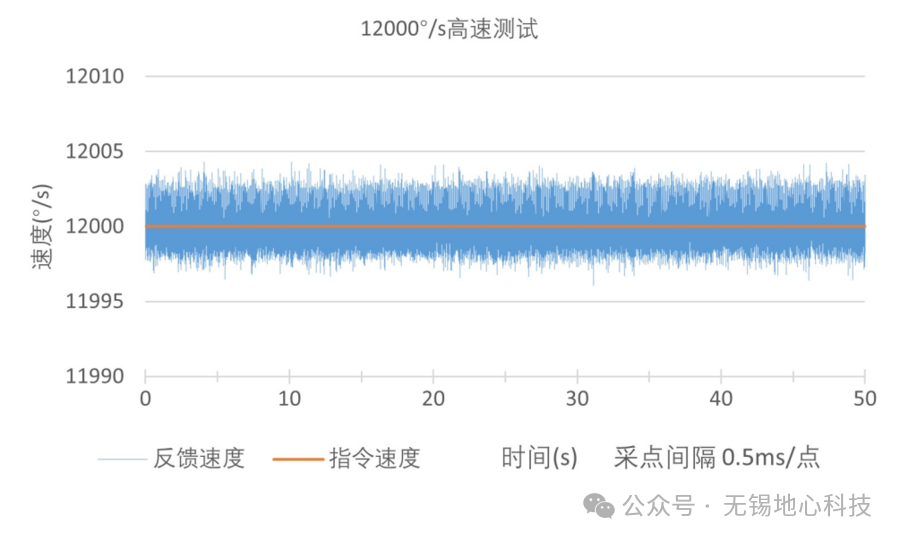
Theta axis maximum speed: better than 1500 rpm
04 Test Results
Coretech's SC Series platform can be equipped with customised fixtures, such as bushing alignment and manual or automatic material pre‑loading. Together with a high‑performance motion controller, it easily achieves linear‑rotary two‑axis interpolation. Based on the synthesised trajectory of the two axes, real‑time position‑based triggering is performed, perfectly synchronising the laser with the cutting path. Matching the current cutting speed maintains optimal laser power coupling, minimising geometric errors in densely contoured features. The platform is widely used in applications such as waveguide processing and cardiovascular stent cutting.
Featured News
Gene Sequencing: Solving Auto‑Focus and Equal‑Interval Triggering Issues to Enhance Measurement Accuracy and Efficiency
2026.06.03
Laser Processing Automation Solutions – Laser Micro/Nano Machining
2026.06.03
Semiconductor Wafer Inspection & IC Packaging Solutions – Die Bonder / Pick‑and‑Place Machine
2026.06.03
 Back to List