

.png)

.png)







Home
 News Center
From "Seeing" to "Scanning with Precision": How Precision Motion Stages Drive the Industrial Leap of High-Throughput Microscopy Imaging
News Center
From "Seeing" to "Scanning with Precision": How Precision Motion Stages Drive the Industrial Leap of High-Throughput Microscopy Imaging
News Center
From "Seeing" to "Scanning with Precision": How Precision Motion Stages Drive the Industrial Leap of High-Throughput Microscopy Imaging
From "Seeing" to "Scanning with Precision": How Precision Motion Stages Drive the Industrial Leap of High-Throughput Microscopy Imaging
 2026-04-20
Share:


From "seeing" to "scanning with precision," high‑throughput microscopes are redefining the boundaries of life sciences and drug discovery at unprecedented throughput. Yet large‑area, nanometer‑level high‑precision imaging is inseparable from precision motion stages. From fast raster scanning to rapid Z‑axis focusing, the precision XYZ 3‑axis motion stage is the motion center that determines the imaging limits, operational efficiency, and long‑term stability of high‑throughput microscopy.
01 Industry Background
Since the advent of the first compound microscope in 1590, humanity has never ceased its exploration of the microscopic world.
It was not until 1997, when Cellomics (USA) developed the first high‑content, high‑throughput screening technology platform, that the era of automated, large‑scale microscopy analysis truly began. More than two decades later, this field continues to accelerate. According to Straits Research, in the spatiotemporal omics segment at the forefront of life sciences, the global market size was approximately USD 355 million in 2025 and is projected to reach USD 735 million by 2033, with the Asia‑Pacific region being the fastest‑growing area. Whether in basic research, drug screening, or clinical diagnostics, demand for high‑throughput microscopy imaging equipment is steadily increasing, and the requirements for precision and efficiency of such equipment are becoming ever more stringent.

(Image: Spatiotemporal transcriptomics and proteomics multi‑omics analysis, source: BGI Space)
However, behind this rapid market growth lies a long‑overlooked fact: there is often a significant gap between the "specified performance" of many instruments and their actual operational performance—and the root cause of this gap frequently resides in the motion stage, which serves as the core foundation layer.
02 Technical Challenges
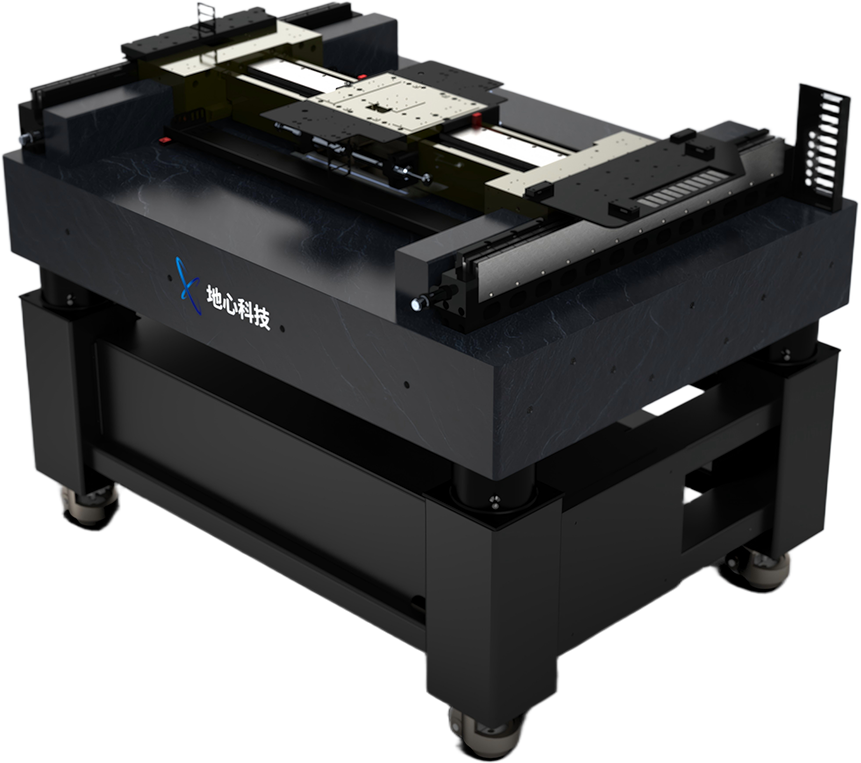
The essence of high‑throughput microscopy lies in automated scanning imaging. The precision motion stage that carries the sample and controls its movement trajectory is precisely the "skeleton" and "joints" that enable the entire system to operate flexibly. High‑throughput microscopy imaging typically requires precise control over all three XYZ axes: the XY directions execute rapid large‑area raster scanning, while the Z axis performs real‑time dynamic focusing to ensure that every image frame is captured on the focal plane.
This process presents multiple technical challenges. First, there is an inherent conflict between large travel and high positioning accuracy—the larger the travel, the more pronounced the effects of mechanical deformation, guideway errors, and other factors.
In practice, after the stage completes a "serpentine" scan covering dozens or even hundreds of fields of view, sub‑micron‑level offsets often appear between the first and last sub‑images. Such offsets are imperceptible in a single image, but when stitching the images into a panorama, they may cause cell contours to break, adjacent images to overlap, or black borders to appear. For downstream image analysis algorithms, misaligned stitched images directly lead to recognition failures, forcing operators to manually correct or rescan—turning a process originally designed for "high throughput" into inefficient manual labor.
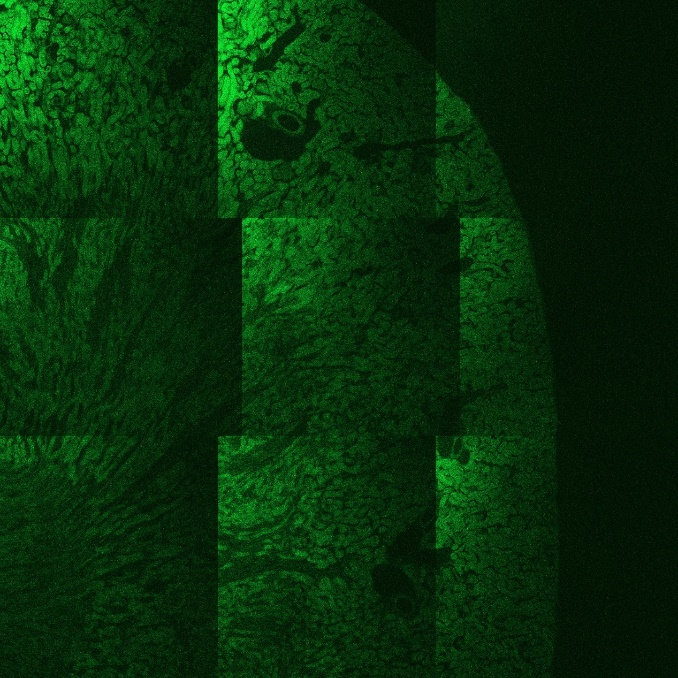
(Image: Example of visible shading and stitching marks in a large‑field image, source: Zeiss)
Second, balancing high‑speed scanning with low vibration is particularly challenging. The shock and residual vibration generated during stage acceleration/deceleration and direction changes directly affect imaging quality. Yet high‑throughput microscopy precisely requires maintaining stitching consistency across all sub‑images during large‑area scans; even slight errors can cause misalignment or defocus.
Even more critical is the Z axis: when scanning multi‑well plates or glass slides with flatness errors, the Z axis must track the focal‑plane variations in real time. If the Z‑axis response speed is insufficient, or if overshoot occurs during settling, the camera will acquire images outside the focal plane, resulting in blurry images. In high‑value applications such as drug screening, blurred images may mask true cellular responses, leading to false‑negative or false‑positive conclusions.
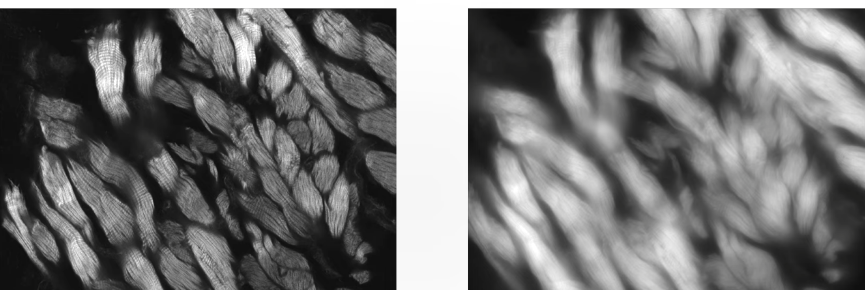
(Image: Comparison of in‑focus and out‑of‑focus images, source: PhotonBay Technology)
In addition, long‑term operational stability, repeatability positioning accuracy, and control system response speed directly determine the equipment's overall performance ceiling. Ultra‑precision measurement and precision motion control are critical enabling technologies that represent a common core component for many high‑end equipment systems. Without a reliable motion stage, the imaging capabilities of high‑throughput microscopes would be unattainable.
03 Our Solution
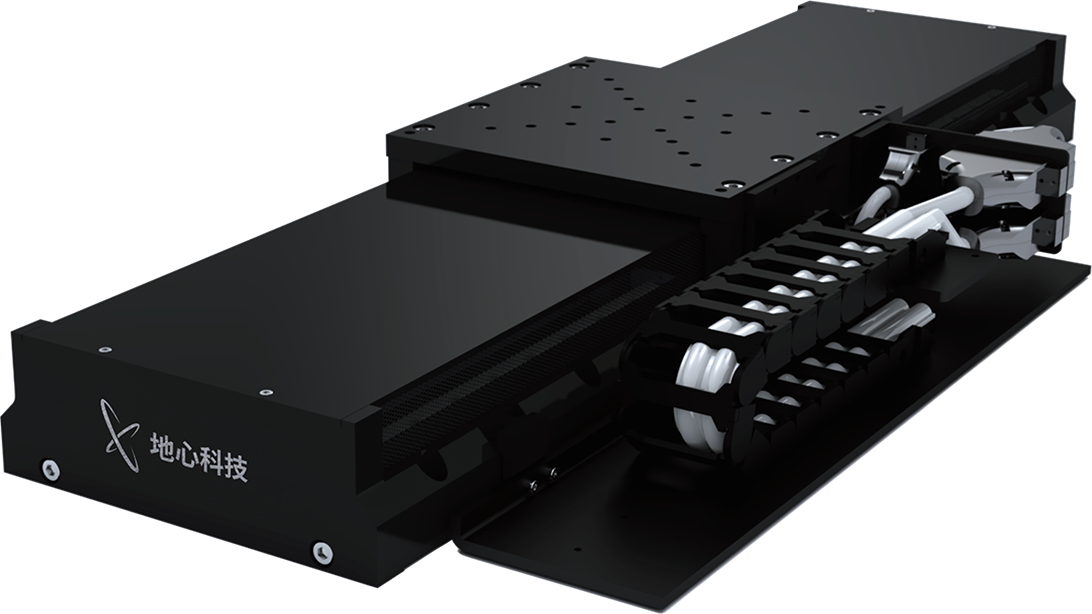
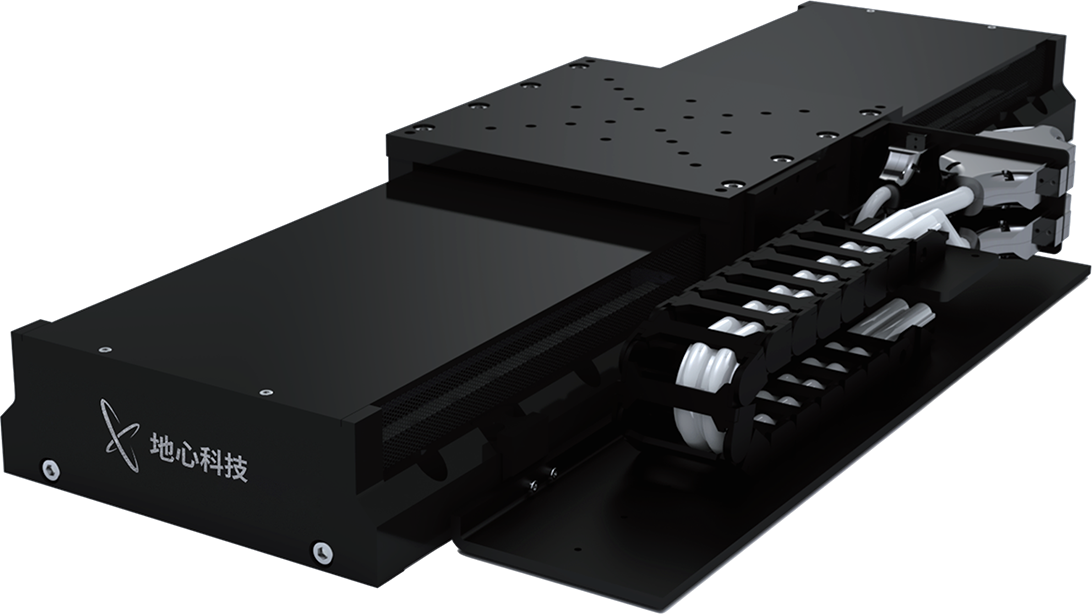
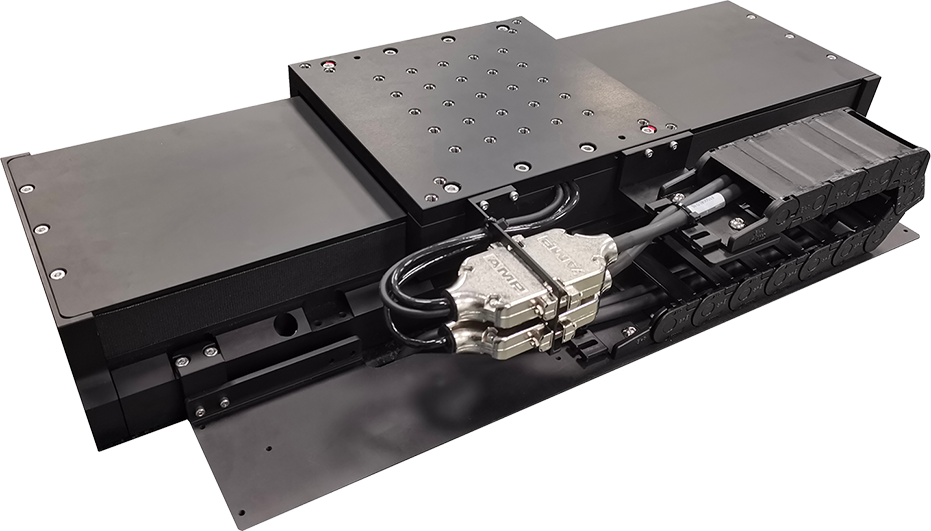
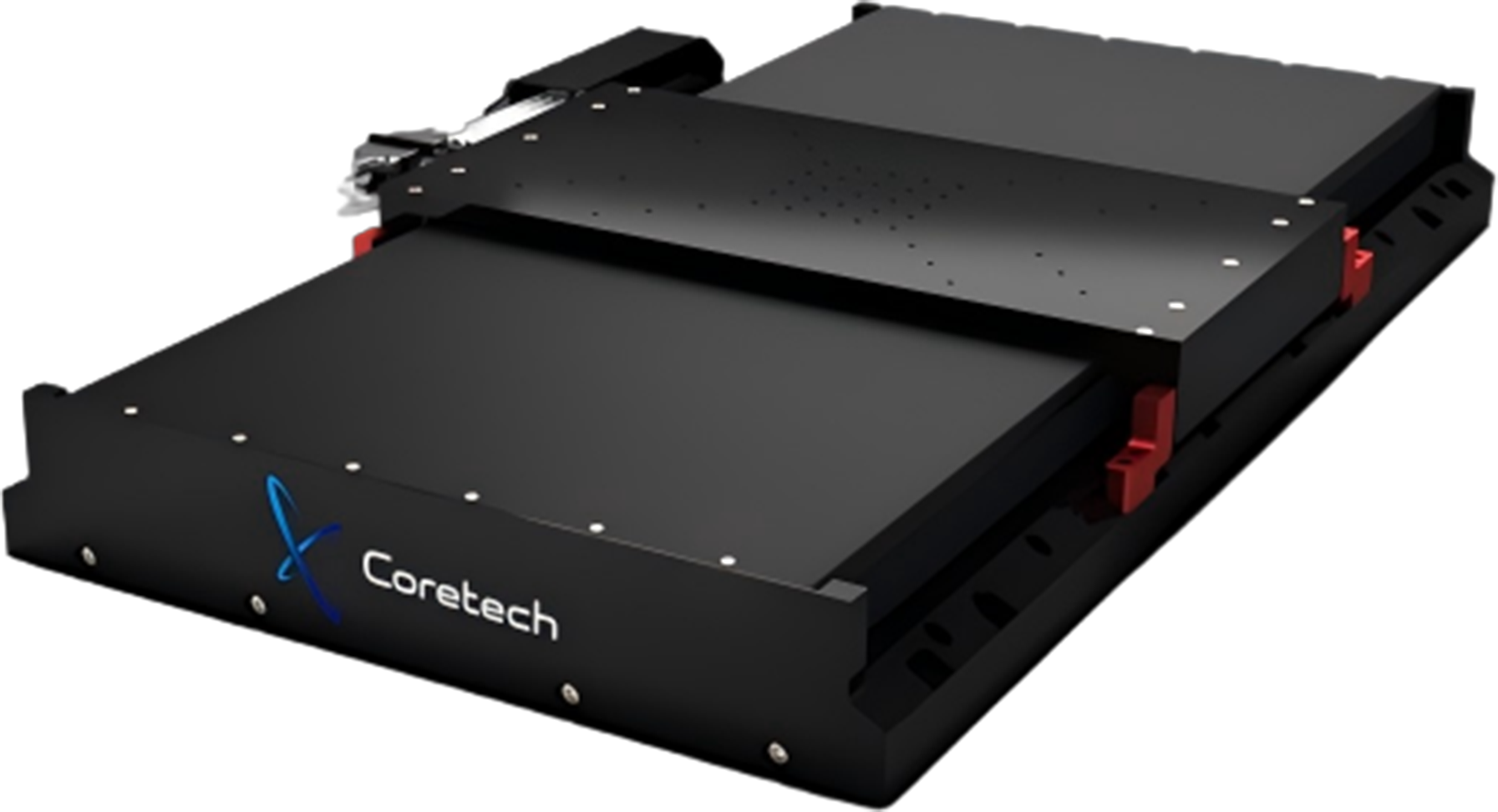
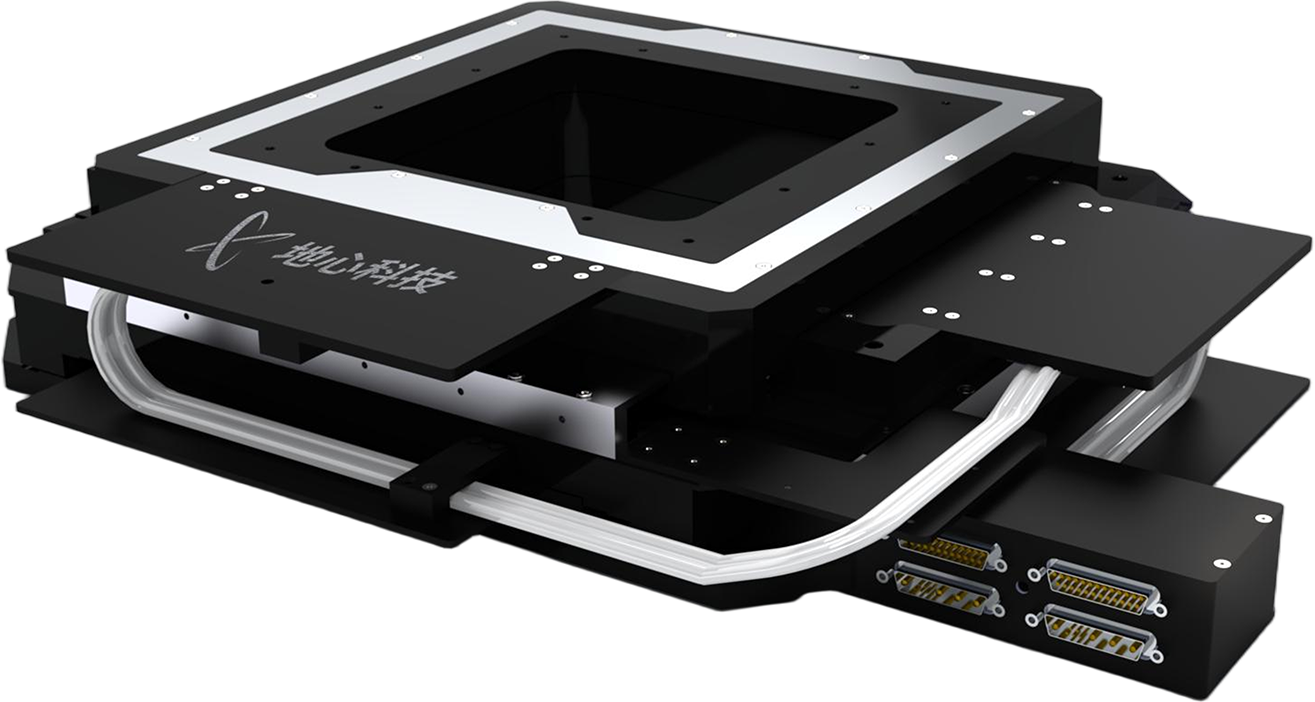
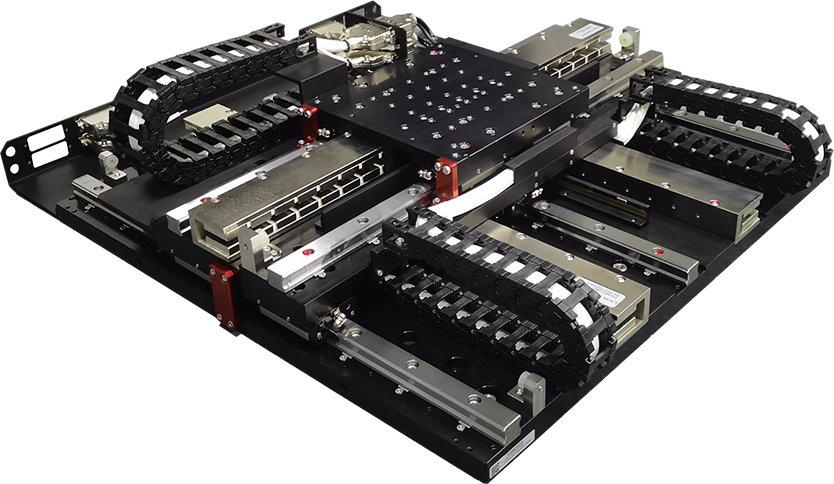
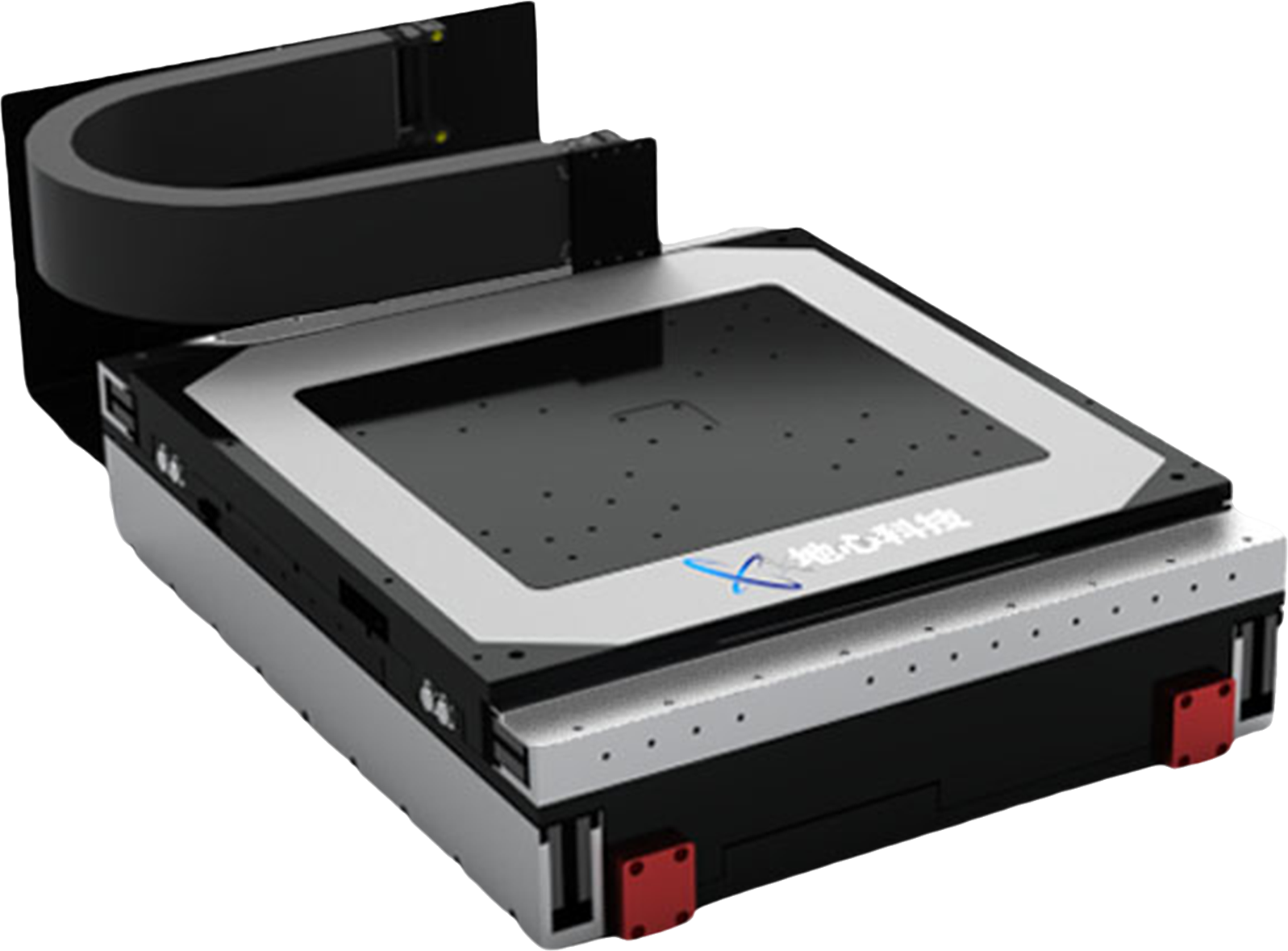
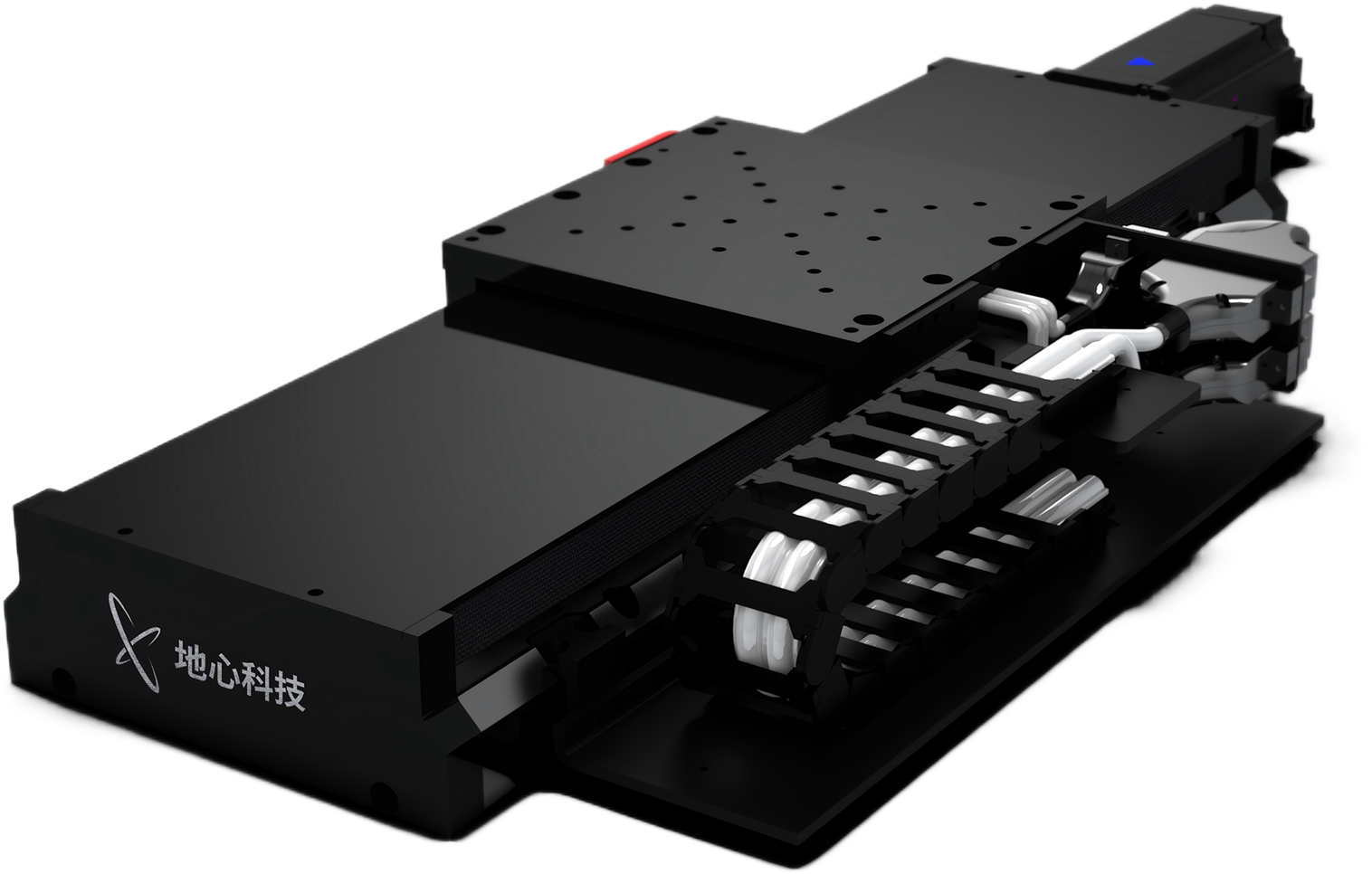
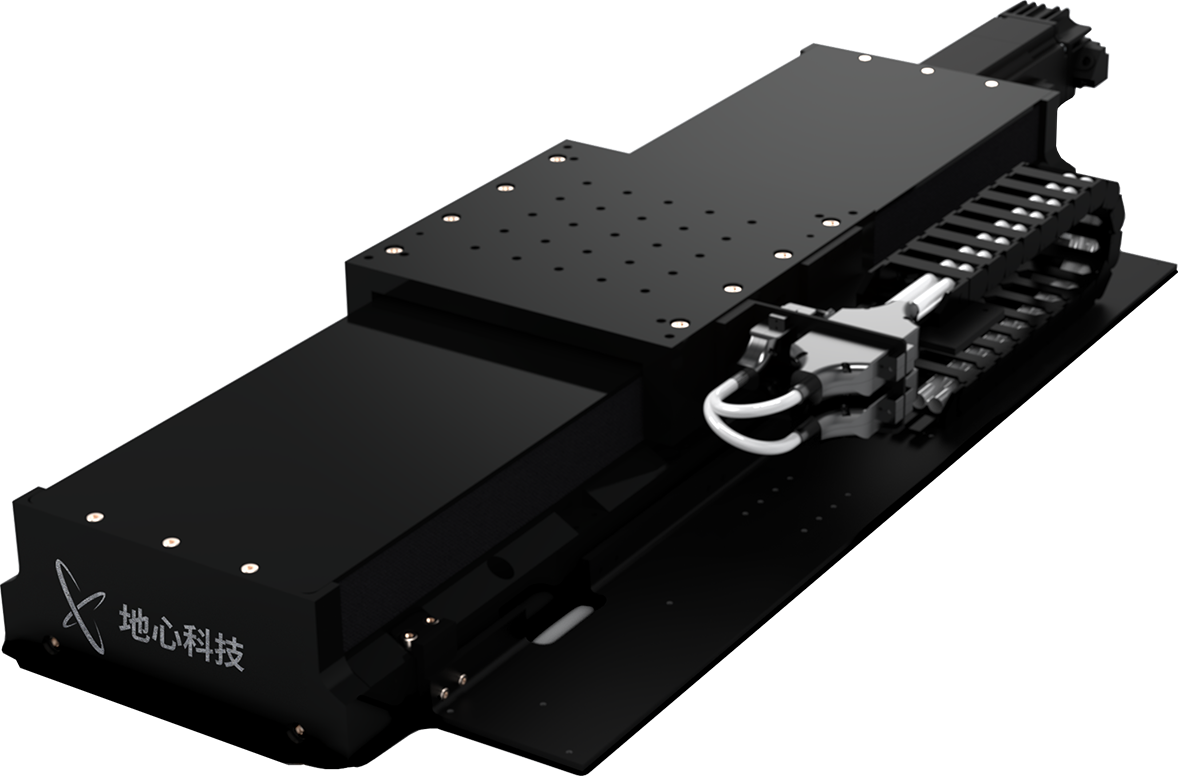
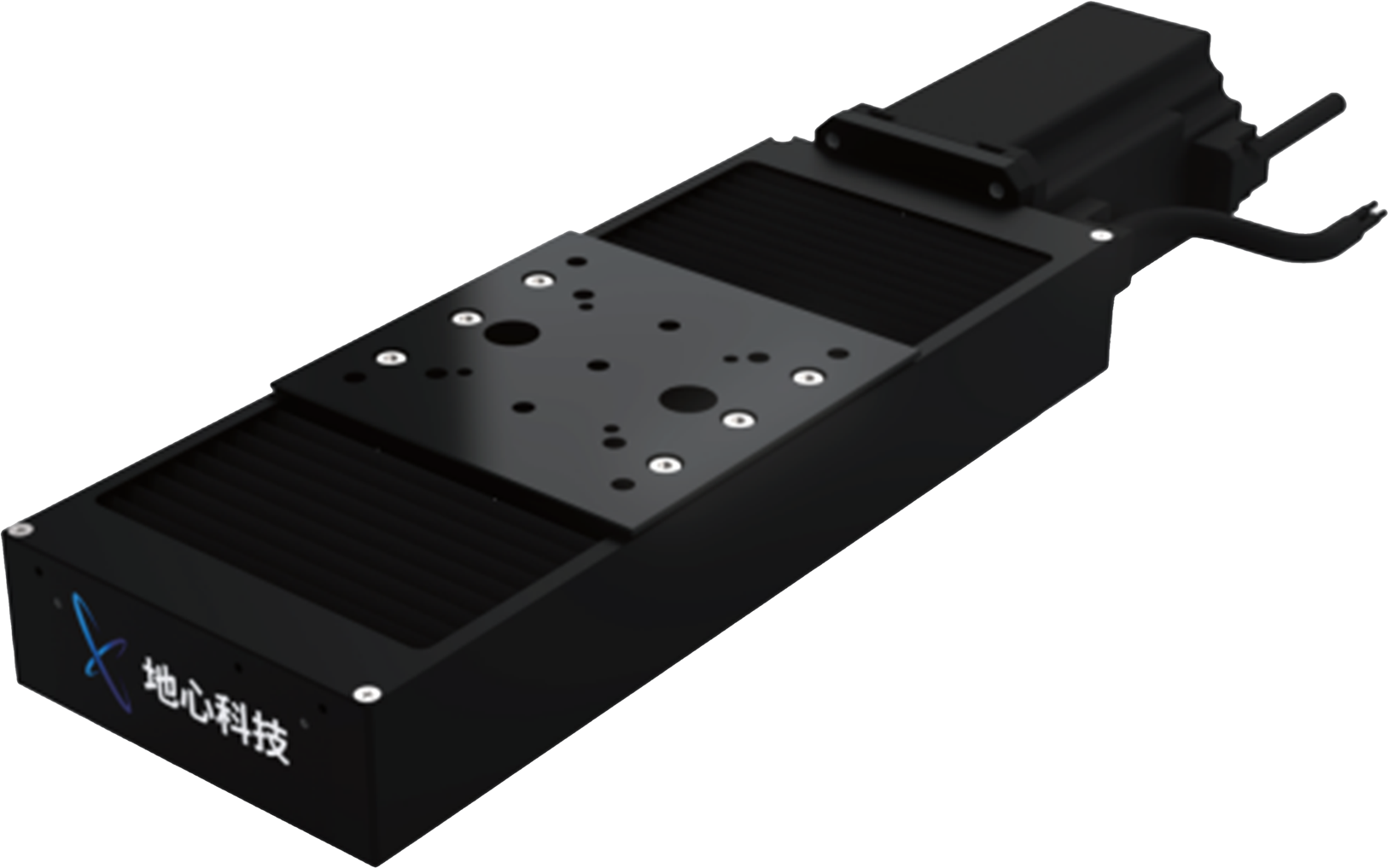
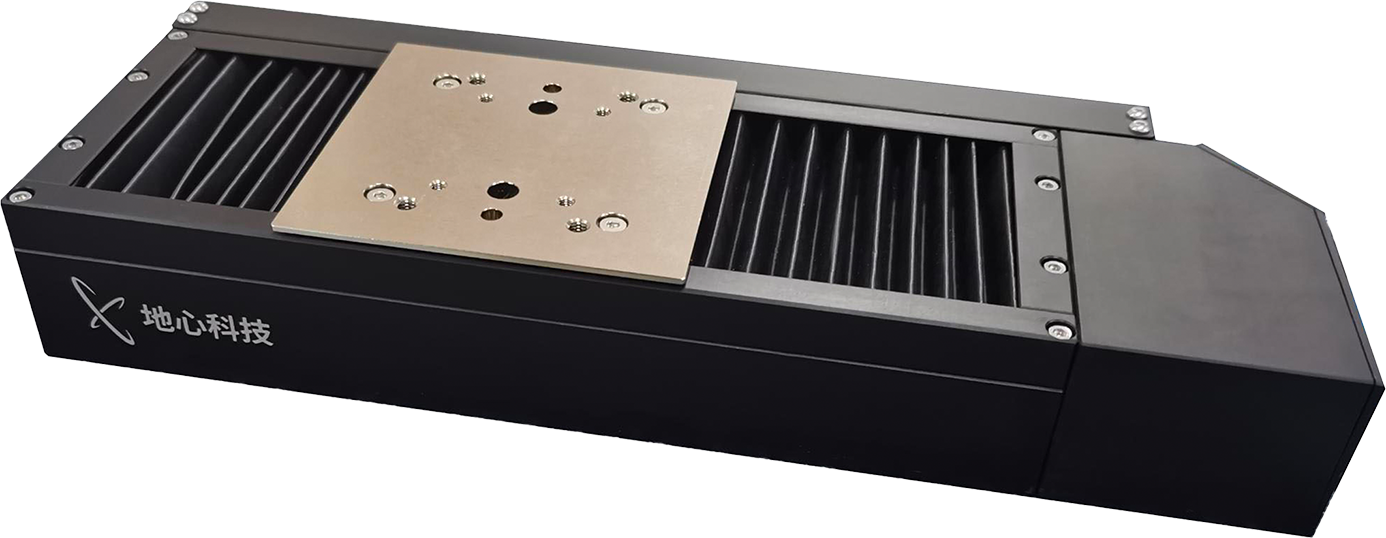
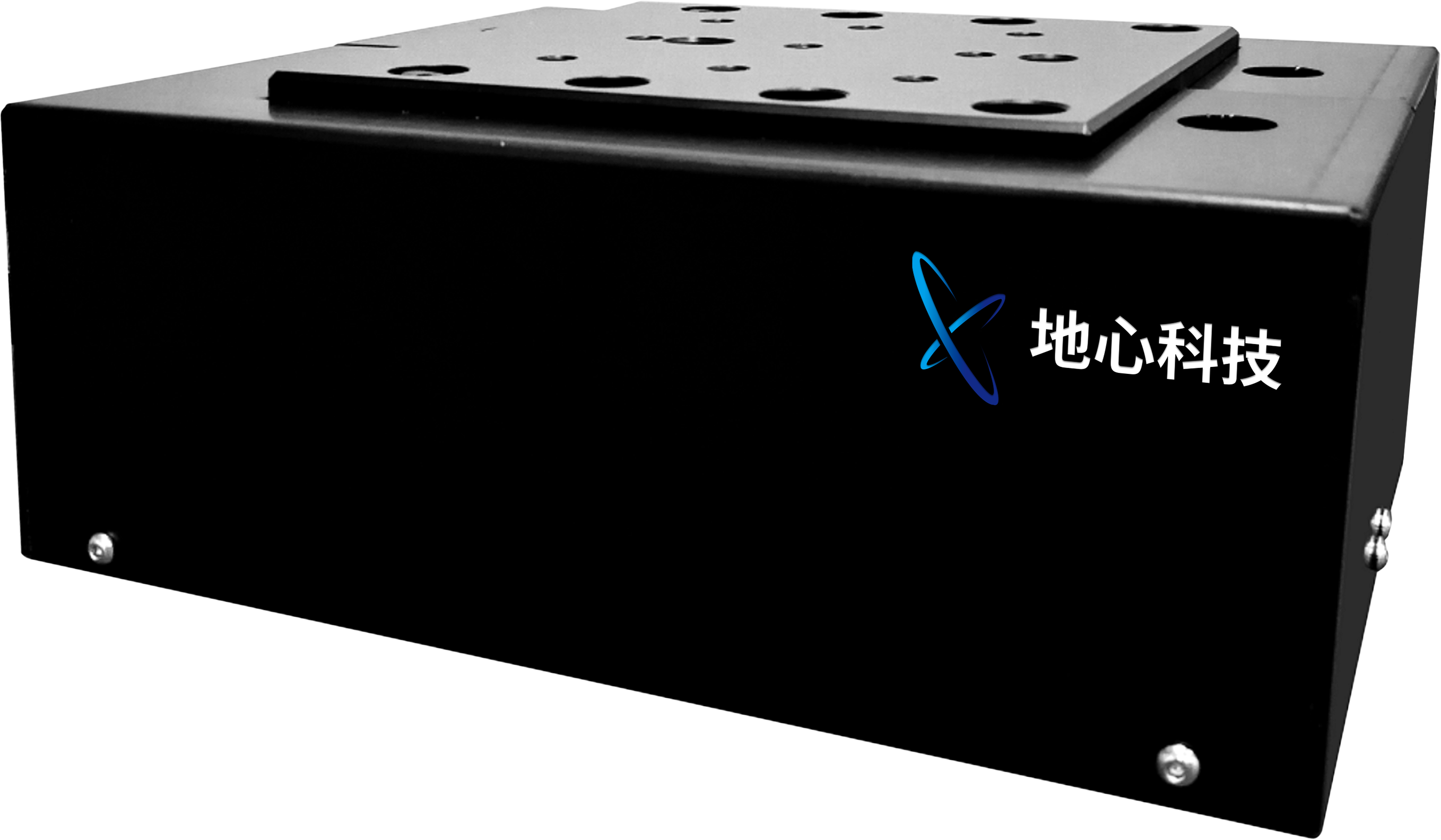
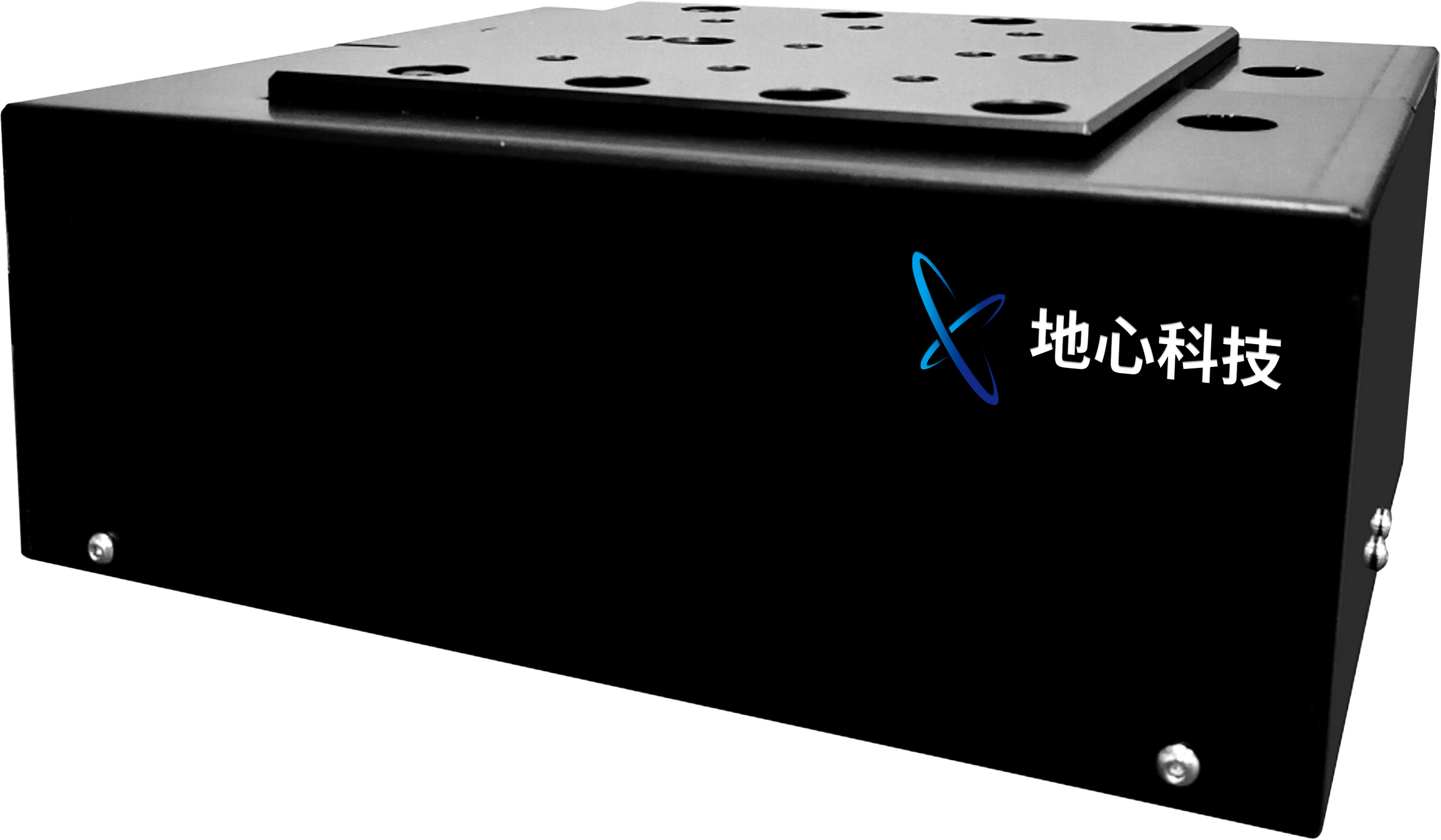
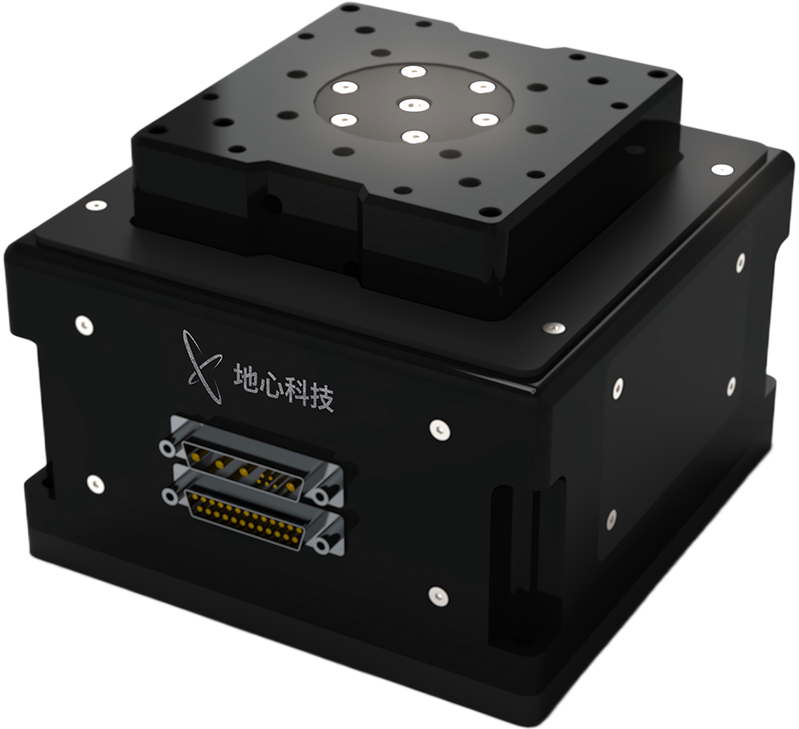
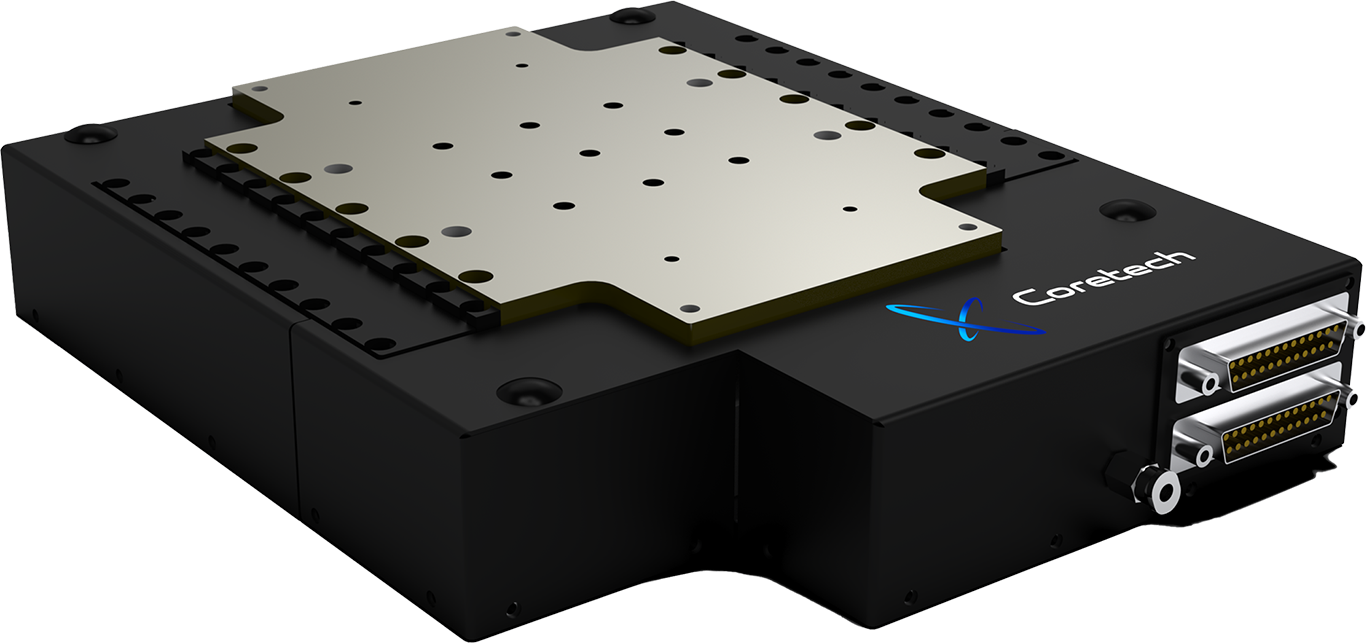
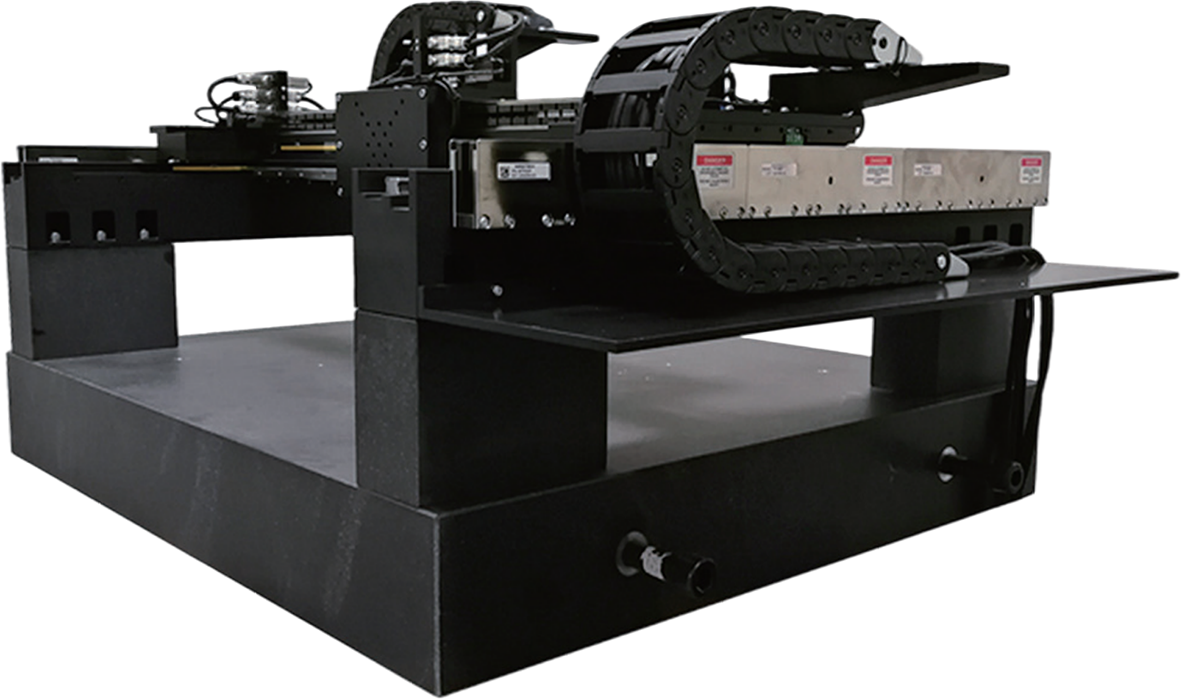
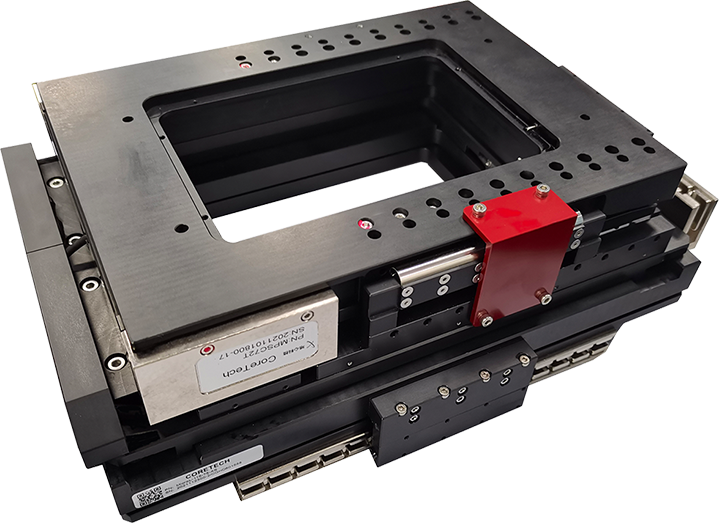
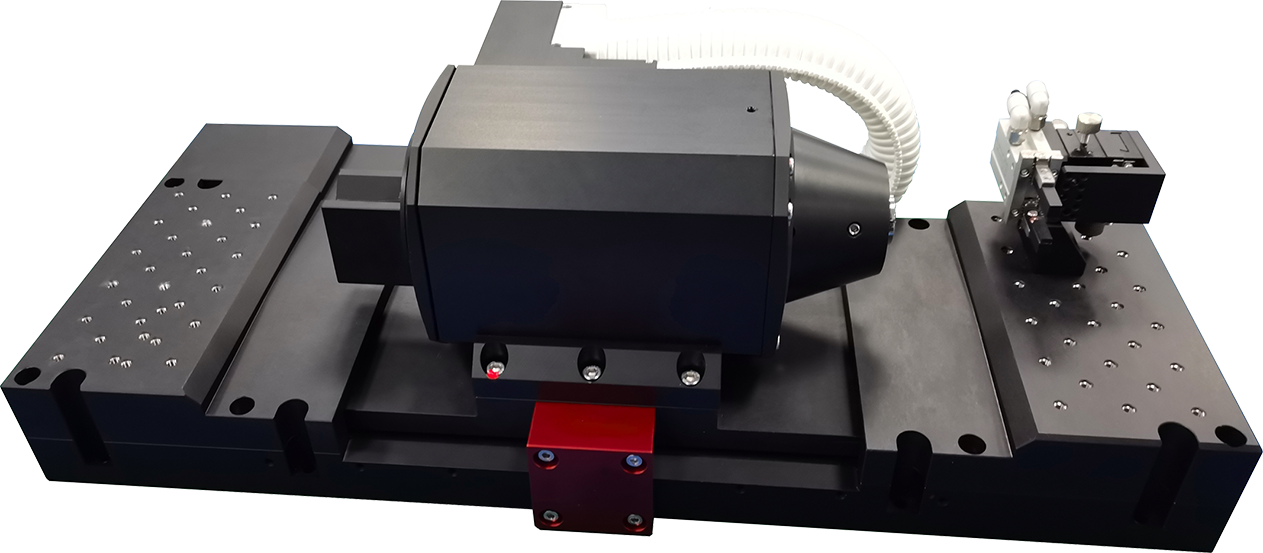
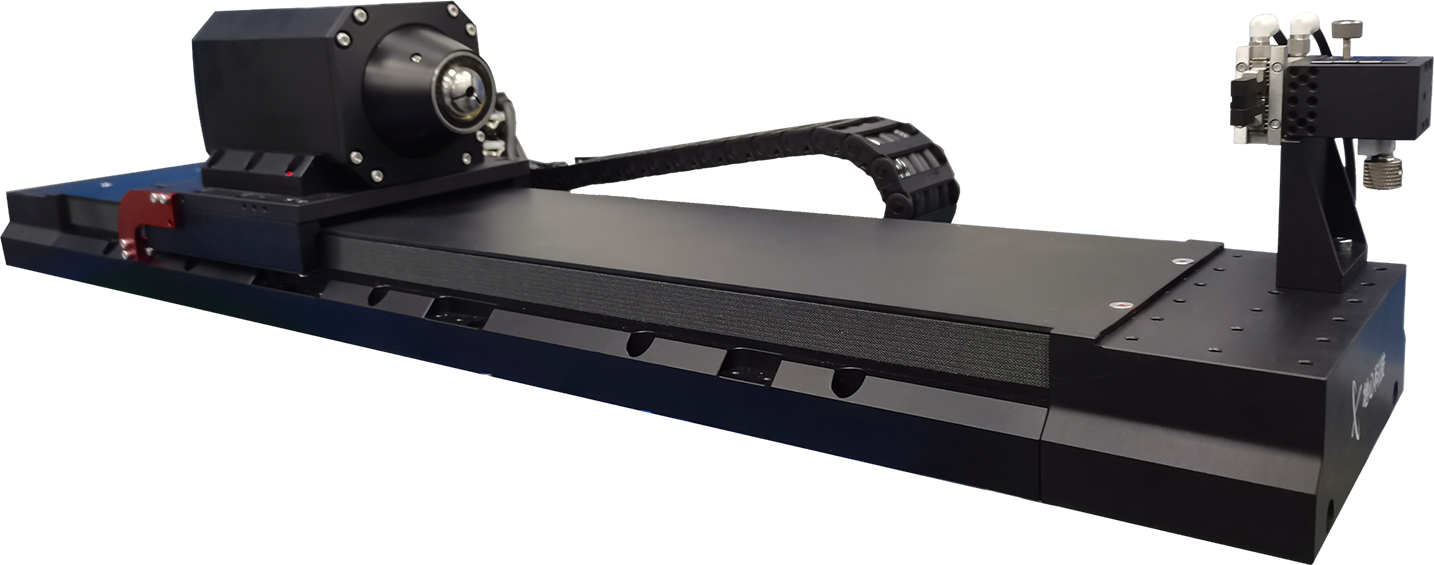
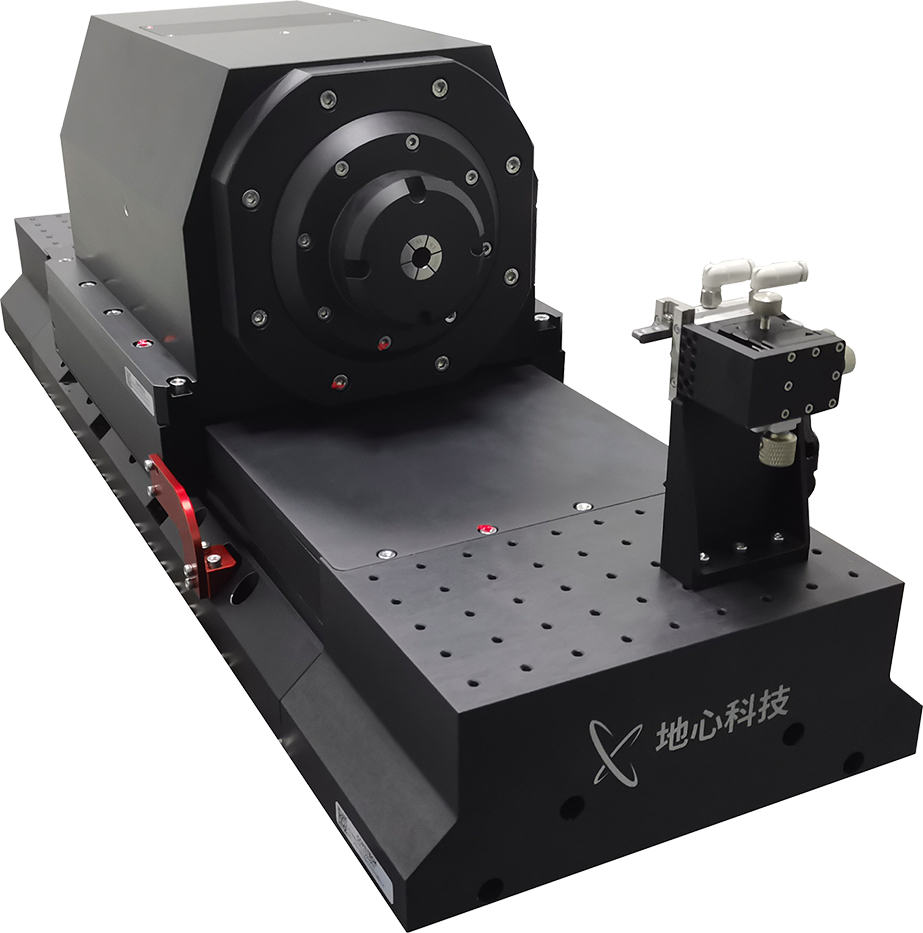
To address these core industry pain points, Wuxi Ground Motion Technology has been deeply engaged in the field of high‑precision motion control. Leveraging years of technical expertise, we have launched the MicroL‑Z series 3‑axis microscope stage and established deep collaborative partnerships with leading domestic high‑throughput microscopy companies. With our independently developed technology, we have solved the critical "bottleneck" of core motion components for domestically produced high‑throughput microscopes.
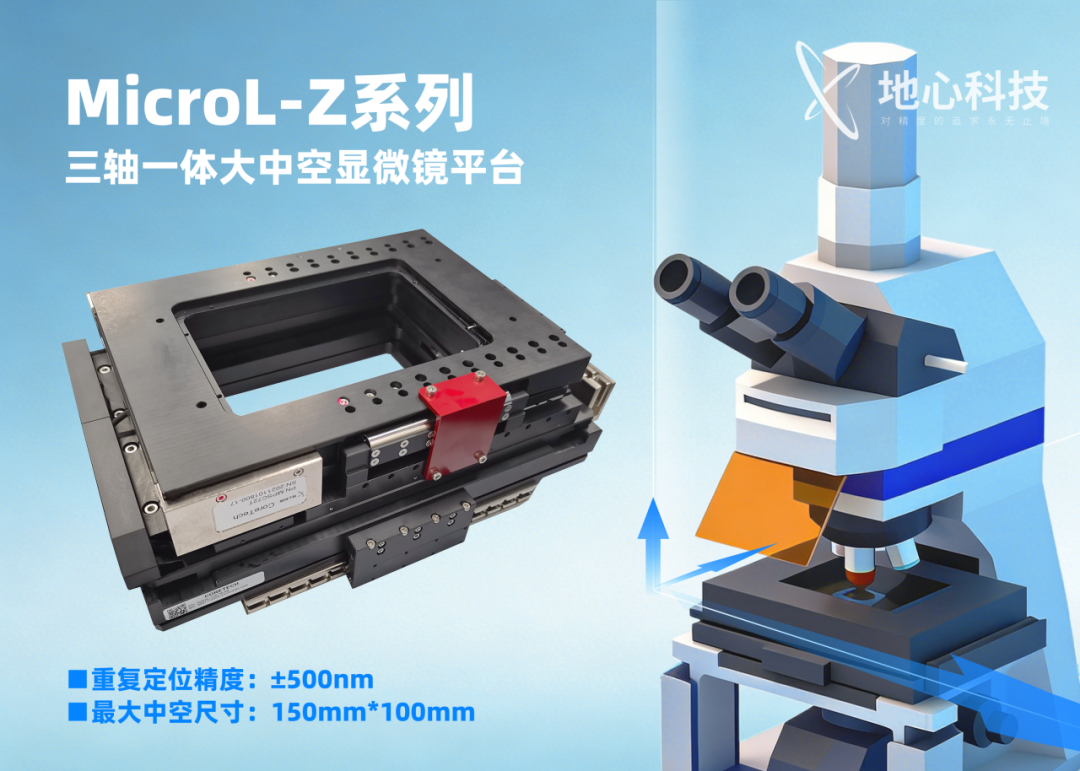
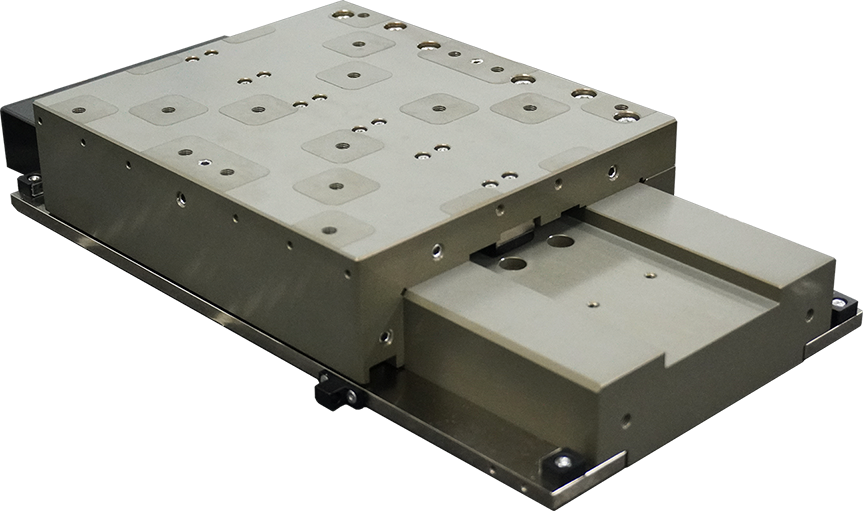
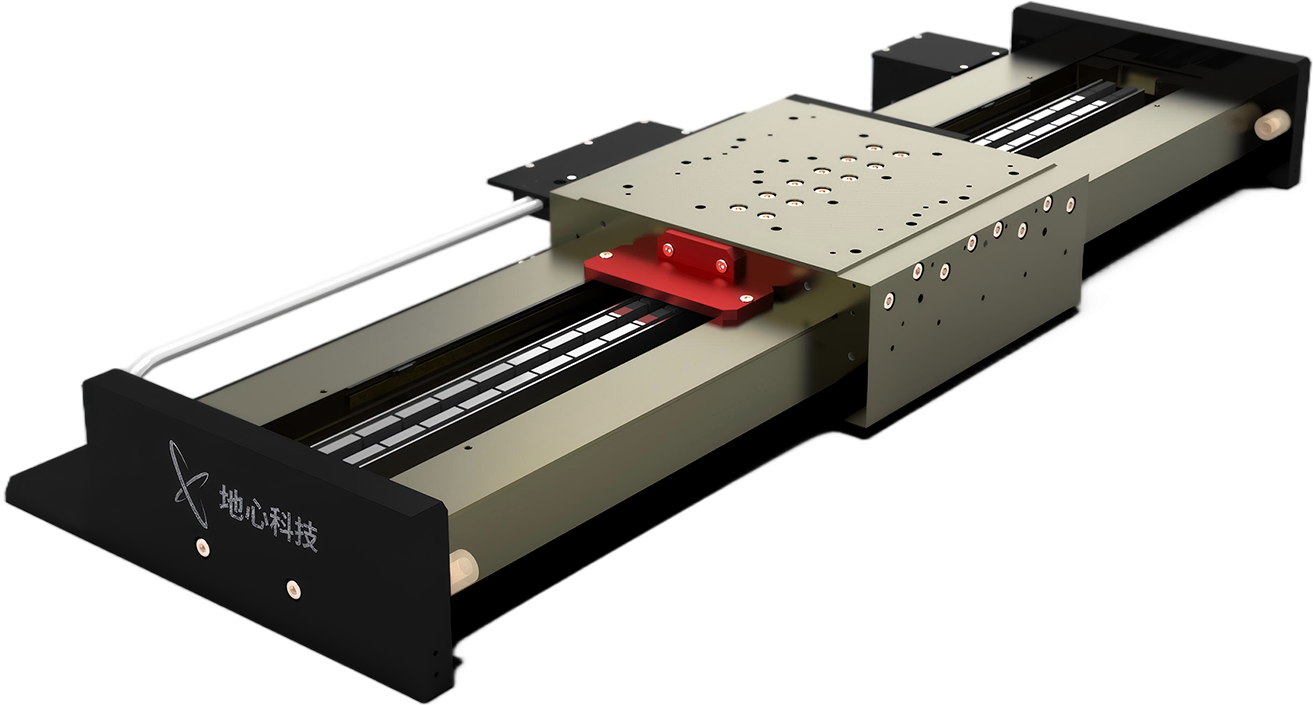
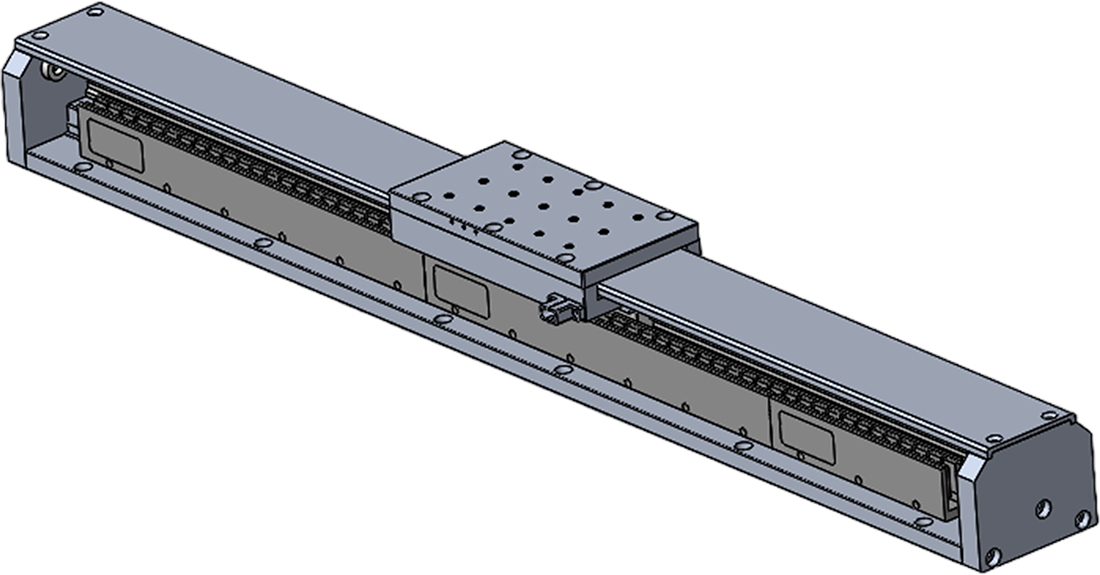
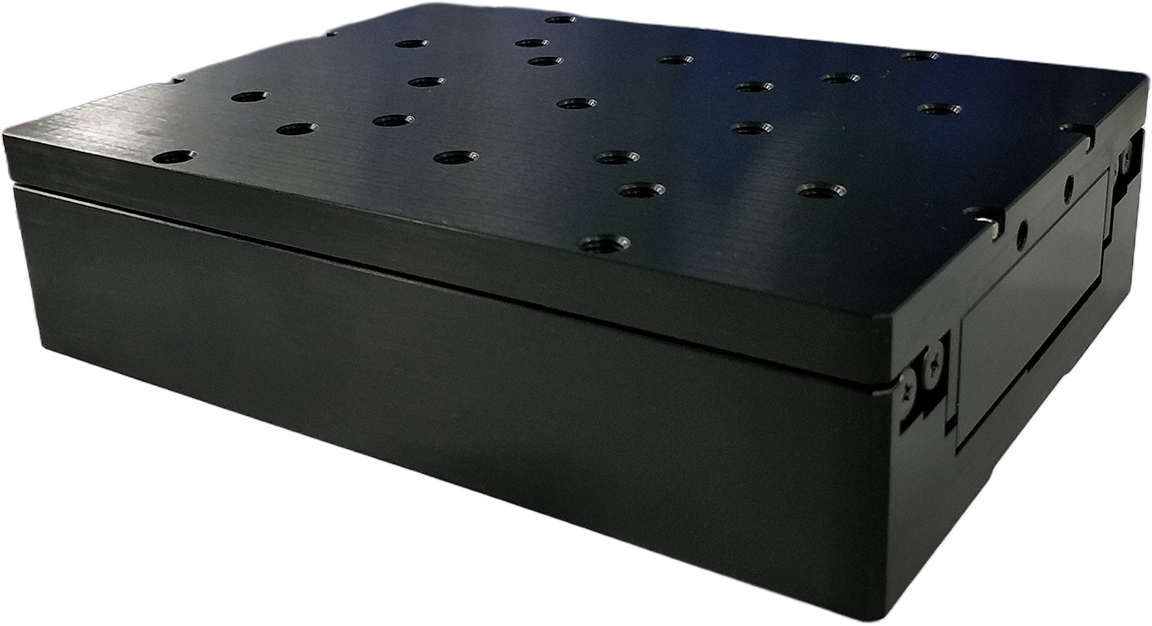
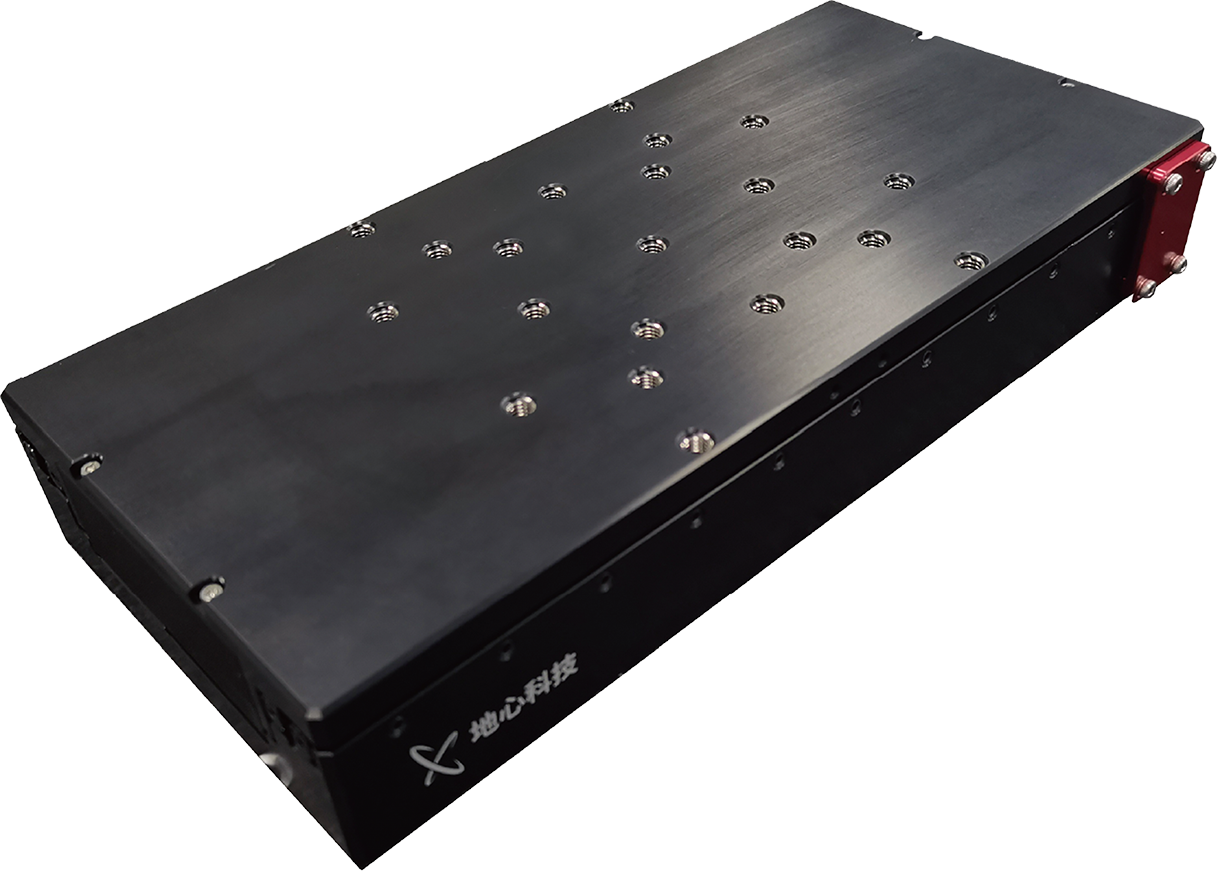
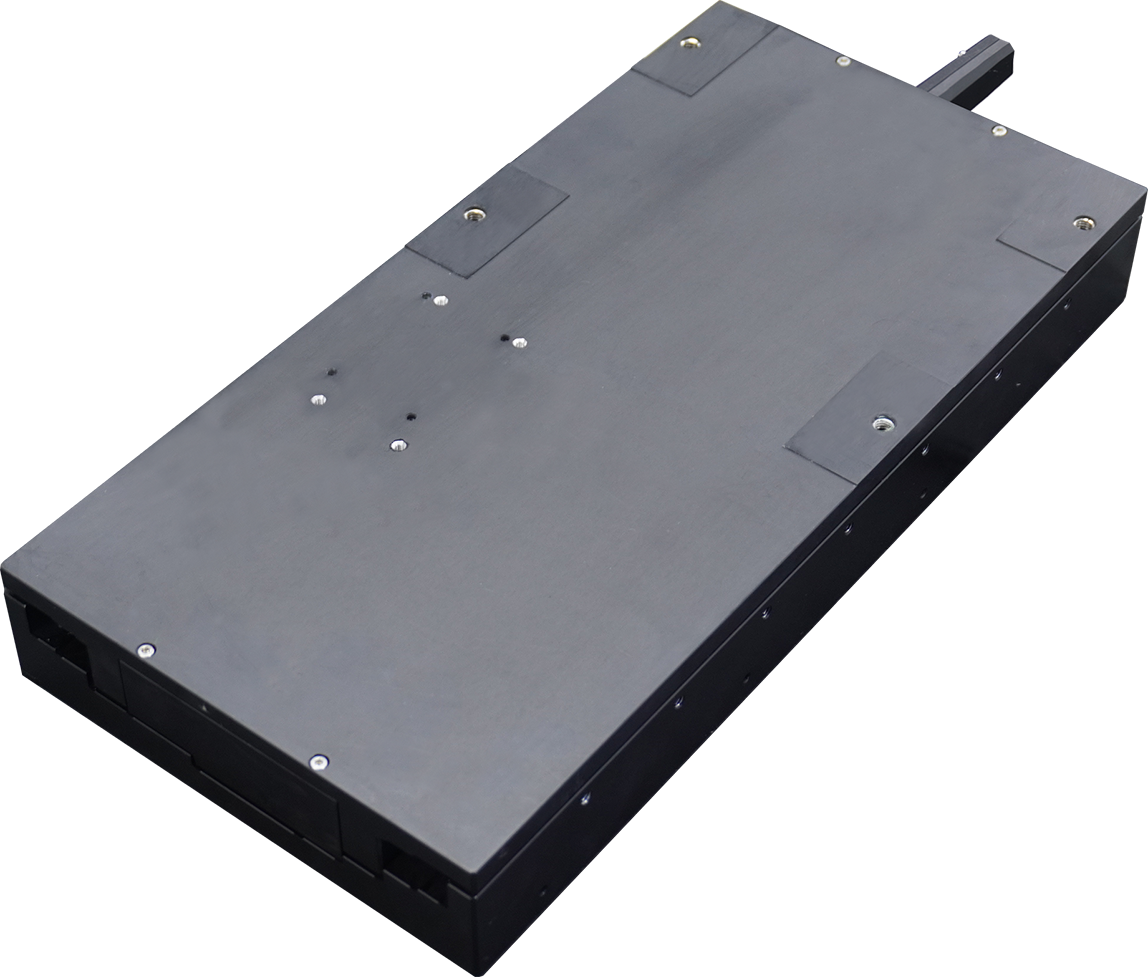
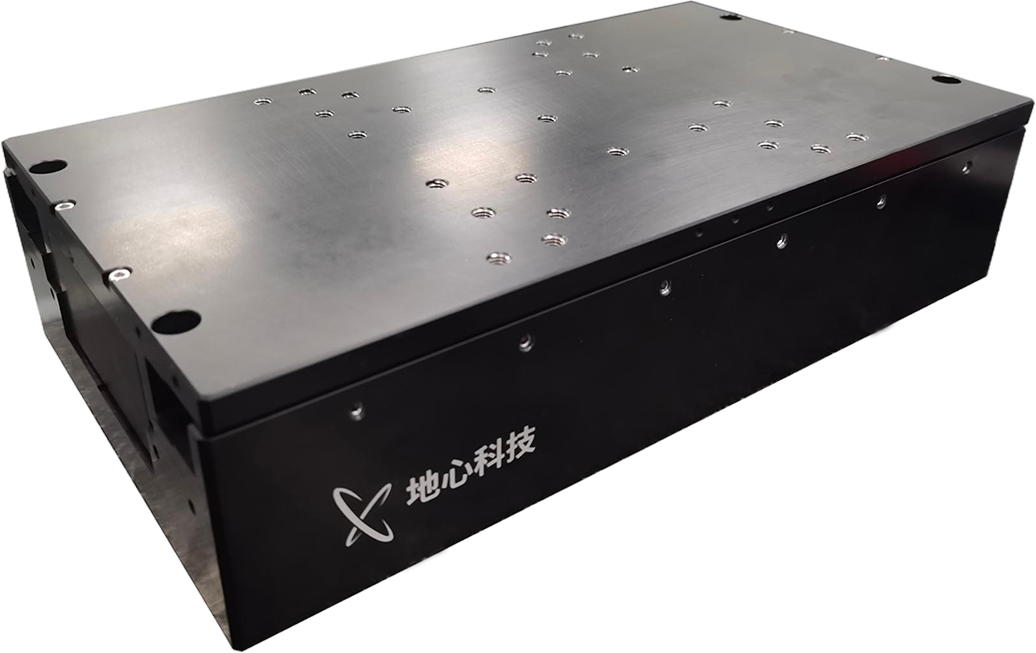
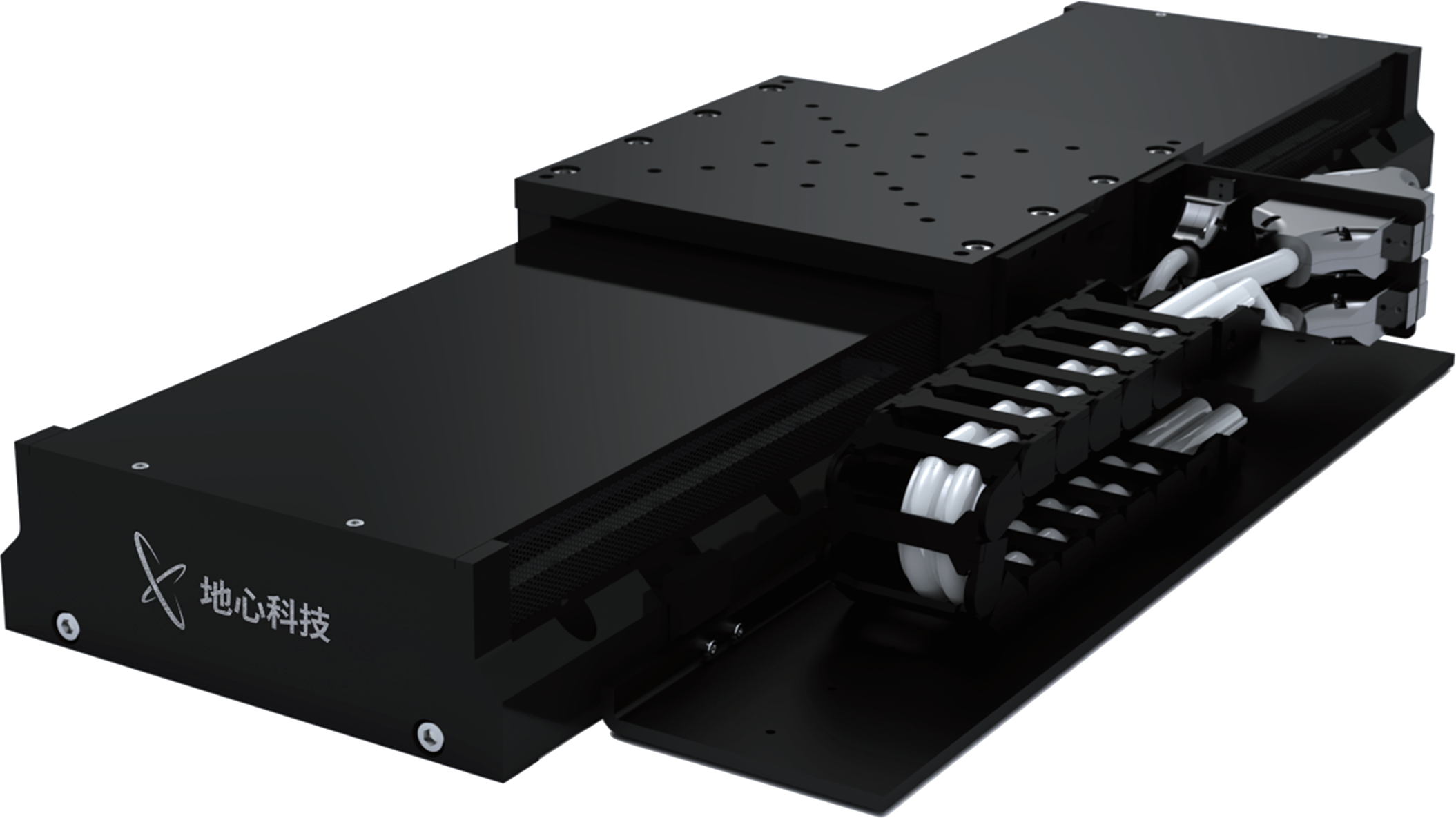
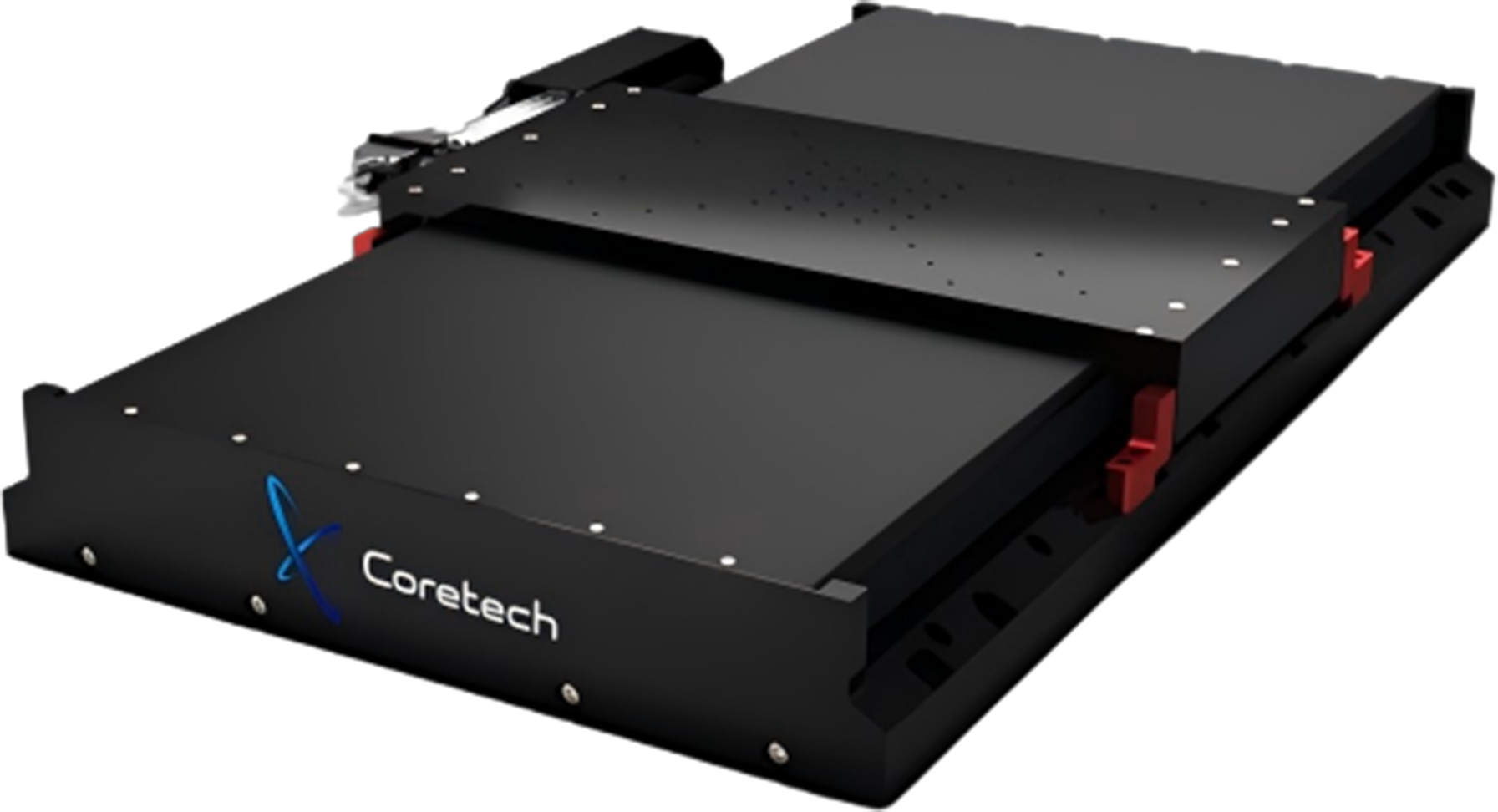
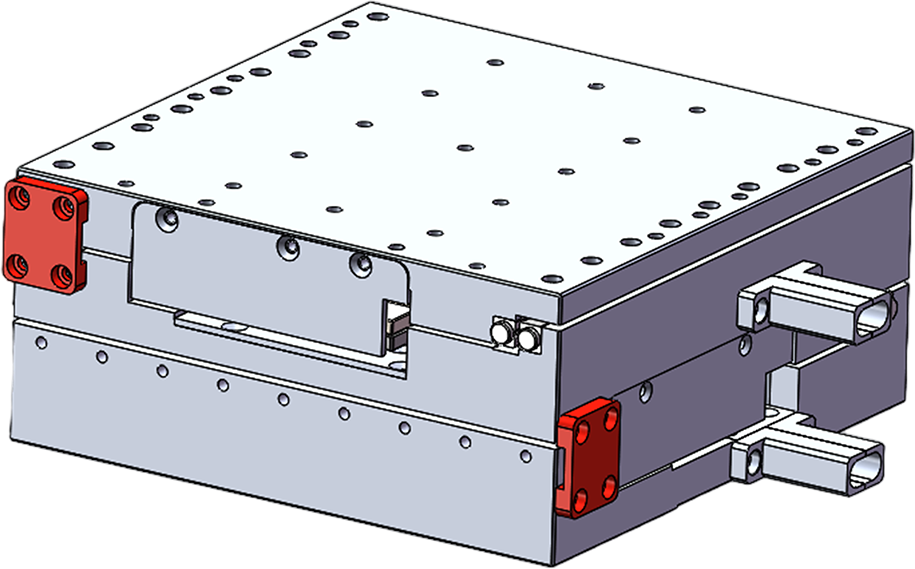
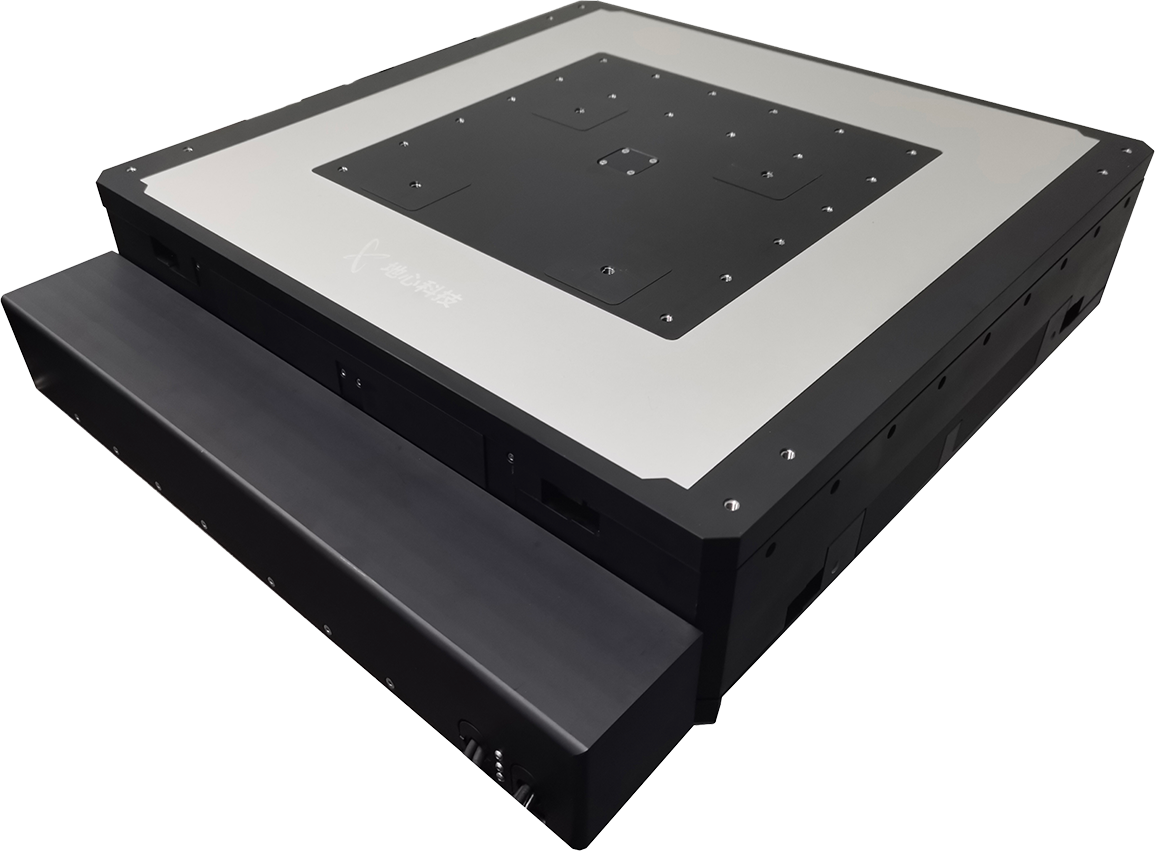
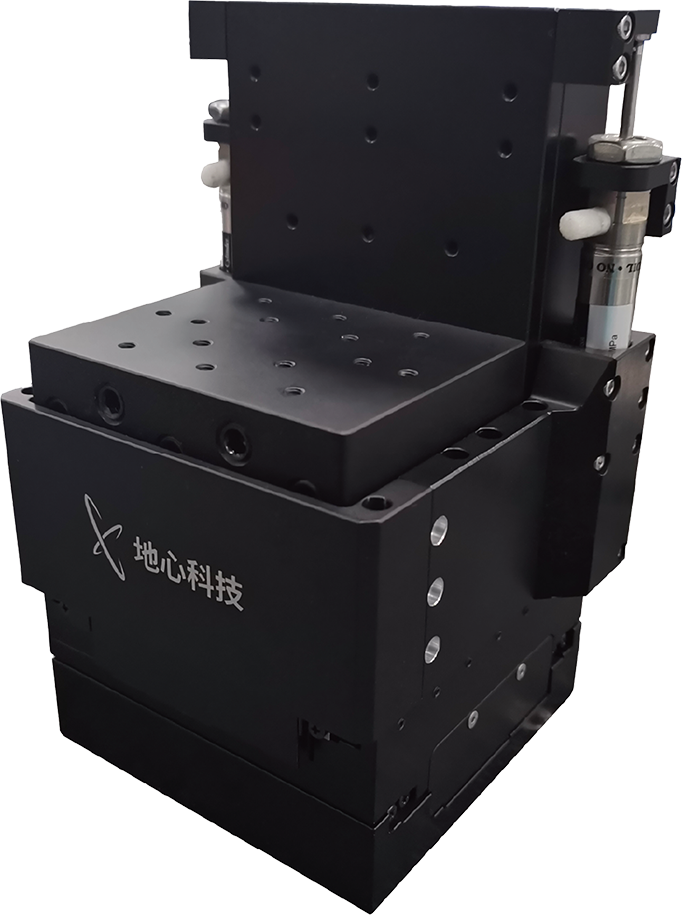
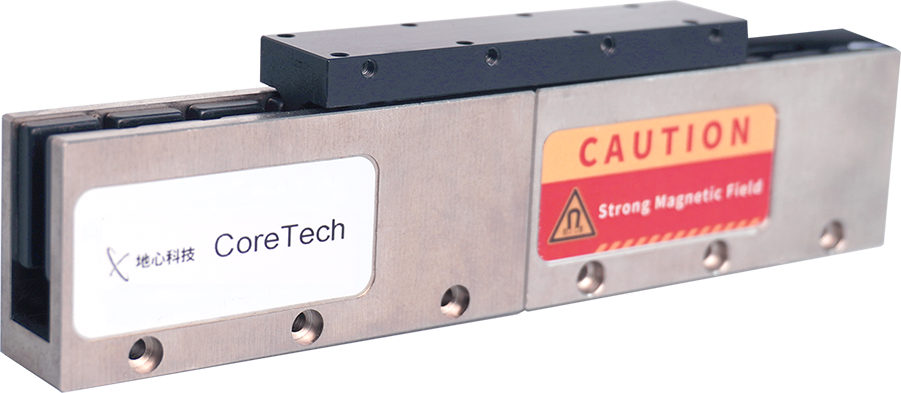
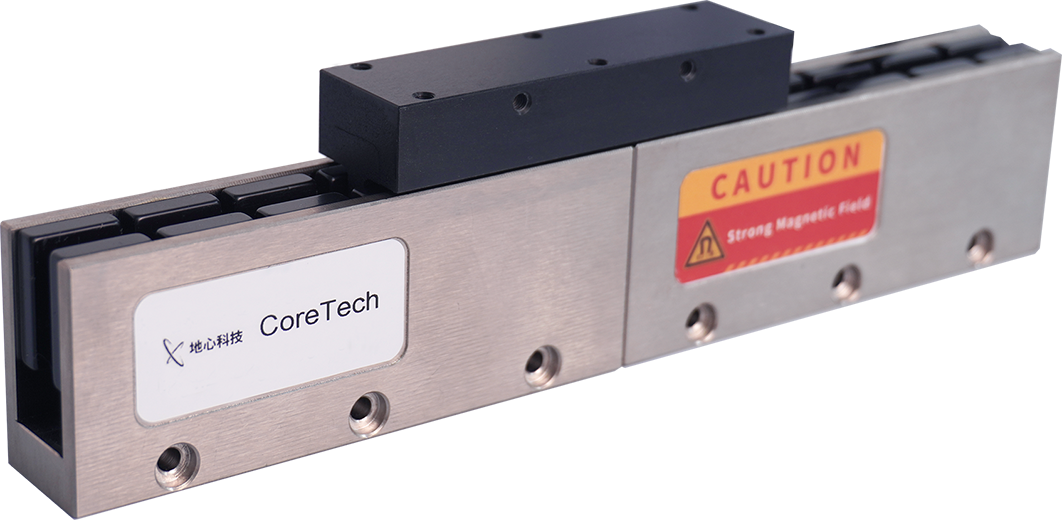
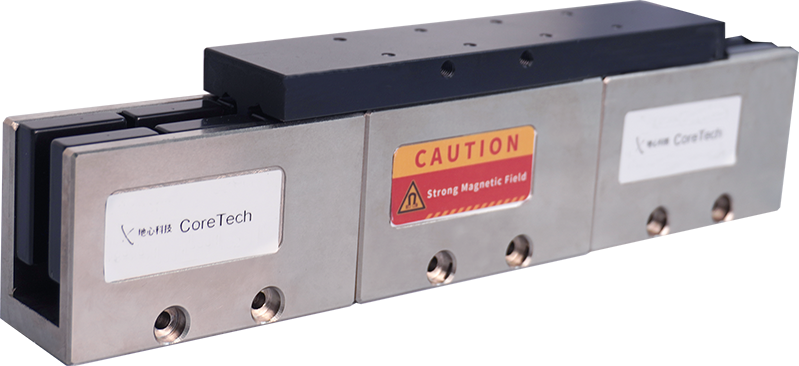
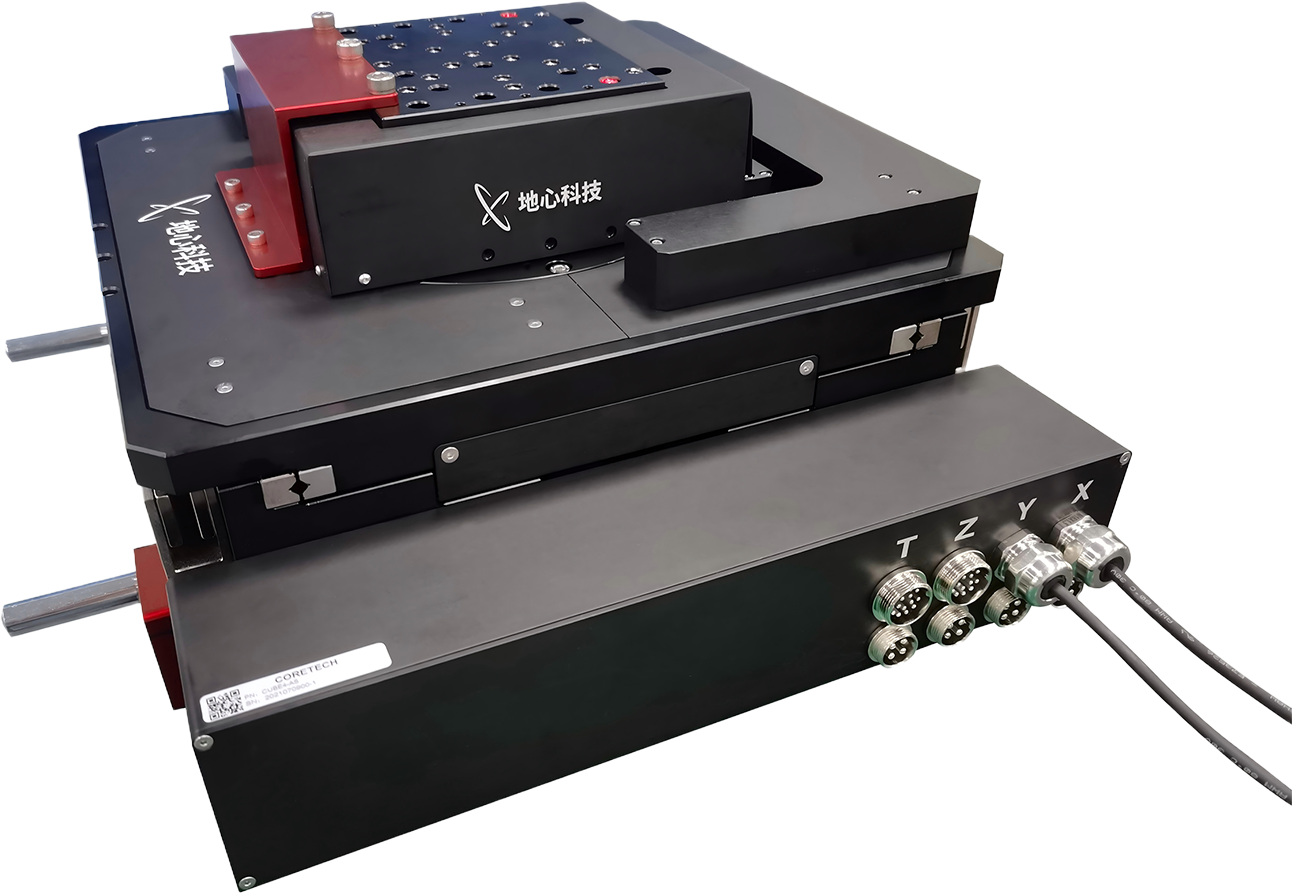
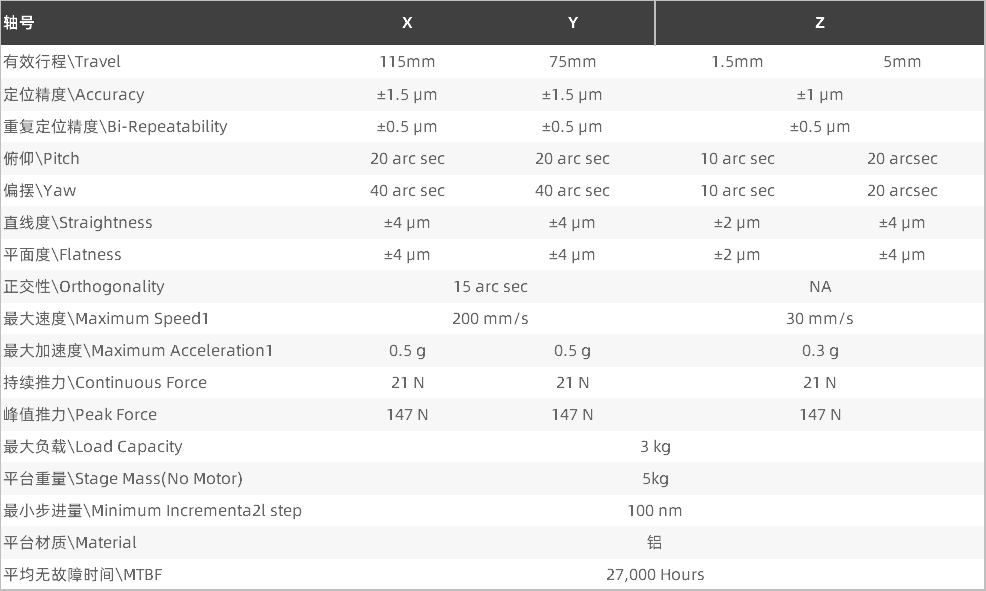
The MicroL‑Z is an XYZ integrated precision stage with sub‑micron positioning accuracy. It features a 3‑axis integrated structure and can also be separated into an XY stage and an independent Z axis as needed. The maximum clear aperture of the stage reaches 150 mm × 100 mm, capable of directly accommodating standard glass slides or multi‑well plates. In terms of actuation, linear motors with direct drive are adopted, eliminating backlash and wear issues associated with traditional screw drives. The dynamic response is excellent, enabling rapid large‑area serpentine raster scanning.

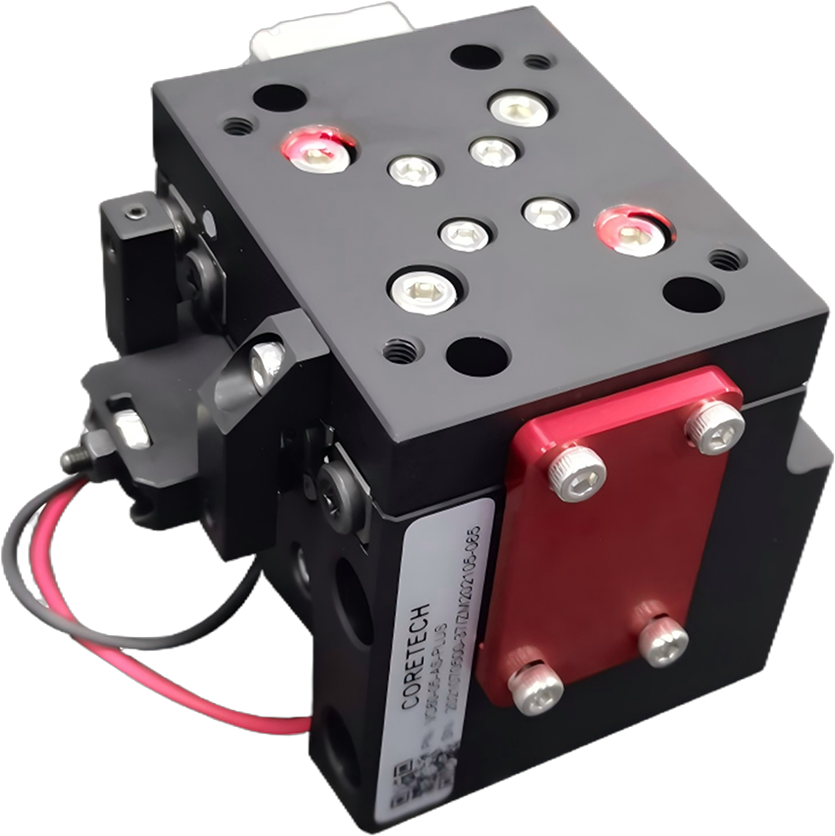
The Z axis offers stroke options of 1.5 mm or 5 mm, with a repeatability positioning accuracy of ±0.5 μm. It can complete a 1‑μm step and settle to within ±150 nm in 150 ms, providing outstanding dynamic focusing capability to ensure precise image acquisition. In applications where the camera has a shallow depth of field, it can quickly coordinate step stability and rapid focusing, greatly improving both efficiency and imaging quality. This means that even across ultra‑large scanning areas of 70 cm², the system maintains sub‑micron repeatability consistency, ensuring seamless stitching among thousands of sub‑images.
Summary
The deep synergy between precision motion stages and optical imaging systems is propelling high‑throughput microscopy from an "automation tool" to a new phase of "intelligent analysis platform."
From the first high‑content screening system in 1997 to today's spatiotemporal omics microscopes capable of capturing millions of cells with precision, precision motion stages have always been the cornerstone of this technological leap. As domestically produced high‑end equipment continues to penetrate life sciences, drug discovery, and precision diagnostics, Ground Motion Technology remains committed to strengthening its core capabilities in precision motion control, delivering more reliable customized solutions to drive the continuous advancement of high‑throughput microscopy imaging.
Featured News
Behind the Mass Production of Hybrid Bonding: How Precision Motion Stages Meet the High-Precision Control Demands of Semiconductor Packaging
2026.06.02
Wafer Defect Inspection: Solving the "Spiral Motion Trajectory" and "Equal Arc-Length Triggering" Challenges
2026.06.03
A Comprehensive Overview of the HBM Manufacturing Process: What Role Does the High-Precision Motion Platform Play?
2026.06.03
 Back to List