

.png)

.png)







Home
 News Center
Gene Sequencing: Solving Auto‑Focus and Equal‑Interval Triggering Issues to Enhance Measurement Accuracy and Efficiency
News Center
Gene Sequencing: Solving Auto‑Focus and Equal‑Interval Triggering Issues to Enhance Measurement Accuracy and Efficiency
News Center
Gene Sequencing: Solving Auto‑Focus and Equal‑Interval Triggering Issues to Enhance Measurement Accuracy and Efficiency
Gene Sequencing: Solving Auto‑Focus and Equal‑Interval Triggering Issues to Enhance Measurement Accuracy and Efficiency
 2026-06-03
Share:


"Coretech's high‑precision XYZT 4‑axis precision positioning stage combines static and dynamic accuracy, perfectly realising fast auto‑focus tracking and equal‑interval triggering in gene sequencing applications, and is widely used in gene sequencers."
01 Gene Sequencing Technology
In 1977, Walter Gilbert and Frederick Sanger invented the first gene sequencer and used it to determine the first complete genome sequence—that of bacteriophage ΦX174, with a total length of 5,375 bases.
From that point onward, humanity gained the ability to explore the fundamental nature of life's heredity, and life sciences research entered the era of genomics. Gene sequencing technology has revolutionised traditional biological techniques, allowing us to read all of an individual's genetic information—the human genome.
1977 – Walter Gilbert and Allan M. Maxam developed chemical degradation sequencing, while Frederick Sanger and Coulson pioneered the dideoxy chain‑termination method and completed the first sequencing of a complete phage genome.
1983 – Kary Mullis invented PCR as an in vitro method for DNA amplification.
1990 – The United States officially launched the Human Genome Project.
1995 – The physical map of the human genome was completed.
1997 – The E. coli genome sequencing was completed.
1999 – China was approved to join the Human Genome Project.
2000 – The Drosophila genome sequencing was completed.
2002 – The mouse genome sequencing was completed.
2003 – The Human Genome Project was completed.
The development of gene sequencing technology holds immense significance for humanity. Targeted therapies and precision medicine both rely on human genome sequencing. That is, after sequencing, it becomes possible to determine which medication should be used to treat a patient's disease (especially tumours). Prediction of drug toxicity and side effects is also based on genome sequencing—determining which drugs may be toxic to which individuals.
02 Principles and Key Aspects of Gene Sequencing
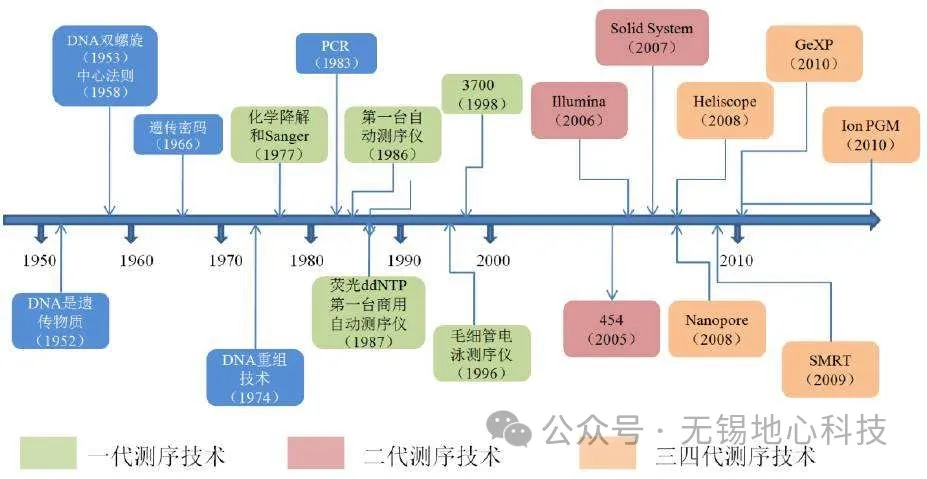
Over the four decades since its inception, sequencing technology has evolved considerably, progressing from first‑generation to third‑generation sequencing technologies.
First‑generation sequencing (traditional Sanger sequencing)
Second‑generation sequencing (high‑throughput microarray chip technology)
Third‑generation sequencing (single‑molecule sequencing and nanopore sequencing)
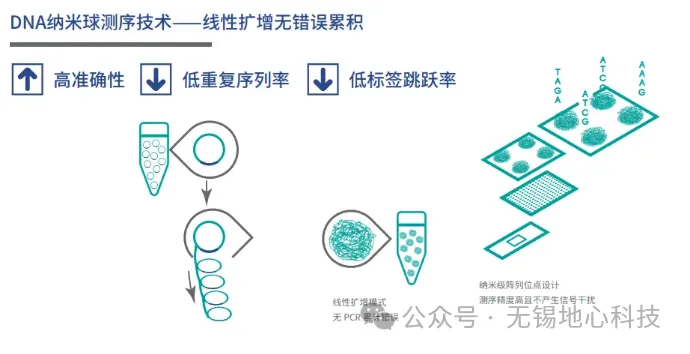
The principle of sequencing, put simply, is to convert DNA signals into digital signals that can be processed by computers. A typical gene sequencing workflow includes: DNA extraction and fragmentation (sample preparation, DNA extraction, DNA fragmentation, and end repair); DNA fragment amplification (nanoball technology: adapter ligation, single‑strand DNA isolation, amplification, forming DNA nanoballs); DNA sequence identification (DNA nanoball attachment to the flow cell, combinatorial probe‑anchor ligation sequencing); and finally analysis of base call data, alignment and assembly, genomic analysis, and result generation.
A critical component in gene sequencing technology is the sequencing chip (flow cell). The patterned array on the sequencing chip is fabricated using advanced photolithography and dry etching techniques to form an array and alignment marks on the silicon wafer surface. A series of processes—"coating with deep‑UV photoresist → array pattern exposure → development to expose local silicon surfaces → vapour‑phase deposition (aminosilane modification)"—is applied to immobilise the DNA nanoballs. The silicon wafer is then diced into 25 mm × 75 mm chips, which serve as the substrate for the sequencing flow cell. During sequencing, DNA anchor molecules and fluorescent probes polymerise on the DNB, and a high‑resolution imaging system subsequently captures the fluorescence signals on the chip; after digitisation, the raw sequence data is obtained.
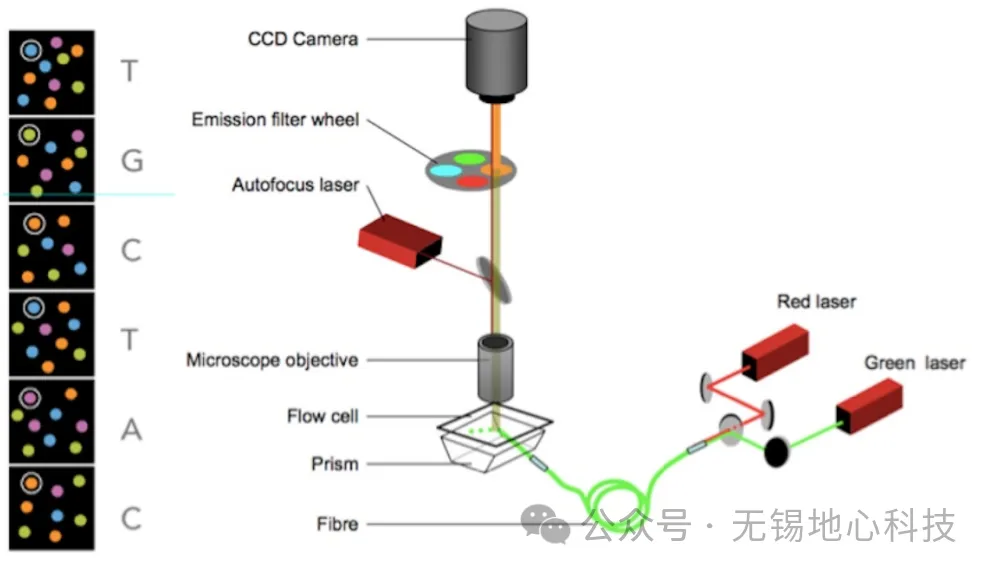
In a typical gene sequencing process, the sequencing chip is first loaded into the sequencer, the Z‑axis is raised, and the chip is immersed in fluid. Based on focus detection feedback, the Z‑axis position is closed‑loop controlled to stabilise the focal plane. The chip's rotational angle is determined through image feedback, and the θ‑axis is rotated as required to square the chip position. The Y‑axis then performs uniform‑speed scanning; after each column scan is completed, the X‑axis steps by one field of view width, and the Y‑axis scans in the reverse direction. This process is repeated until the entire chip has been scanned.
During scanning of the gene sequencing chip, the Y‑axis must trigger the image acquisition system at equal intervals during the constant‑velocity segment, which requires excellent speed stability. In typical applications, the dynamic following error of the Y‑axis during the constant‑velocity segment must be less than ±70 nm.
Over a large field of view, the surface of the gene sequencing chip is not perfectly flat. While the Y‑axis is scanning, the Z‑axis must perform real‑time dynamic focusing with an error tolerance of ±50 nm to achieve real‑time focus tracking.
Gene sequencing imposes exceptionally high demands on the accuracy and dynamic performance of the XYZθ axes—requiring not only high static accuracy but also excellent dynamic response.
03 Coretech Solutions
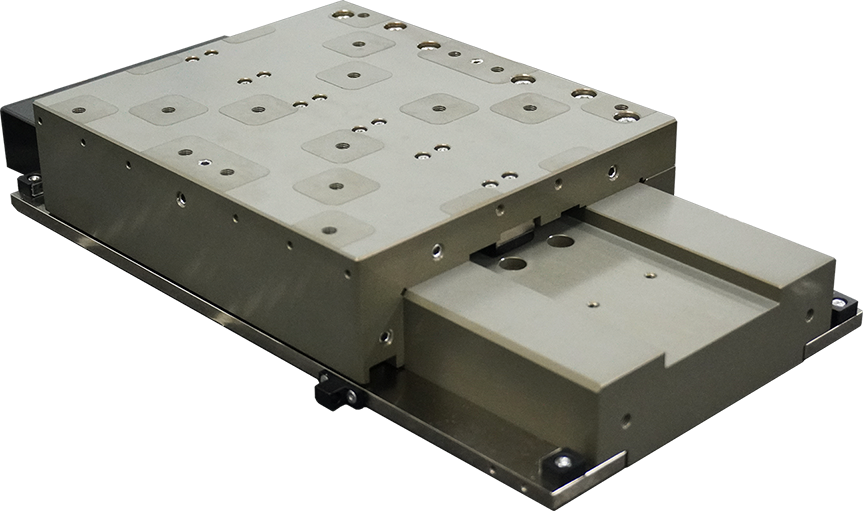
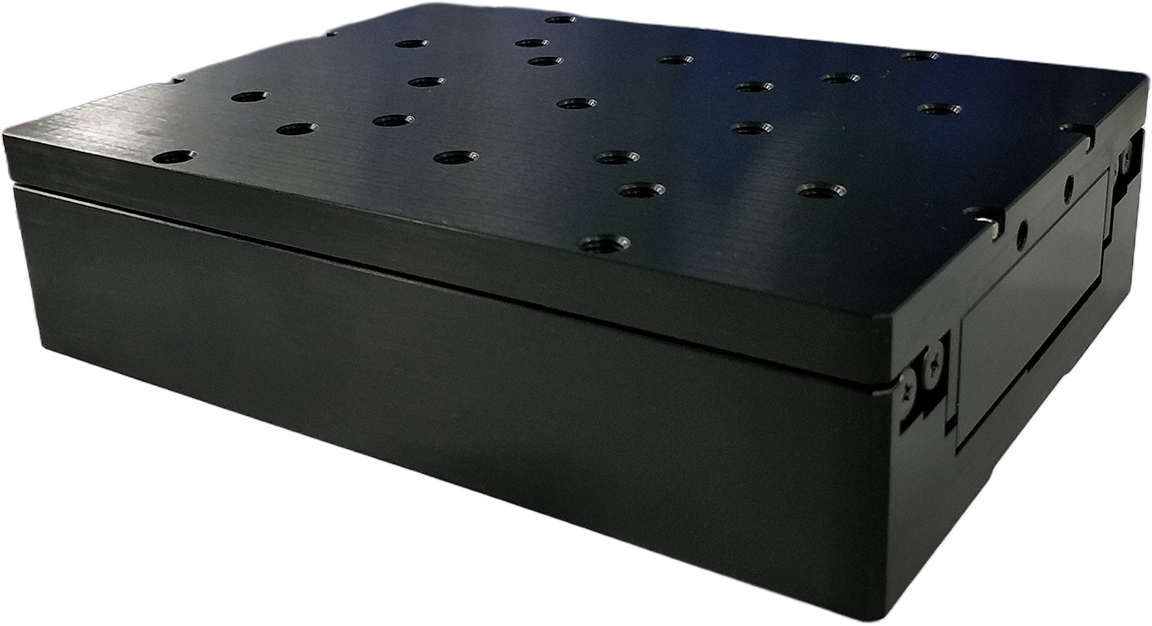
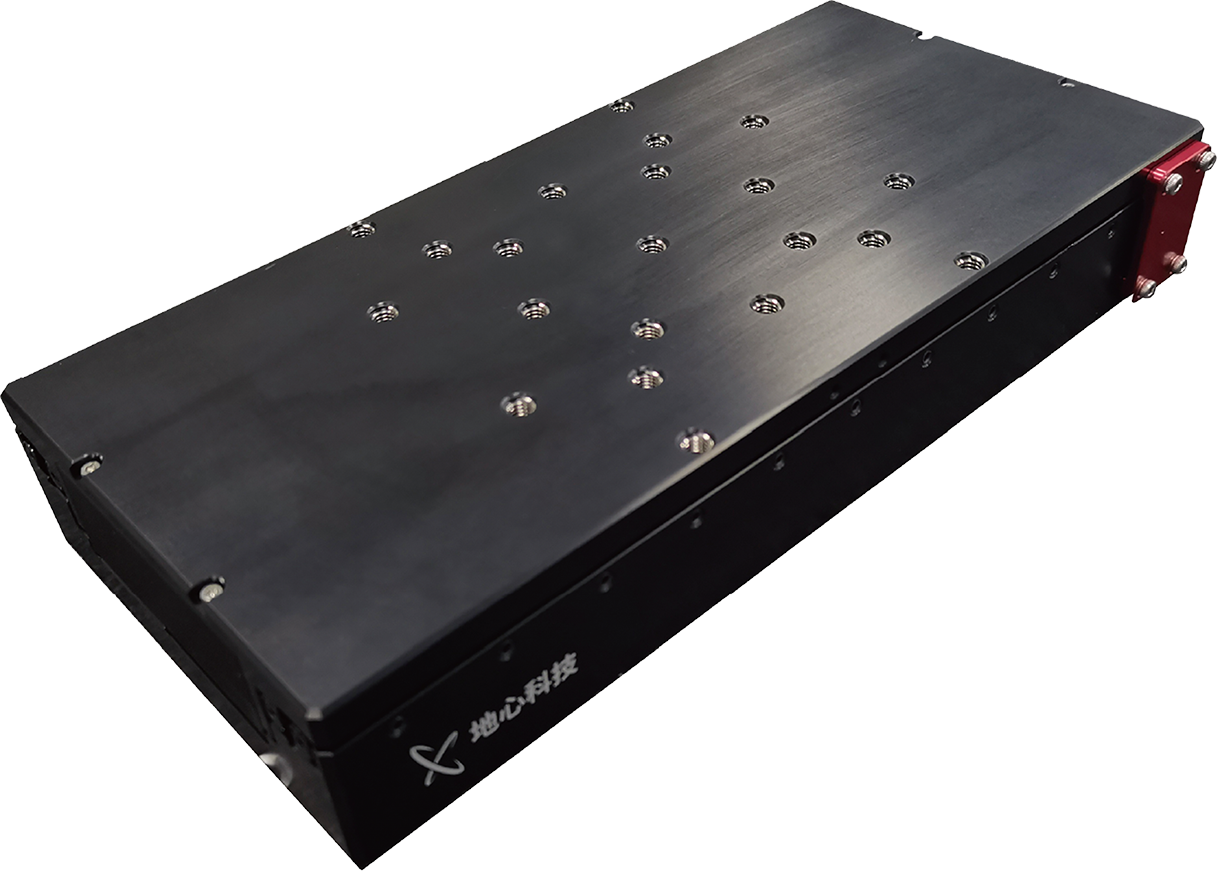
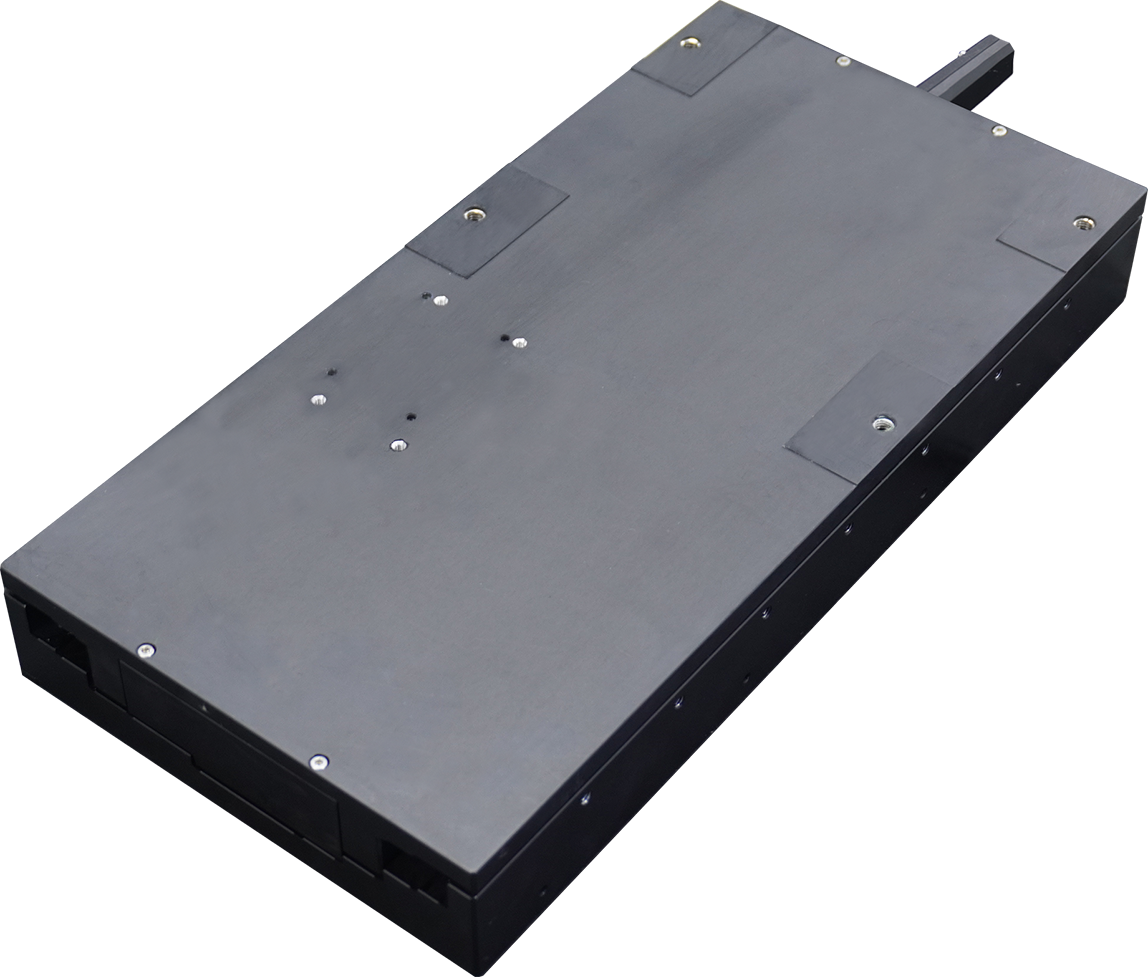
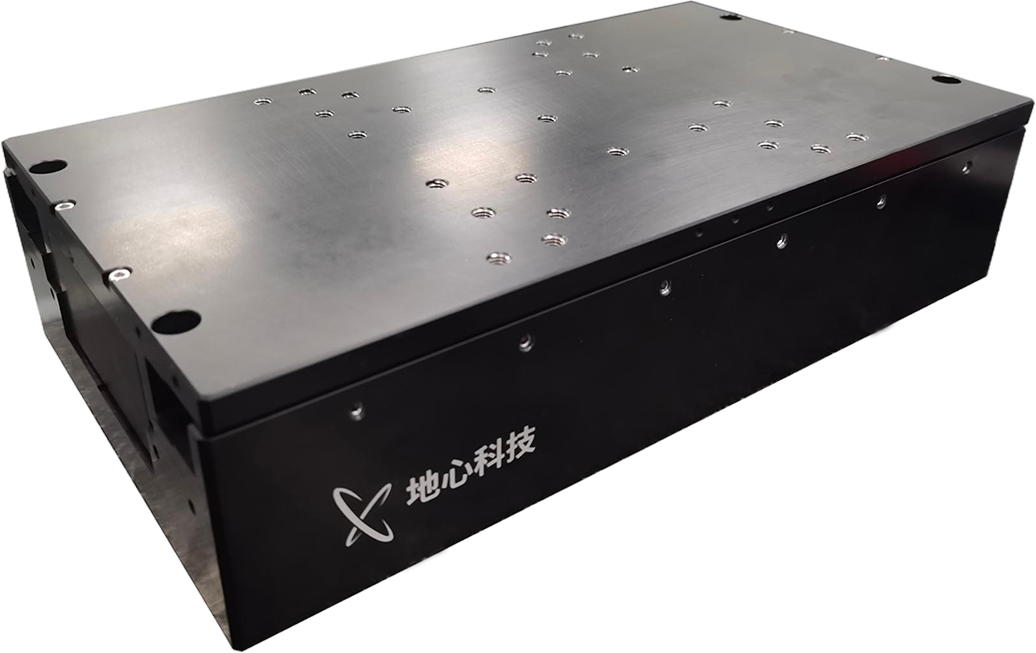
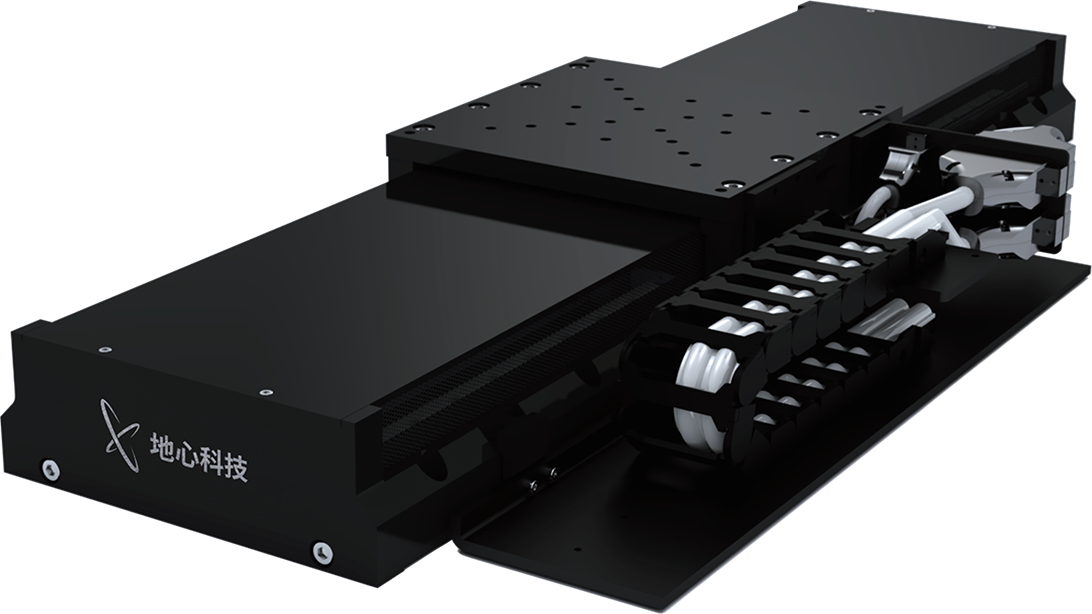
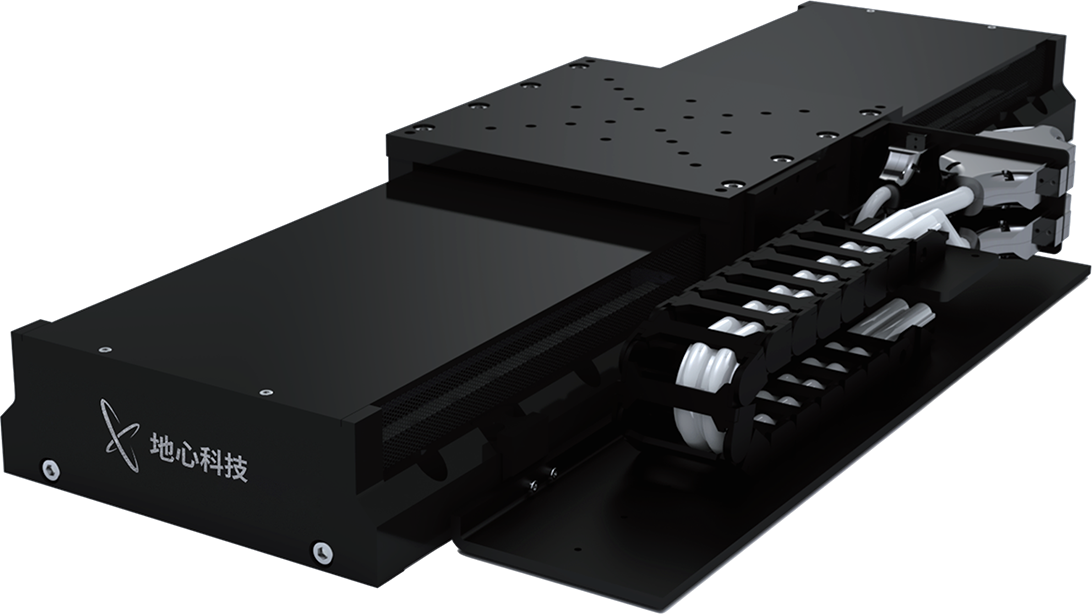
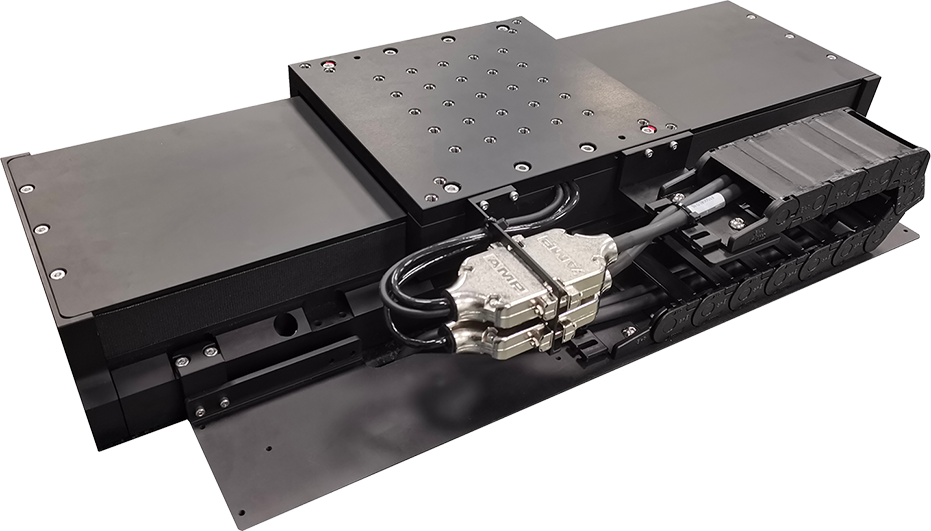
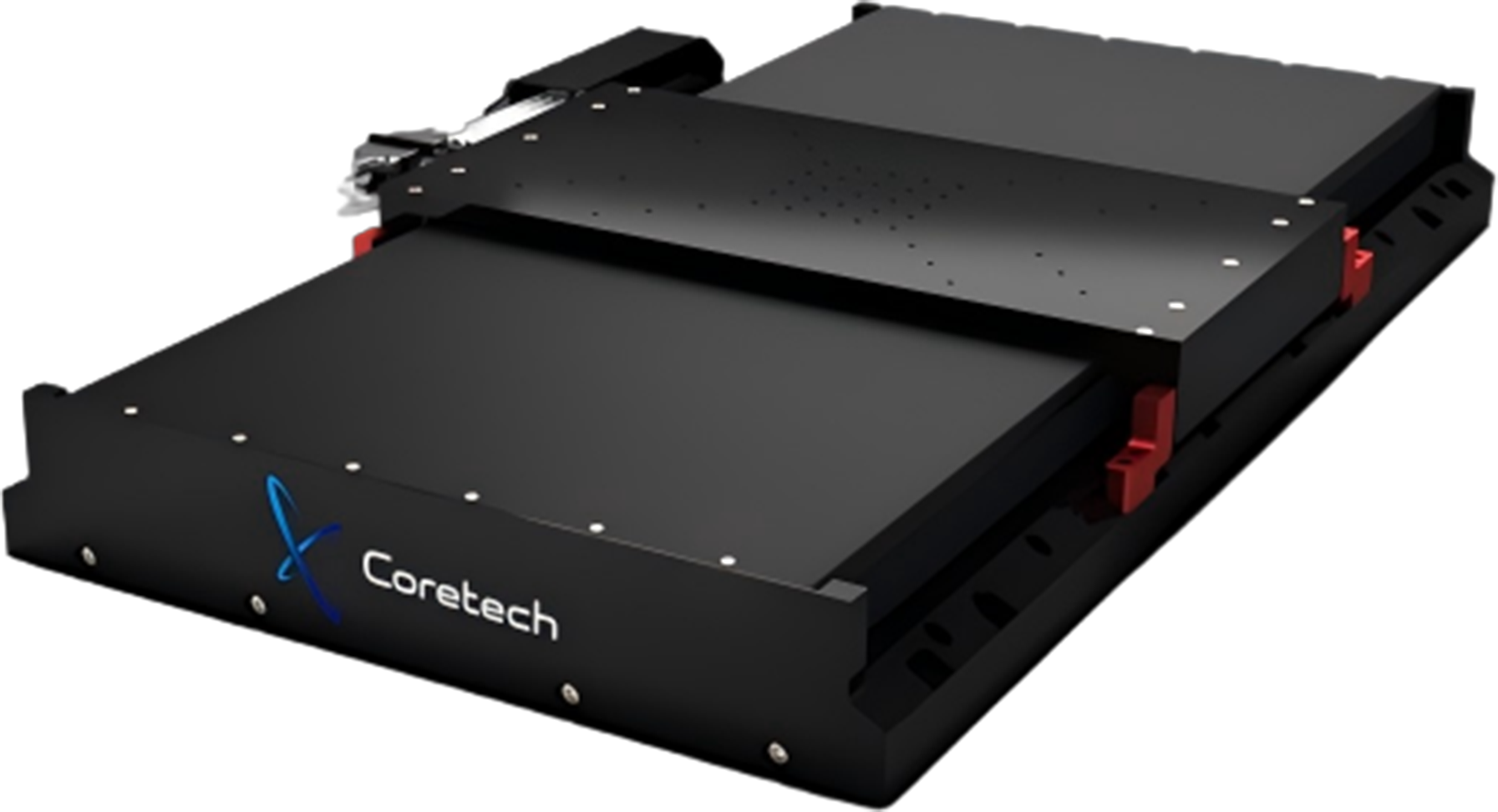
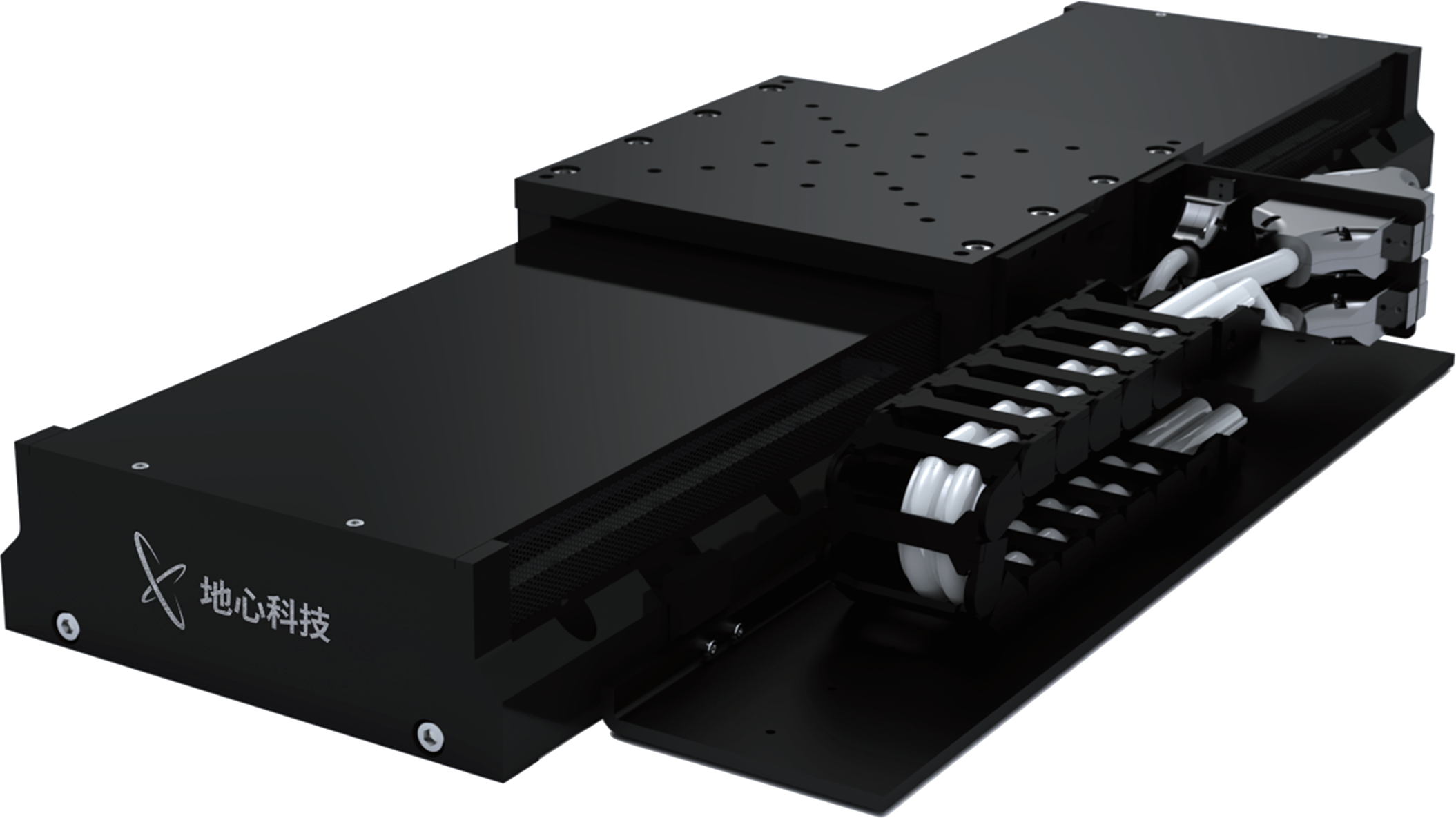
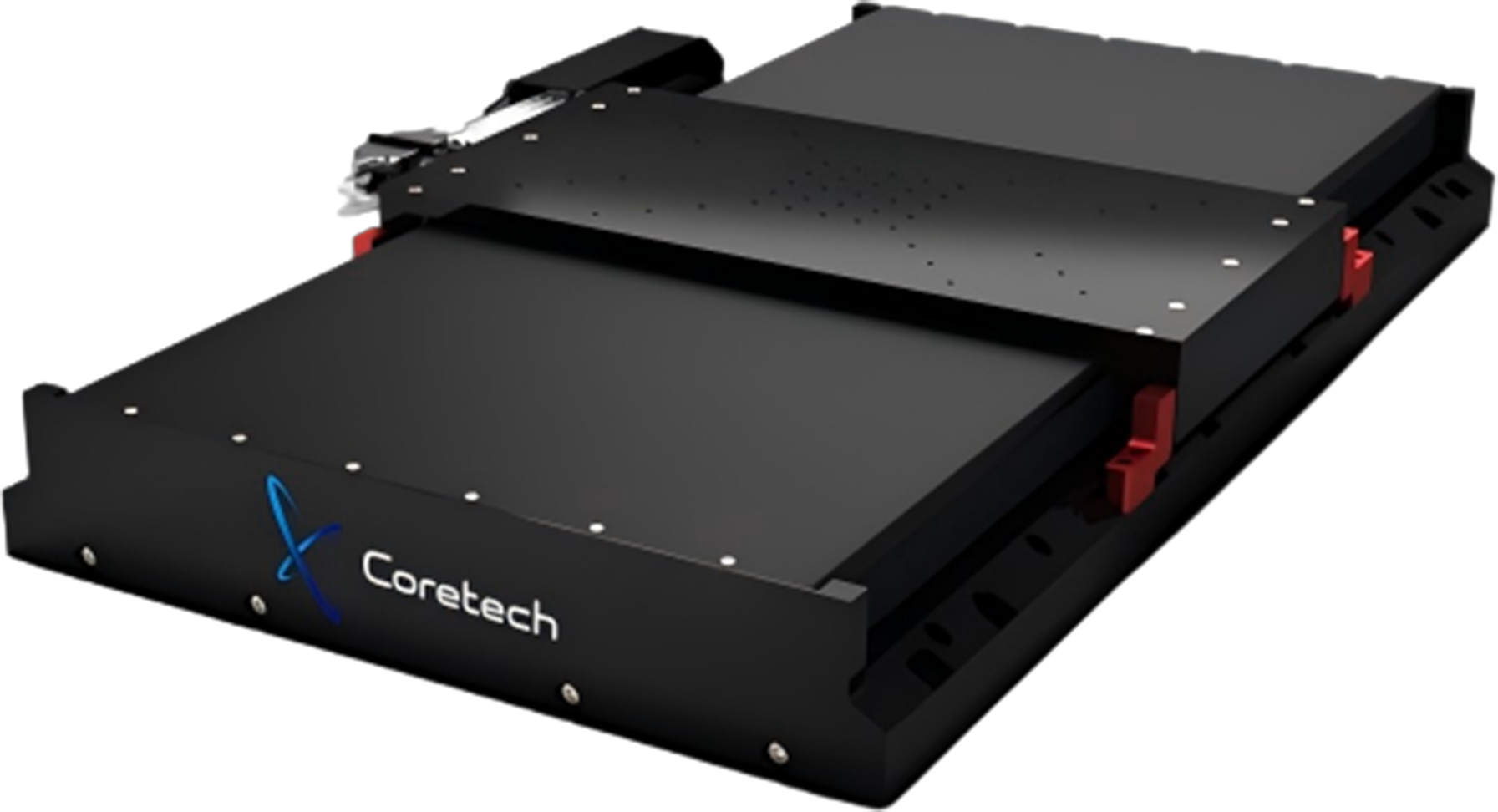
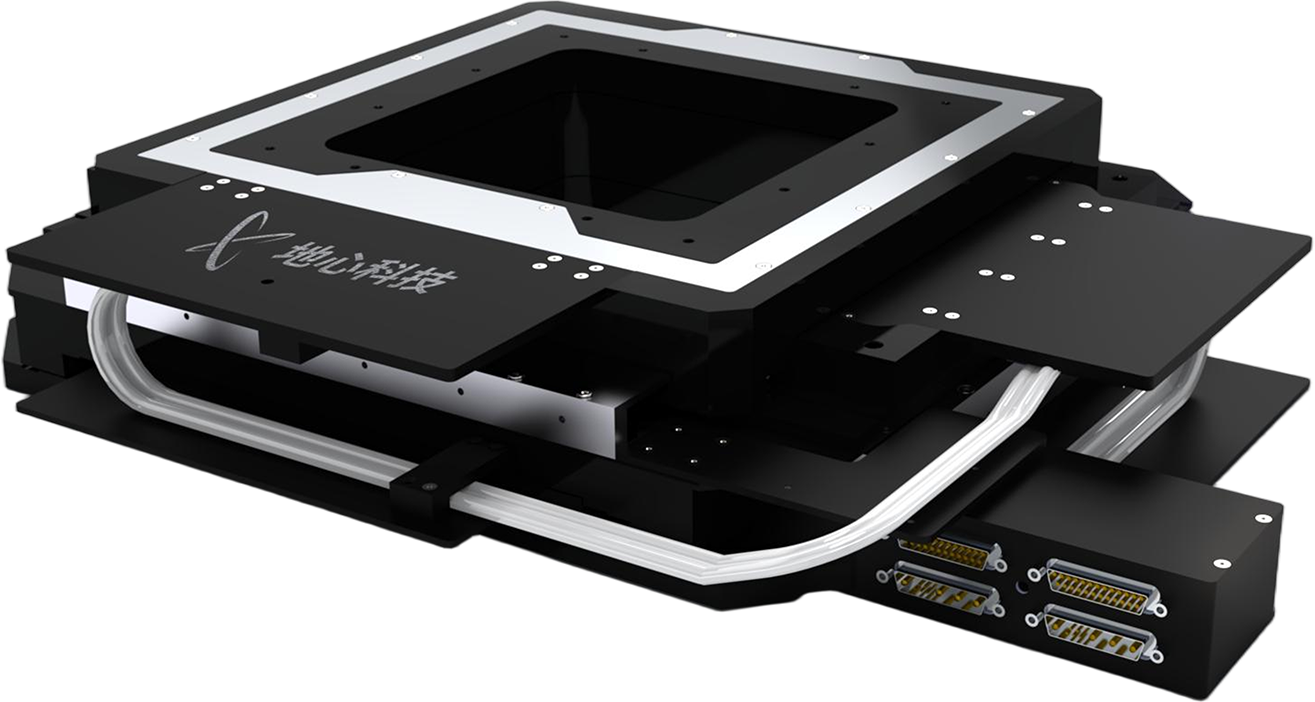
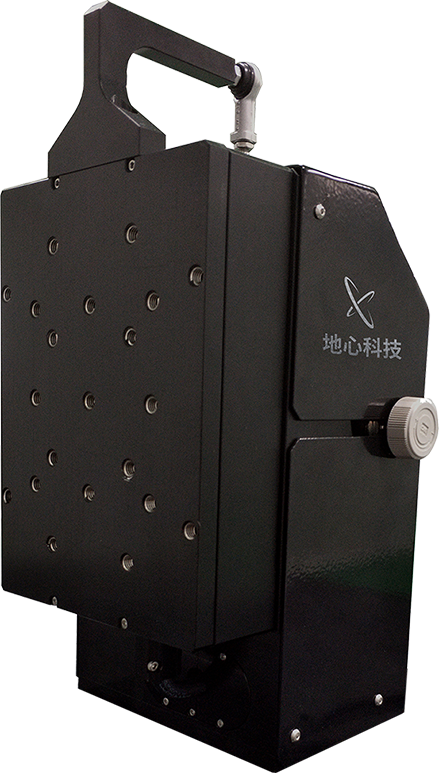
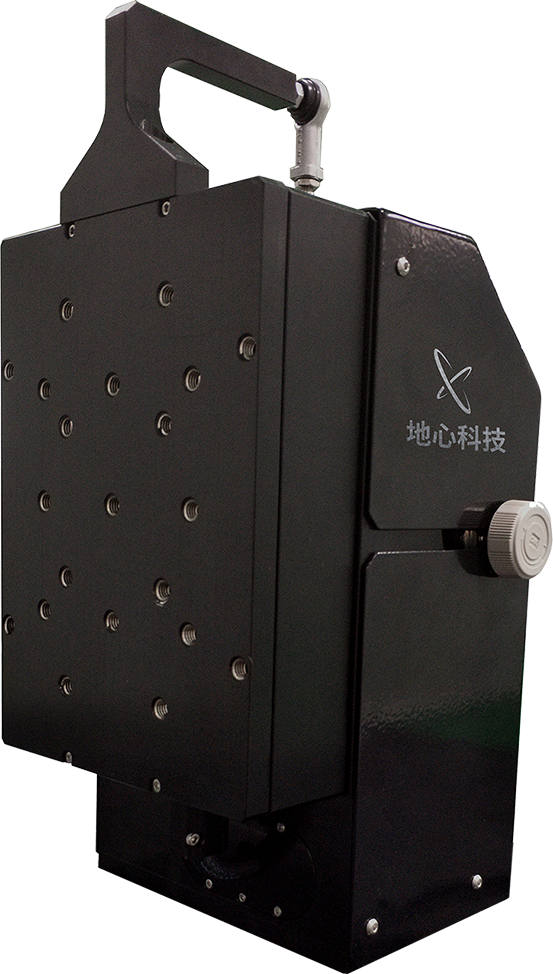
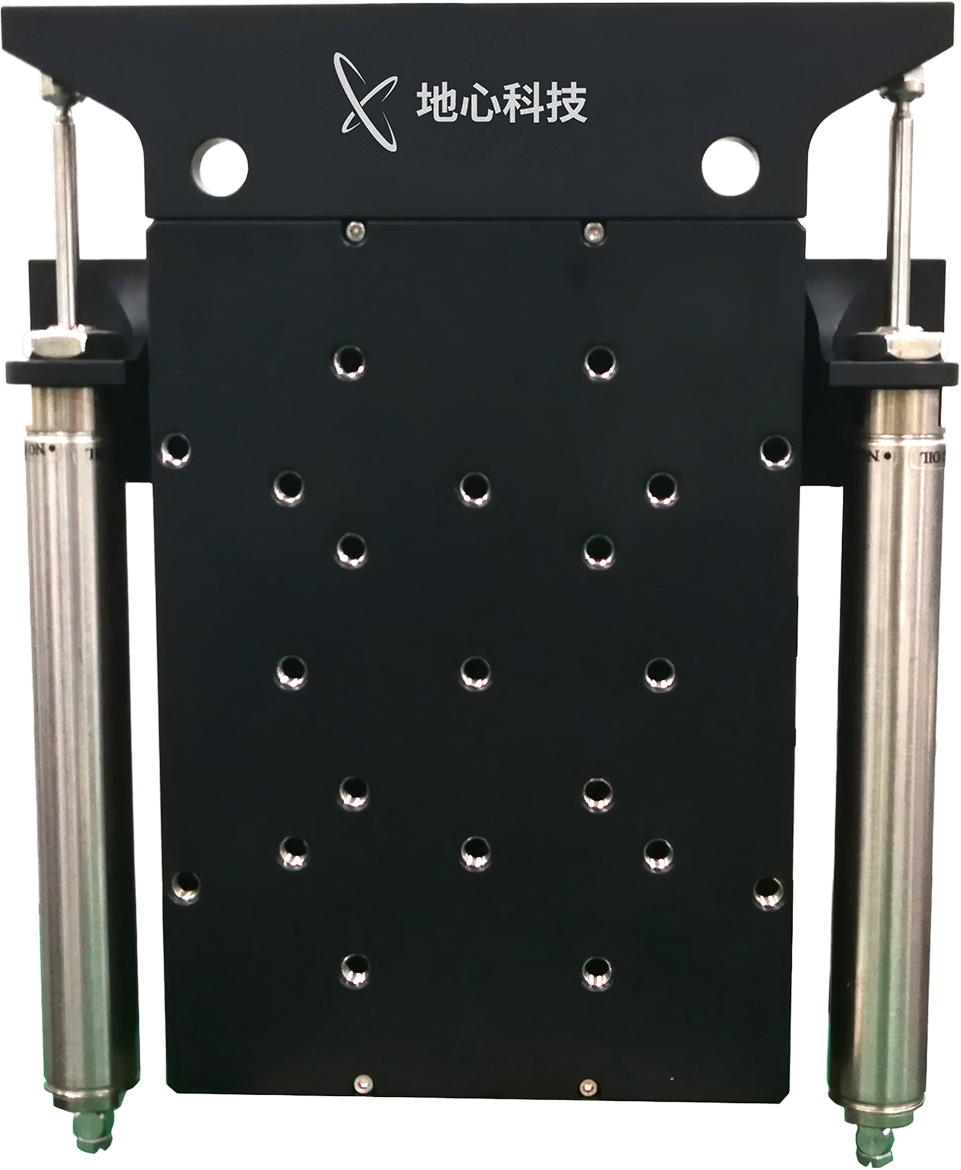
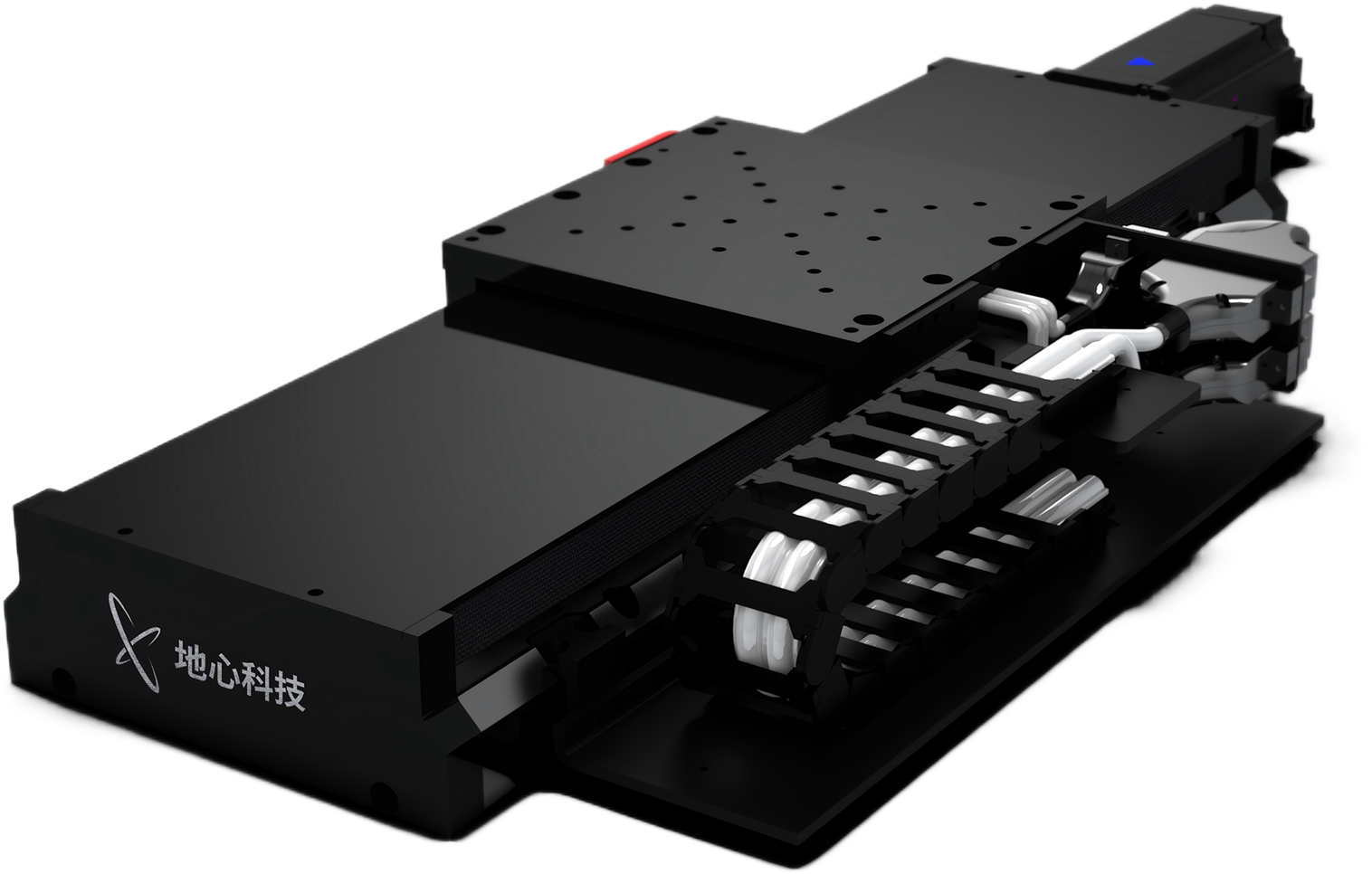
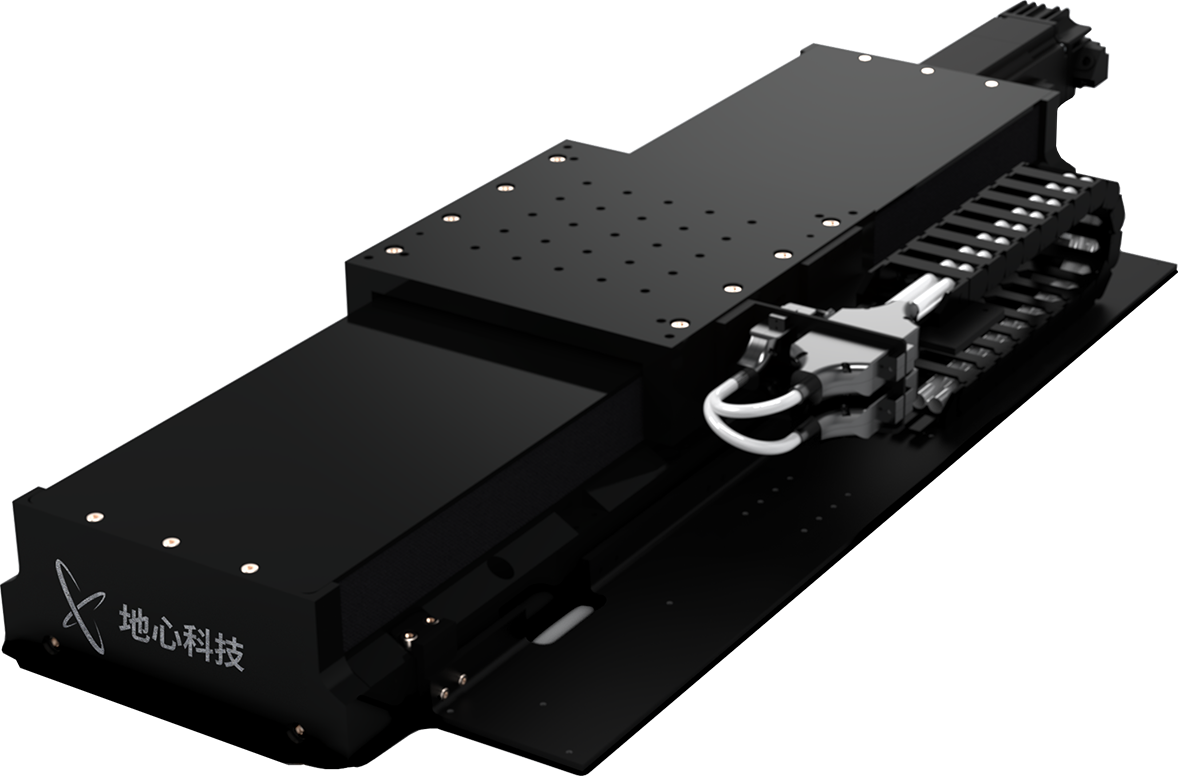
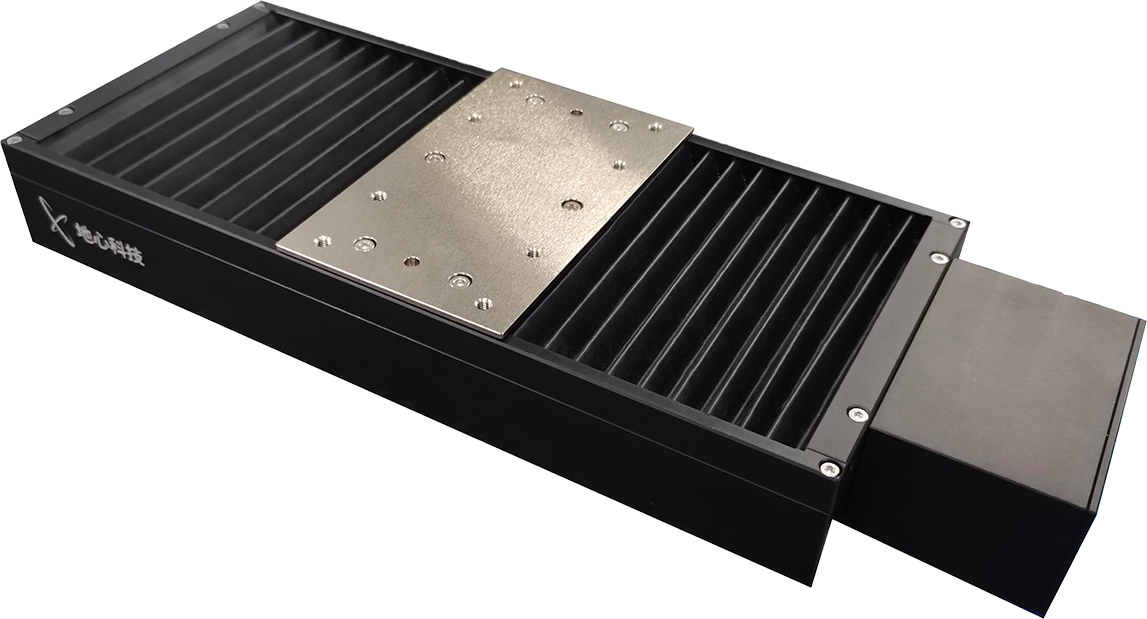
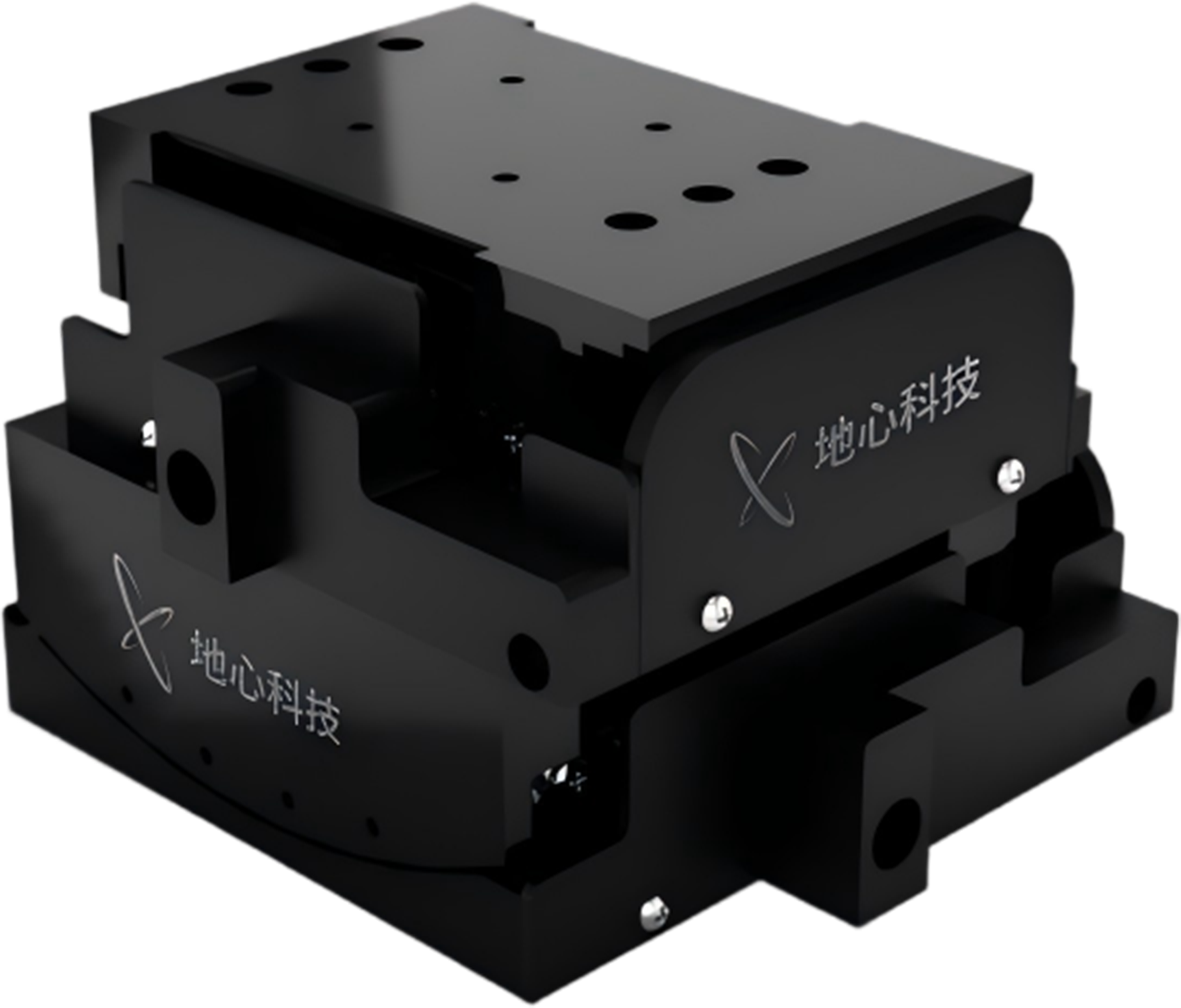
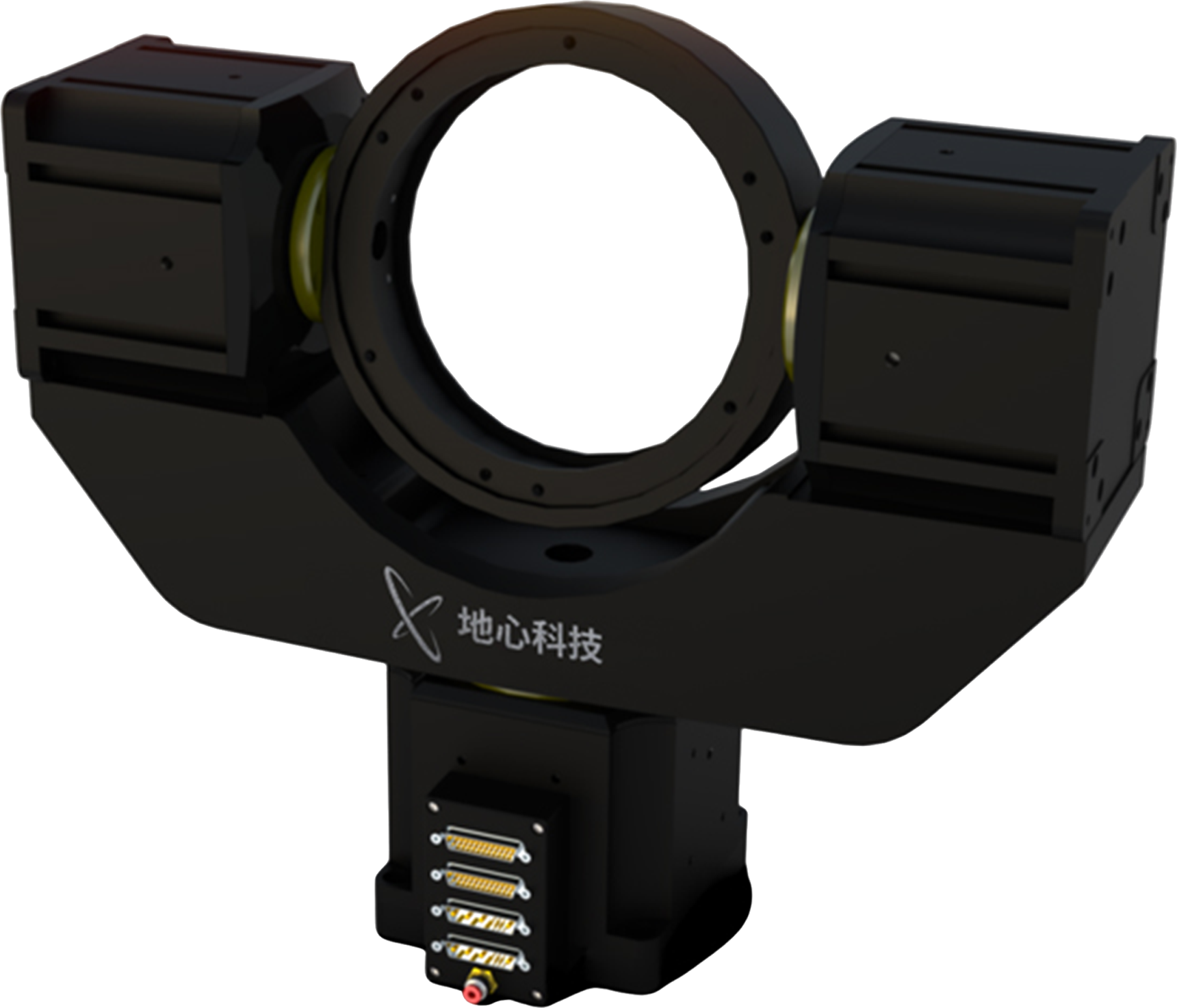
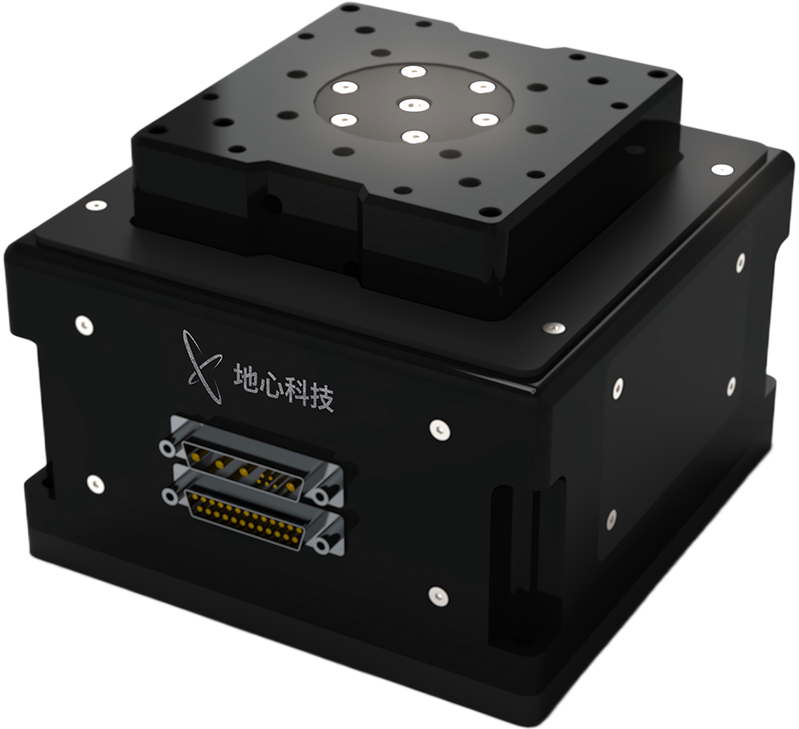
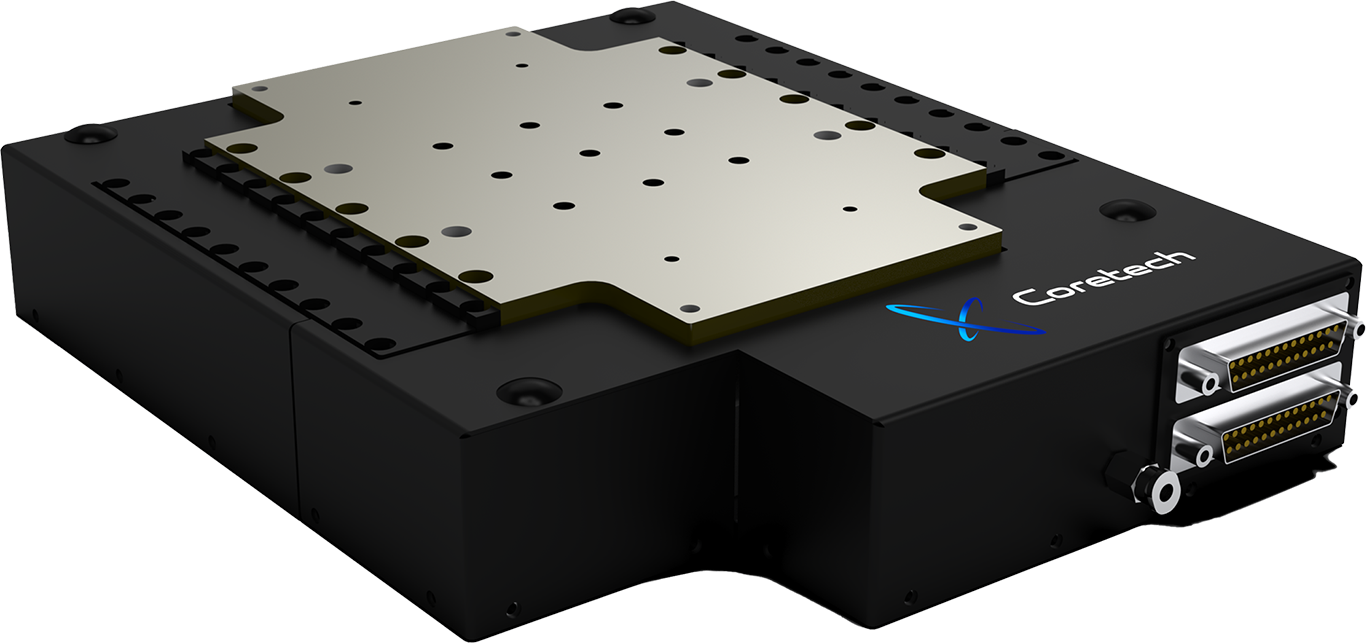
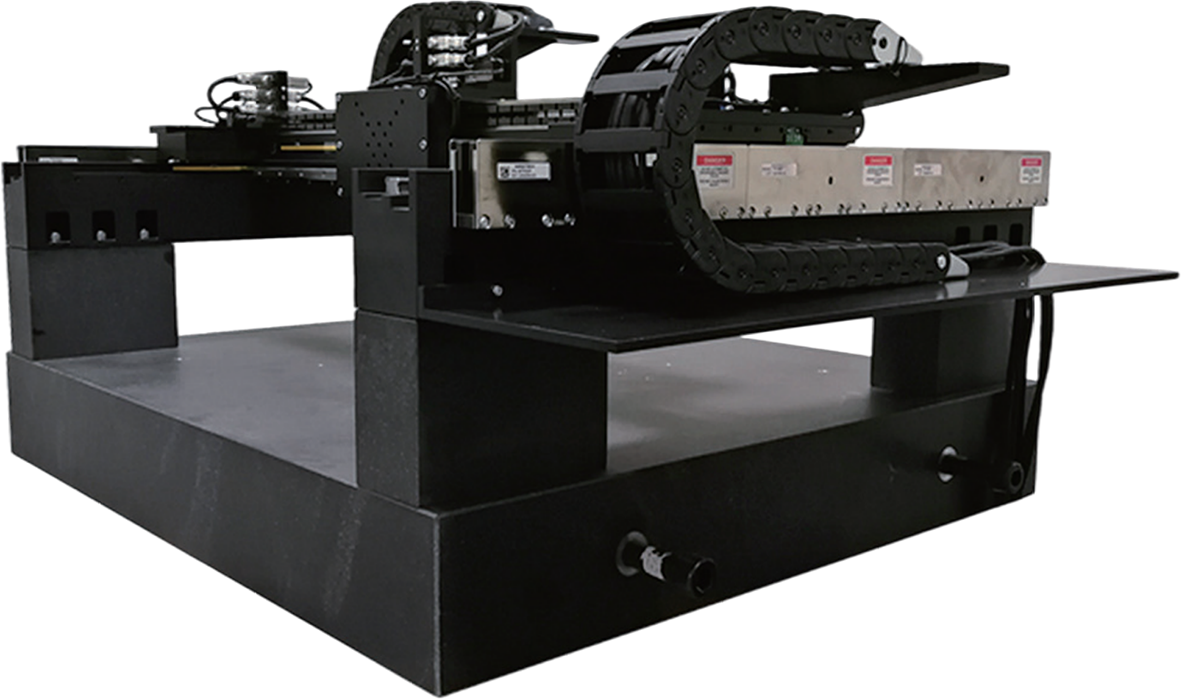
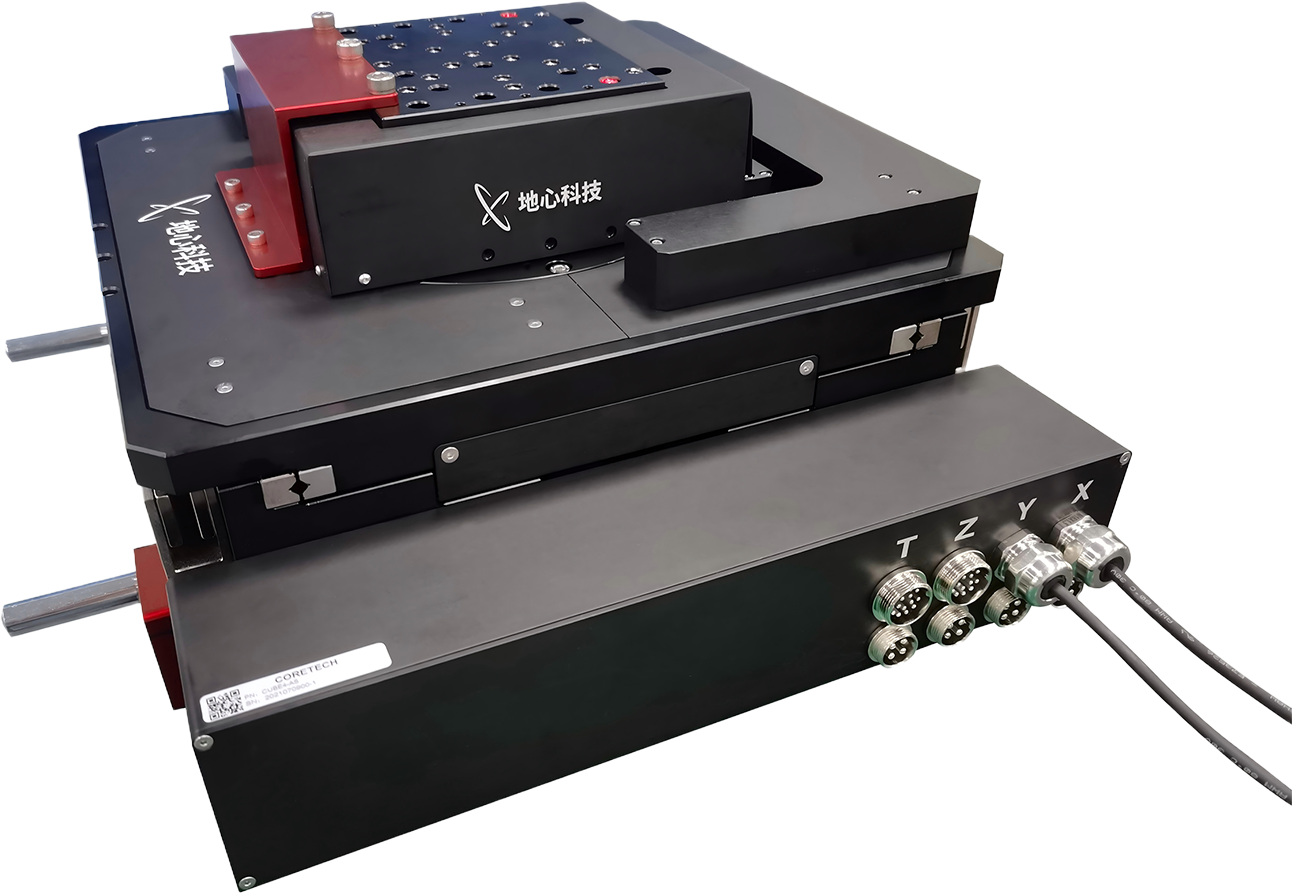
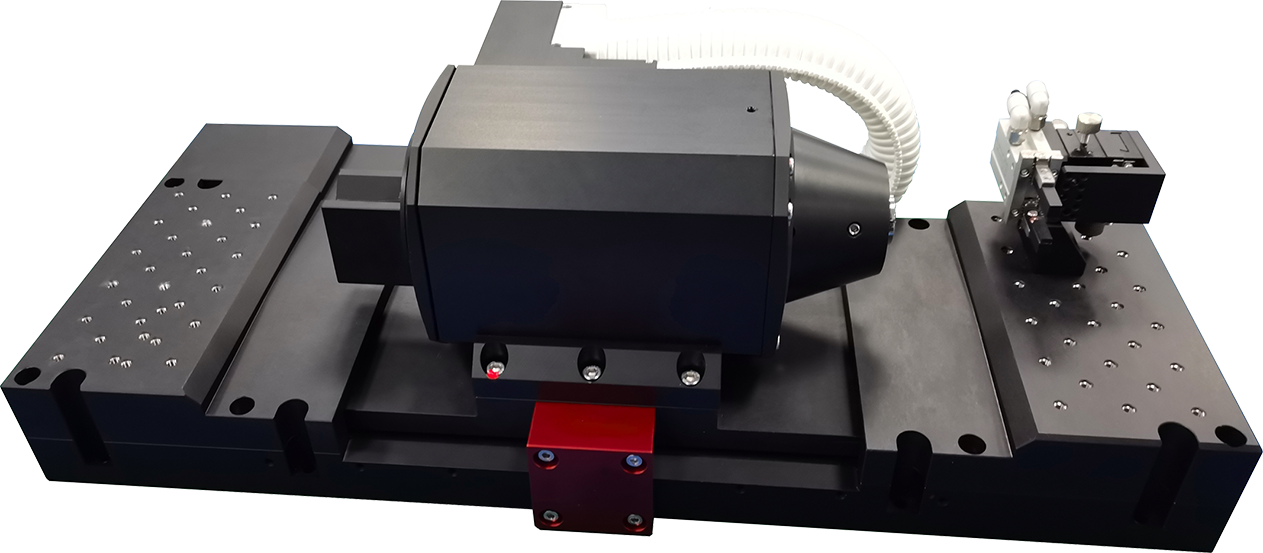
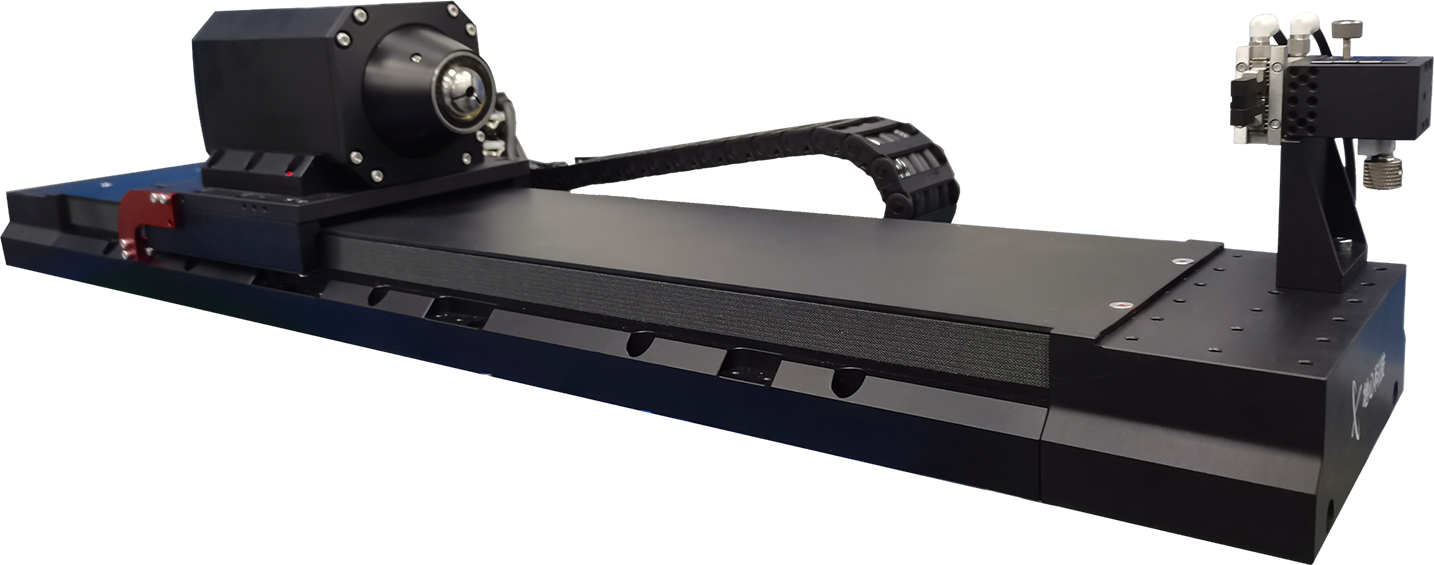
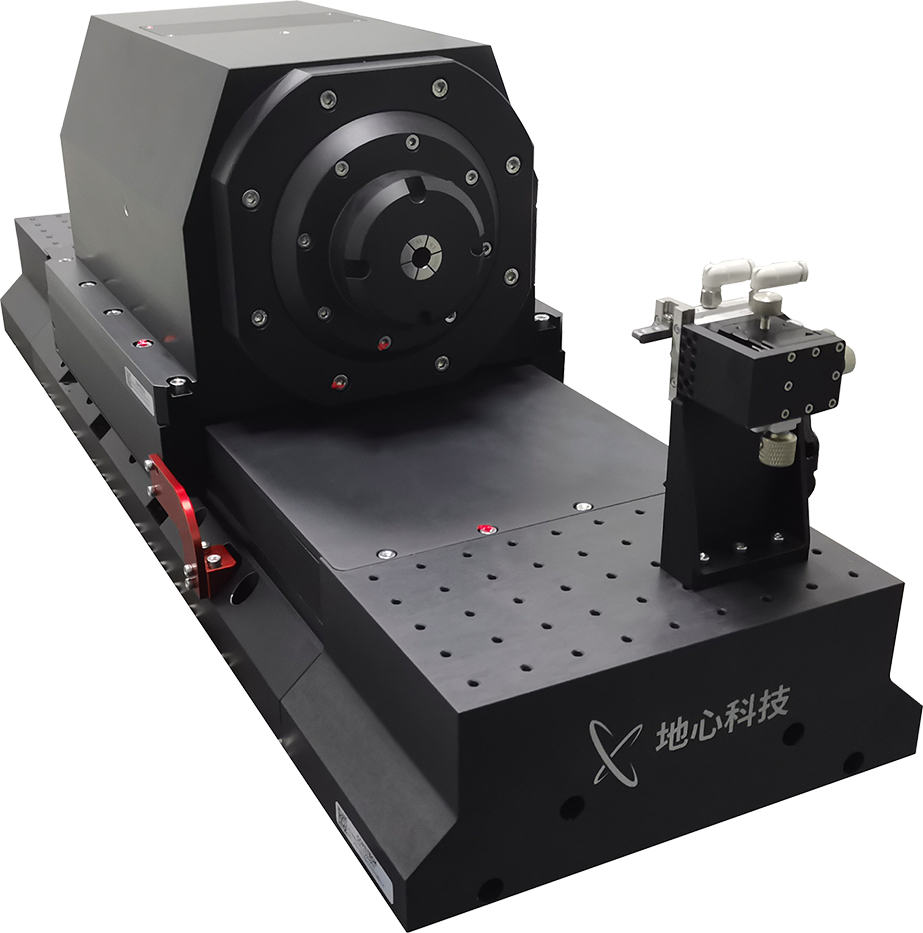
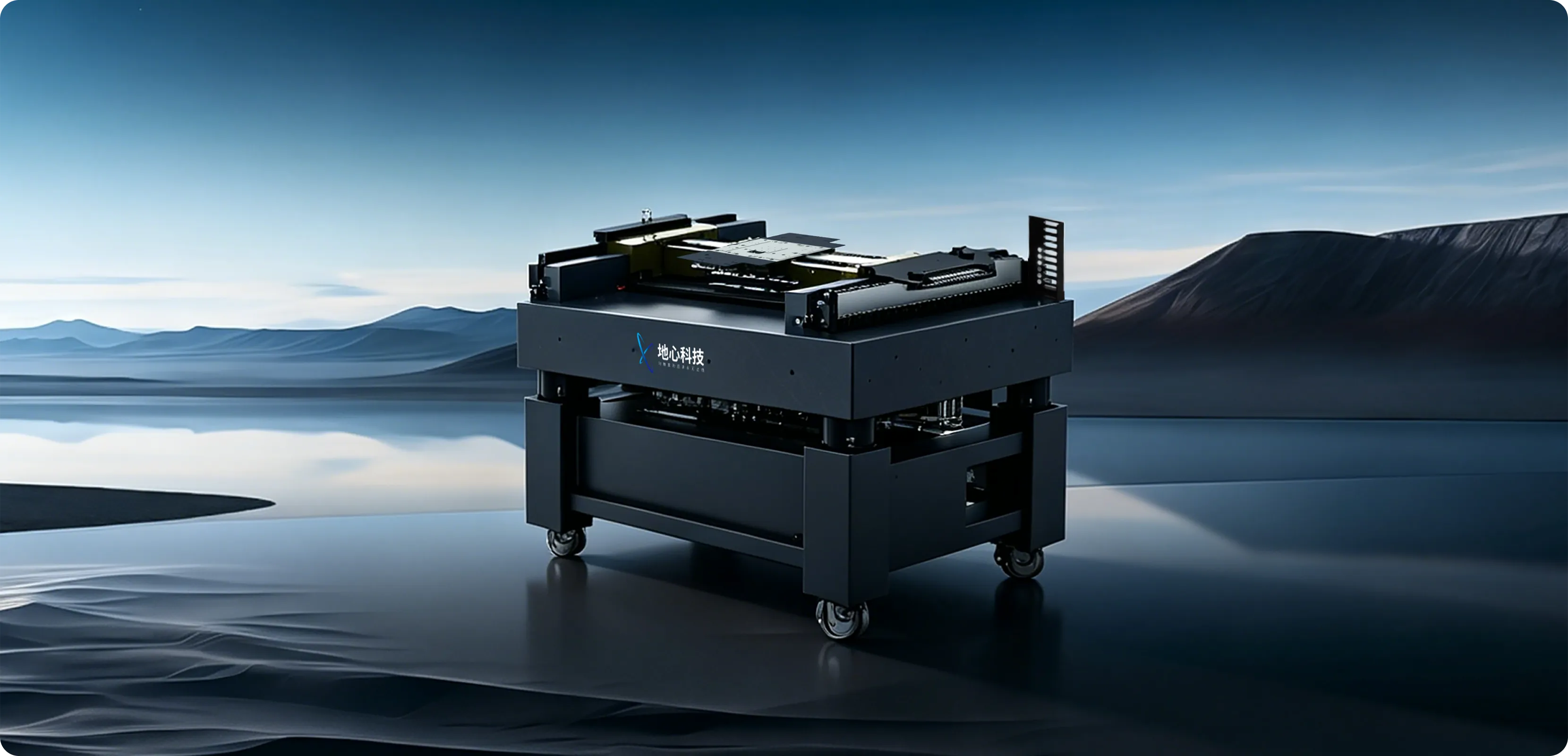
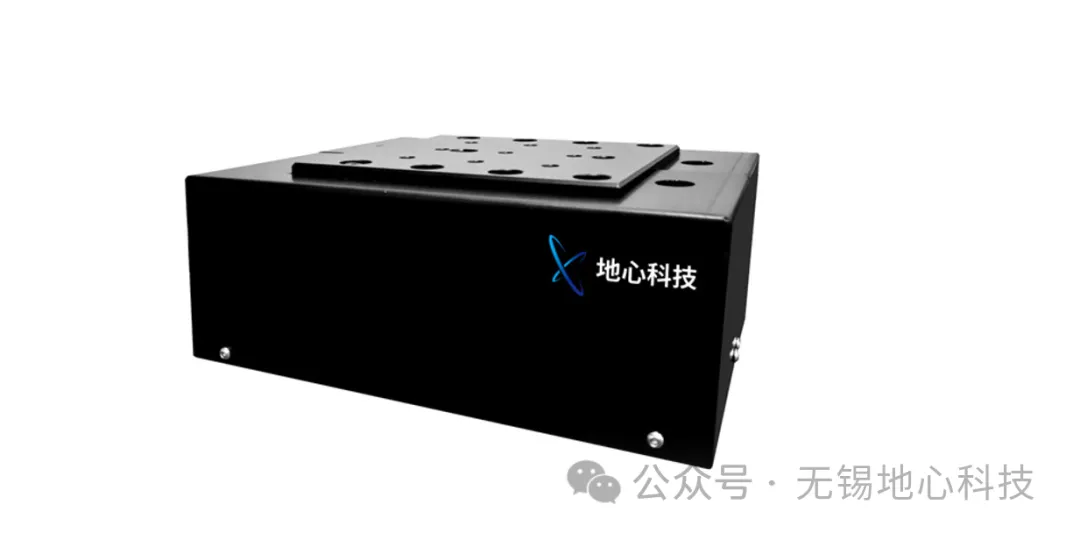
Coretech offers a variety of solutions for gene sequencing applications. The CFT‑200XY XY integrated motion platform serves as the base axis, with the RSML rotary stage mounted on top as the θ‑axis, and the high‑precision ART130V‑5 Z‑lift stage installed on the rotary stage, forming a high‑precision, high‑dynamic‑performance 4‑axis system.
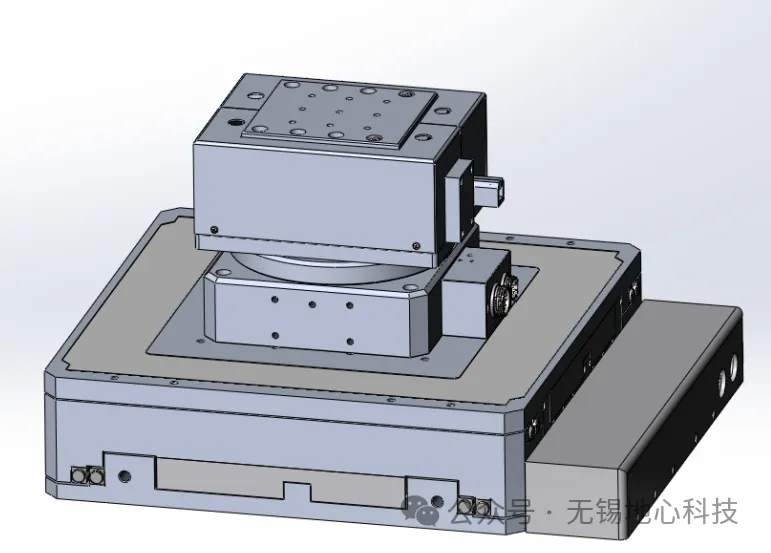
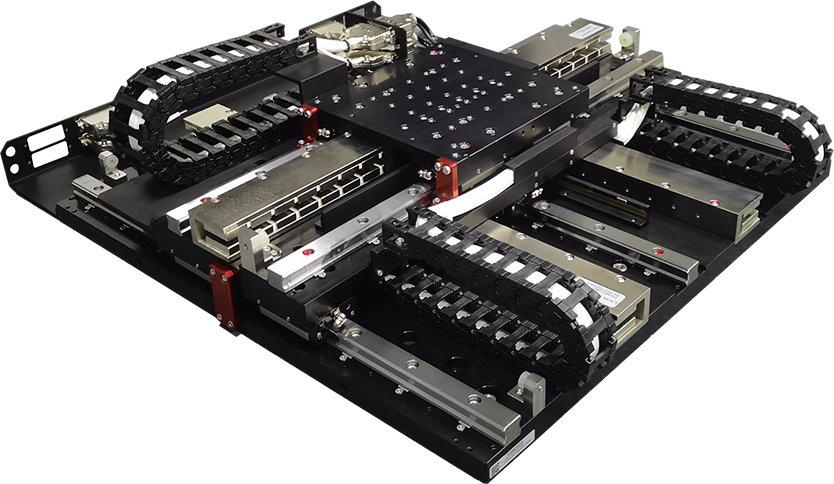
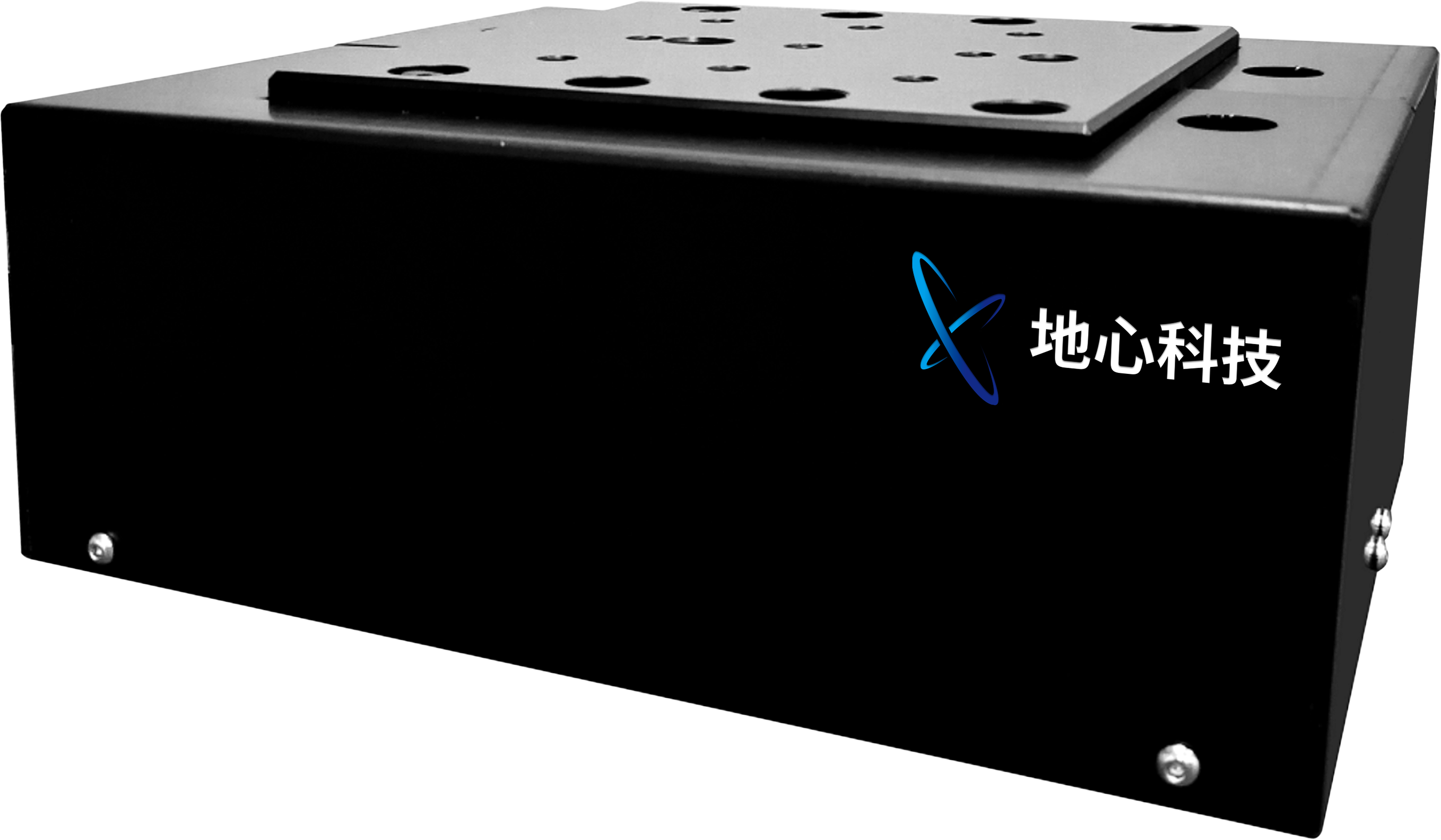
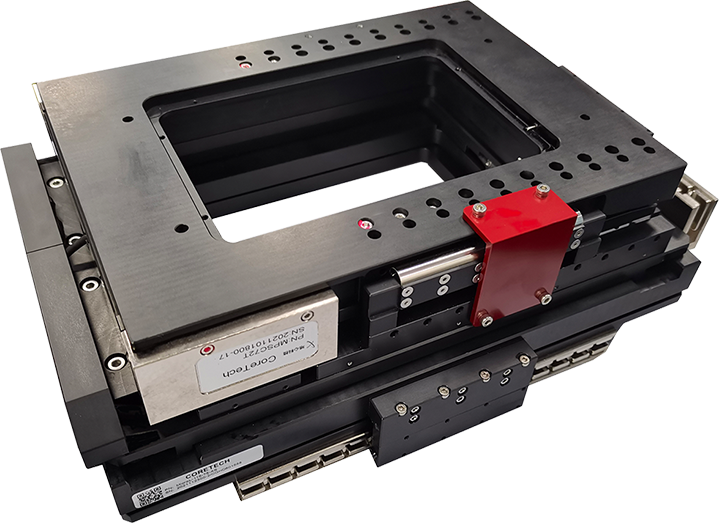
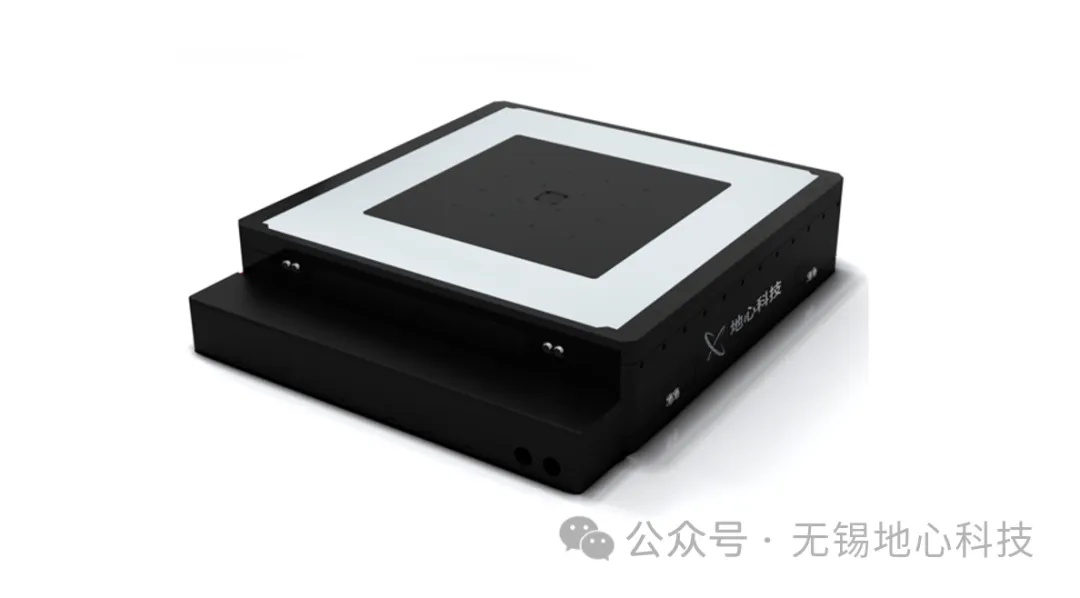
The CFT‑200XY is an XY integrated precision positioning stage with nanometre‑level positioning accuracy. It employs direct‑drive linear motor control and precision cross‑roller guides, delivering outstanding dynamic performance and positioning accuracy, with a no‑load cutoff frequency of up to 100 Hz or more.
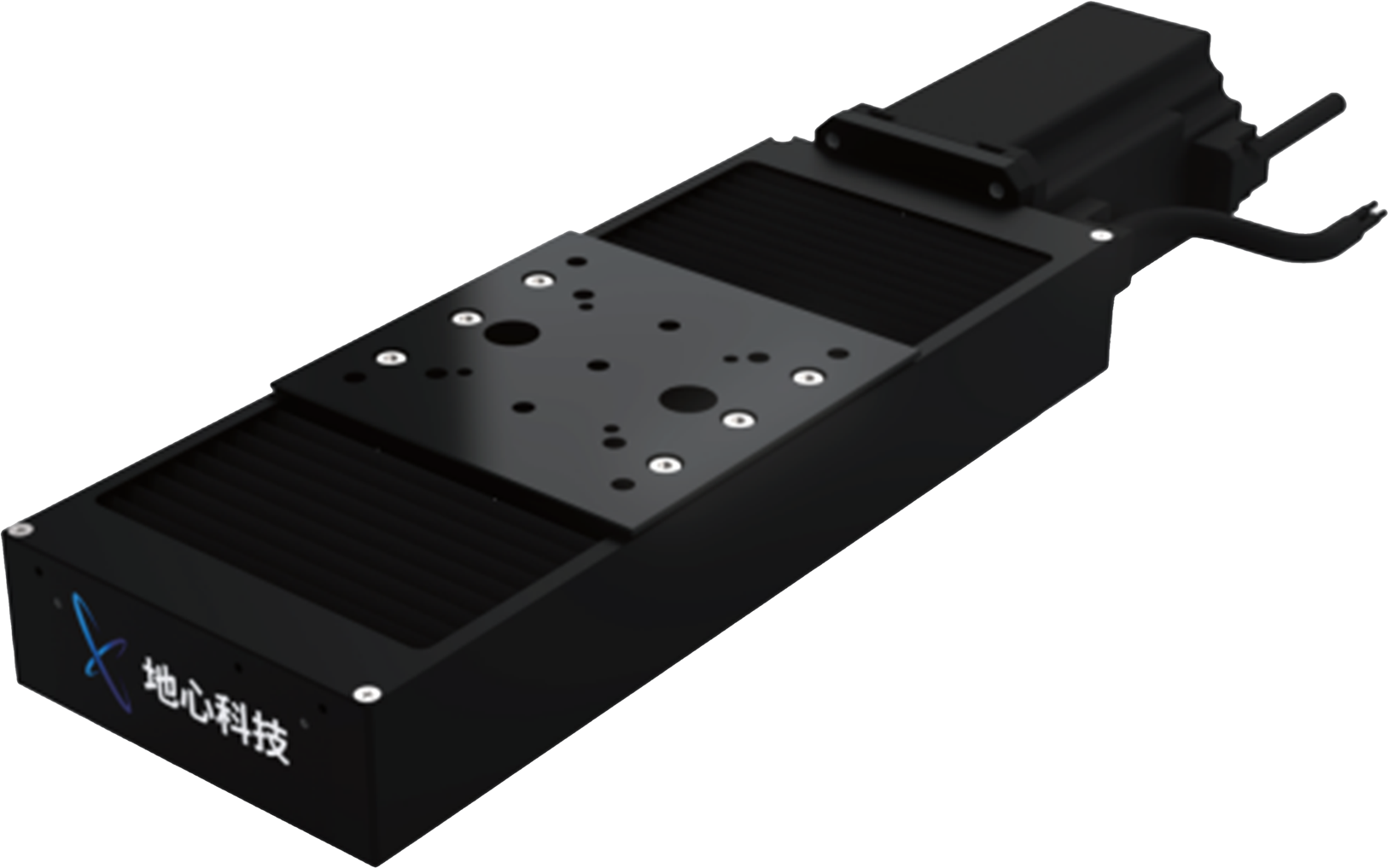
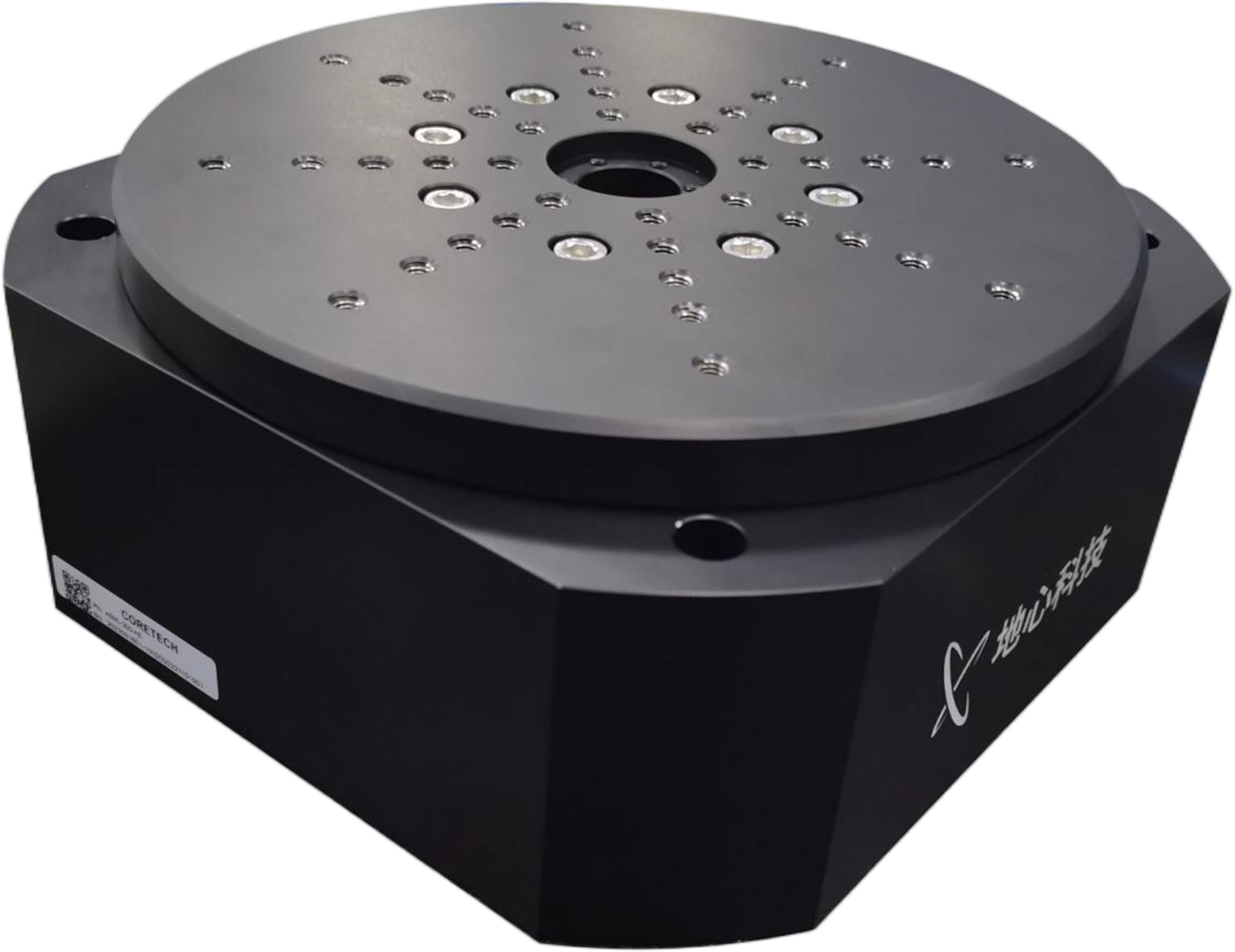
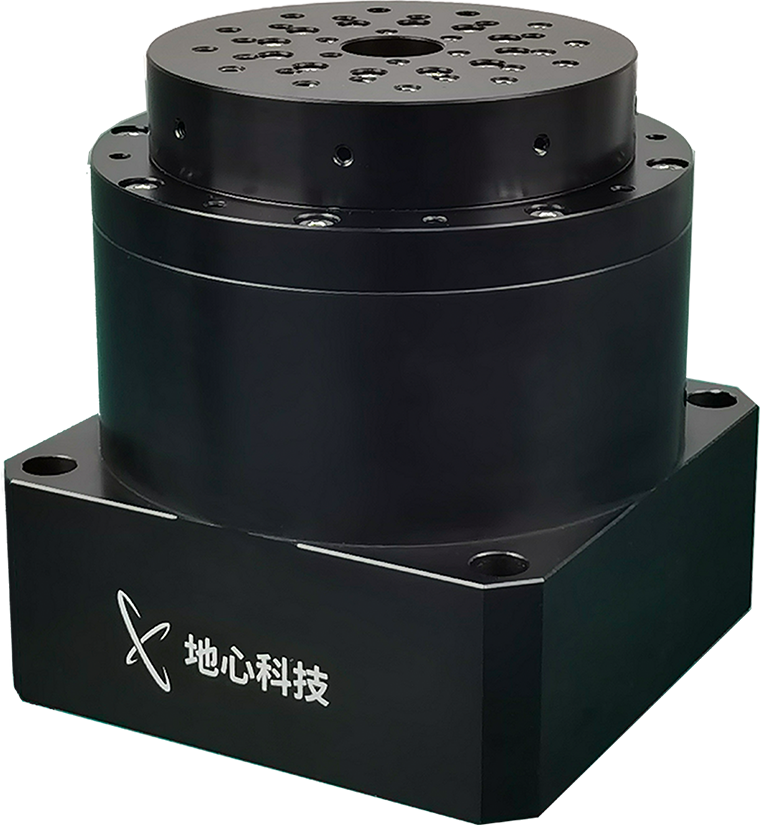
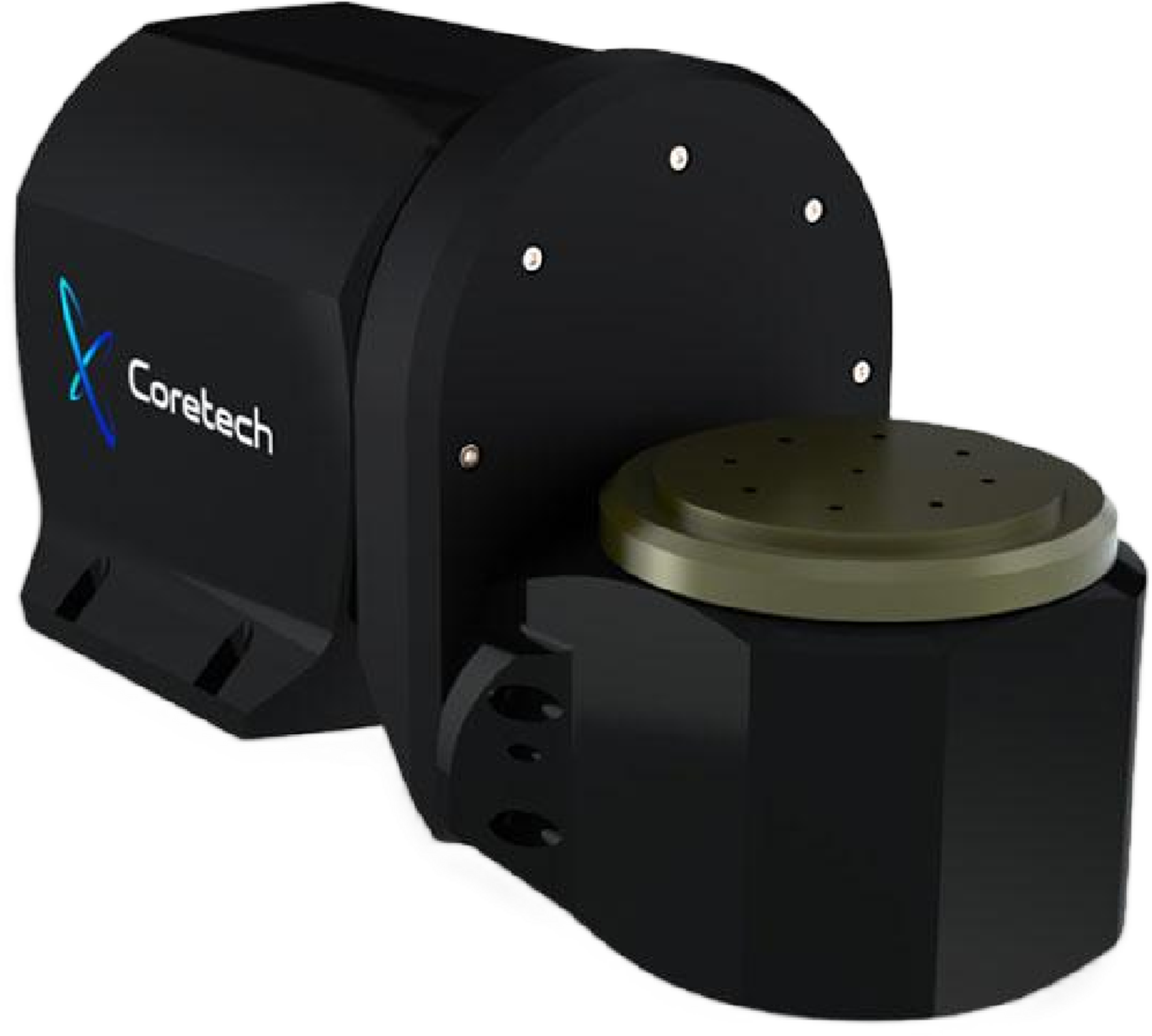
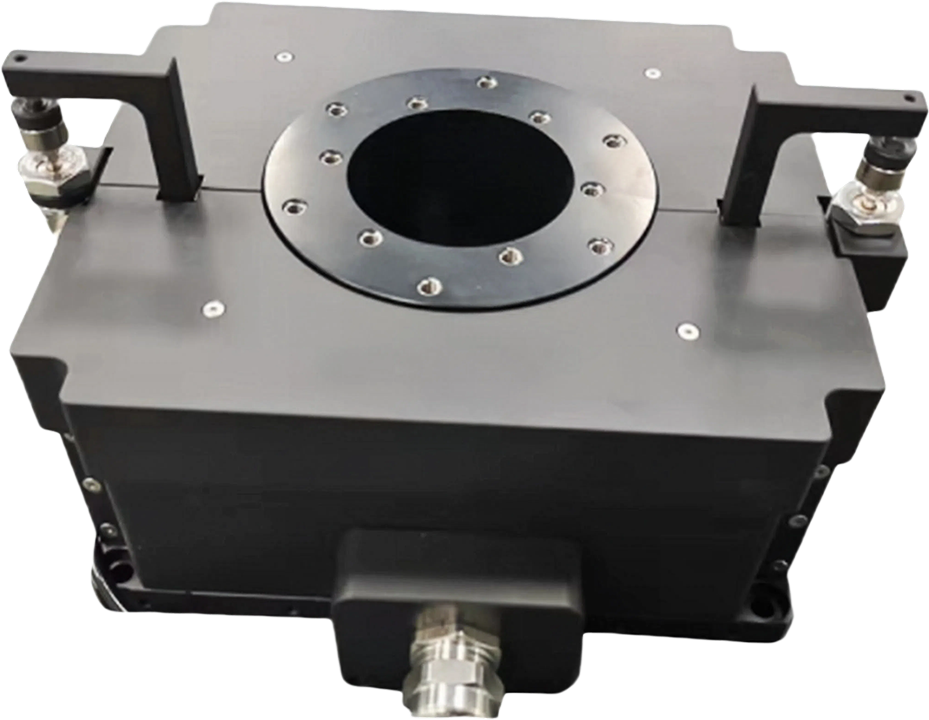
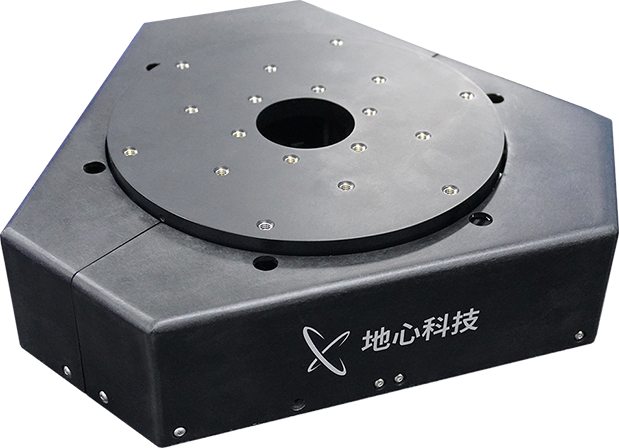
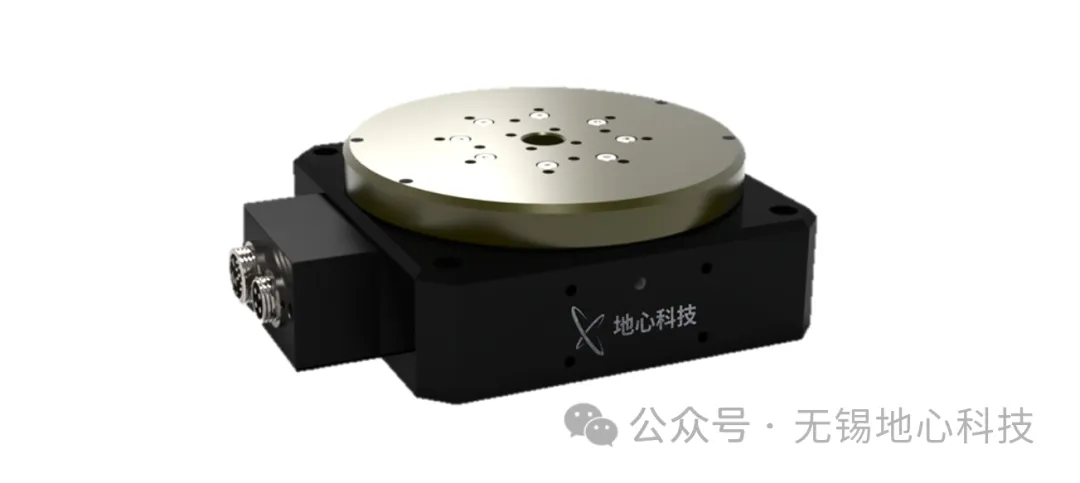
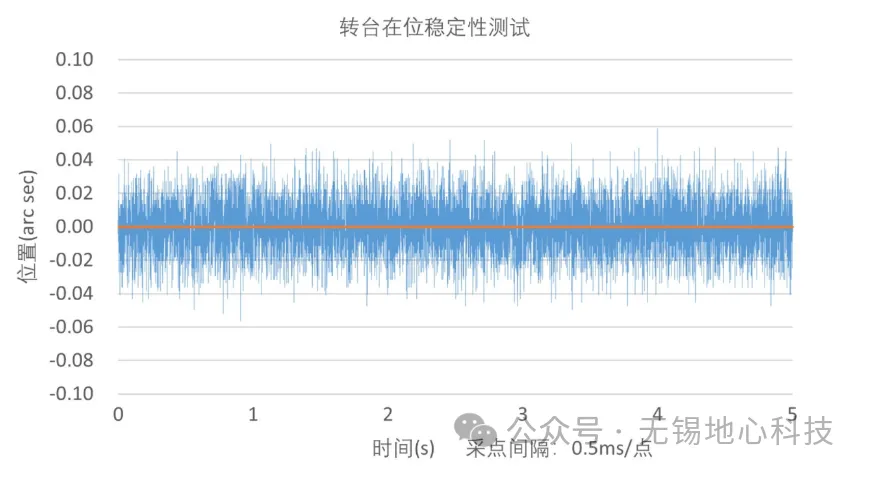
The RSML series is a high‑precision 360° continuous rotary stage, directly driven by a rotary motor and fitted with precision ball bearings, offering excellent dynamic performance and positioning accuracy, with a no‑load cutoff frequency of up to 100 Hz or more. The RSML series features an outstanding industrial design with a compact and elegant appearance. Tabletop sizes of 75 mm, 100 mm, 150 mm, and 200 mm are available, with a thickness of less than 60 mm. Equipped with high‑precision circular grating position feedback, it achieves positioning accuracy better than 6 arc seconds and axial/radial runout of less than 6 μm, with exceptional mechanical performance.
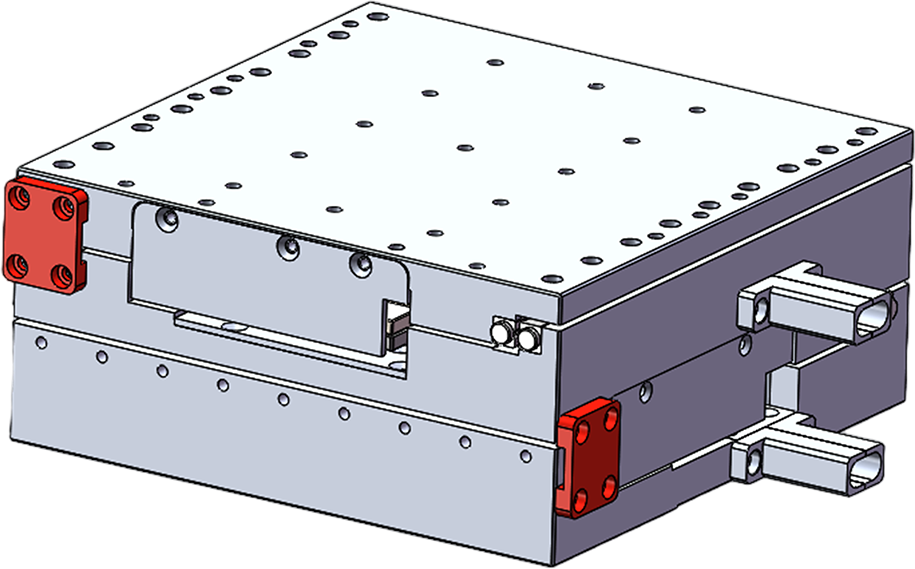
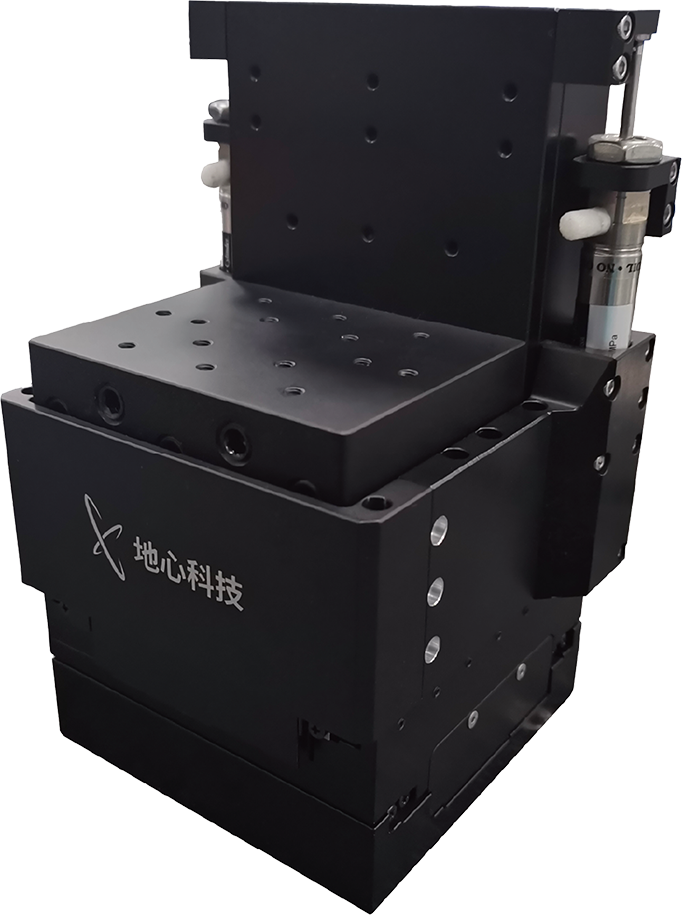
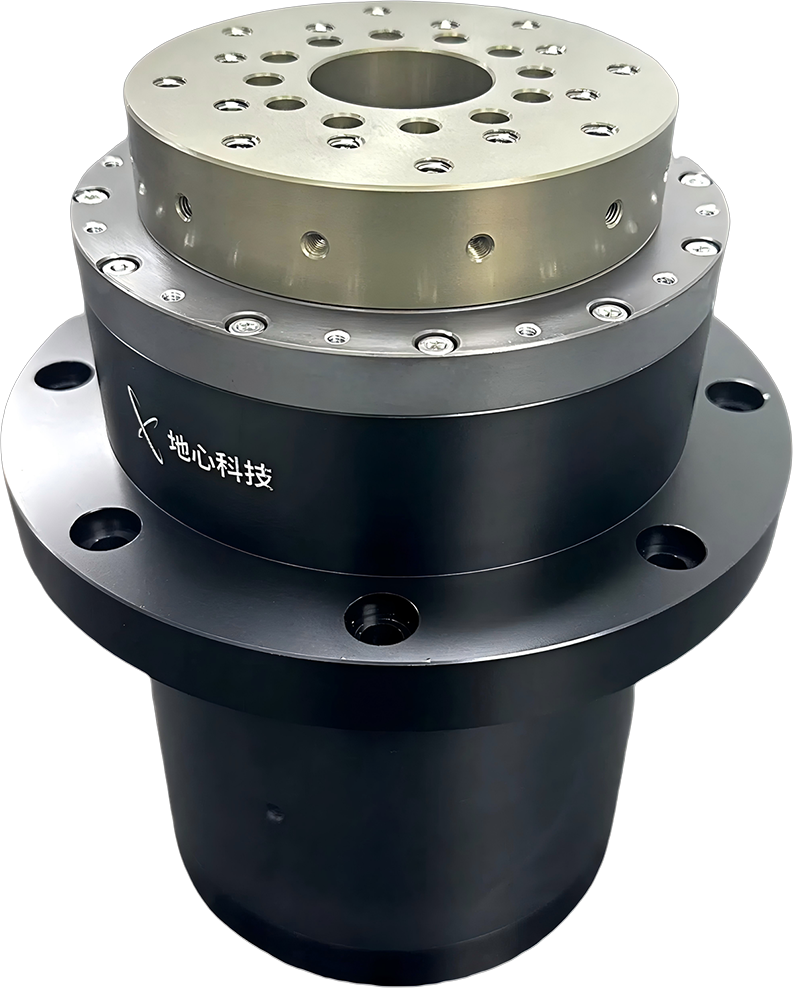
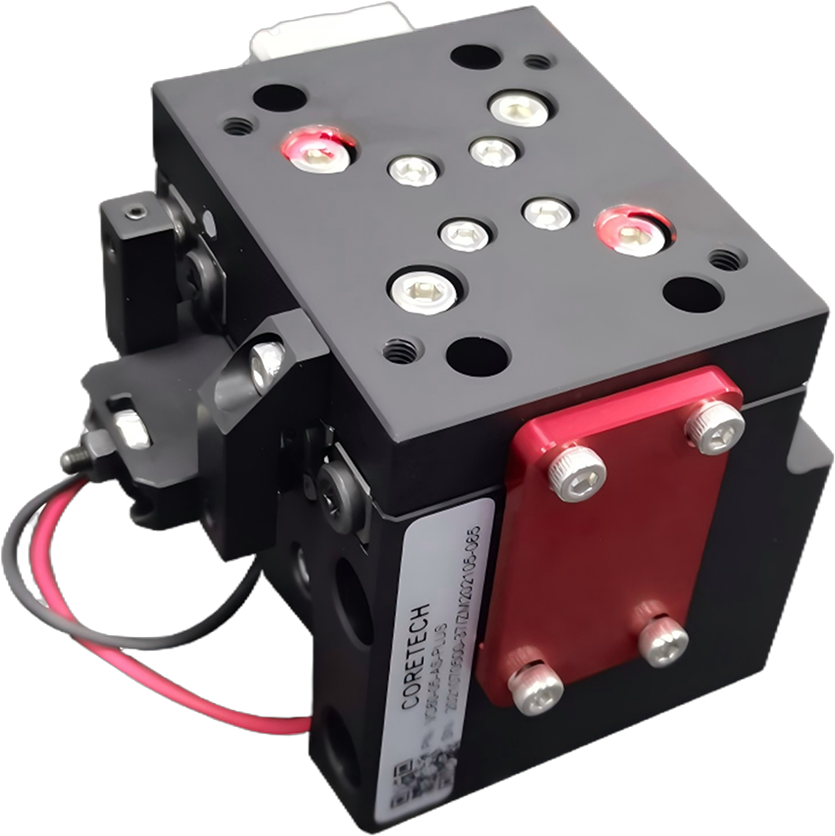
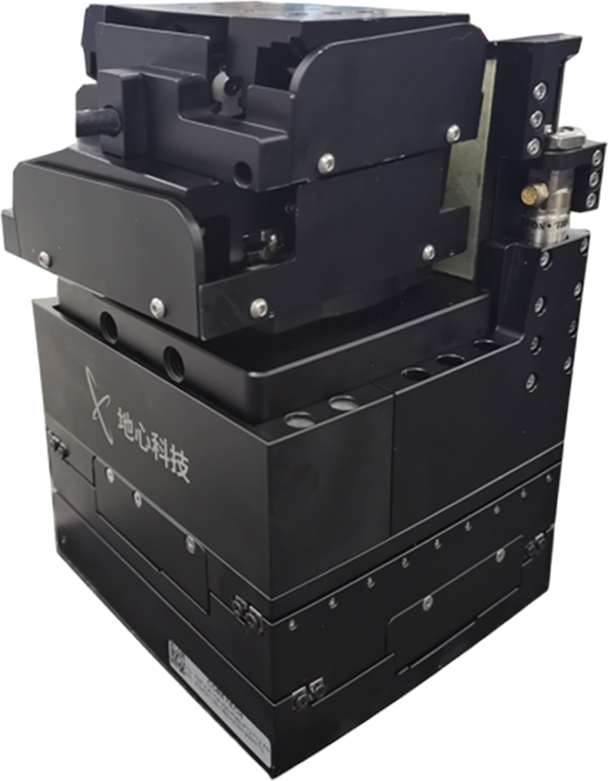
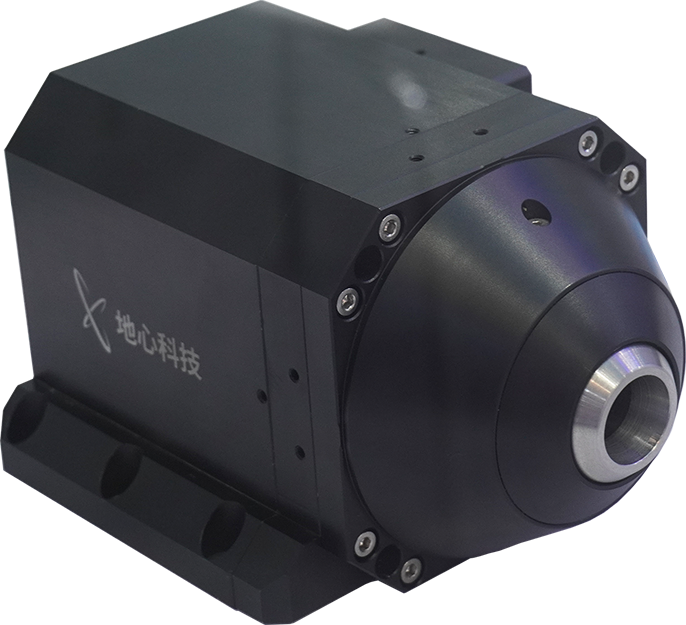
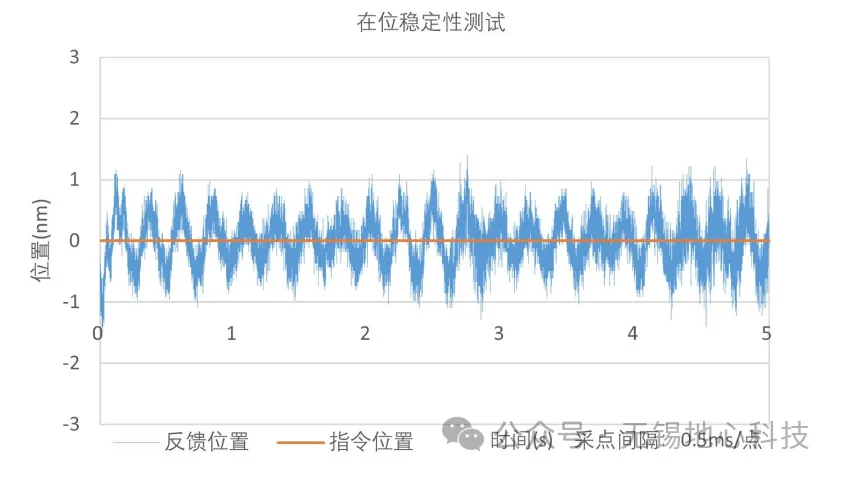
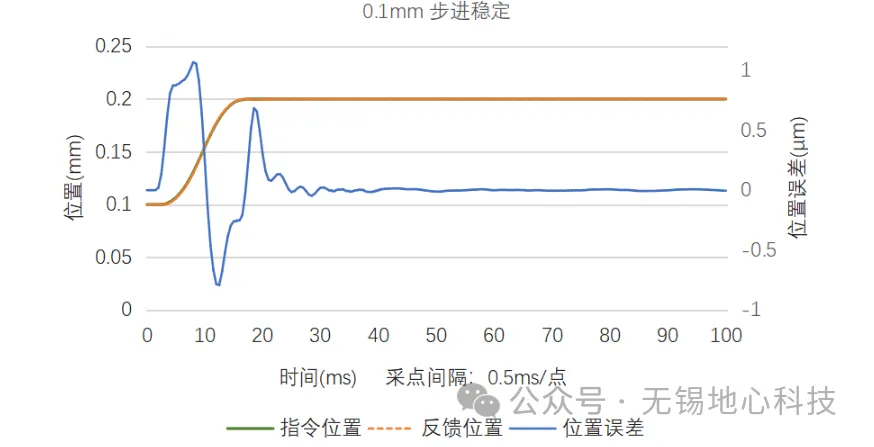
The ART130V‑5 is a lifting stage with nanometre‑level positioning accuracy, driven by a linear motor and fitted with cross‑roller guides, offering outstanding dynamic performance and positioning accuracy, with a no‑load cutoff frequency of up to 150 Hz or more. The ART130V‑5 series features a compact and lightweight structure, with a maximum speed of 75 mm/s and a no‑load acceleration of up to 0.7 g. Configured with a linear amplifier in a vibration‑isolated laboratory environment, the ART130V‑5 series lift stage achieves in‑position stability and minimum step of less than 10 nm.
04 Test Results
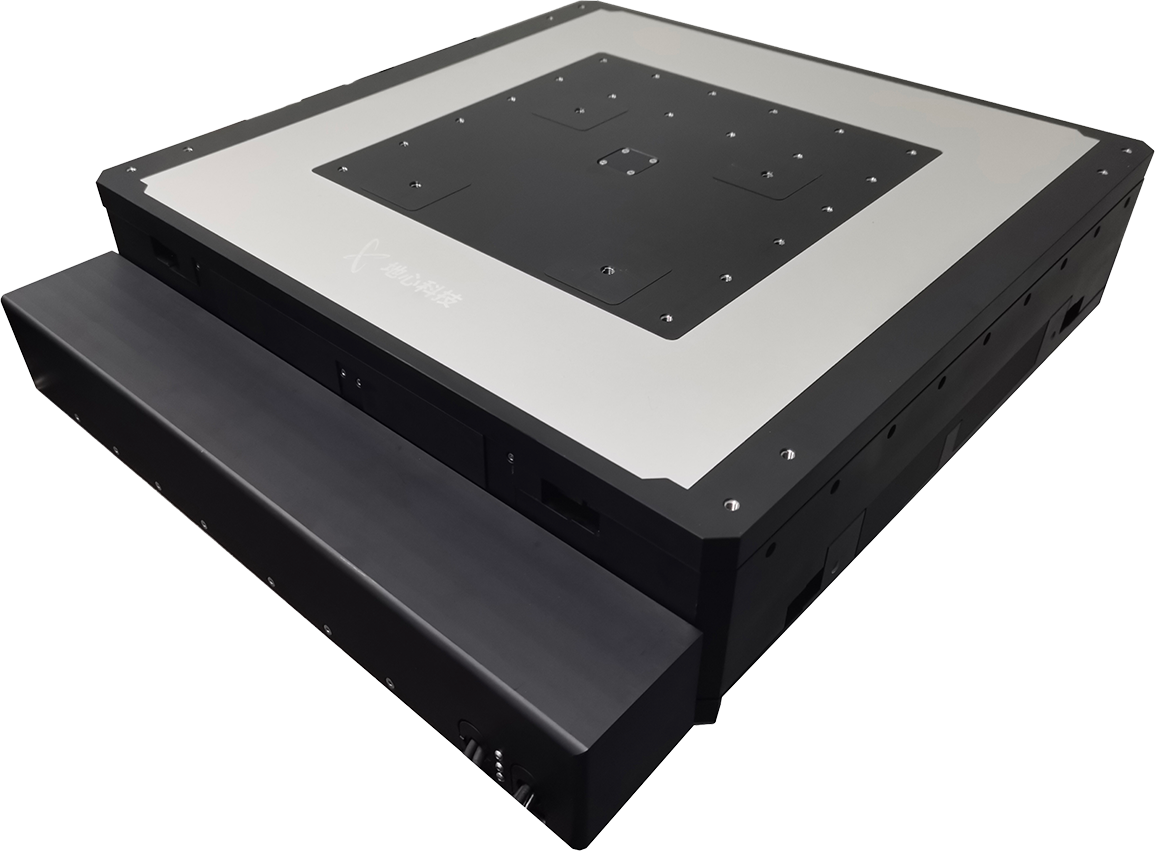
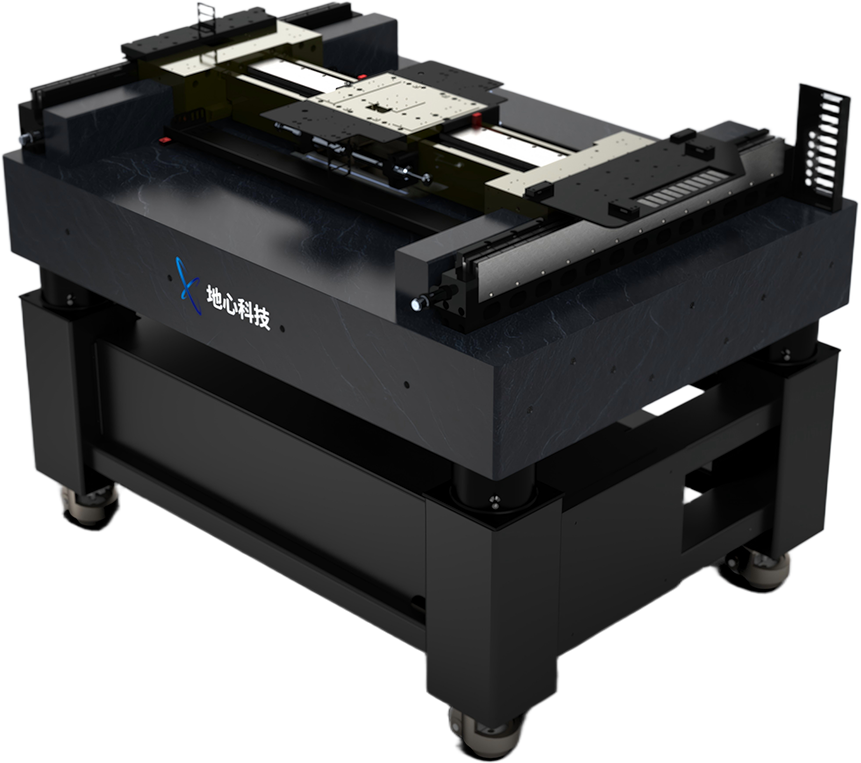
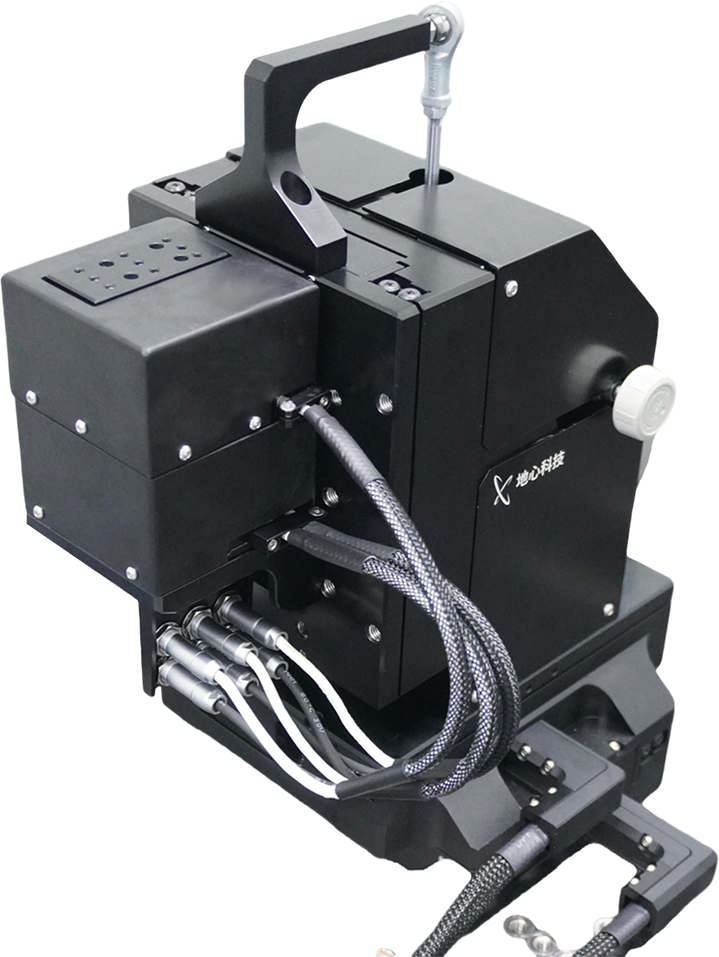
Coretech's classic solution—the XYZT 4‑axis precision positioning stage—has been extensively used and validated in the inspection systems of many partners.
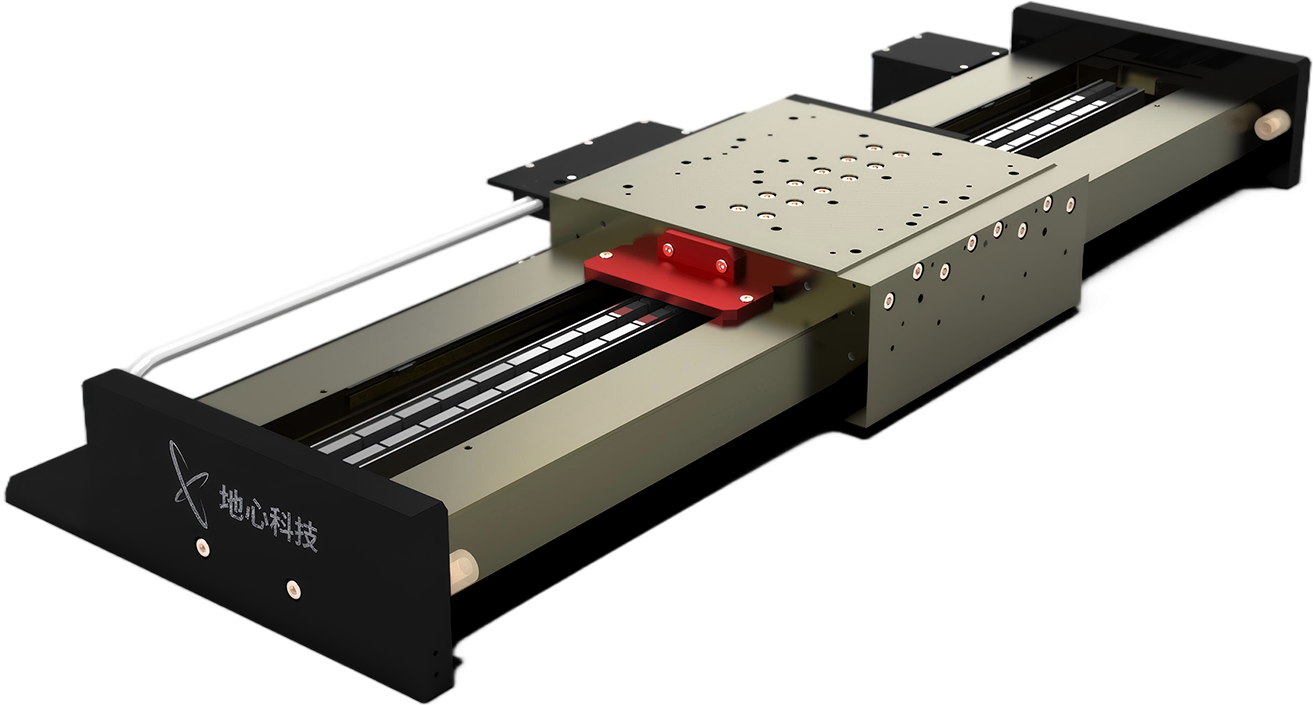
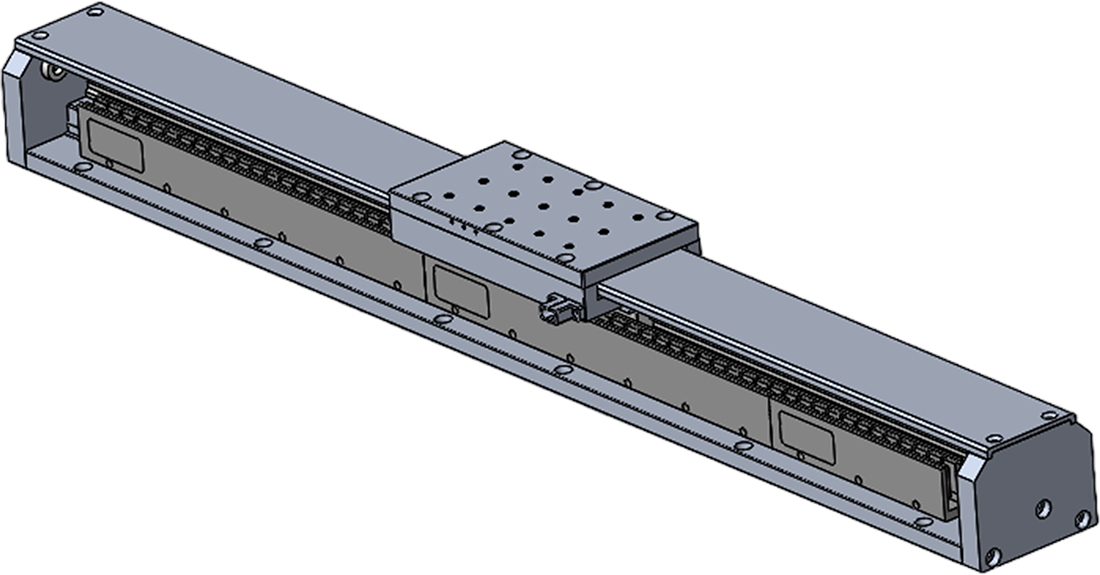
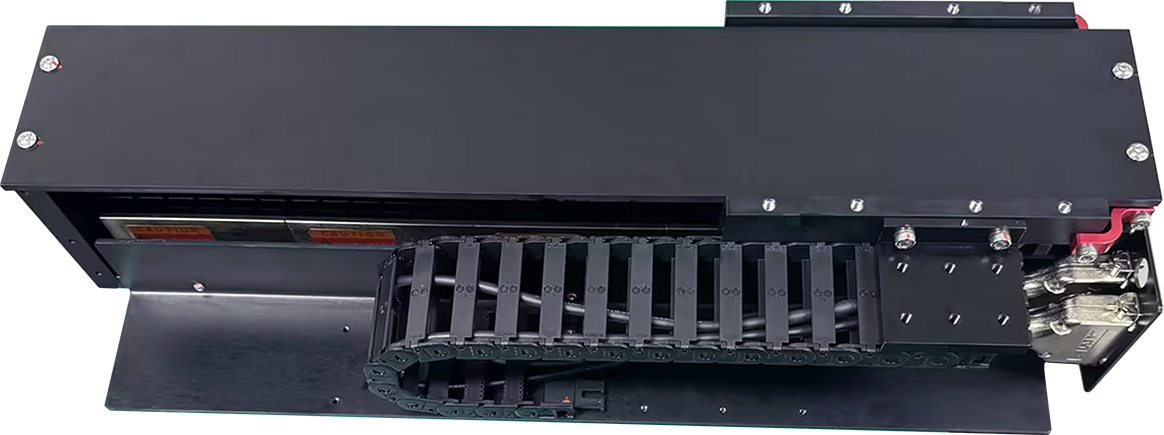
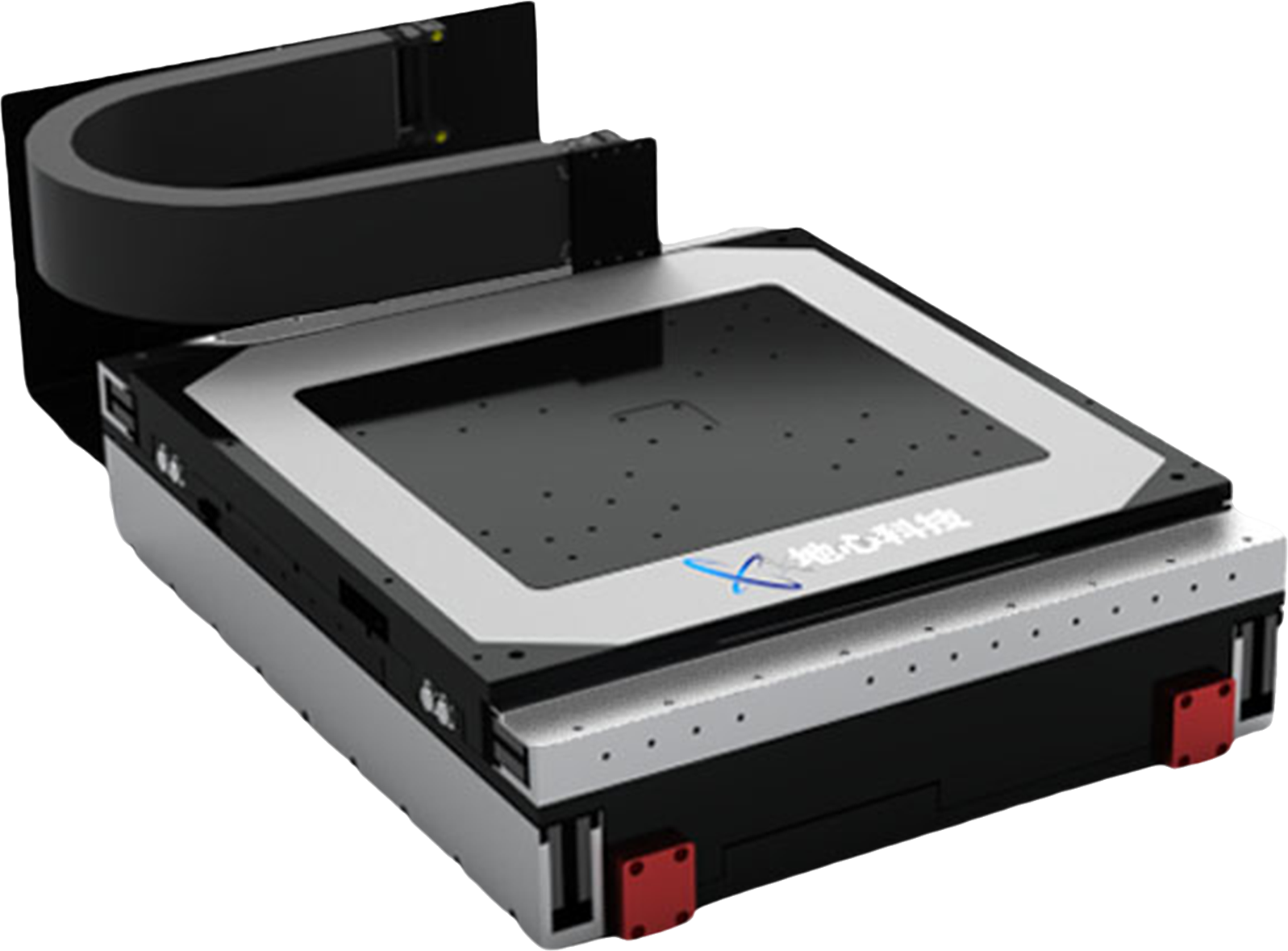
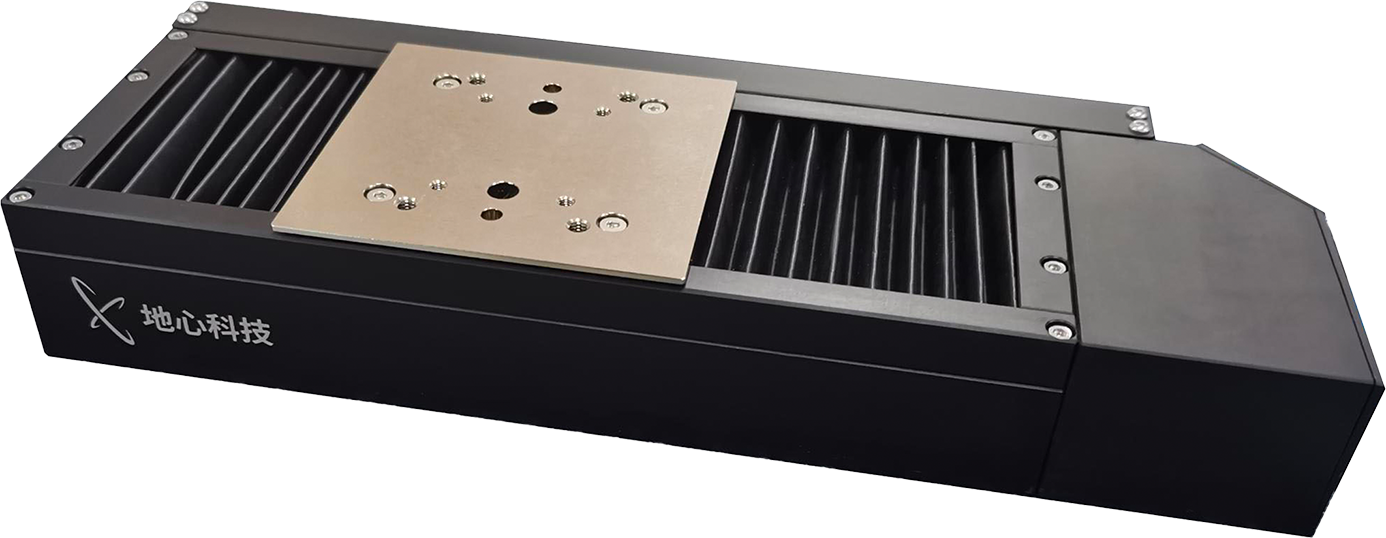
In addition to the classic CUBE‑4 platform, Coretech also offers the CUBE‑3 integrated 3‑axis platform, the OneXY platform for point‑to‑point scanning applications, the ART130XY platform, and the cost‑effective FLAT‑100XY platform. Together with the VC60‑5 series Z‑lift stages, RSML series mechanical rotary stages, and numerous other customised solutions, these meet a wide range of motion control requirements for customers' gene sequencing applications.
