

.png)

.png)







Home
 News Center
High-Precision Motion Stages Enhancing Coupling Alignment Accuracy in Precision Fiber Coupling Equipment
News Center
High-Precision Motion Stages Enhancing Coupling Alignment Accuracy in Precision Fiber Coupling Equipment
News Center
High-Precision Motion Stages Enhancing Coupling Alignment Accuracy in Precision Fiber Coupling Equipment
High-Precision Motion Stages Enhancing Coupling Alignment Accuracy in Precision Fiber Coupling Equipment
 2026-06-03
Share:


"Coretech's FAP series high-speed, high-precision 6-axis integrated precision motion stage, with its outstanding motion repeatability and minimum step capability, perfectly addresses the challenge of high-speed spiral-trajectory light searching in fiber coupling equipment, and is widely used in silicon photonics coupling equipment."
01 Optical Module Coupling Technology
Optical communication is a system that uses optical signals as carriers and optical fibers as transmission media to enable information transfer. The fundamental driver behind optical communication network construction is the rapid and sustained growth in data traffic demand. As data traffic continues to increase, the data transmission and bandwidth pressures on traditional bearer networks are constantly mounting, and backbone network transmission rates are upgrading from 100G to higher speeds such as 200G, 400G, and 800G.
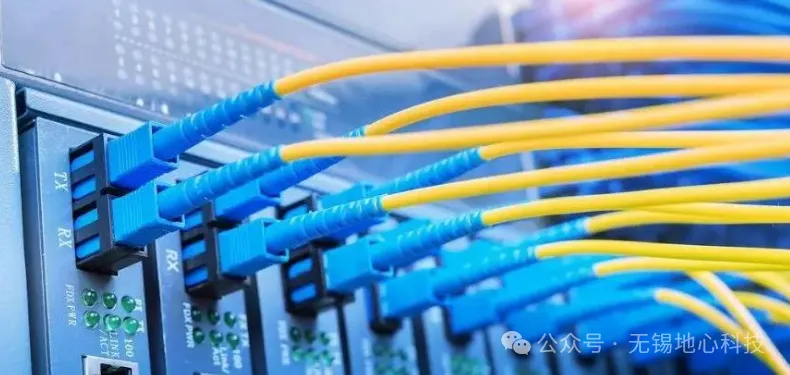
In the field of optical communications, with the continuous emergence of new artificial intelligence applications, silicon photonics technology—with its high-speed, high-density interconnect characteristics—has rapidly become a focal point in the industry.
Silicon photonics integrates optical and electronic functions within silicon, bringing revolutionary changes to data transmission and processing. Standing at the forefront of modern technology, it enables high-speed, high-bandwidth communication, which is critical for generative AI, cloud computing, and data-driven economies. Silicon photonics technology integrates the key photonic components and functions of high-speed optical modules into a silicon substrate, enabling fabrication using standard commercial wafer foundries.
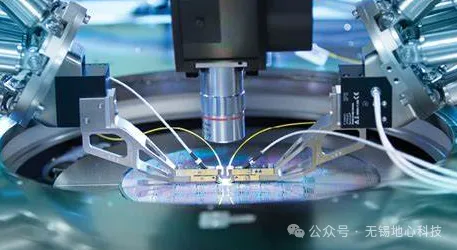
An optical module converts electrical signals to optical signals at the transmit side and converts optical signals back to electrical signals at the receive side. By tracing light entering and exiting the device, we can highlight the key optical components of the module. To receive light, there must be a coupling interface to the silicon chip, which can be via grating couplers vertically through the top of the chip or via edge couplers through the side of the silicon chip. Waveguides guide light through the chip, and silicon-based photodetectors detect the light and convert the signal to the electrical domain, where it is interpreted by the device's electronics.
At the transmit end, light generated by a laser is directed into the chip, where it needs to be modulated onto a signal carrier carrying information. The light is ultimately coupled out of the chip and into an optical fiber. From there, it can pass through a standard interface to the fiber optic cable outside the module.
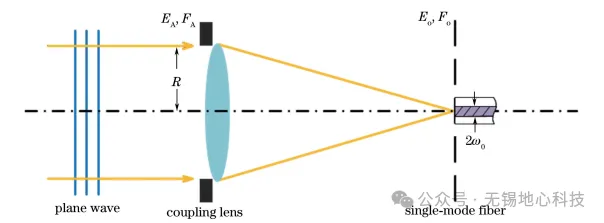
The core diameter of a multimode fiber is only about 50 μm—roughly half the thickness of a human hair—while the core diameter of a single-mode fiber is only about 10 μm. Coupling single-mode or multimode fibers to silicon photonic devices, as well as coupling multimode fiber to single-mode fiber, is subject to significant optical power losses due to limitations imposed by the fiber core radius, alignment errors, stage vibration, thermal effects, and other factors. Current mainstream silicon photonic module solutions mainly include single-mode silicon photonics (DR/FR) solutions and coherent silicon photonics solutions. The critical steps in silicon photonic coupling are dual-FA (Tx/Rx) coupling, dual-lens coupling, and coupling between the laser diode and the photonic integrated circuit (PIC)—all of which demand extremely high precision. Achieving ultra-high coupling efficiency is a highly challenging task.
02 Key Aspects of Light Searching in Fiber Coupling Scanning
During fiber coupling, the initial position of the focused spot can vary each time, so coupling cannot be performed effectively in a fixed manner. When the focused spot deviates significantly from the fiber position, a spiral scanning algorithm is typically used to drive the focused spot over a wide search range to locate the initial coupling position. The spiral scanning pattern is illustrated below:
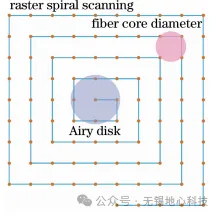
The spiral scan starts from the region of maximum probability density of the spot and gradually expands the scanning range around the center, performing multiple layers of scanning over the designated area. This effectively covers the entire region and minimises the risk of missed areas.
The specific spiral scanning process is as follows: a high-precision linear stage, in conjunction with a vision positioning system, determines the initial position of the optical chip. The step size for the spiral scan is set, and the high-precision motion stage moves the focused spot sequentially while the optical power coupled into the single-mode fiber is detected. To reduce the number of scanning steps, when the coupling efficiency first meets a threshold condition, a grating spiral scan is initiated again from that position, and all positions meeting the threshold condition are recorded during the scan. After a specified number of scanning steps, an average position is calculated from these marker points, and the focused spot is driven to that position—the initial coupling position.
Near the initial position found by the spiral search, a single-axis fine light-searching routine (fine search) is performed. After all axes of the scanning system have completed their motions, the position with maximum optical intensity is analysed from the fine-search data to confirm that the light-searching process has been accurately completed. Several commonly used optimisation motion control algorithms include the SPGD algorithm, simulated annealing (SA), and genetic algorithms (GA).
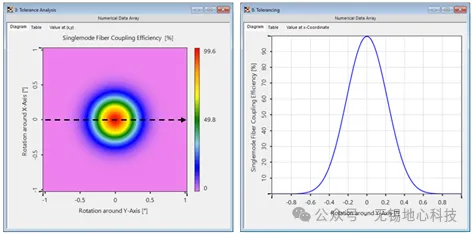
High-precision multi-axis precision drive control technology is one of the key technologies in fiber coupling equipment. Coupling from the optical chip to the lens and from the lens to the fiber requires high-precision alignment. During the alignment process, the motion stage must perform scanning with extremely small step increments while simultaneously recording the power output at each point from the optical power meter with high synchronisation. Furthermore, common light-searching trajectories—such as geometric centre, spiral, and bisection methods—require a fine search after the coarse search, necessitating sufficiently high motion repeatability and steady-state accuracy from the motion system.
03 Coretech Solutions
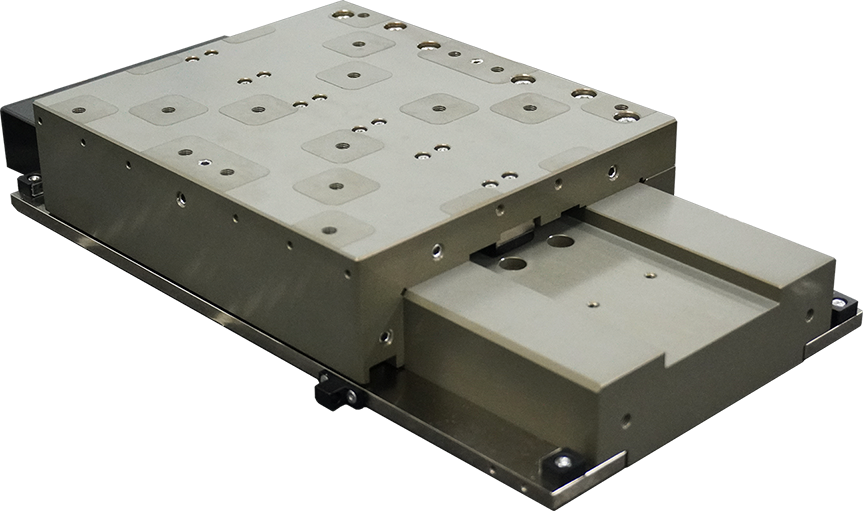
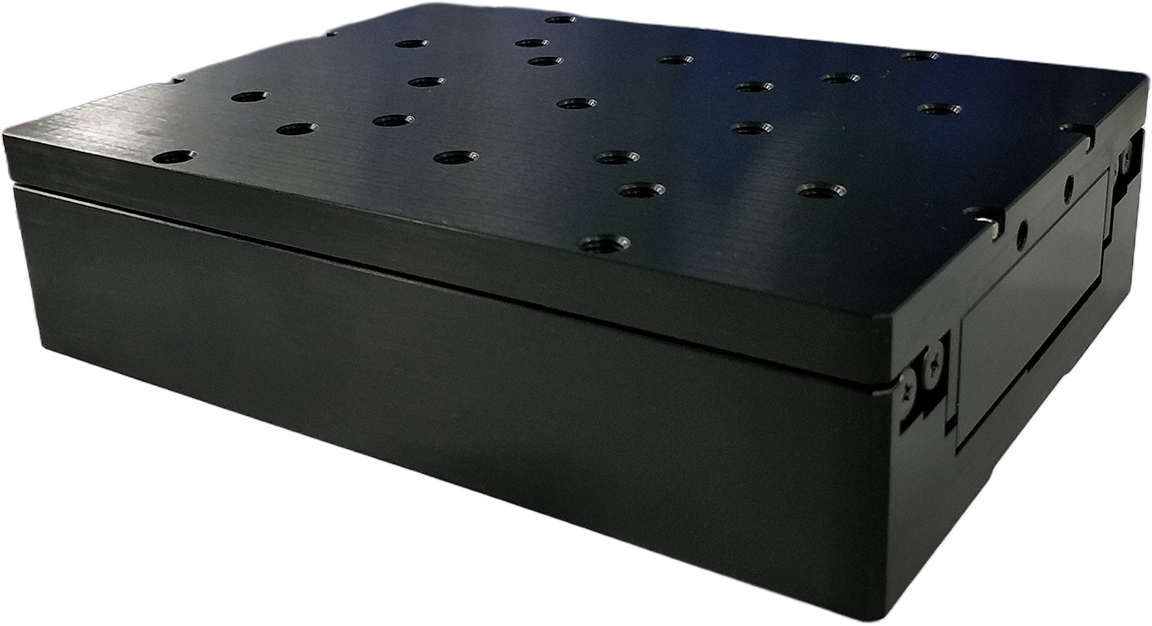
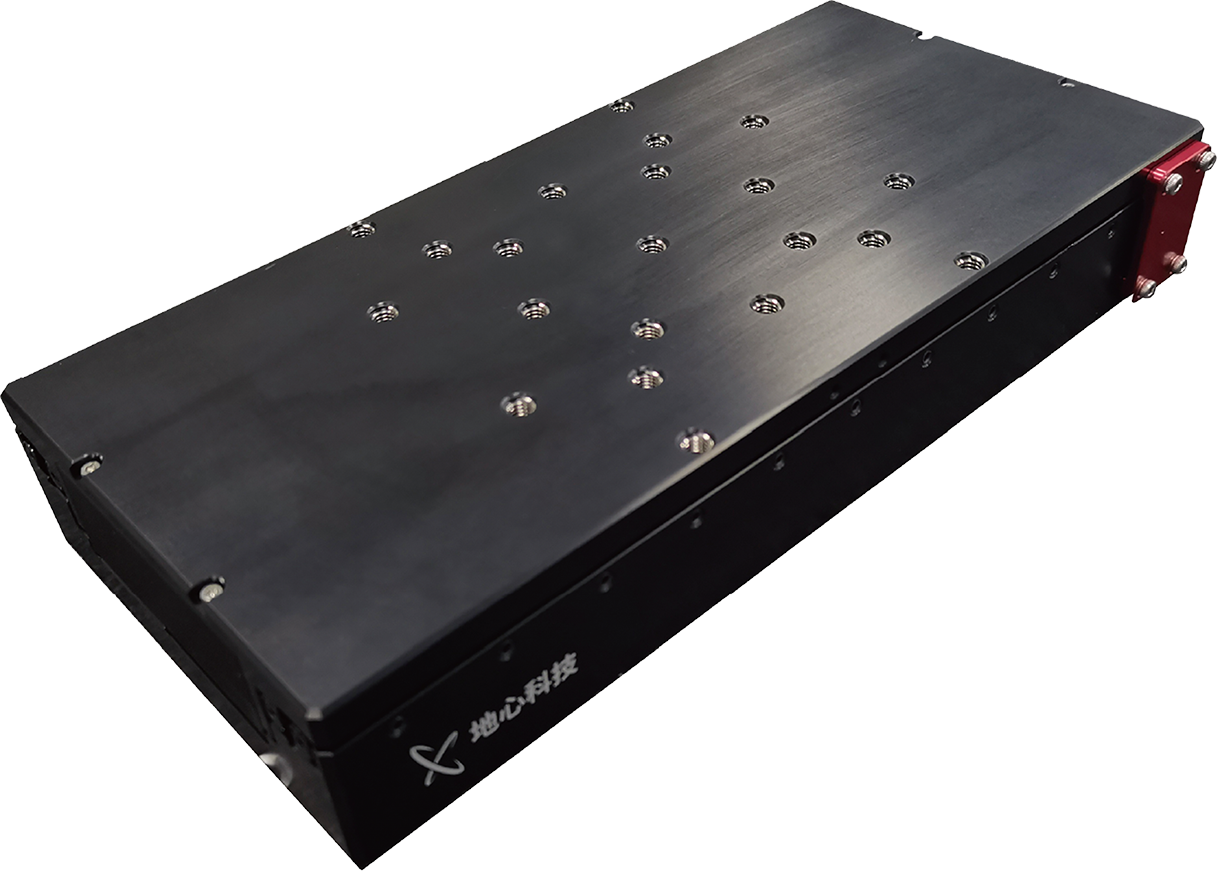
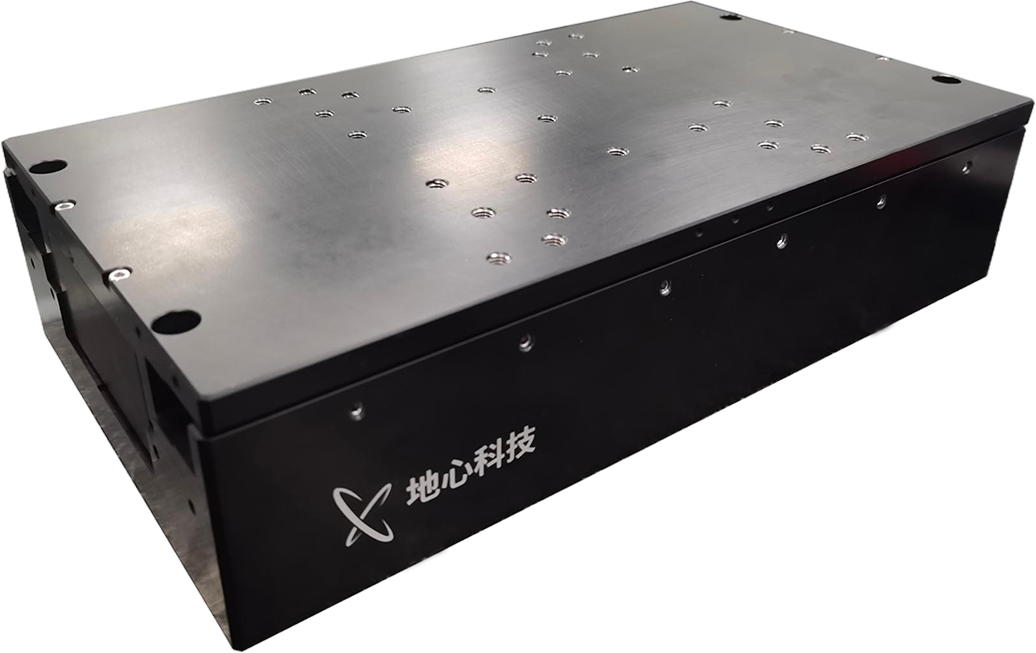
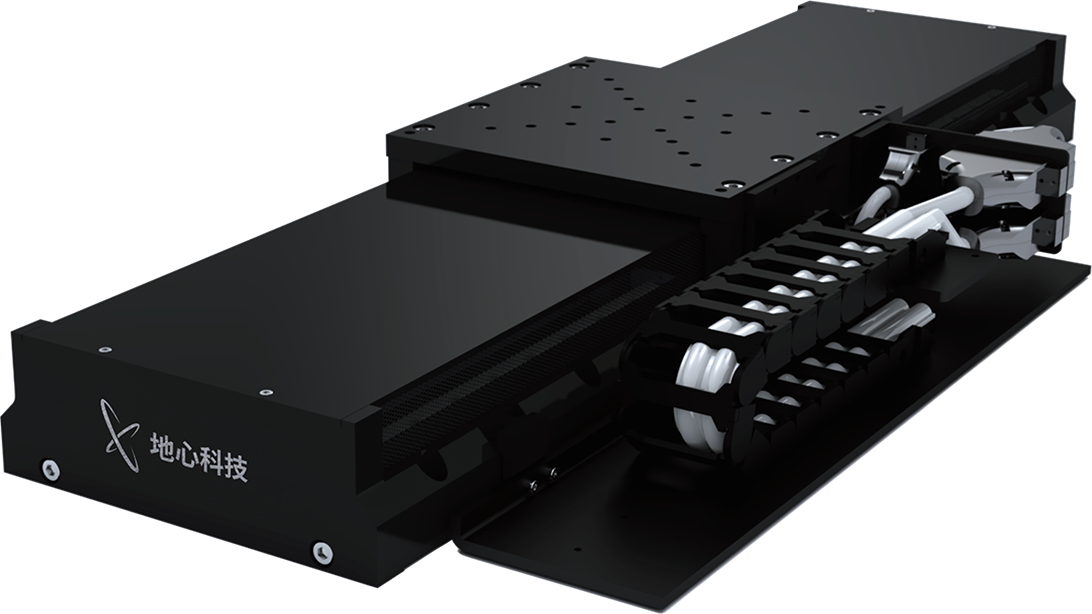
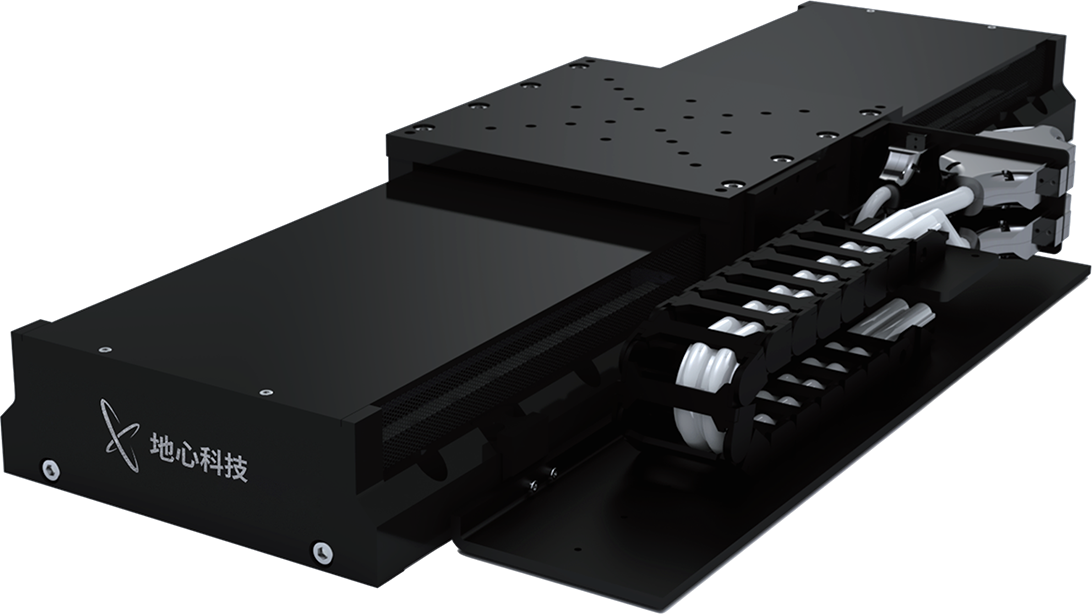
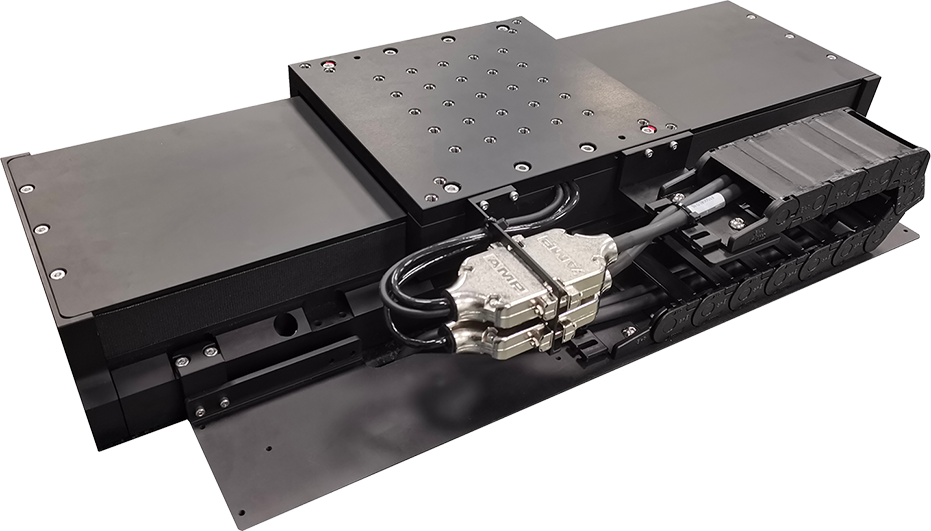
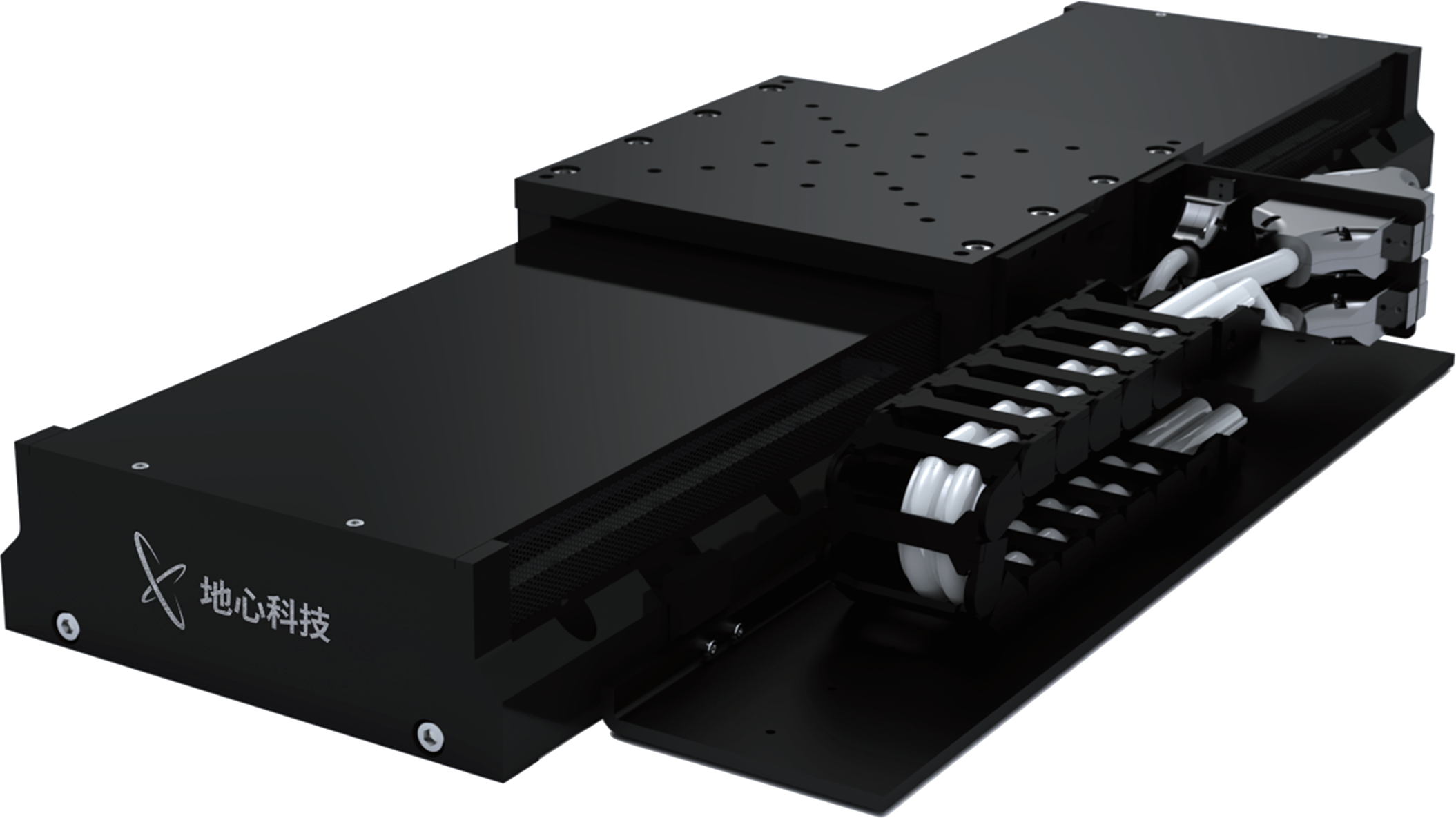
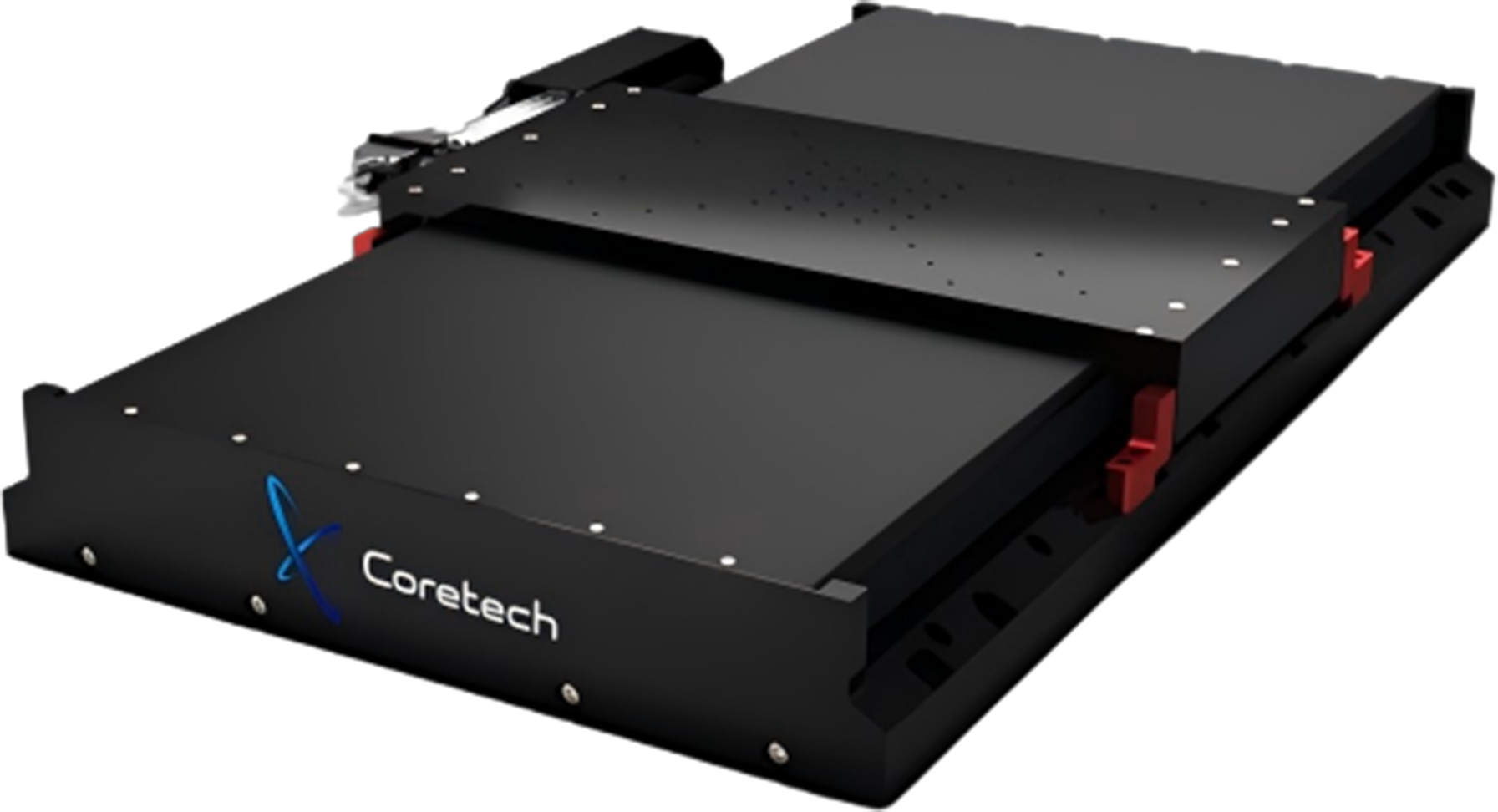
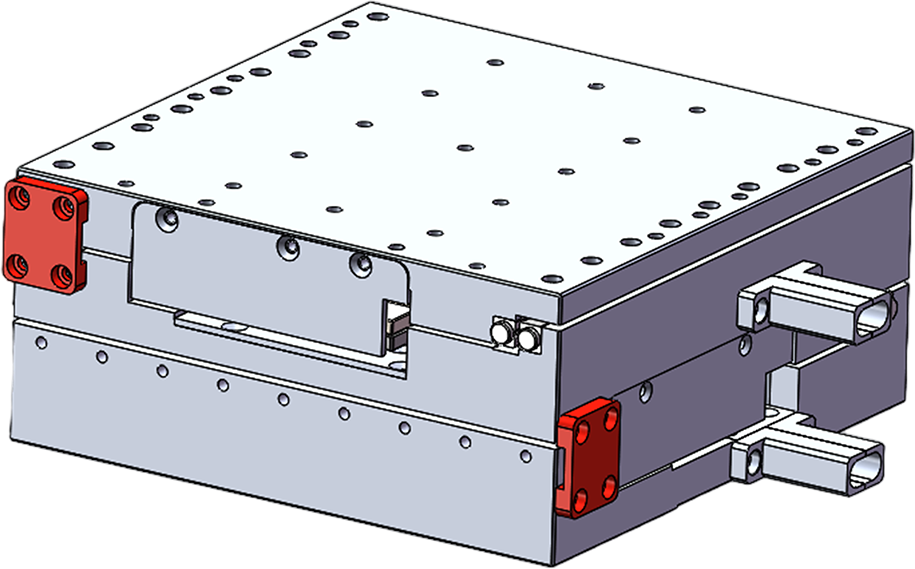
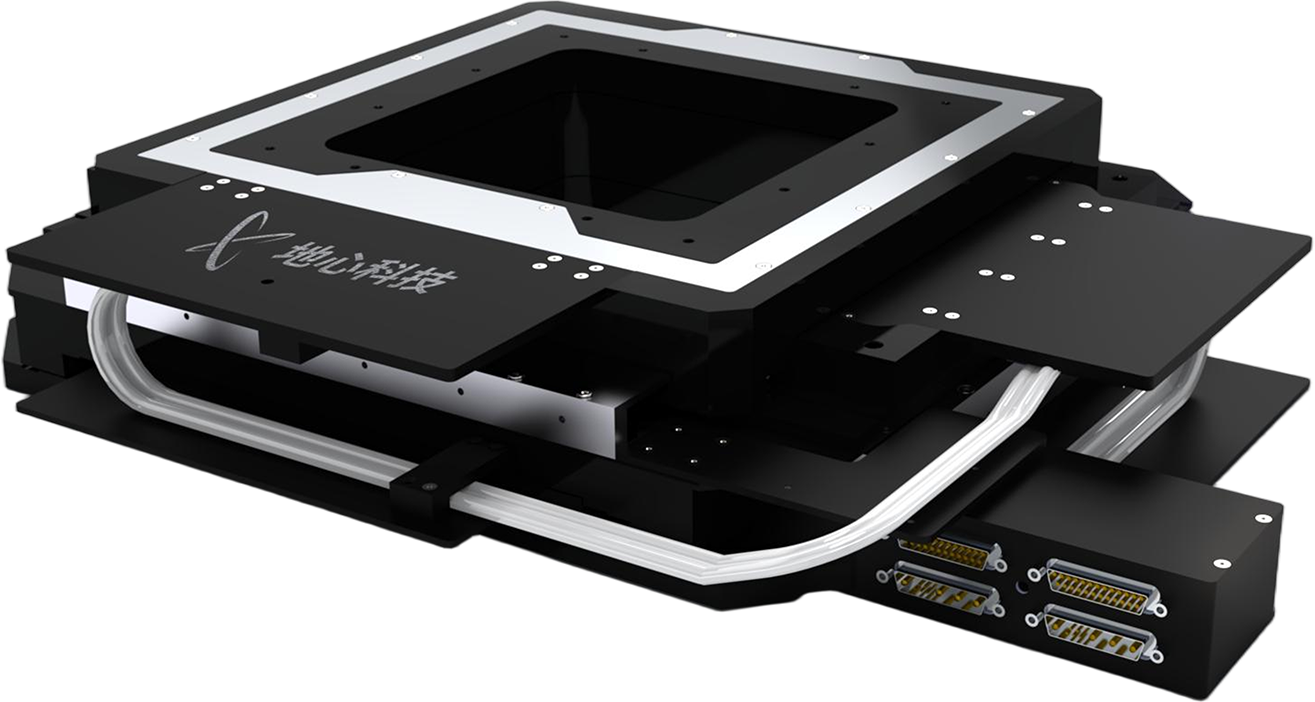
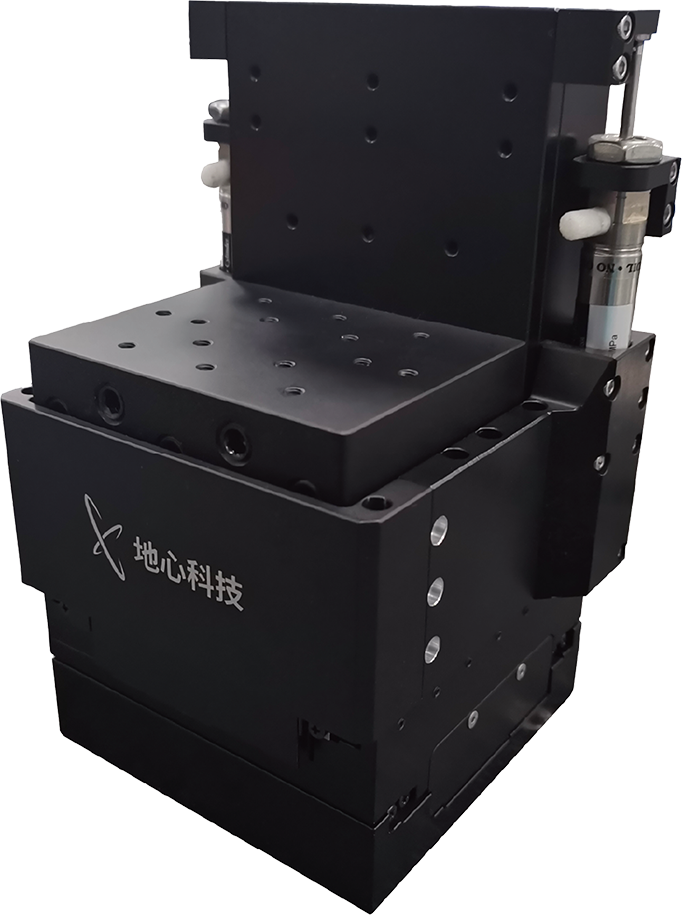
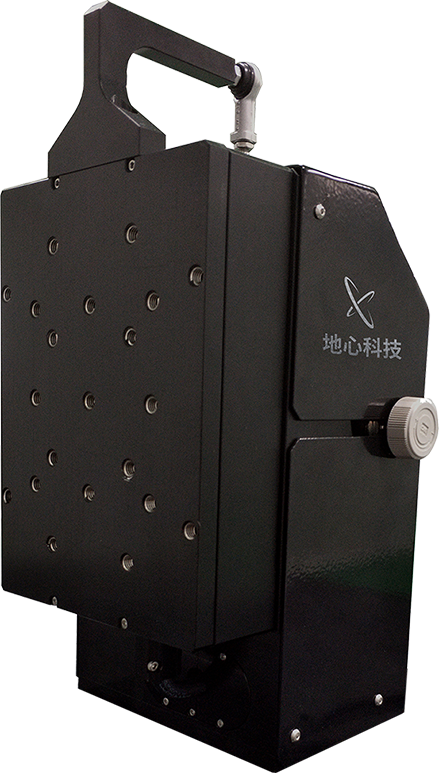
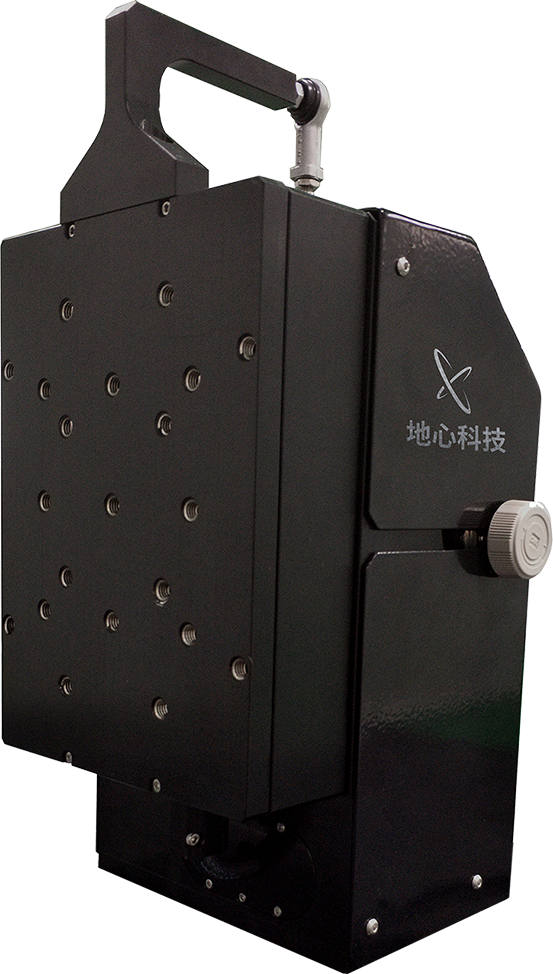
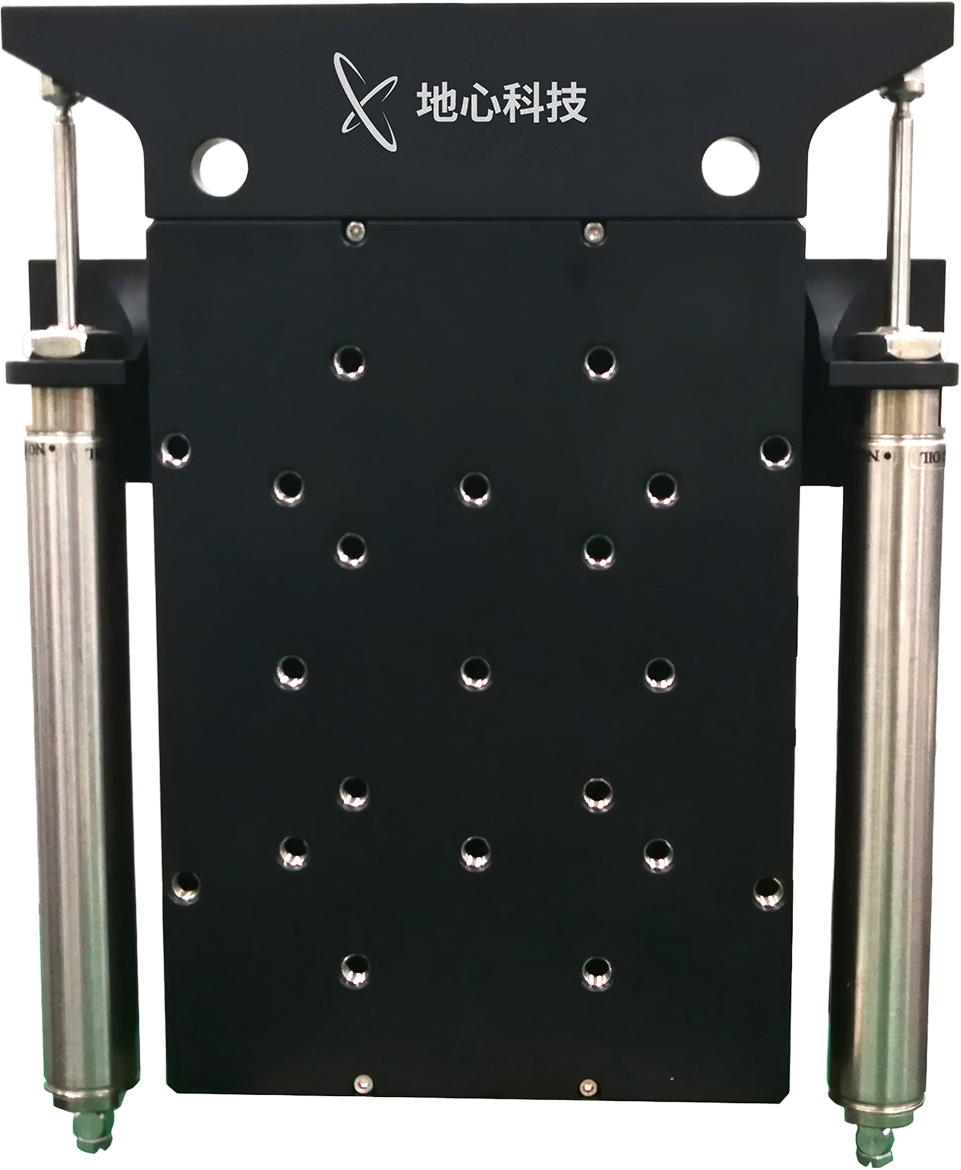
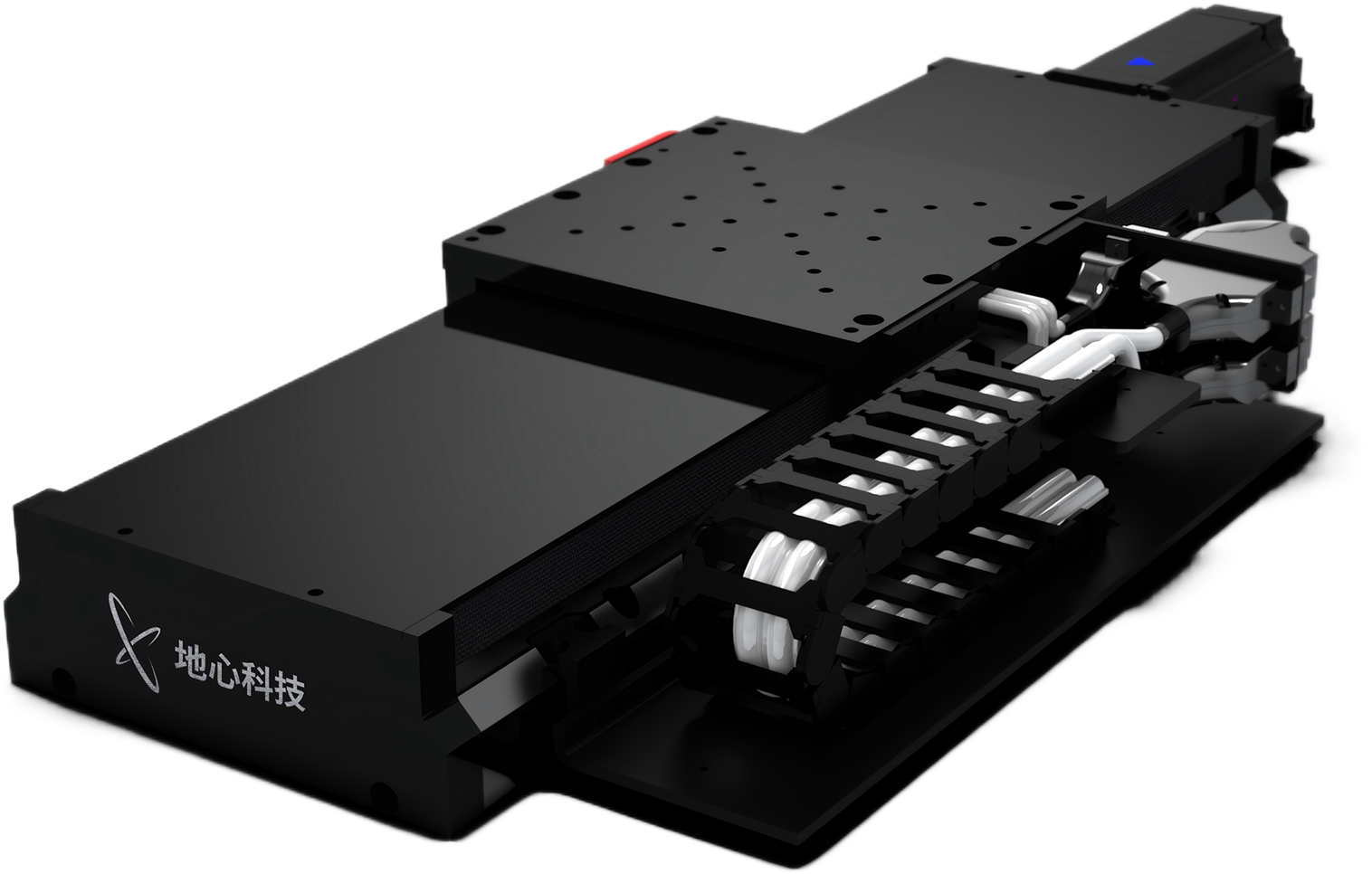
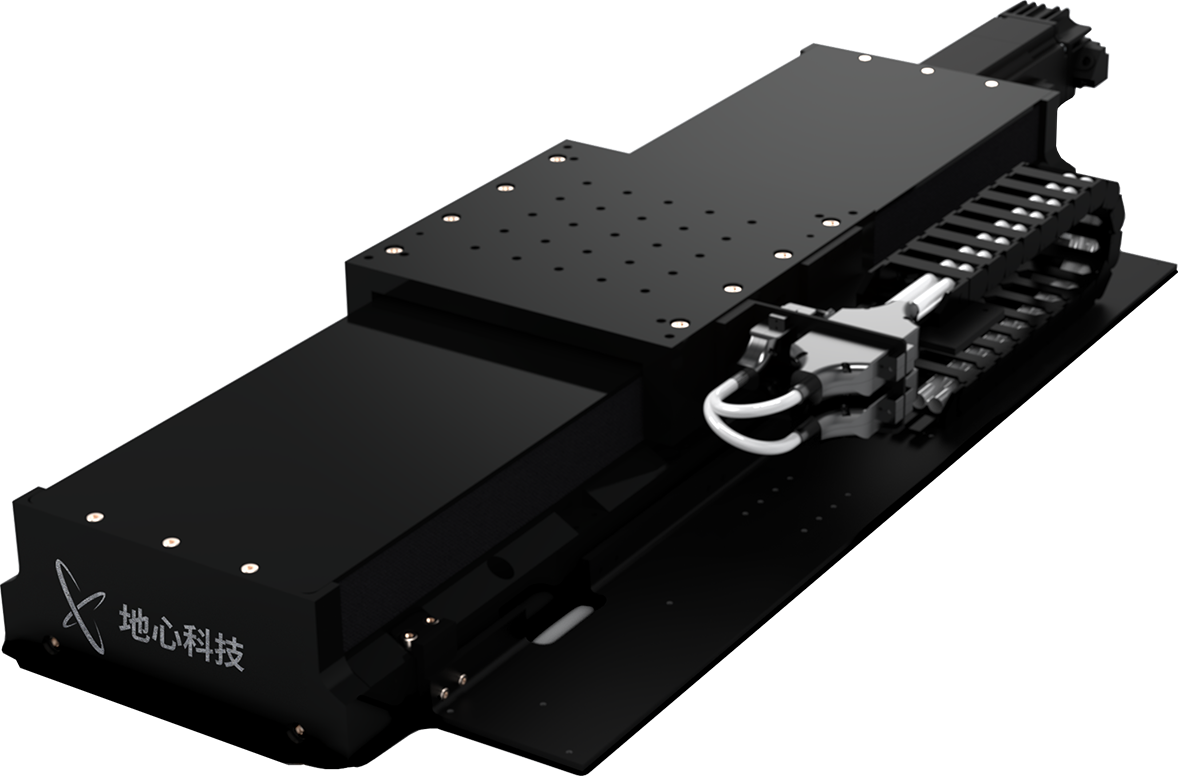
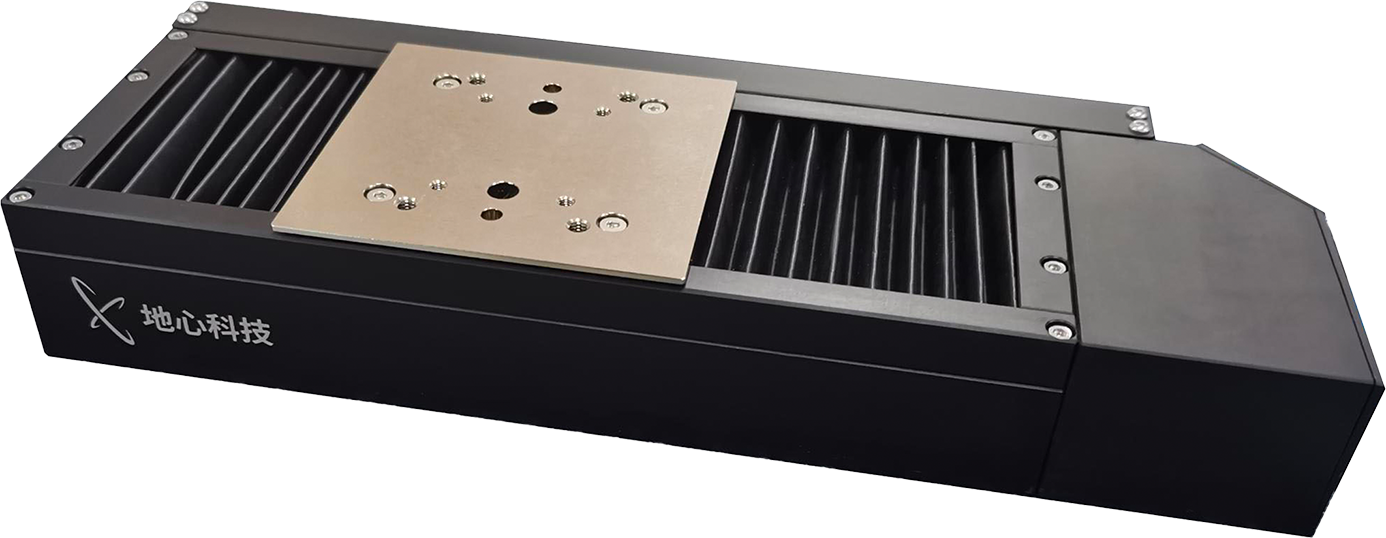
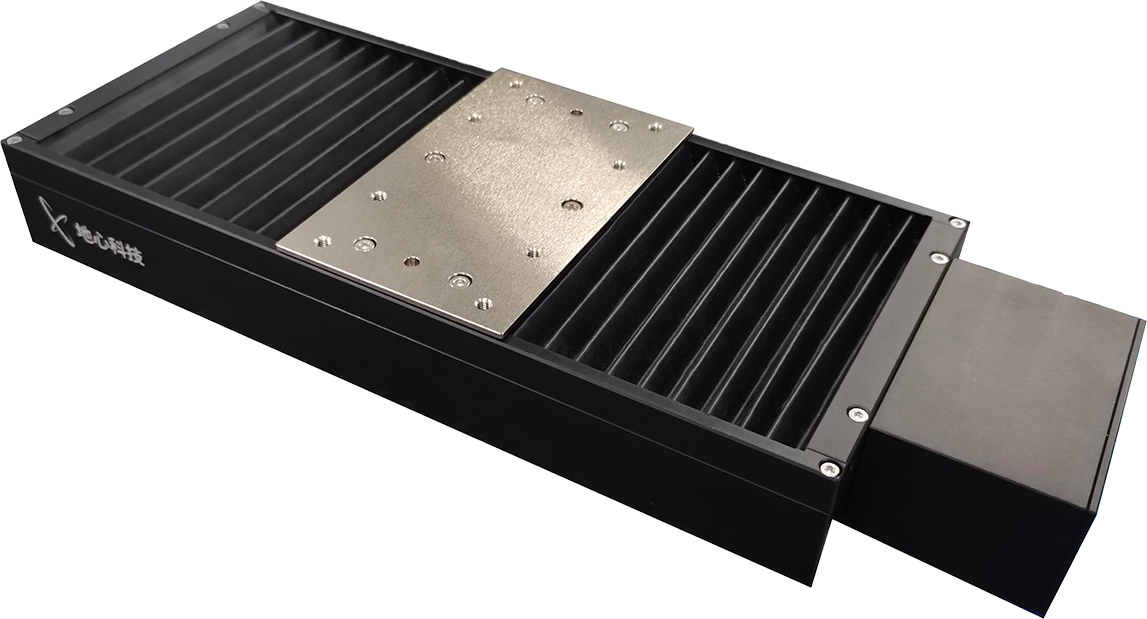
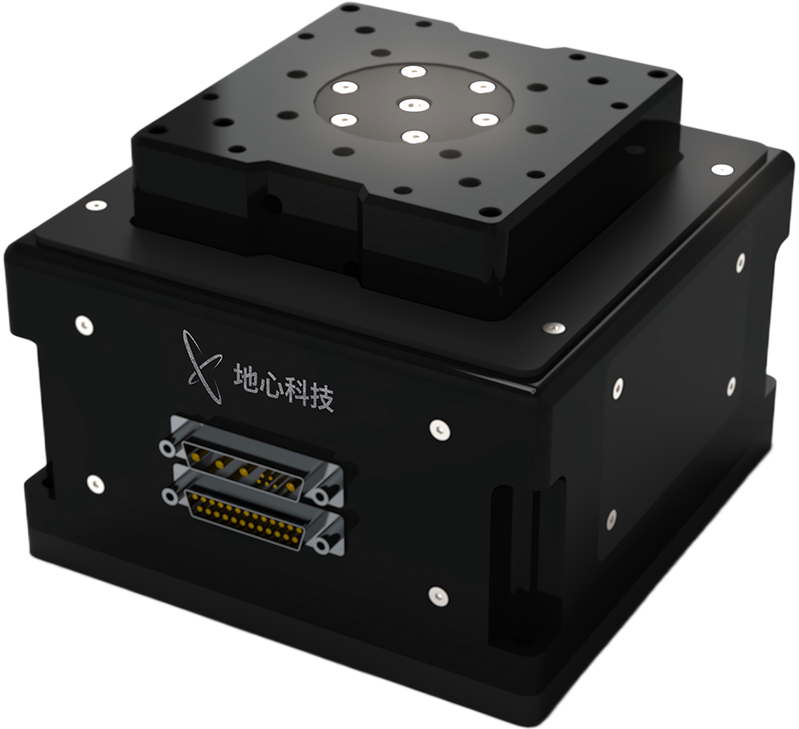
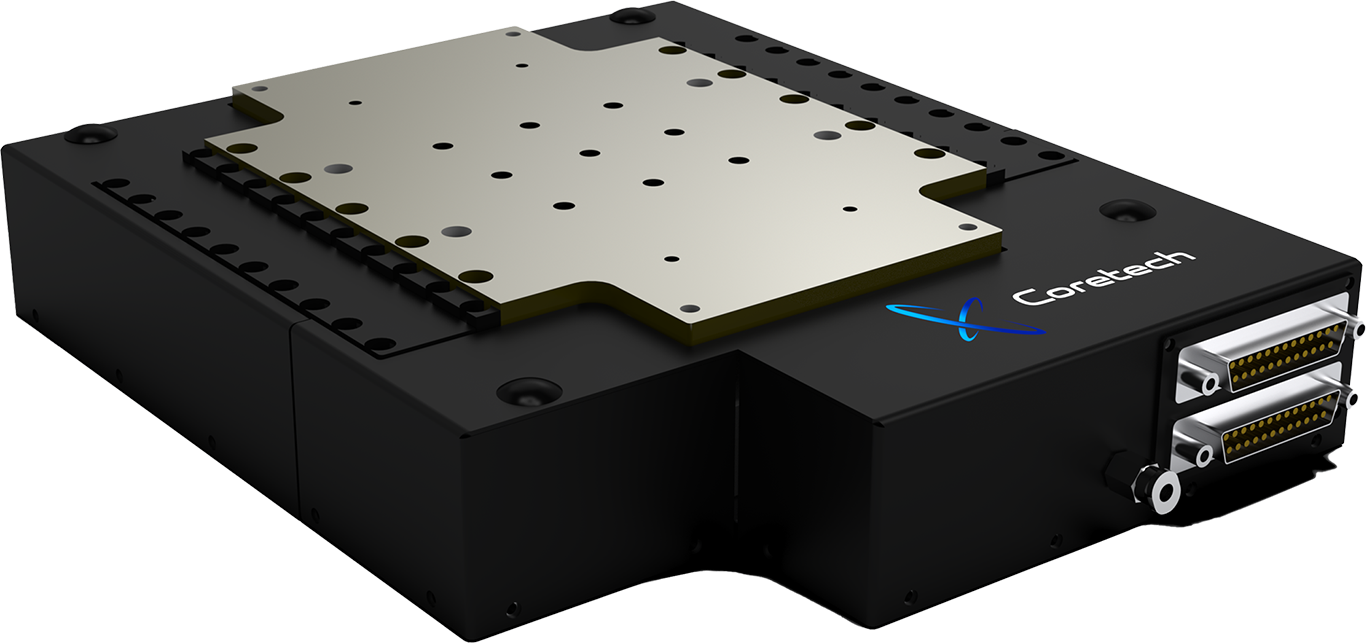
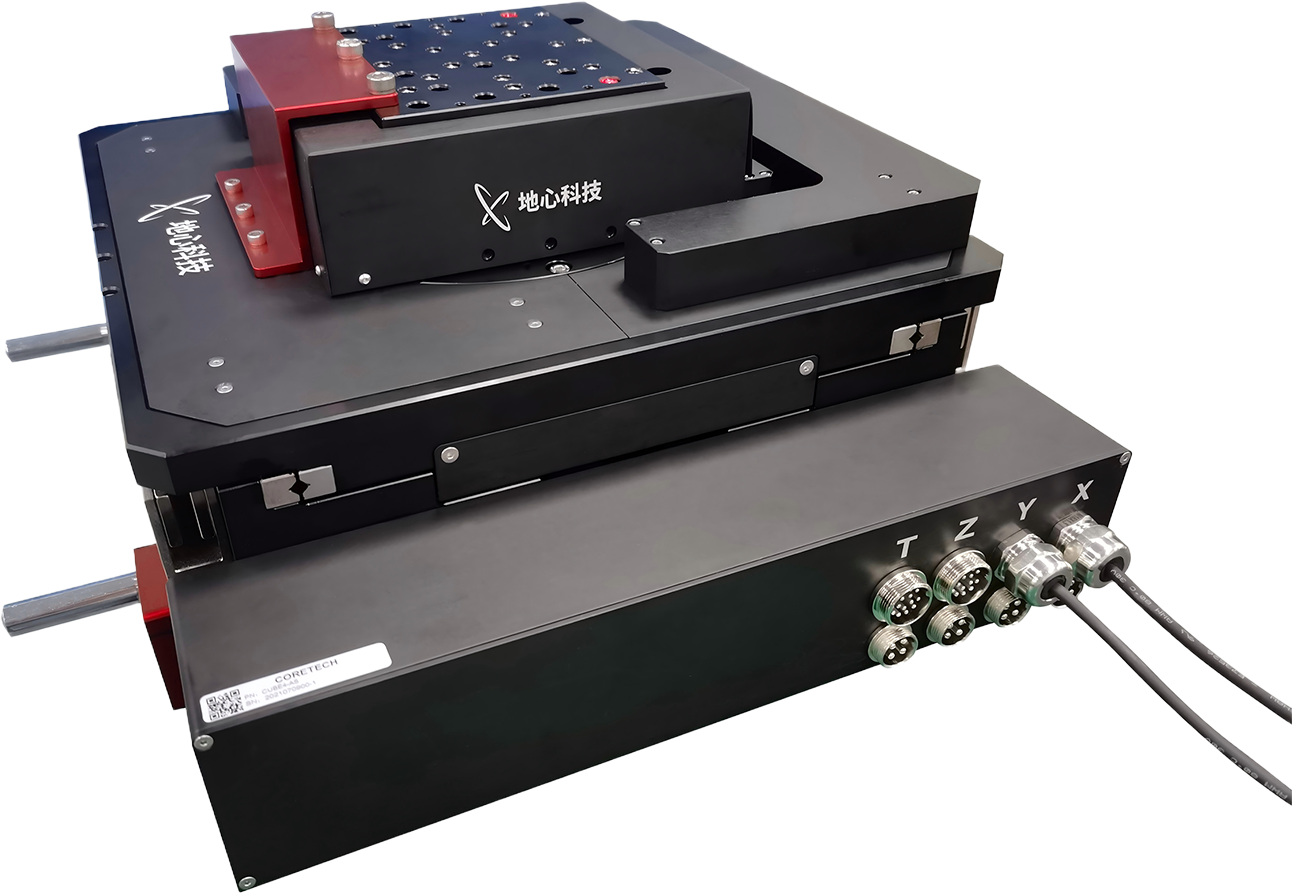
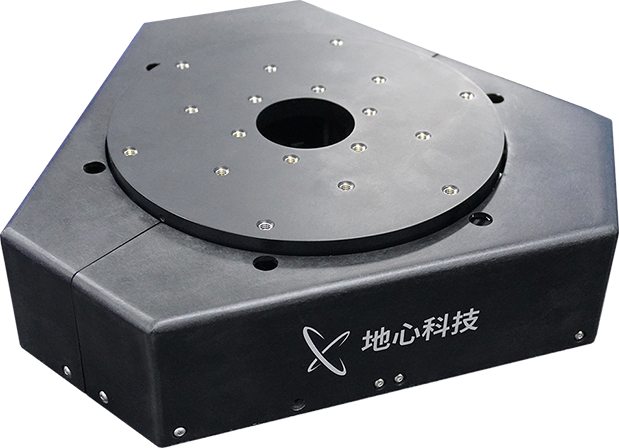
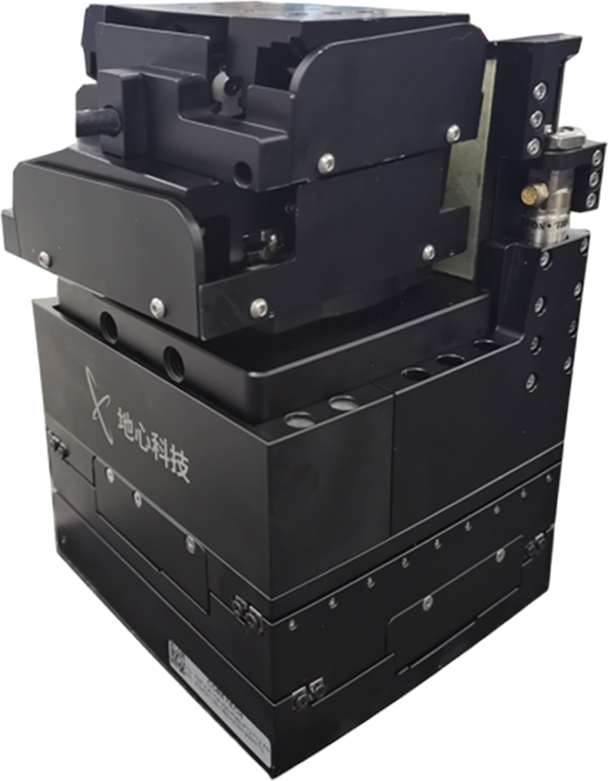
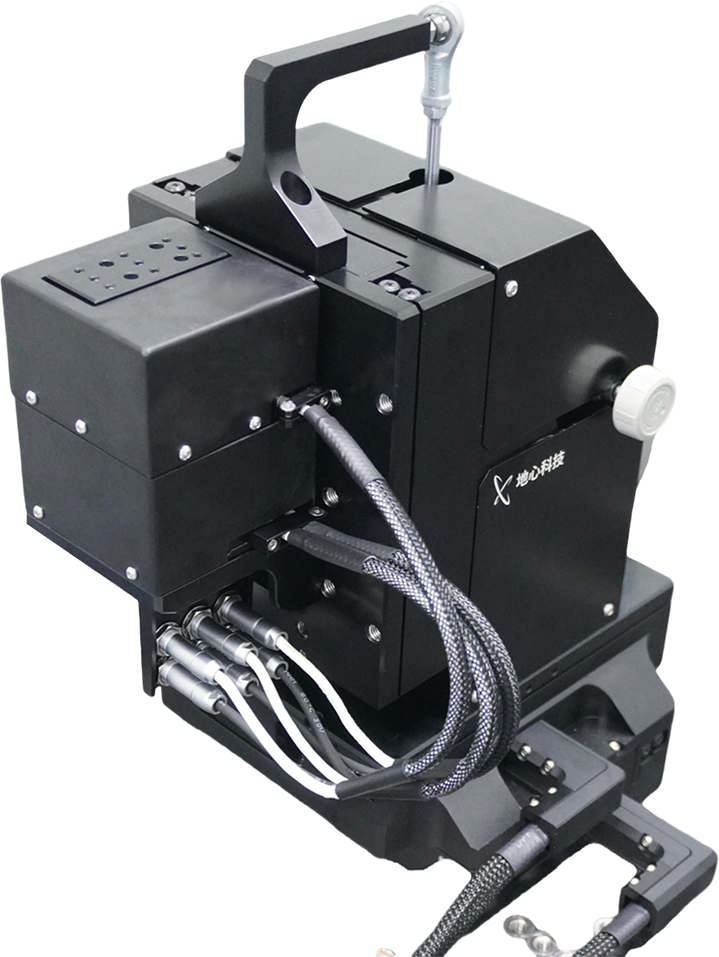
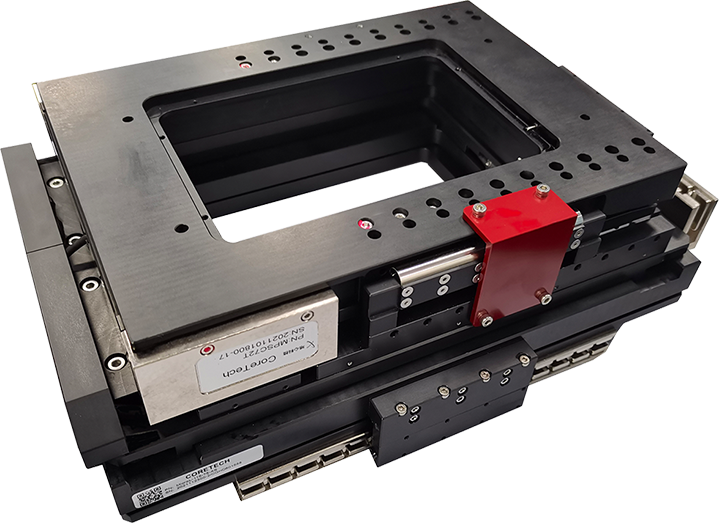
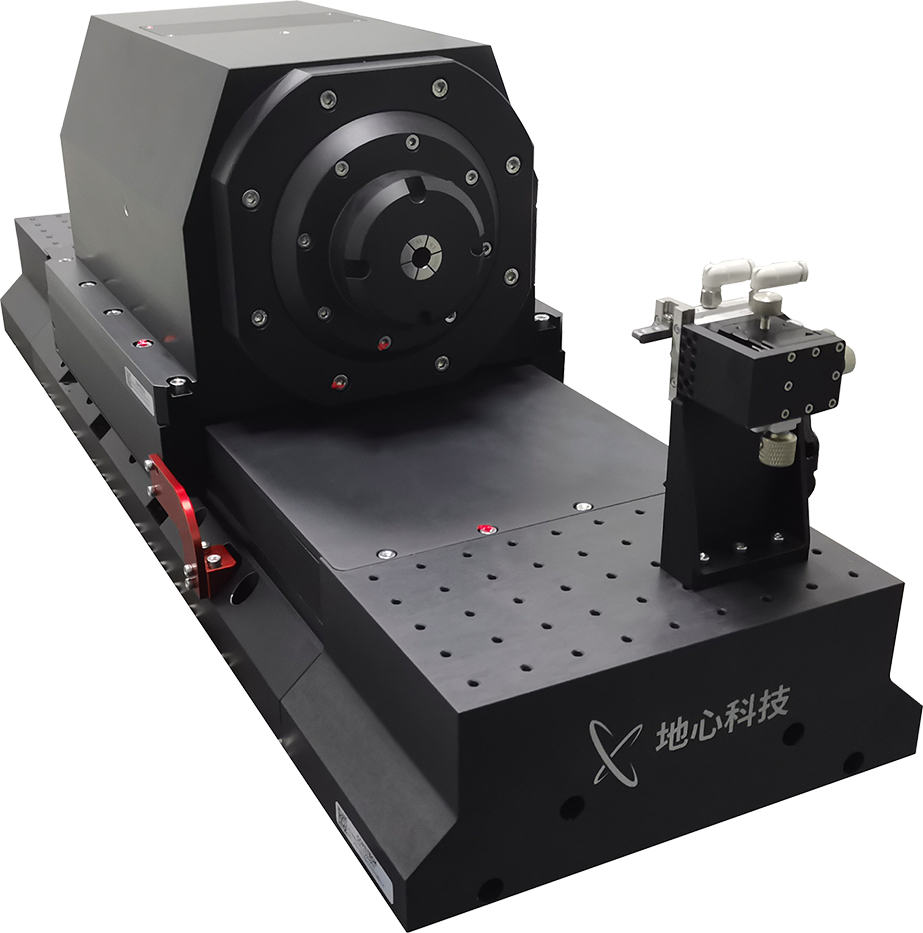
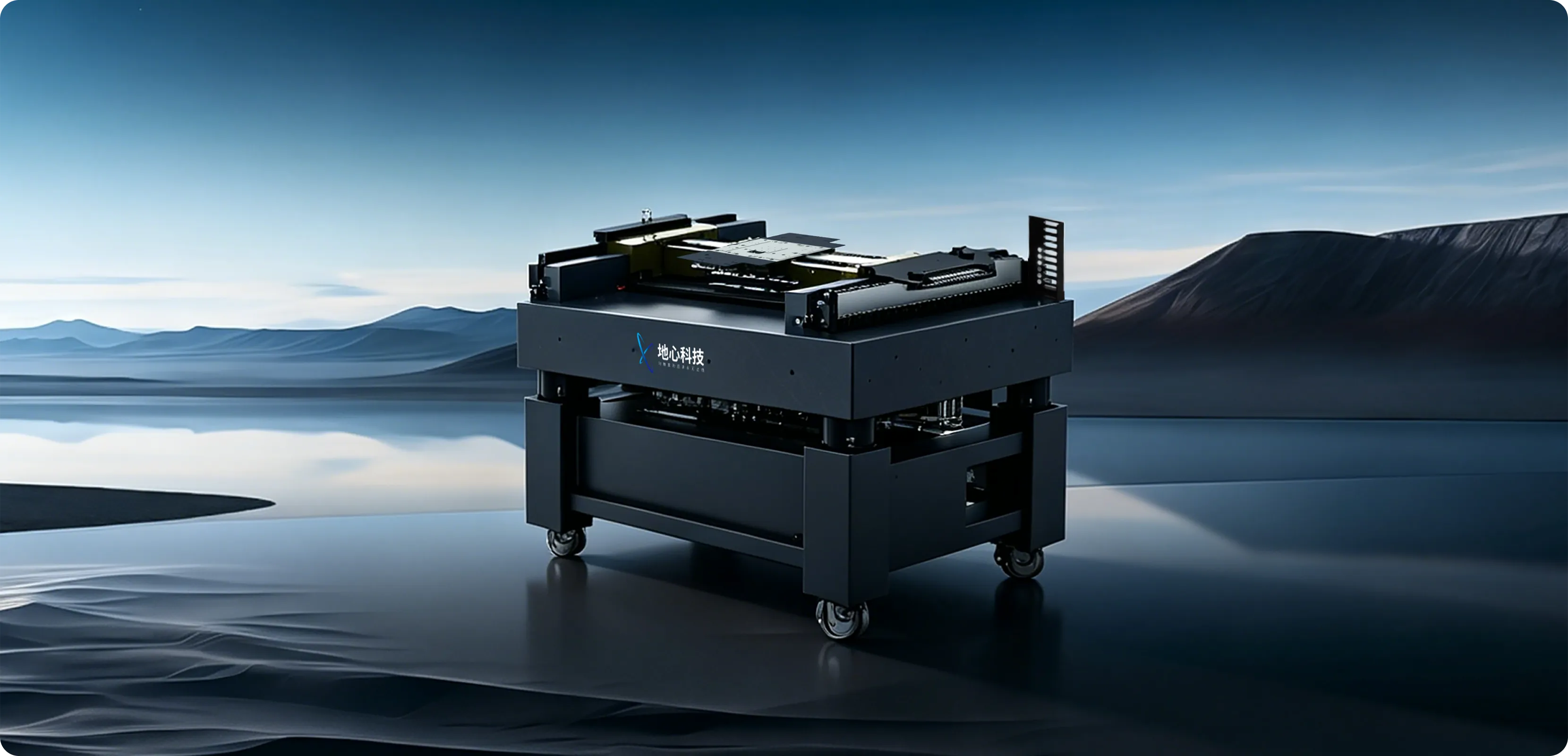
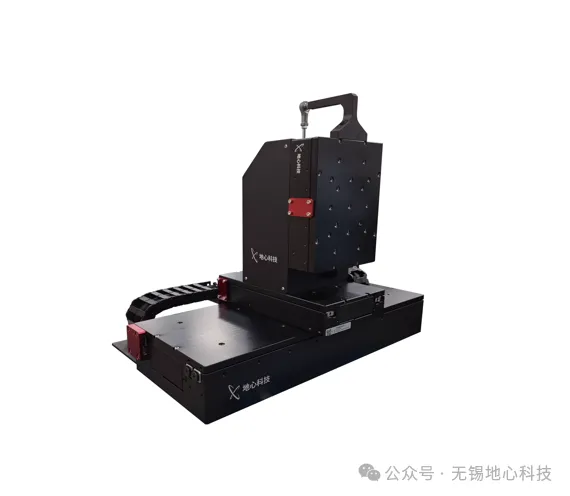
Coretech has many years of application experience in the field of fiber coupling technology. The FAP series fiber alignment platform is a standard product specifically designed for this field, suitable for short-travel, multi-degree-of-freedom coupling applications. The FAP series motion platform offers flexible series-connected motion combinations with 3 to 6 axes, achieving a minimum linear-axis step of 5 nm. It is equipped with analogue input interfaces for industry-standard power meters, balancing high precision with high efficiency.
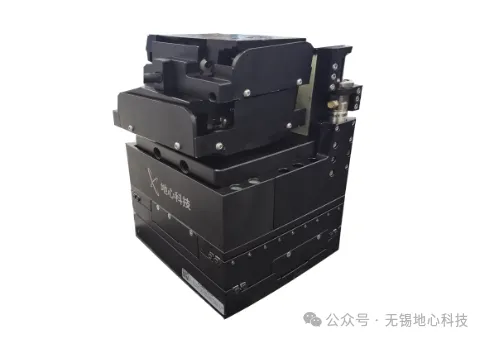
The FAP series platform features a compact 6-degree-of-freedom serial stacked structure, delivering outstanding dynamic performance and positioning accuracy, with a no-load cutoff frequency of up to 100 Hz or more. The FAP series platform achieves a minimum step as low as 5 nm and speeds up to 400 mm/s. Combined with power meter analogue energy input control, light-searching algorithms, appropriate axis configurations, travel options, and tooling/fixture designs, it is well-suited to meet the coupling alignment requirements of next-generation silicon photonic packaging.
平台型号 | FAP-X25-Y25-Z25 | FAP-X50-Y50-Z25 |
行程 | 25mm*25mm*25mm | 50mm*50mm*25mm |
绝对定位精度 | ±300nm | ±300nm |
双向重复性 | ±150nm | ±150nm |
最小步进 | 5nm | 5nm |
平台重量 | 5.0 kg | 6.0 kg |
最大负载 | 4.0 kg | 6.0 kg |
最大速度 | 200mm/s | 400mm/s |
平台材质 | 铝 | |
平均无故障时间 | 27,000 Hours | |
平台型号 | FAP-R | FAP-P12 | FAP-T12 |
行程 | 360°/20°/XXX° | 12° | 12° |
绝对定位精度 | ±2arcsec | ±10arcsec | ±18arcsec |
双向重复性 | ±1arcsec | ±2arcsec | ±4arcsec |
最小步进 | 0.1 arcsec | 0.1arcsec | 0.2arcsec |
平台重量 | 7.5 kg(3) | 8.0 kg(4) | 9.0kg(5) |
最大轴向负载 | 2.0 kg | 1.5 kg | 1.5kg |
最大速度 | 150°/s | 150°/s | 150°/s |
平台材质 | 铝 | ||
平均无故障时间 | 27,000 Hours | ||
04 Test Results
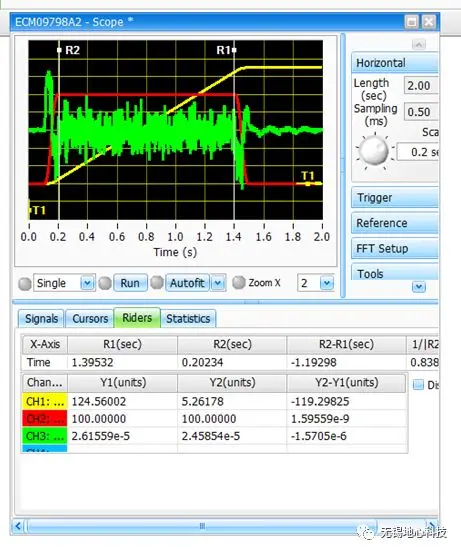
Coretech's classic solution—the FAP series linear nano-positioning stage—offers exceptionally high accuracy and speed stability. As shown in the figure below, the red trace represents the velocity curve, the yellow trace the position curve, and the green trace the position error curve.
At a motion speed of 100 mm/s, the feedback values captured by the scope show that during the constant-velocity segment, the dynamic following error is within ±30 nm. The dynamic accuracy and speed stability are exceptionally outstanding, making the platform suitable not only for point-to-point motion applications but also for applications where trajectory performance during motion is critical.
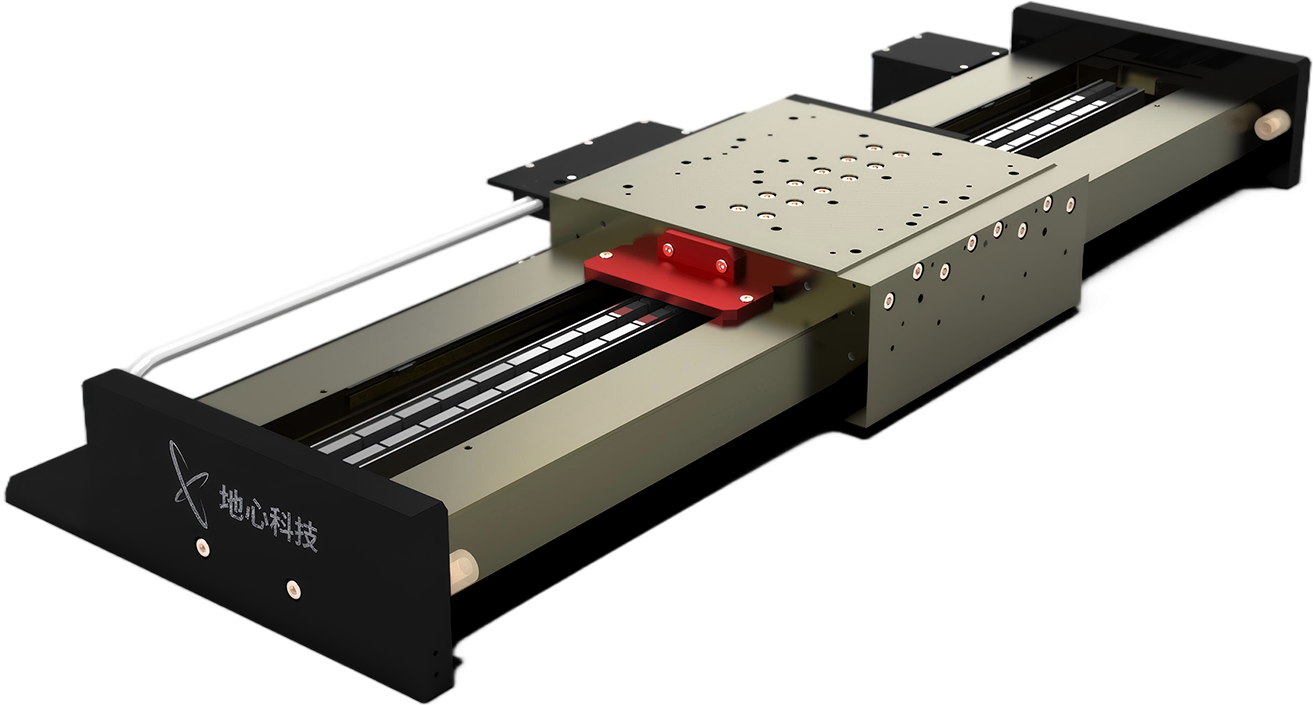
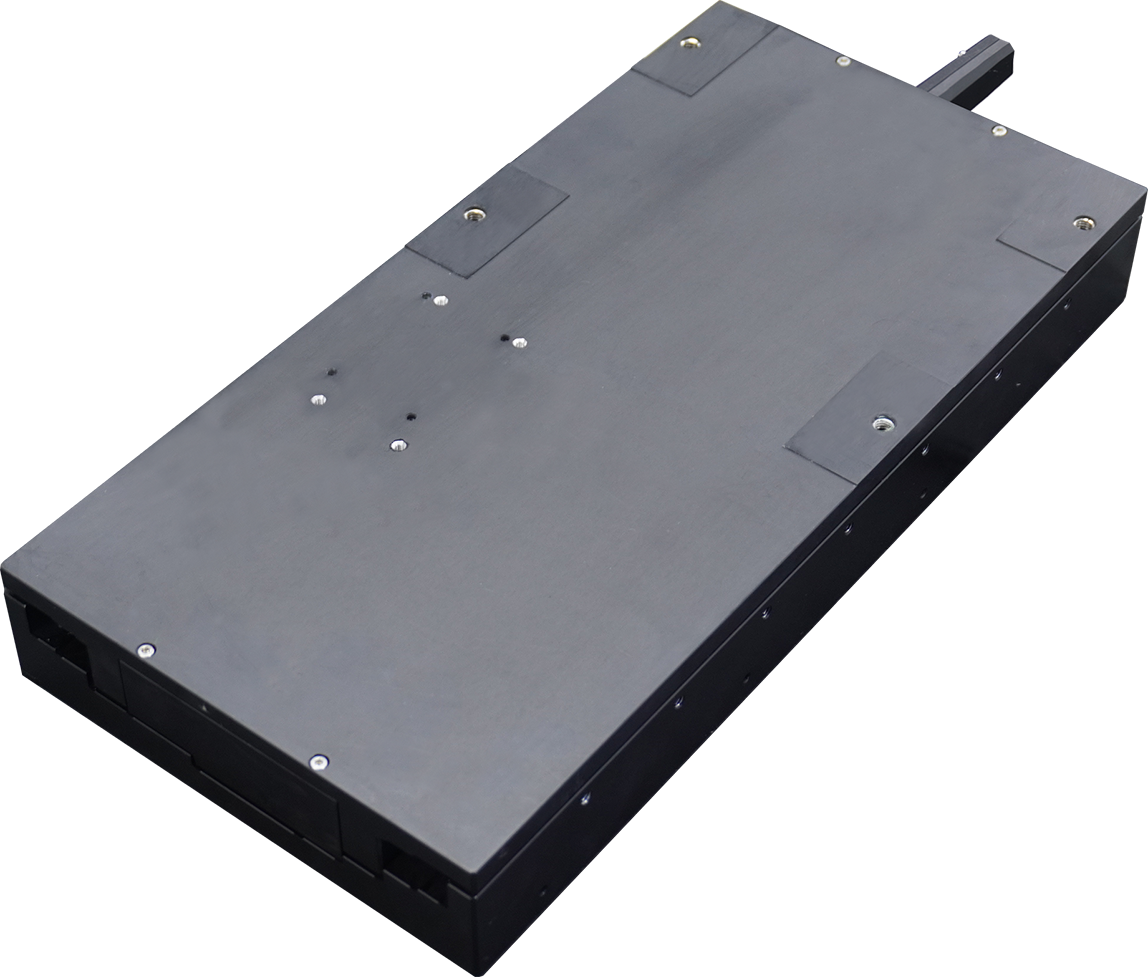
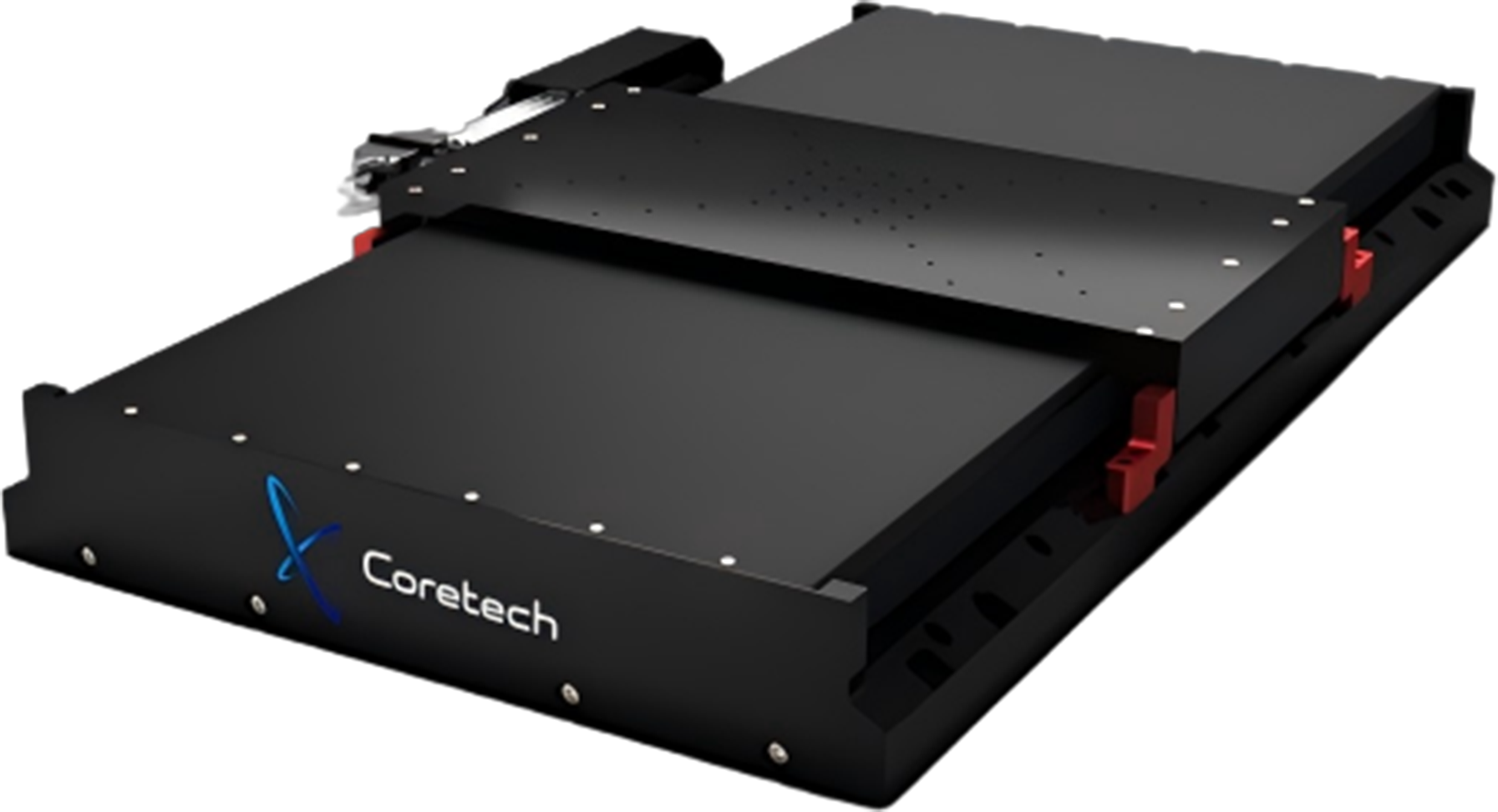
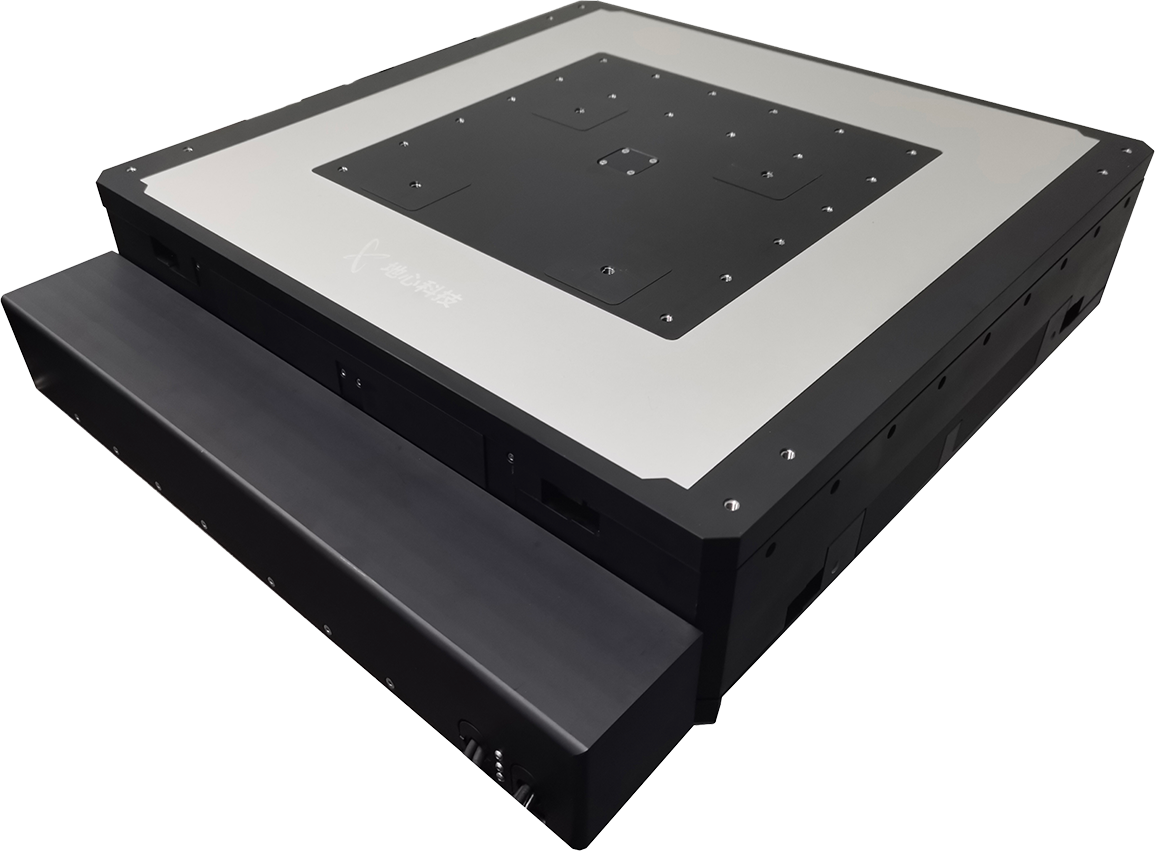
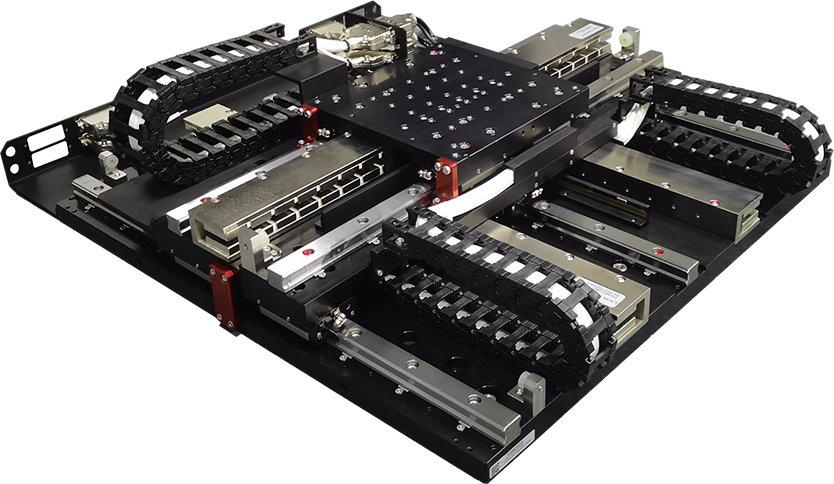
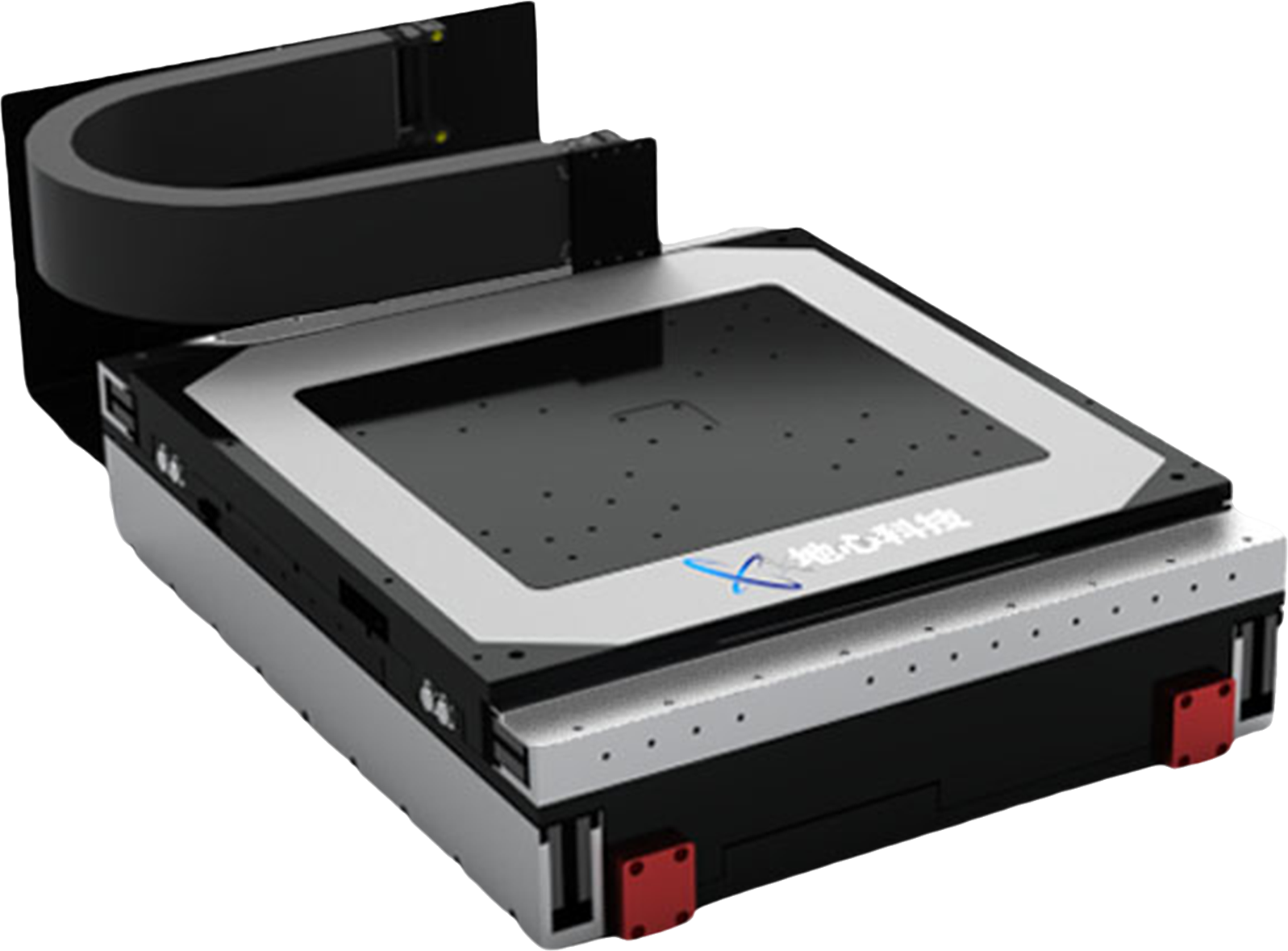
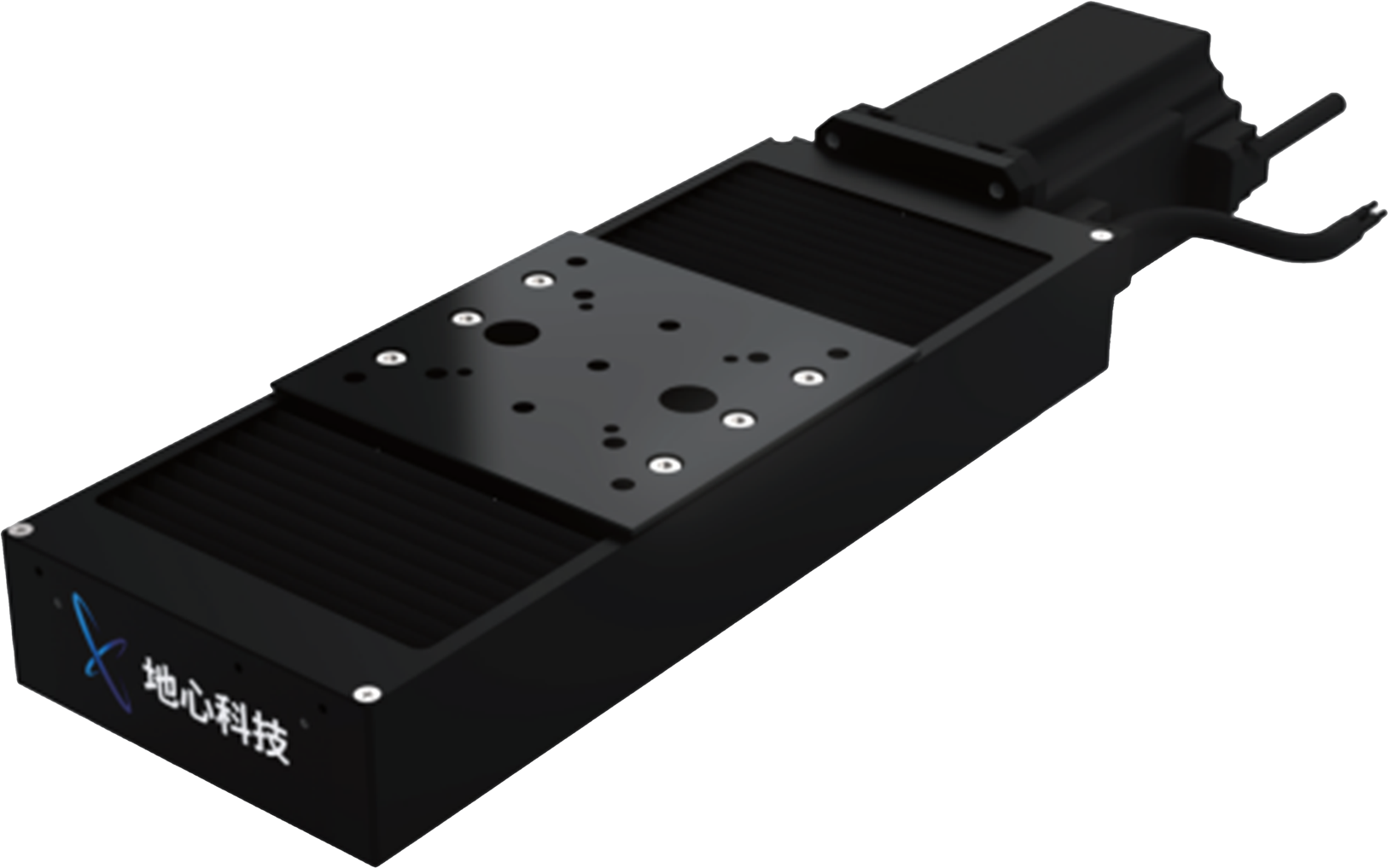
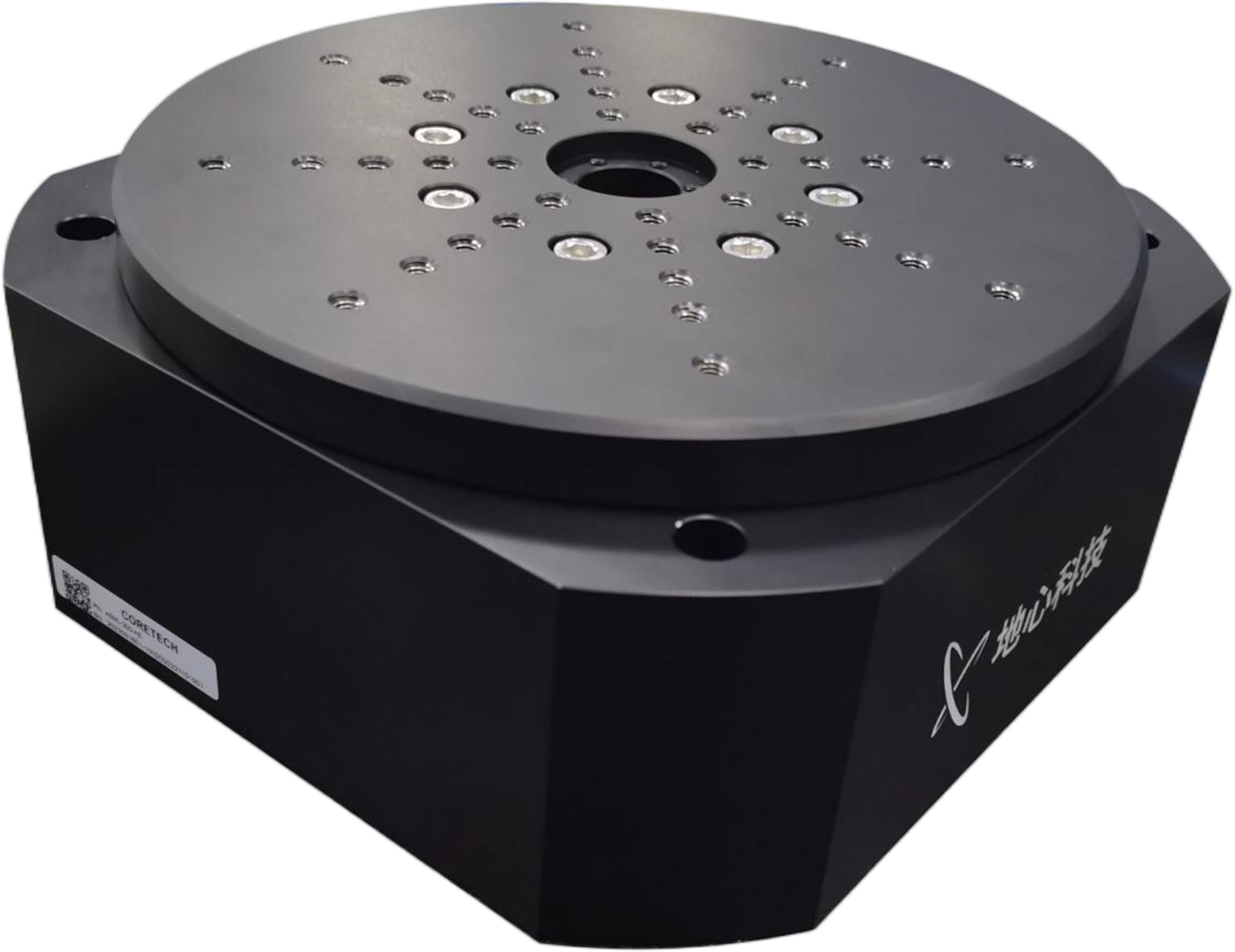
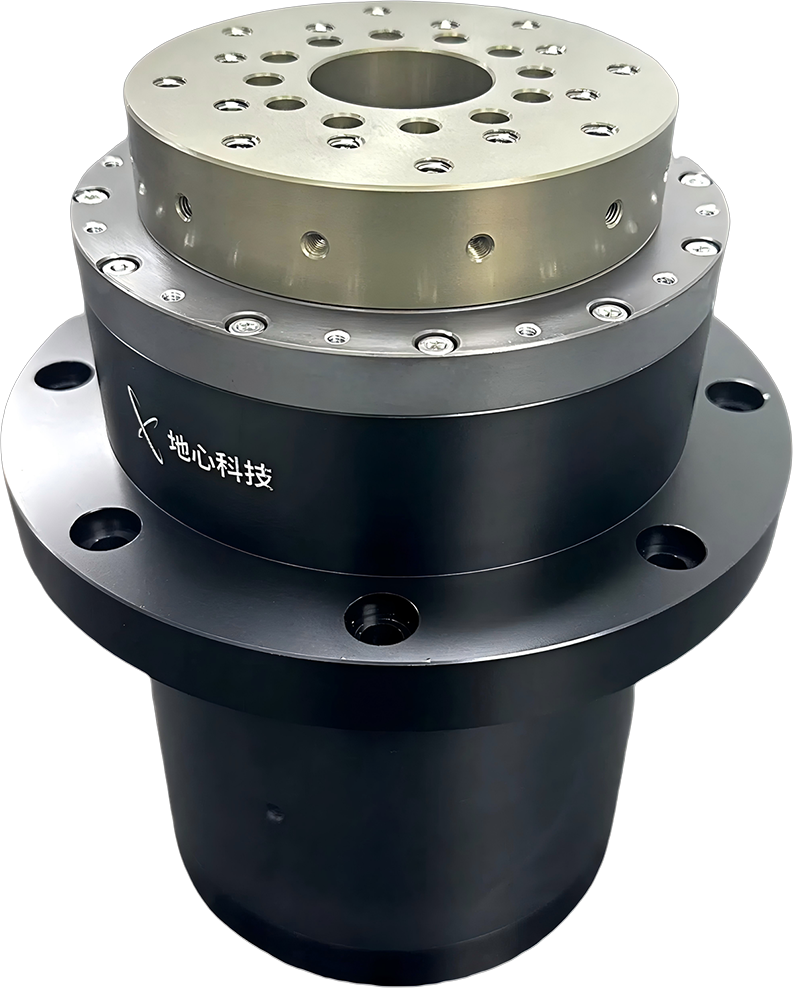
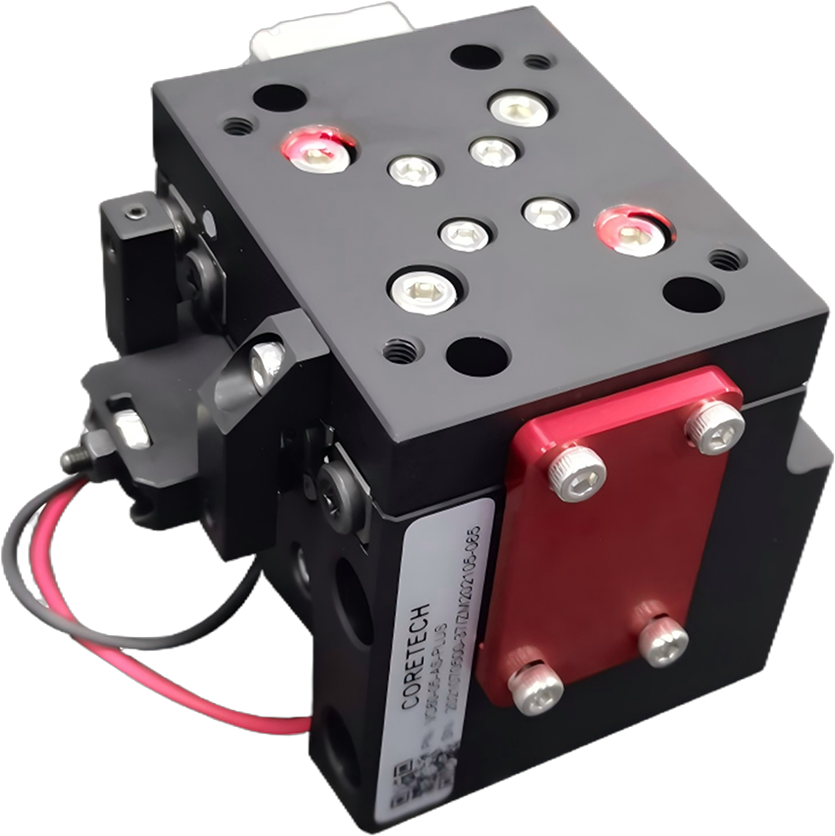
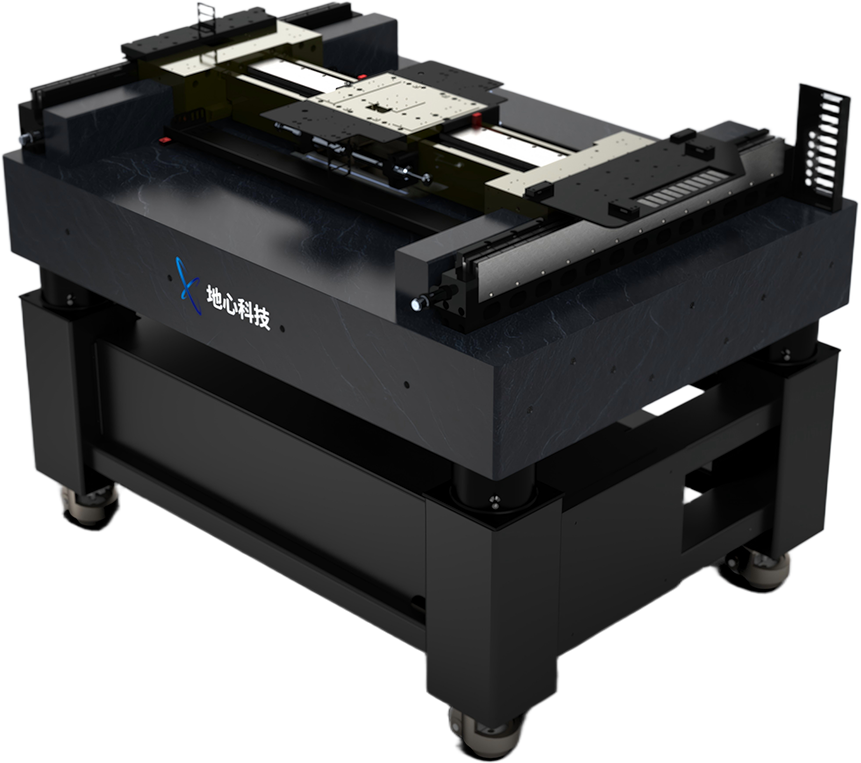
In addition to the classic 6-degree-of-freedom integrated motion platform, for long-travel coupling scenarios, we also offer the ART130-XYZ series 3-axis stage. Combined with the ART130-20G series tip-tilt stage and the RSML100 compact high-precision rotary stage, a Theta/Tip/Tilt 3-axis rotary assembly can be configured. The 3-axis linear stage and the 3-axis rotary stage can form a system of up to 6 axes, accommodating different types of fiber coupling applications.
Featured News
Gene Sequencing: Solving Auto‑Focus and Equal‑Interval Triggering Issues to Enhance Measurement Accuracy and Efficiency
2026.06.03
Semiconductor Wafer Inspection & IC Packaging Solutions – Photonic Chip and Optical Waveguide Processing
2026.06.03
Medical Laser Processing of Heart Stents and Catheters: An Efficient, High-Precision Solution
2026.06.03
 Back to List