
.png)

.png)







Home
 News Center
Improving Yield and Efficiency: High‑Precision Motion Stages Empowering Innovation in Laser Direct Writing Technology
News Center
Improving Yield and Efficiency: High‑Precision Motion Stages Empowering Innovation in Laser Direct Writing Technology
News Center
Improving Yield and Efficiency: High‑Precision Motion Stages Empowering Innovation in Laser Direct Writing Technology
Improving Yield and Efficiency: High‑Precision Motion Stages Empowering Innovation in Laser Direct Writing Technology
 2026-06-03
Share:


01 From 2D to 3D – Broad Application Prospects for Laser Direct Writing
Laser Direct Writing (LDW) is one of the primary techniques for fabricating diffractive optical elements. It uses an intensity‑modulated laser beam to expose photoresist materials on a substrate surface with variable doses; after development, the desired relief profile is formed on the resist layer. This technology dates back to the 1980s. Over decades of development, LDW has expanded from initial two‑dimensional pattern generation to three‑dimensional micro‑/nano‑structure fabrication, demonstrating broad application prospects in electronics, optics, biomedicine, and other fields.
According to market research forecasts, the global laser direct writing equipment market is expected to grow from approximately USD 1.2 billion in 2024 to USD 2.8 billion by 2033, representing a compound annual growth rate (CAGR) of 10.3% during this period.
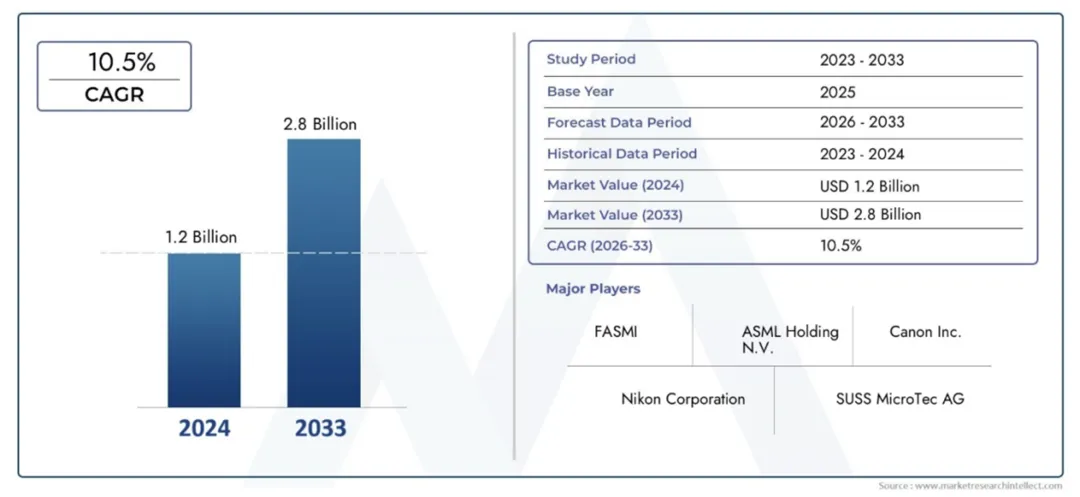
Source: Market Research Intellect official website
02 No Mask Required – Greater Flexibility
Unlike traditional mask‑based lithography, laser direct writing does not require a physical mask, making the writing process simpler and offering tremendous application potential.
Conventional photolithography can be likened to screen‑printing a T‑shirt using a stencil – it requires the pre‑fabrication of an expensive and fixed "mask," through which light projects the pattern onto the wafer. This process is not only costly and time‑consuming, but once the mask is made, the pattern cannot be modified, lacking flexibility.
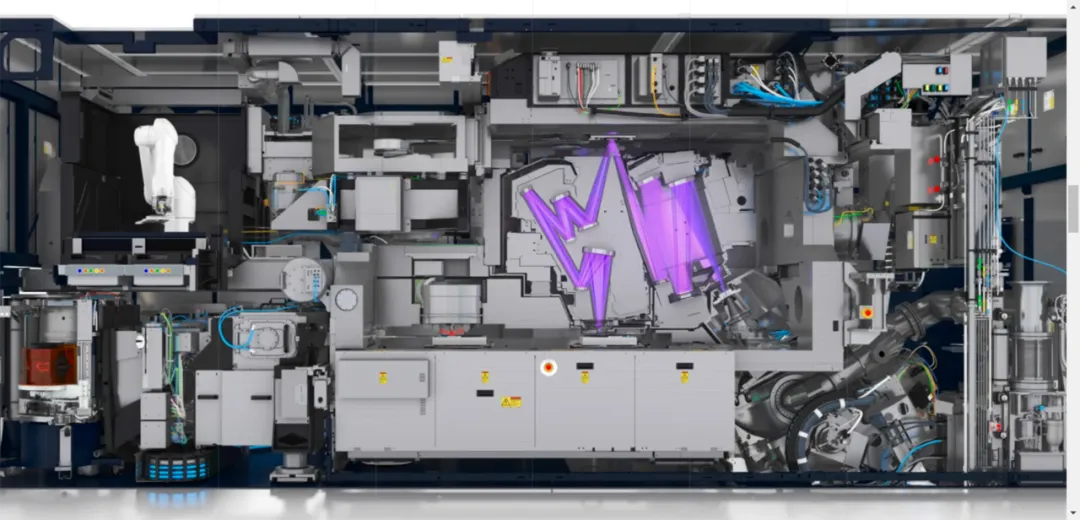
Source: ASML official website
Laser direct writing, by contrast, uses computer‑controlled laser beam energy and stage movement to flexibly "draw" any desired pattern on or even inside the material surface, greatly enhancing processing freedom. Specifically, LDW focuses the laser beam onto a small area of the material and exploits laser‑material interactions (such as photochromism, photopolymerisation, photoablation, and photophase transition) to directly write patterns on the material. By adjusting laser wavelength, power density, pulse duration, and other parameters, it can process various materials and achieve ultra‑high resolution from nanometre to micrometre scales.
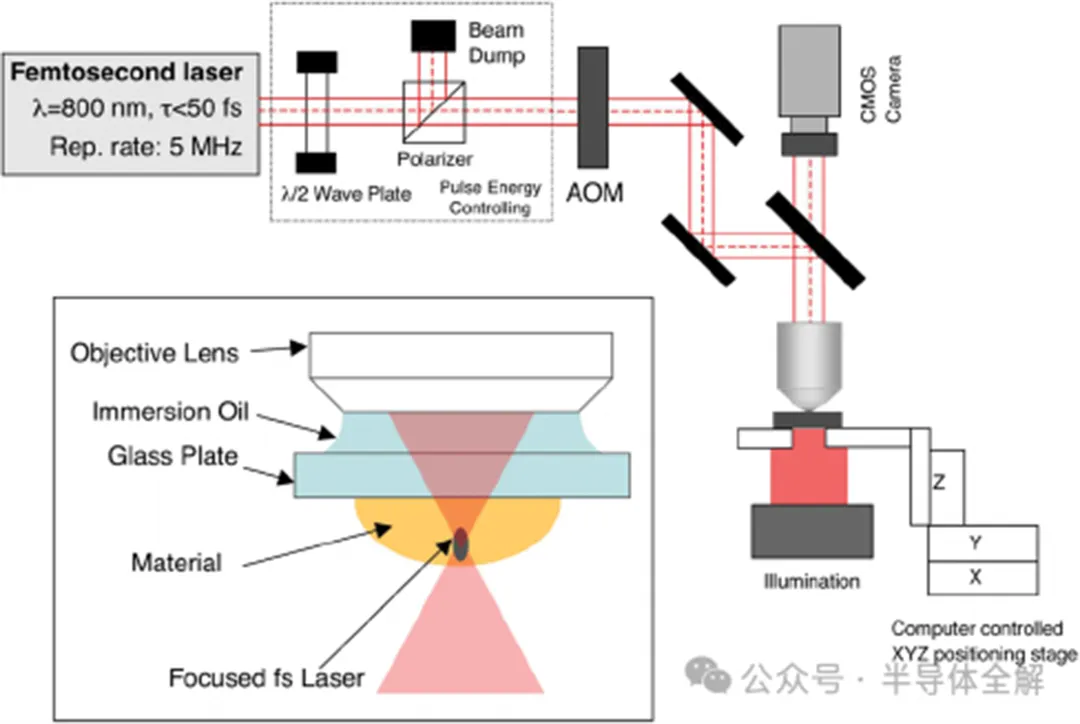
Laser direct writing technology offers the following advantages:
a. High flexibility: Patterns can be modified at any time via software, significantly shortening R&D and prototyping cycles.
b. Low cost: It eliminates the expensive mask fabrication step, making it especially suitable for small‑batch and customised production.
c. High precision: It enables the fabrication of fine structures at sub‑micrometre or even nanometre levels.
d. Material versatility: It can be applied to a wide range of materials including glass, silicon, polymers, and more.
03 Precision Motion Stage – The Core Factor Affecting Laser Direct Writing Accuracy
Behind every high‑performance laser direct writing system lies the seamless coordination of multiple precision subsystems.
An ultrafast laser source generates high‑repetition‑rate, ultrashort‑pulse laser light; the beam shaping and delivery system performs collimation, beam expansion, energy adjustment, polarisation control, and final precise focusing. The precision motion stage carries and positions the sample, and its positioning accuracy, stability, and dynamic performance are critical factors determining the processing resolution and complexity – directly impacting the accuracy and quality of LDW. The motion stage must achieve:
a. Nanometre‑level positioning accuracy (XY plane) and vertical control (Z‑axis)
b. Multi‑axis synchronised coordinated motion
c. Stability during high‑speed movement
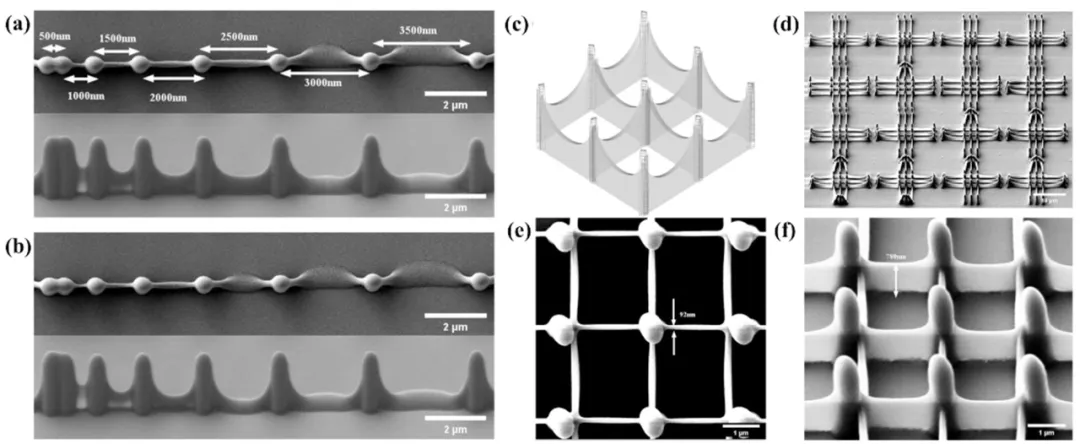
High‑aspect‑ratio micro‑/nano‑structures and arrays successfully fabricated via two‑photon polymerisation laser direct writing. Source: Chinese Optics Letters, Vol. 23, Issue 3 (removed upon request)
Positioning accuracy determines the positional fidelity of pattern lines, while the minimum incremental step affects overlay alignment precision. Insufficient stage accuracy can cause deviations in multi‑layer pattern overlay, severely compromising device performance.
The dynamic performance of the motion stage affects both the efficiency and quality of LDW. Insufficient stage rigidity, jitter, stick‑slip, or speed fluctuations during high‑speed motion or start/stop transients will directly manifest in the processed pattern as inconsistent line widths or even pattern distortion.
In addition, cross‑talk between axes can lead to rough line edges.
04 Geocentric Technology Solutions for Laser Direct Writing
Addressing the stringent motion control requirements of laser direct writing, Wuxi Geocentric Technology leverages its self‑developed and manufactured precision motion stage product lines to offer diversified solutions for the industry.
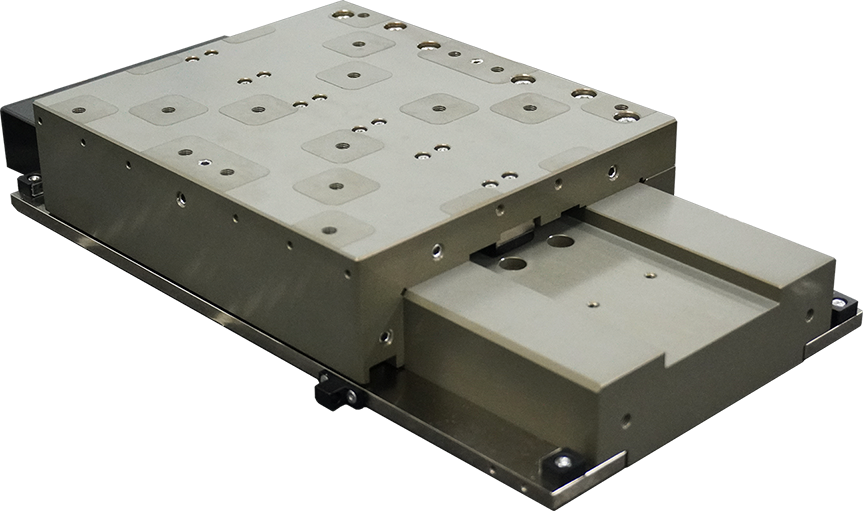
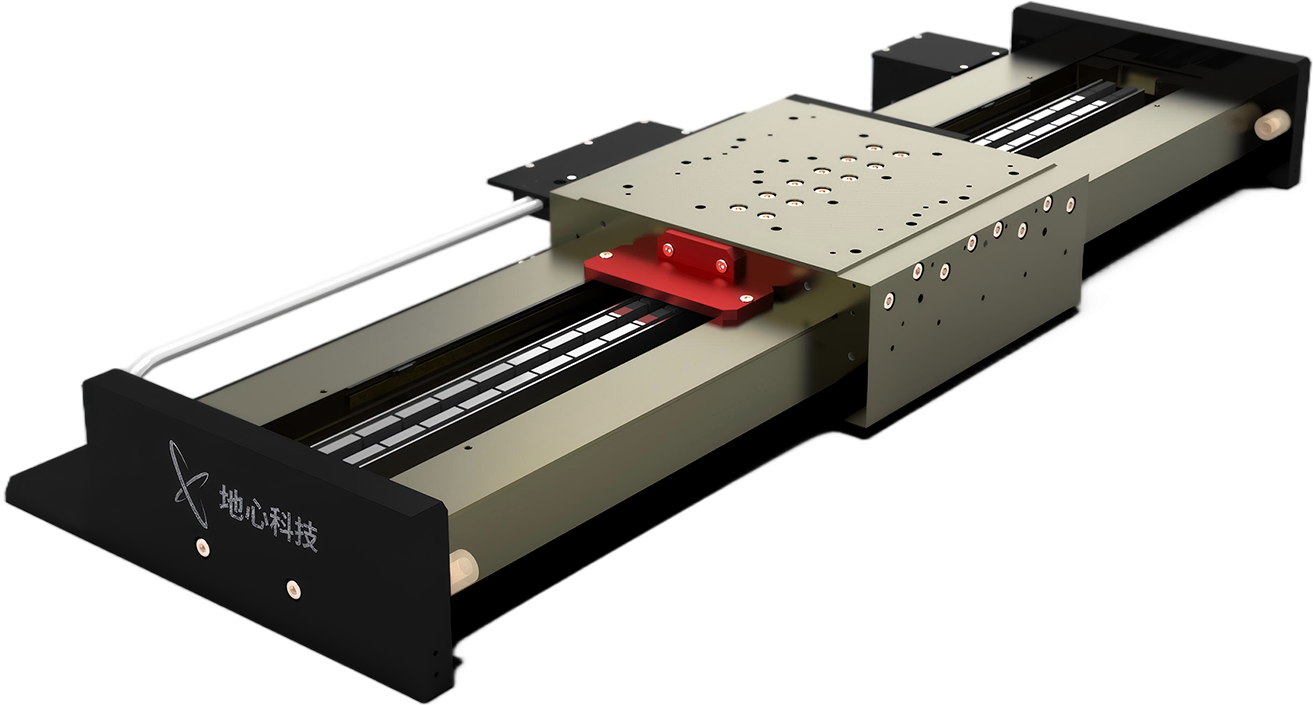
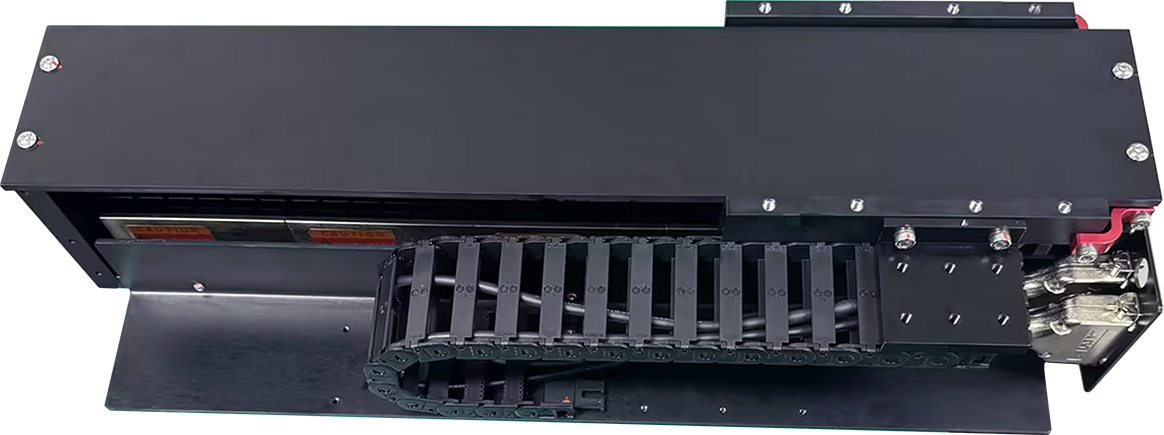
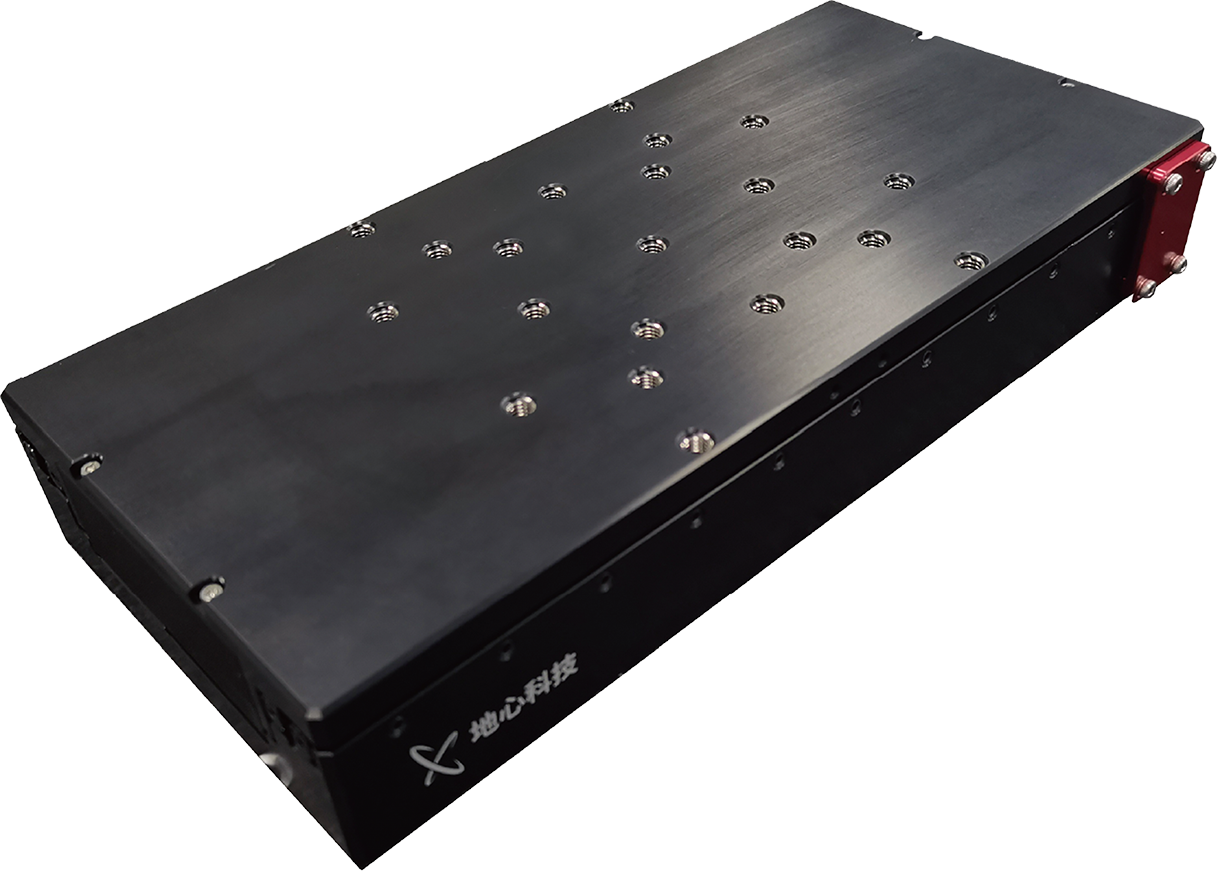
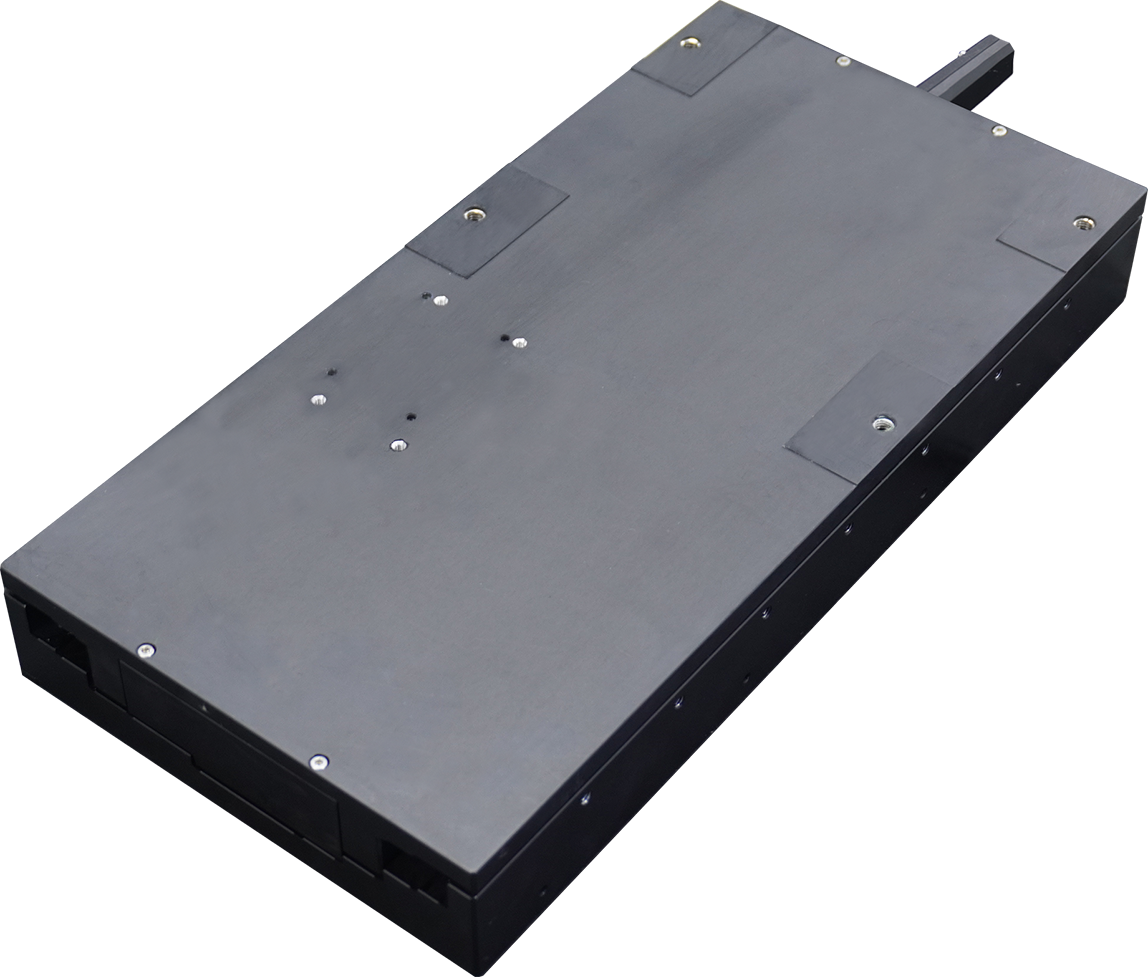
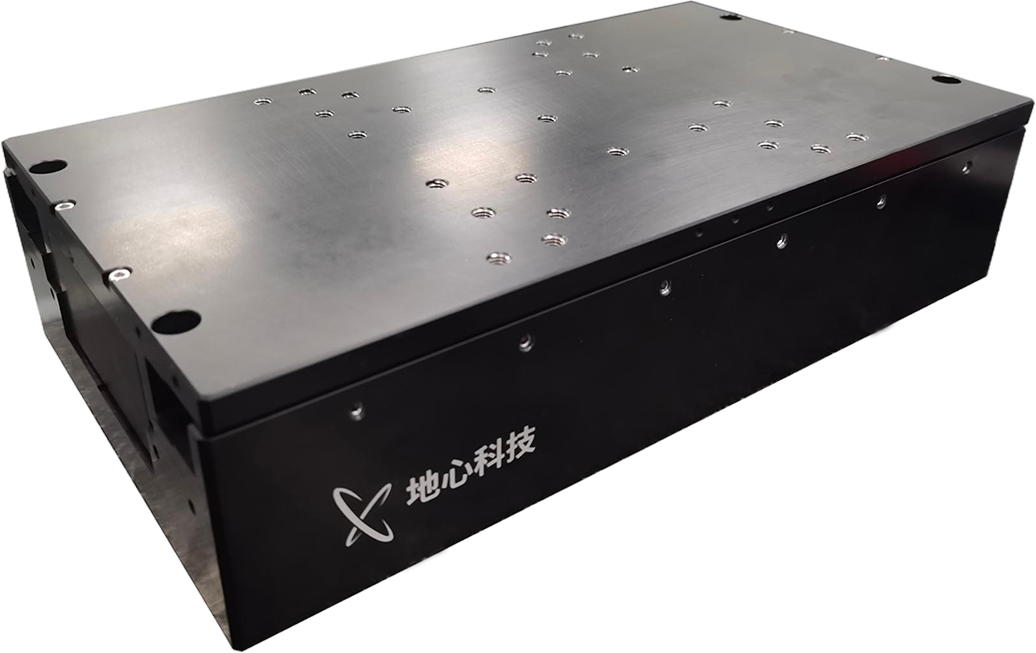
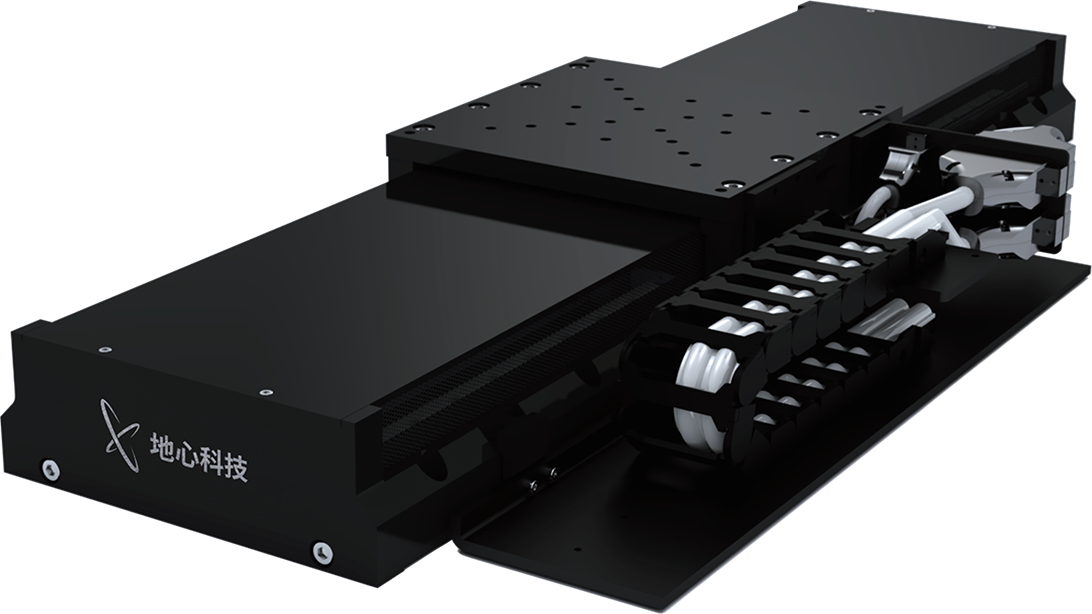
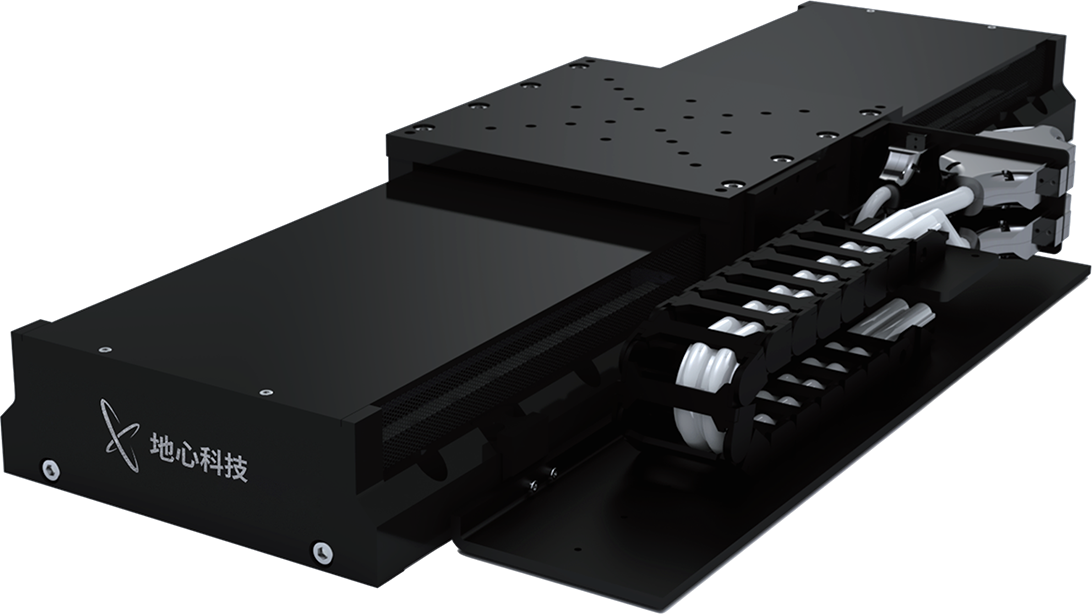
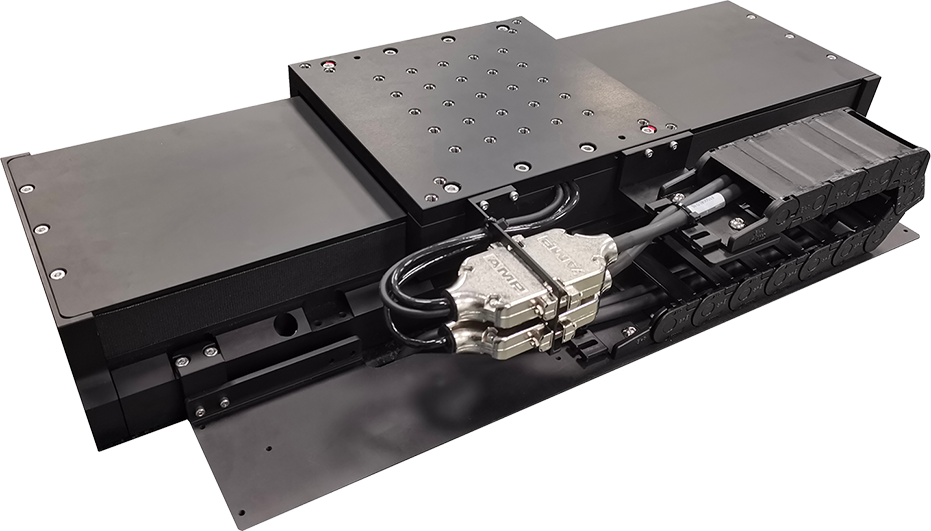
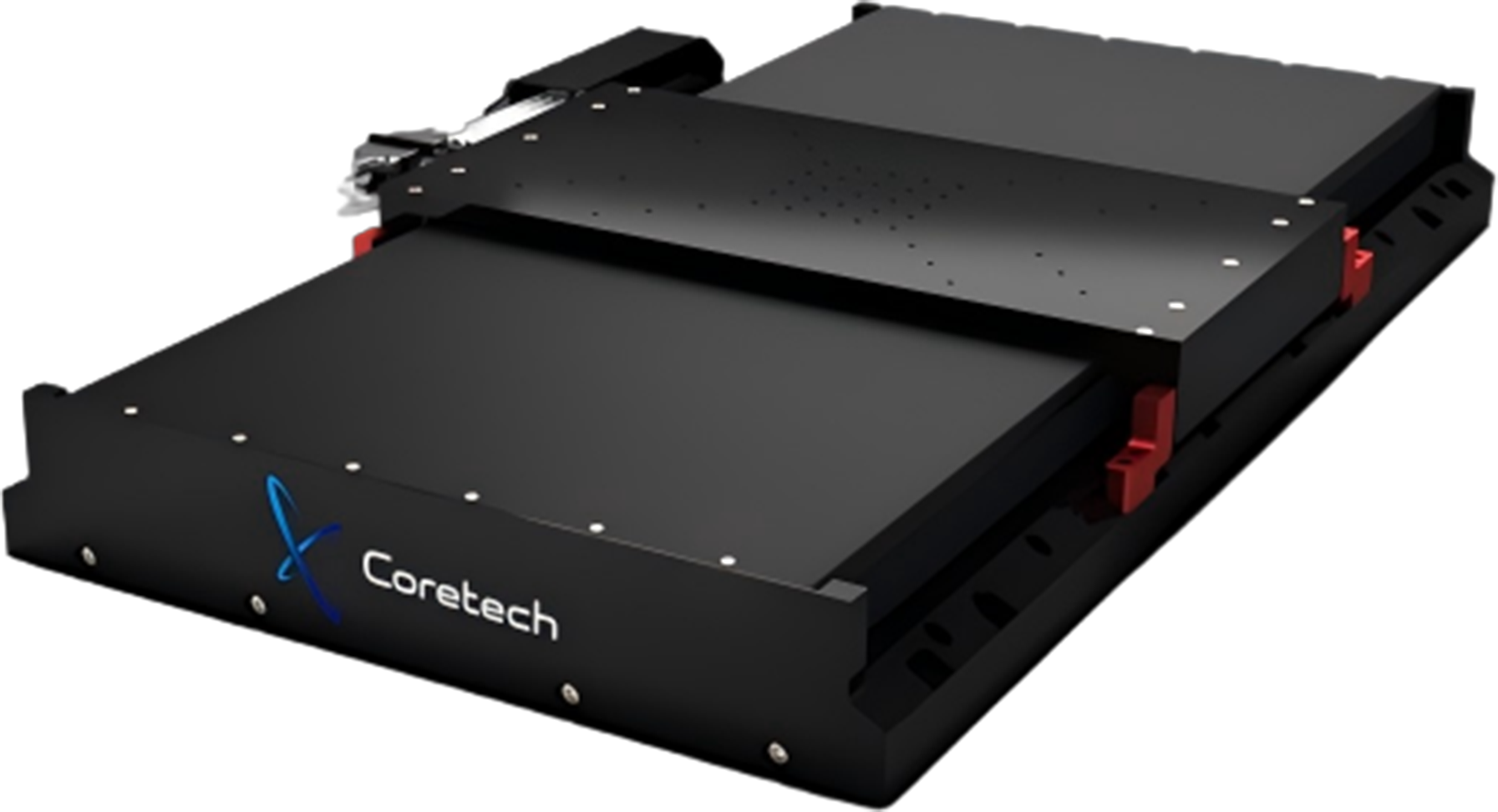
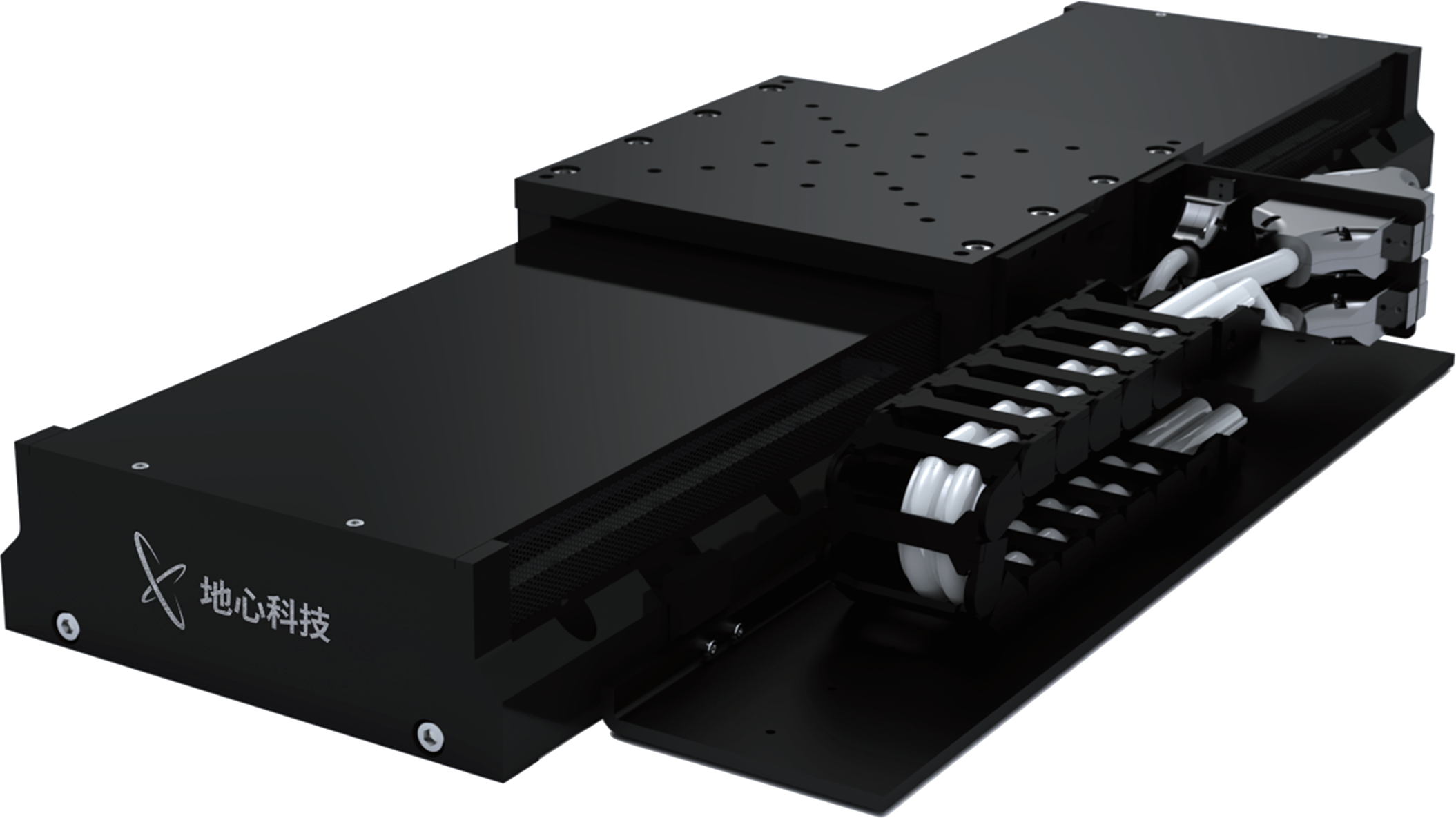
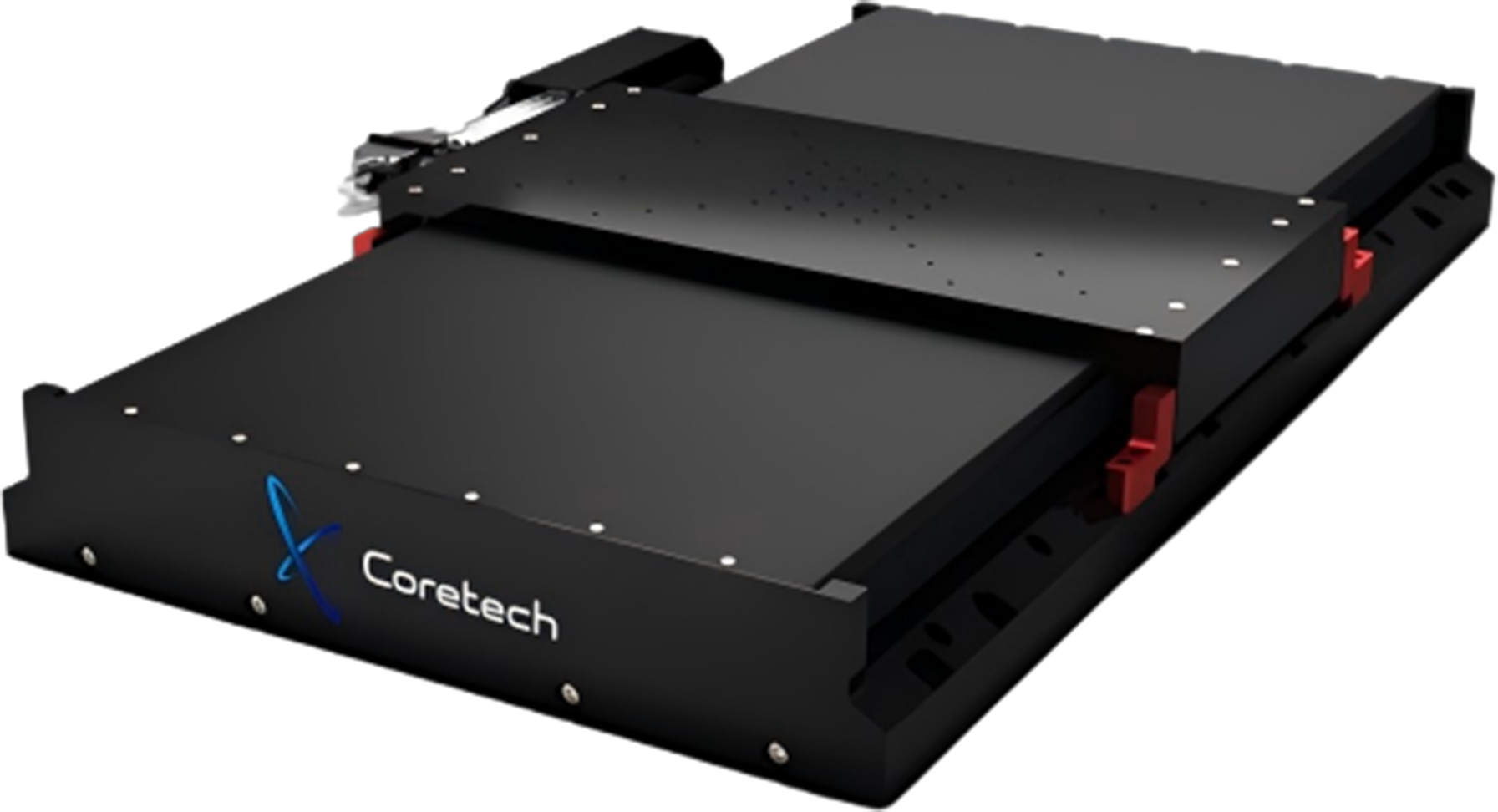
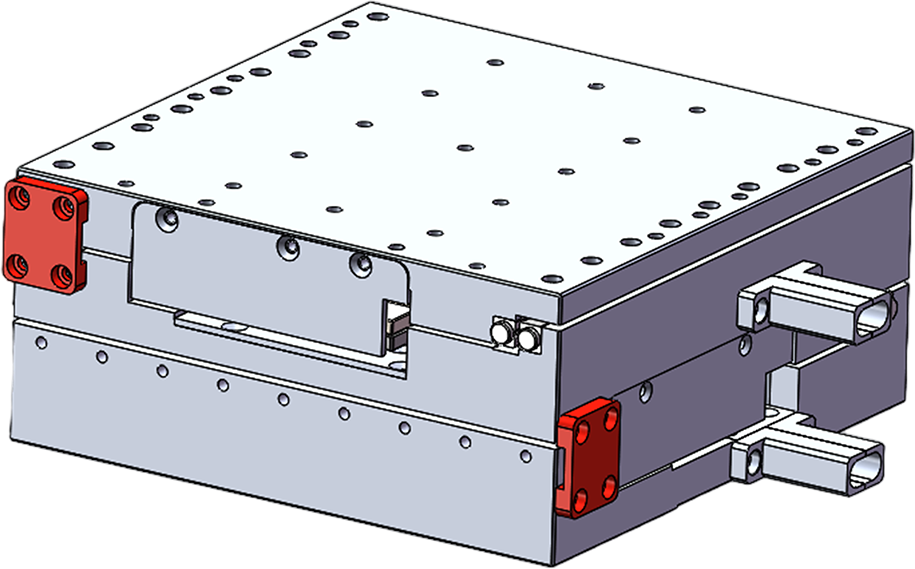
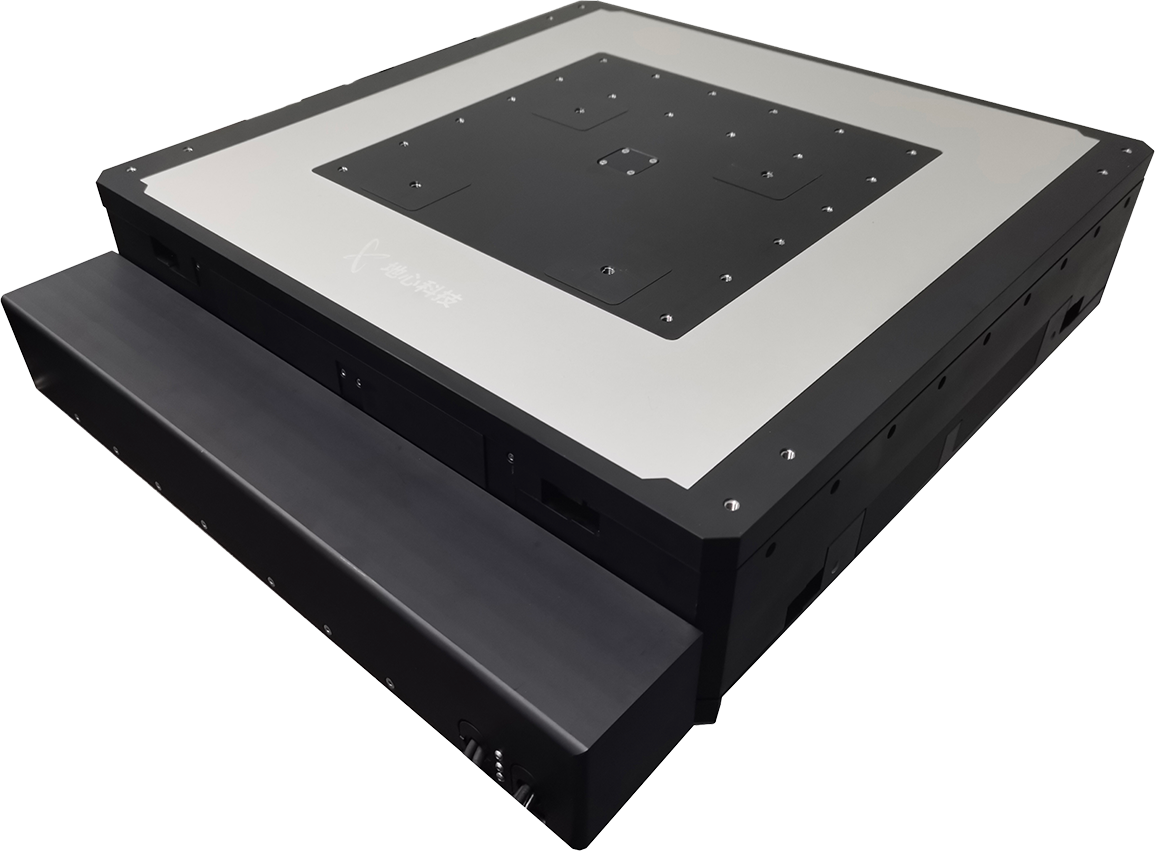
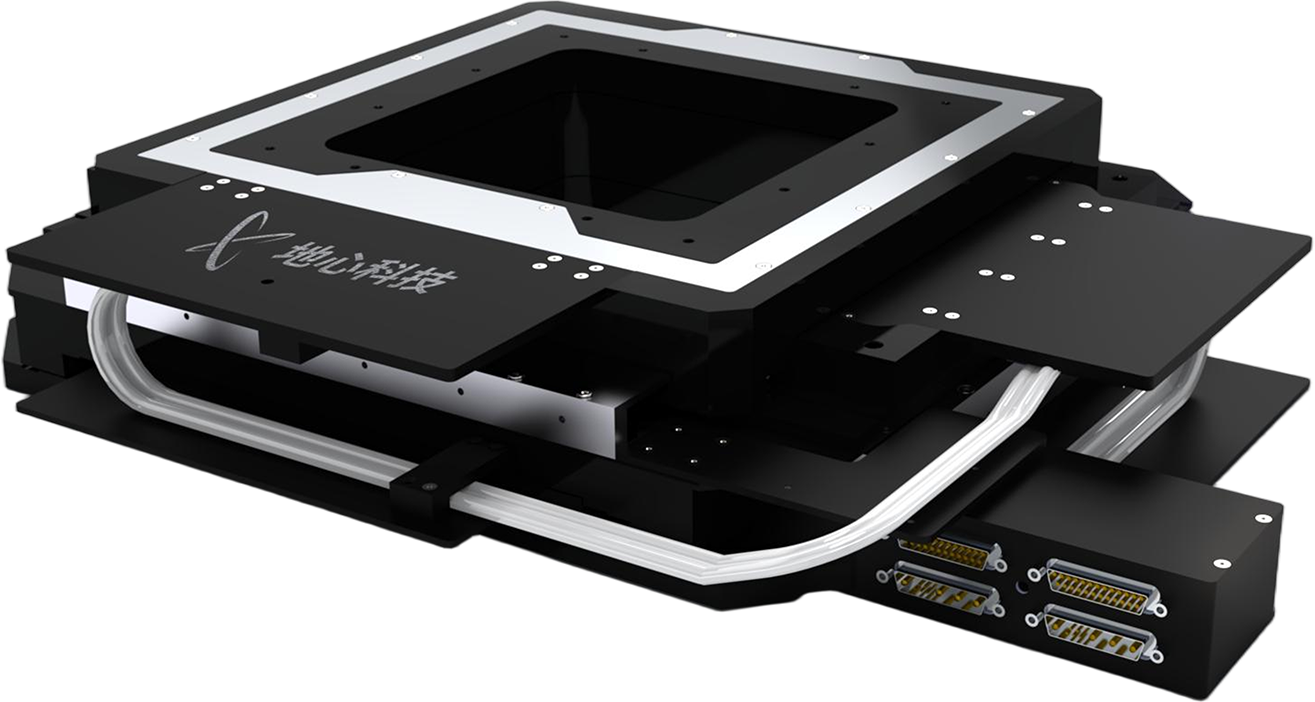
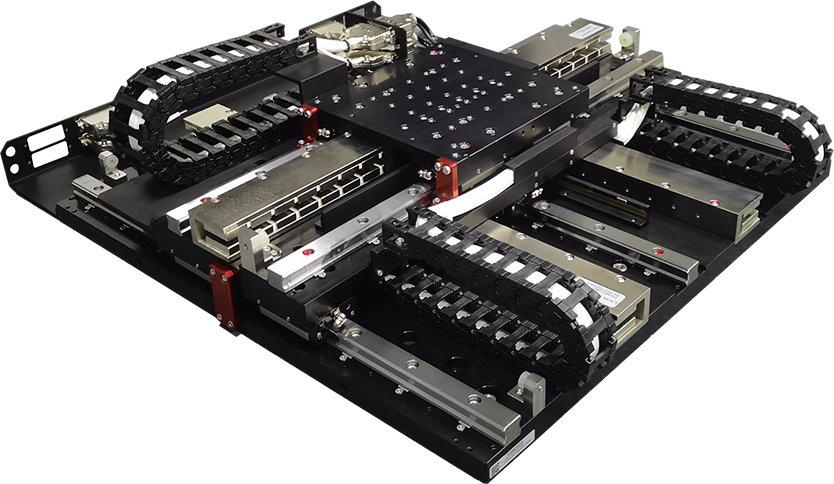
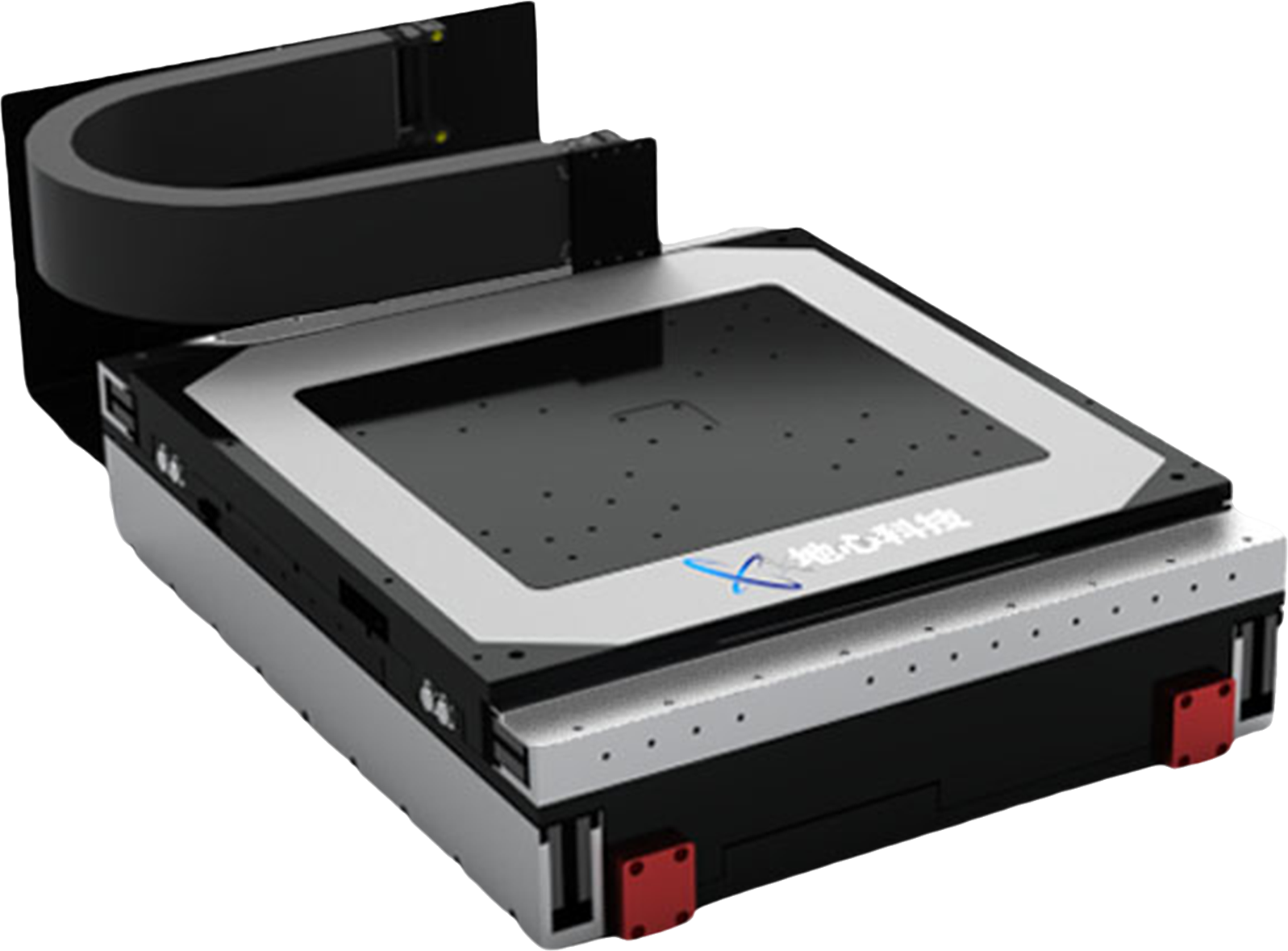
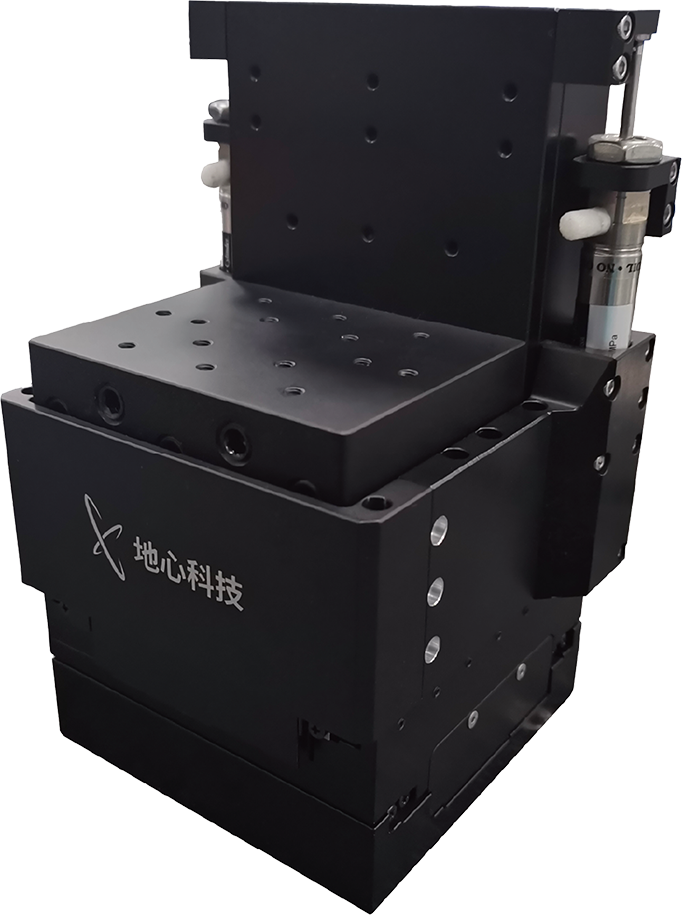
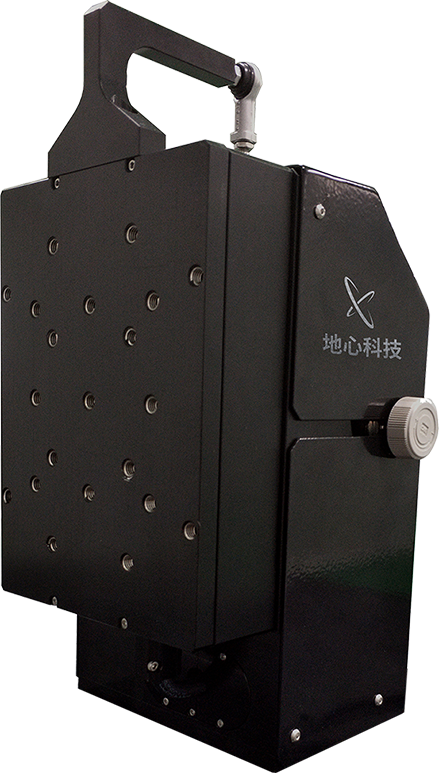
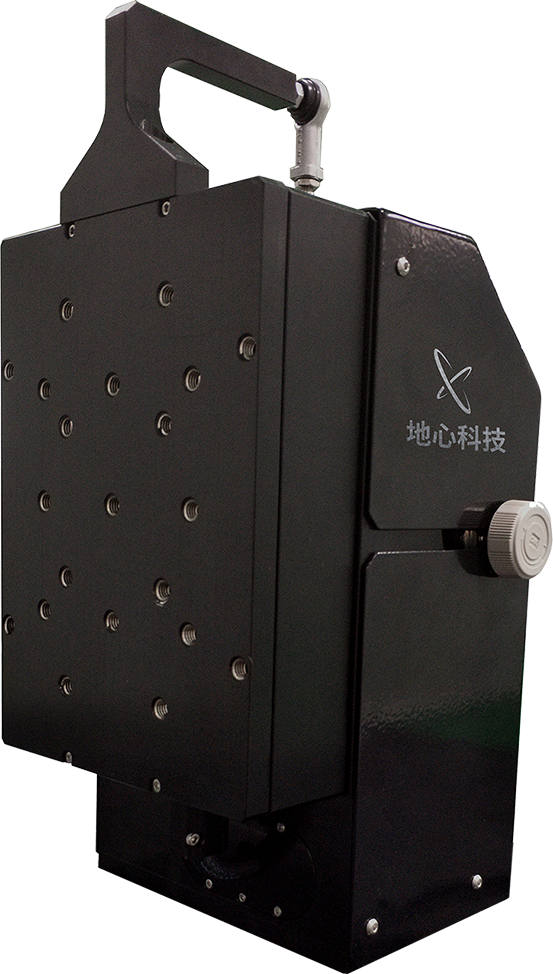
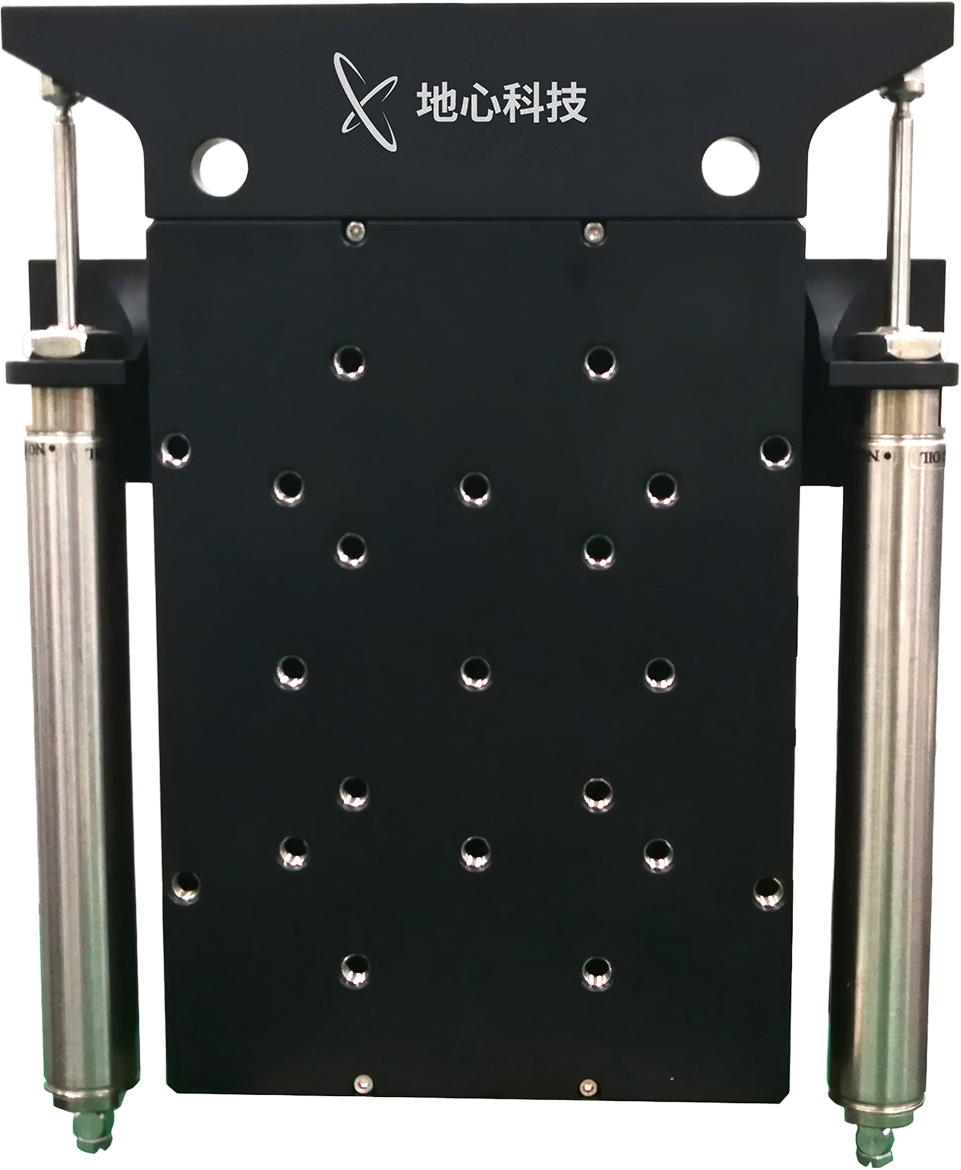
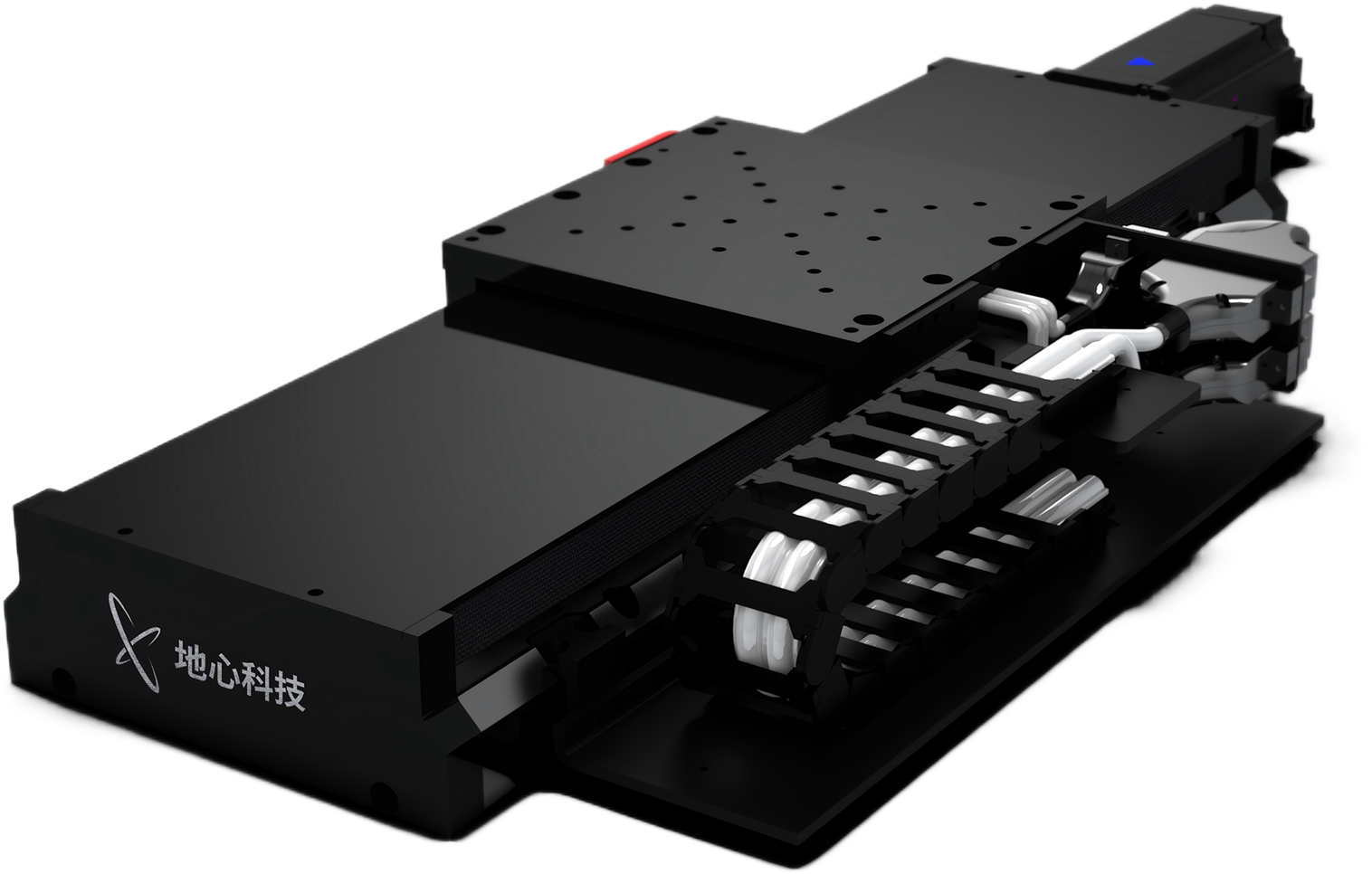
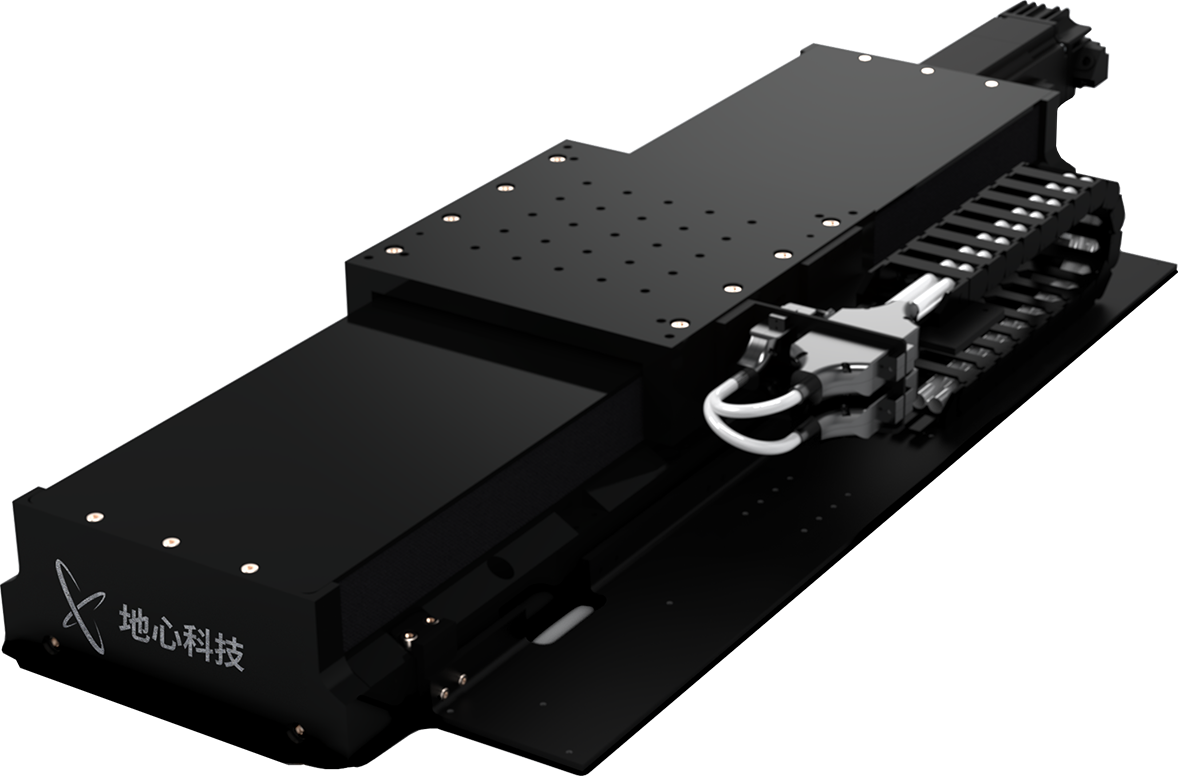
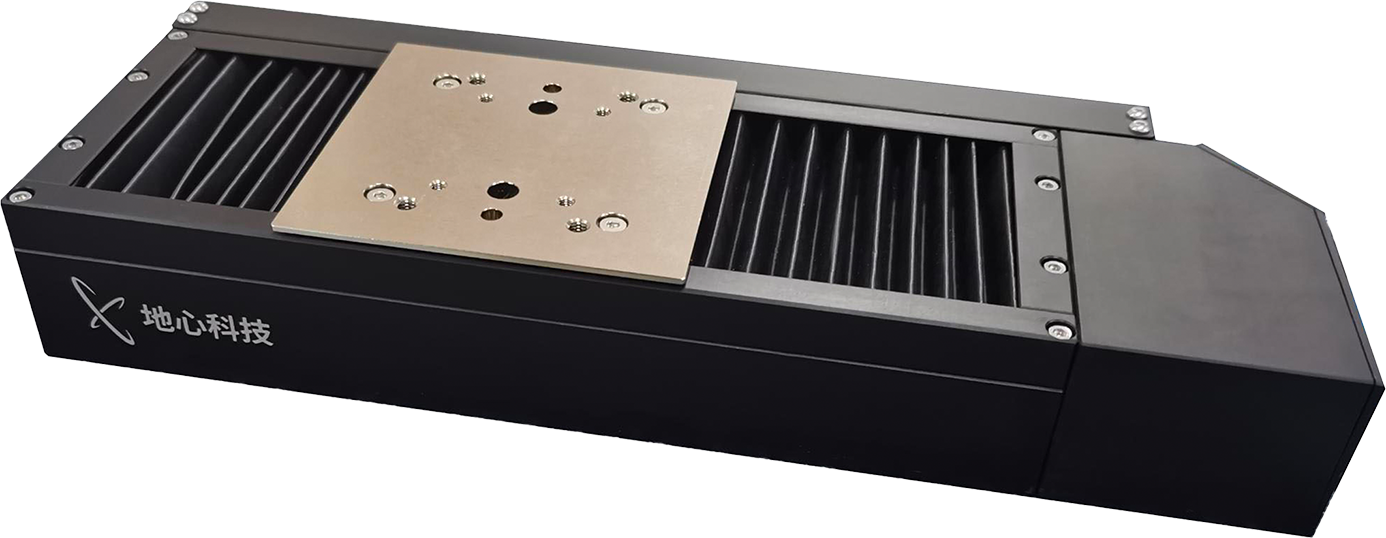
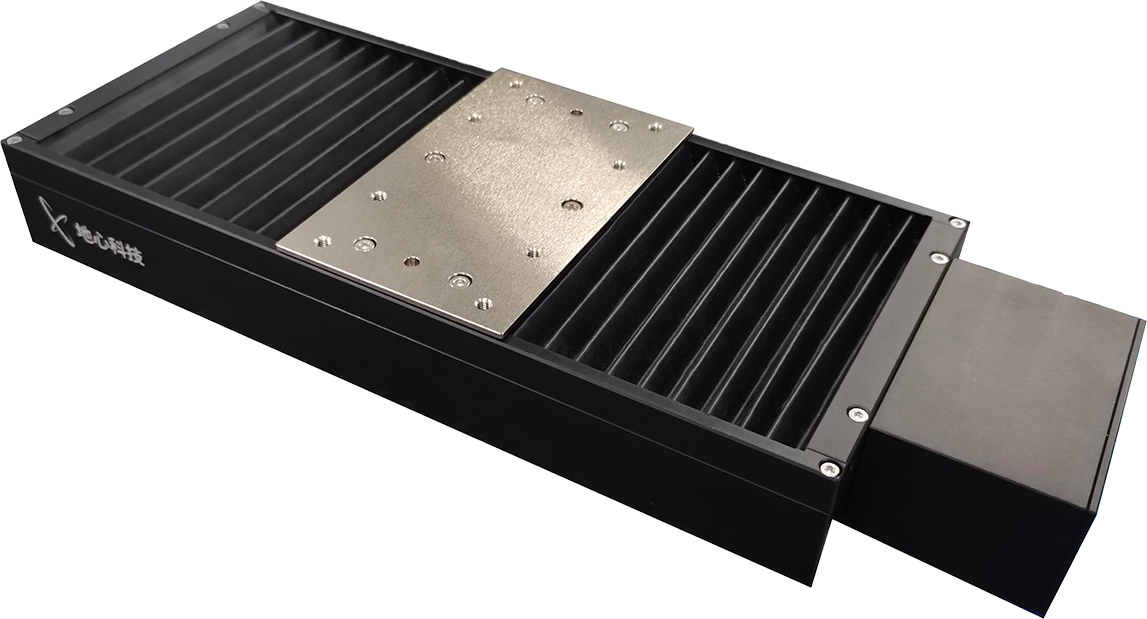
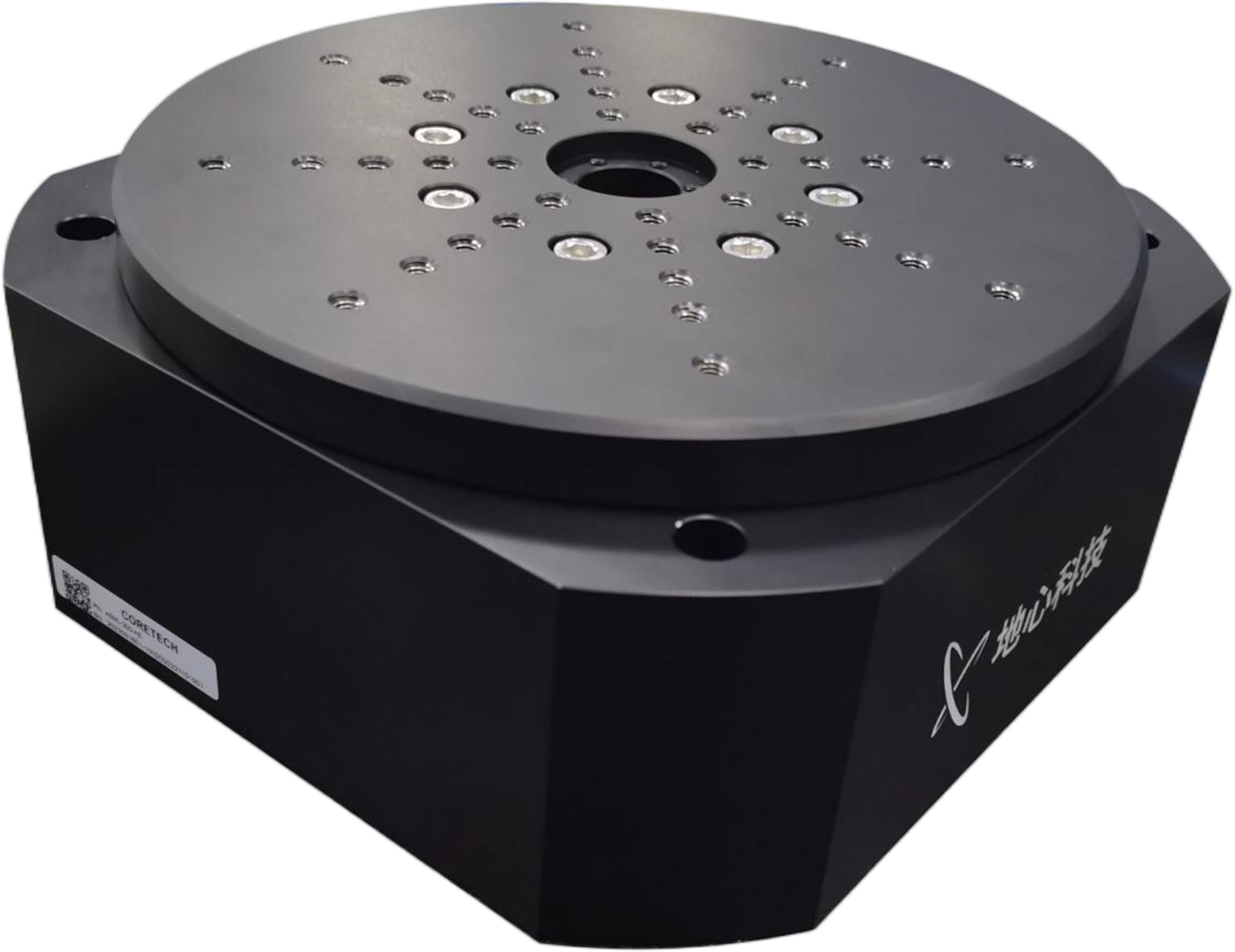
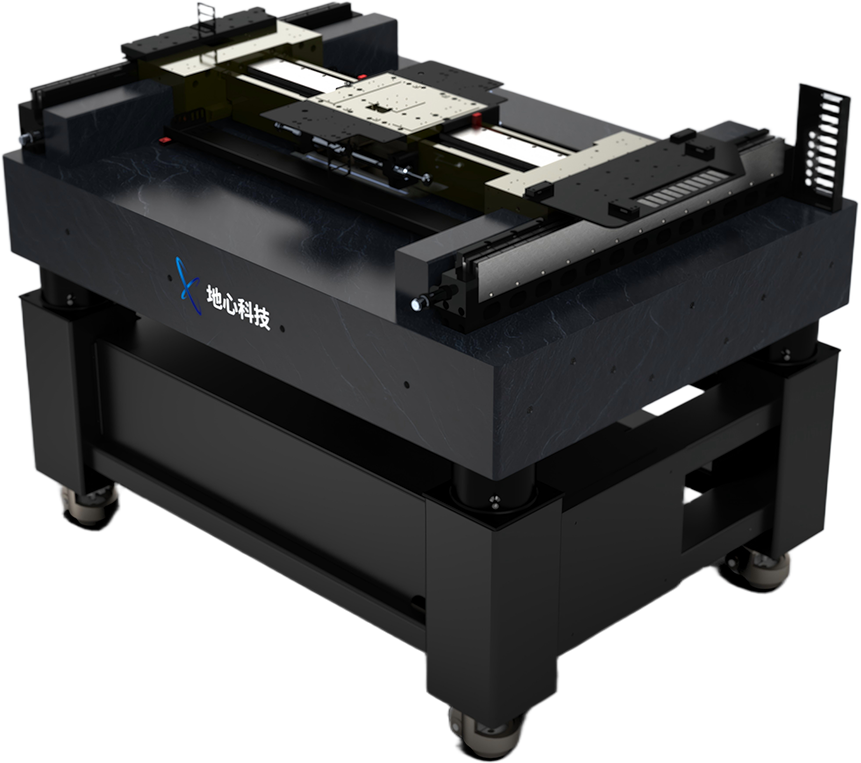
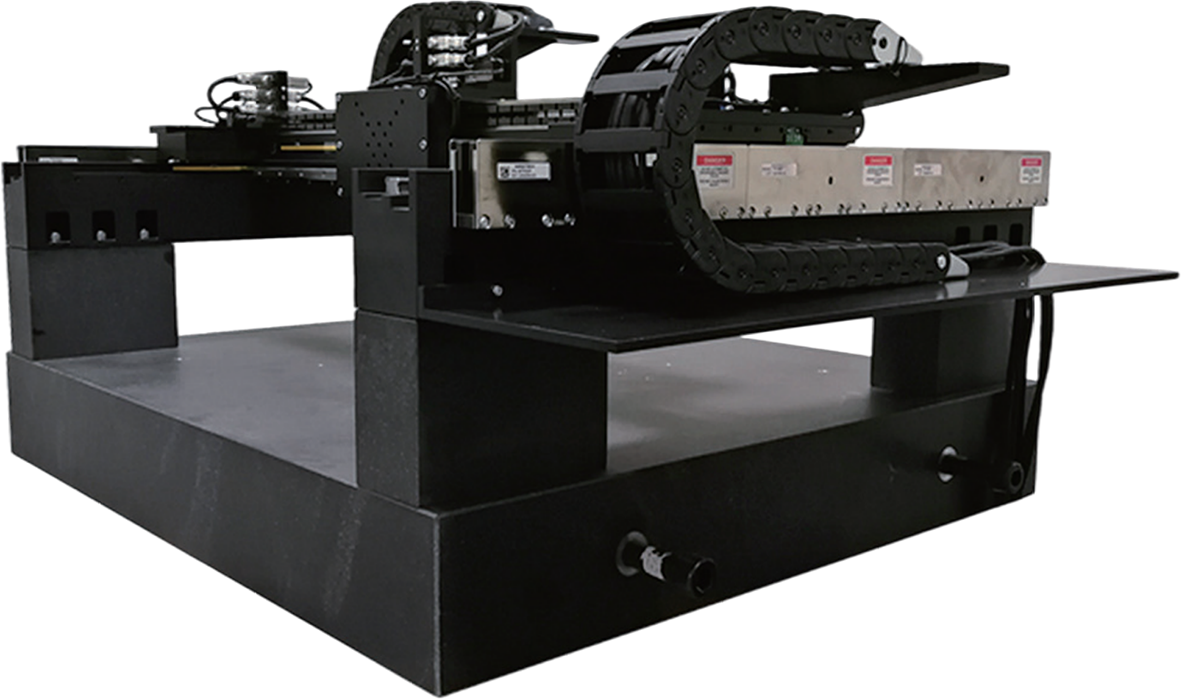
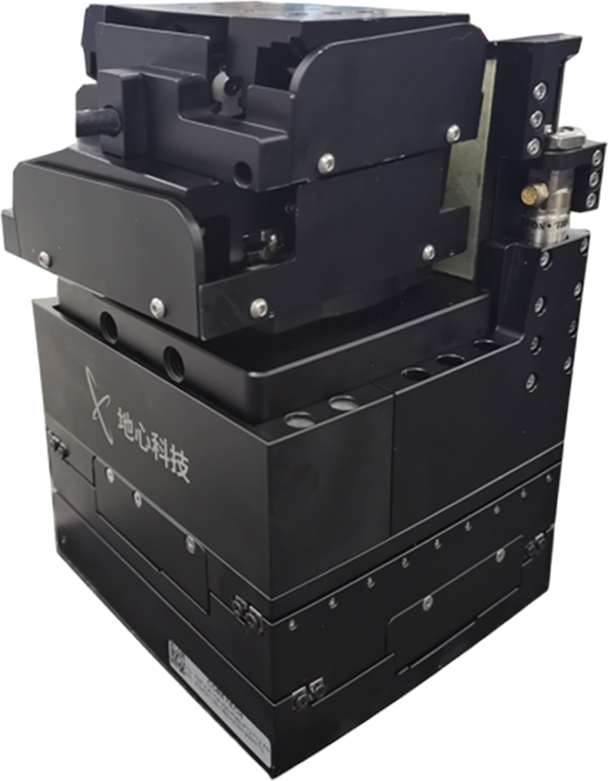
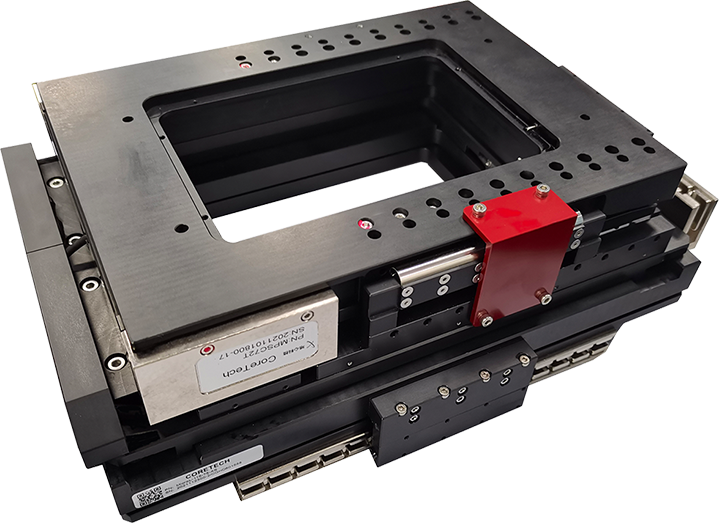
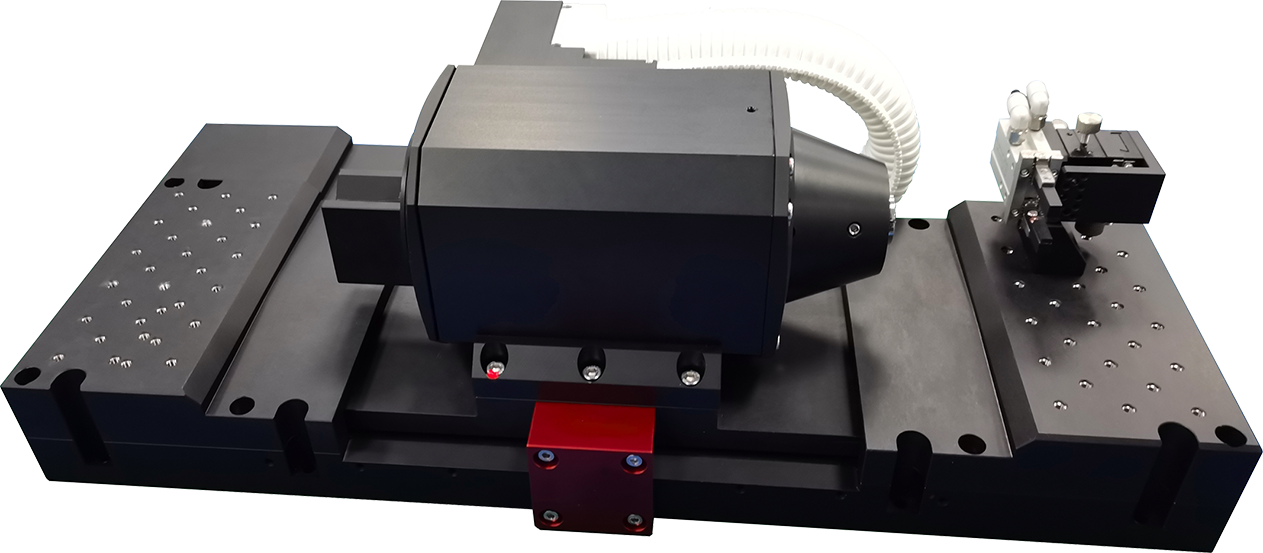
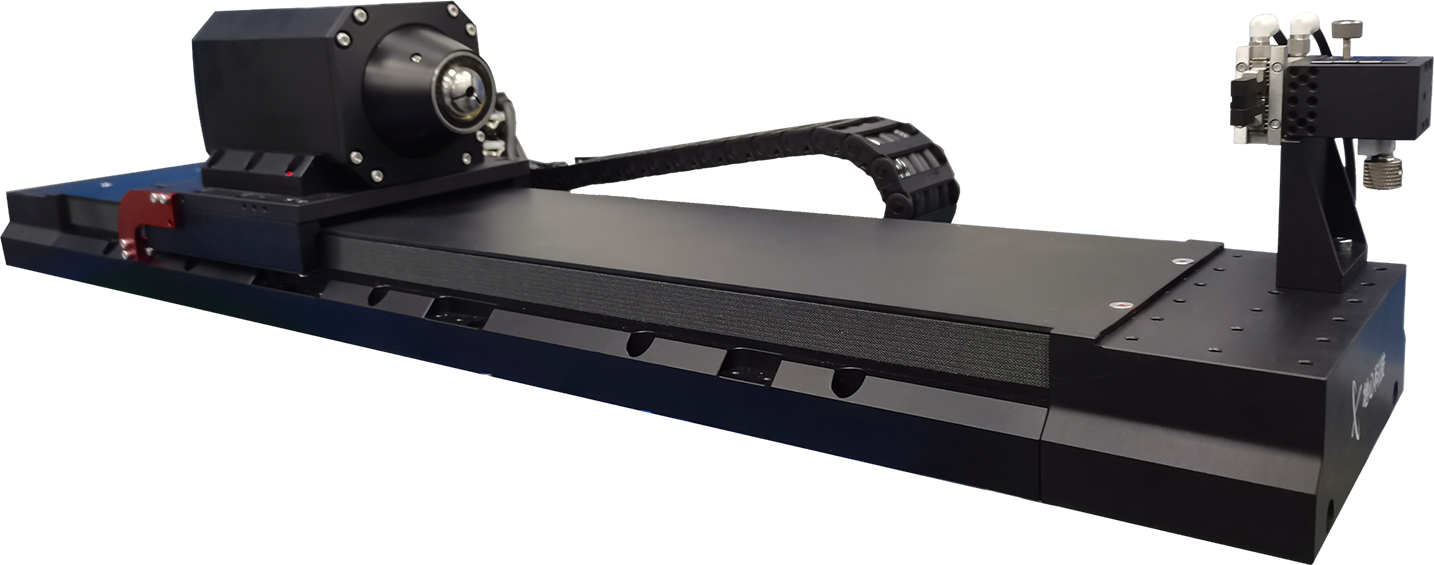
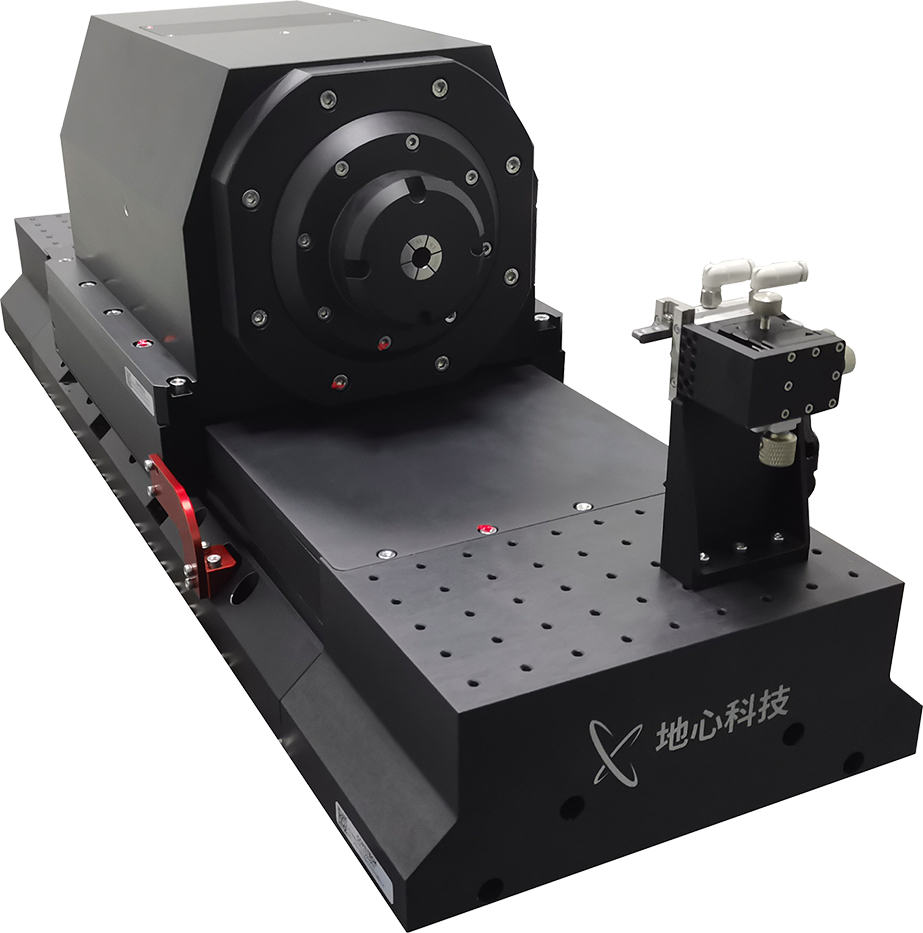
A leading domestic company in the micro‑/nano‑fabrication sector faced challenges with insufficient accuracy and dynamic performance in its existing motion stages, resulting in stagnant yield improvements and an inability to meet growing market demand. They urgently needed more advanced and precise motion stages as replacements. After an in‑depth analysis of the customer's pain points and process requirements, Geocentric's engineering team responded promptly and custom‑designed an integrated solution based on the ART130XY linear motor mechanical stage and the SMH‑V series direct‑drive Z‑lift stage.
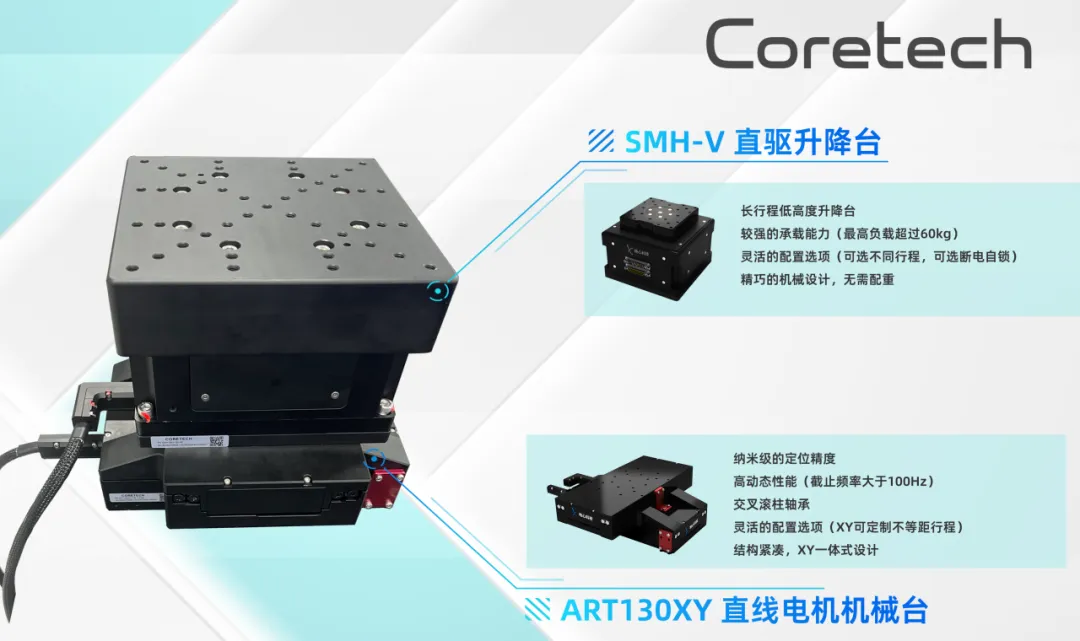
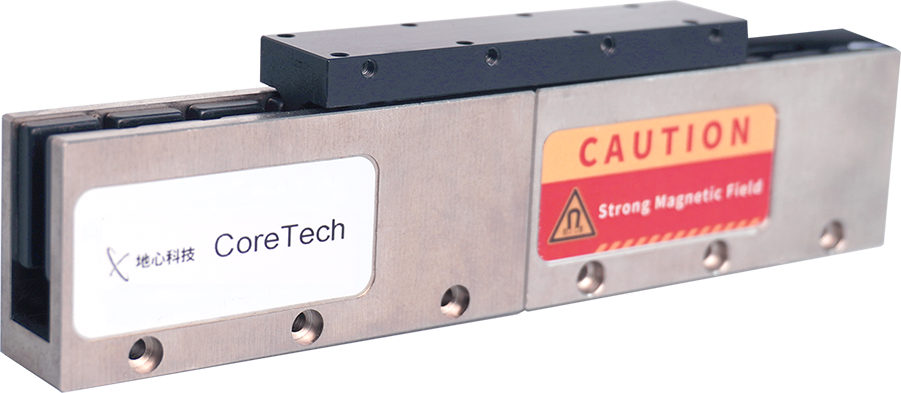
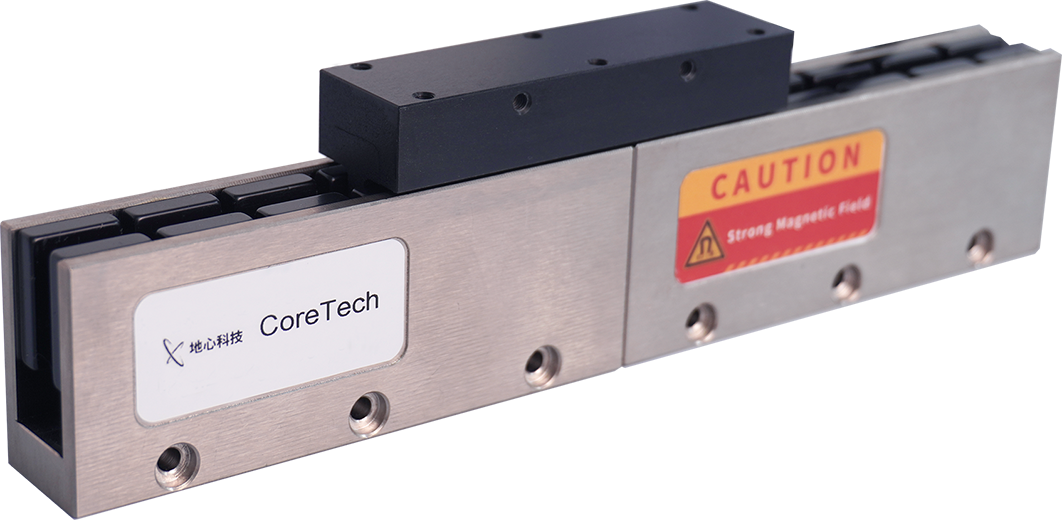
The ART130XY linear motor stage employs Geocentric's self‑developed ironless linear motors for direct drive, paired with high‑resolution grating feedback, achieving a unification of high speed and high precision. This series features a compact structure and high rigidity, making it ideally suited as the XY motion platform for LDW systems, ensuring accuracy and efficiency over large writing areas.
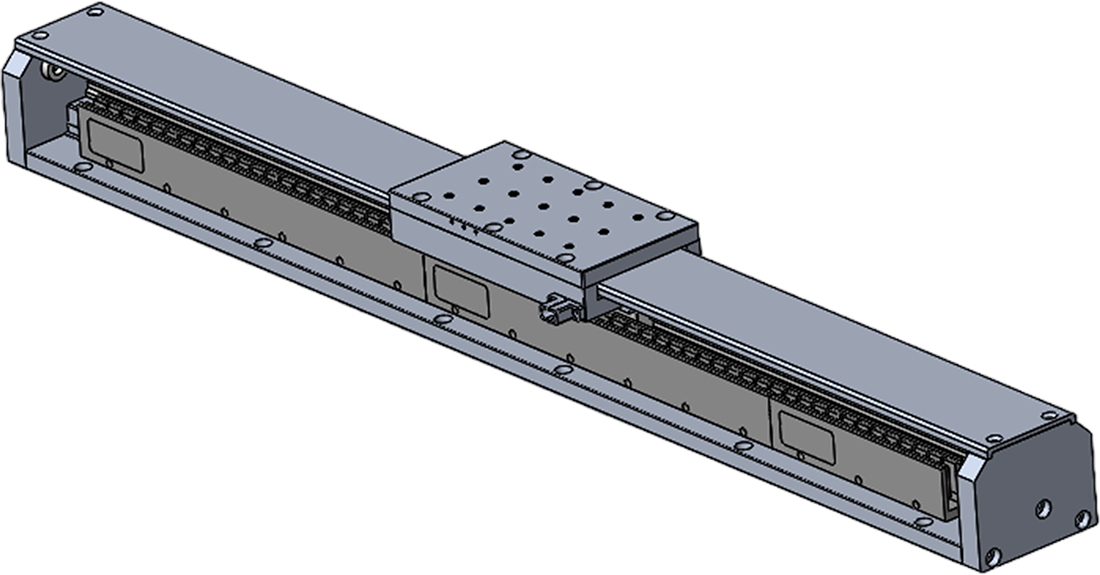
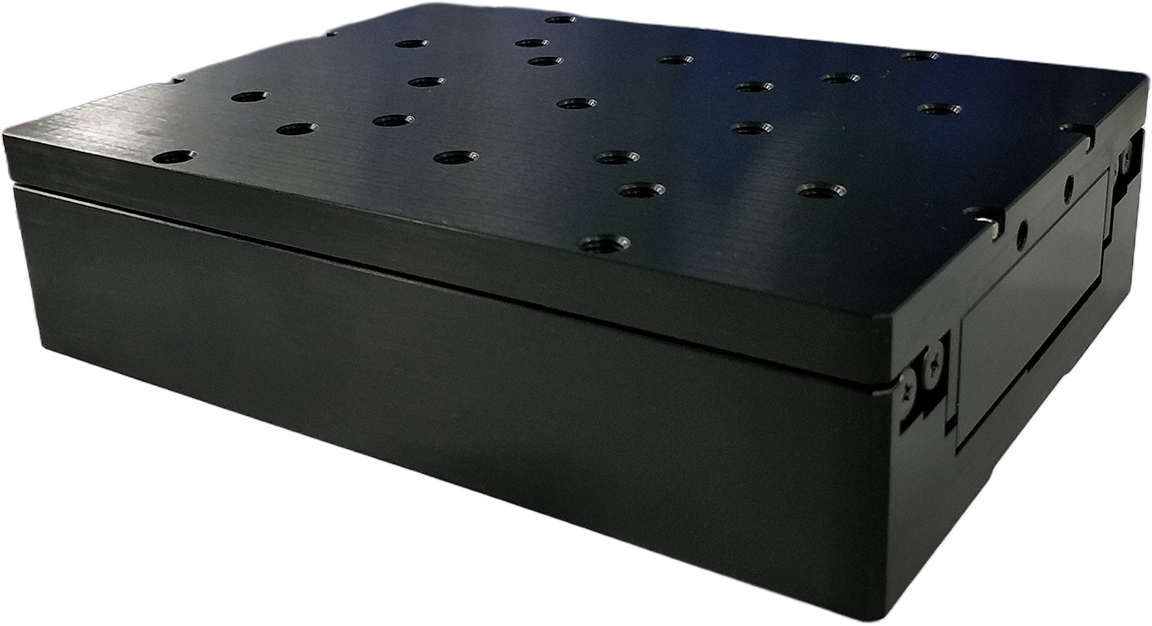
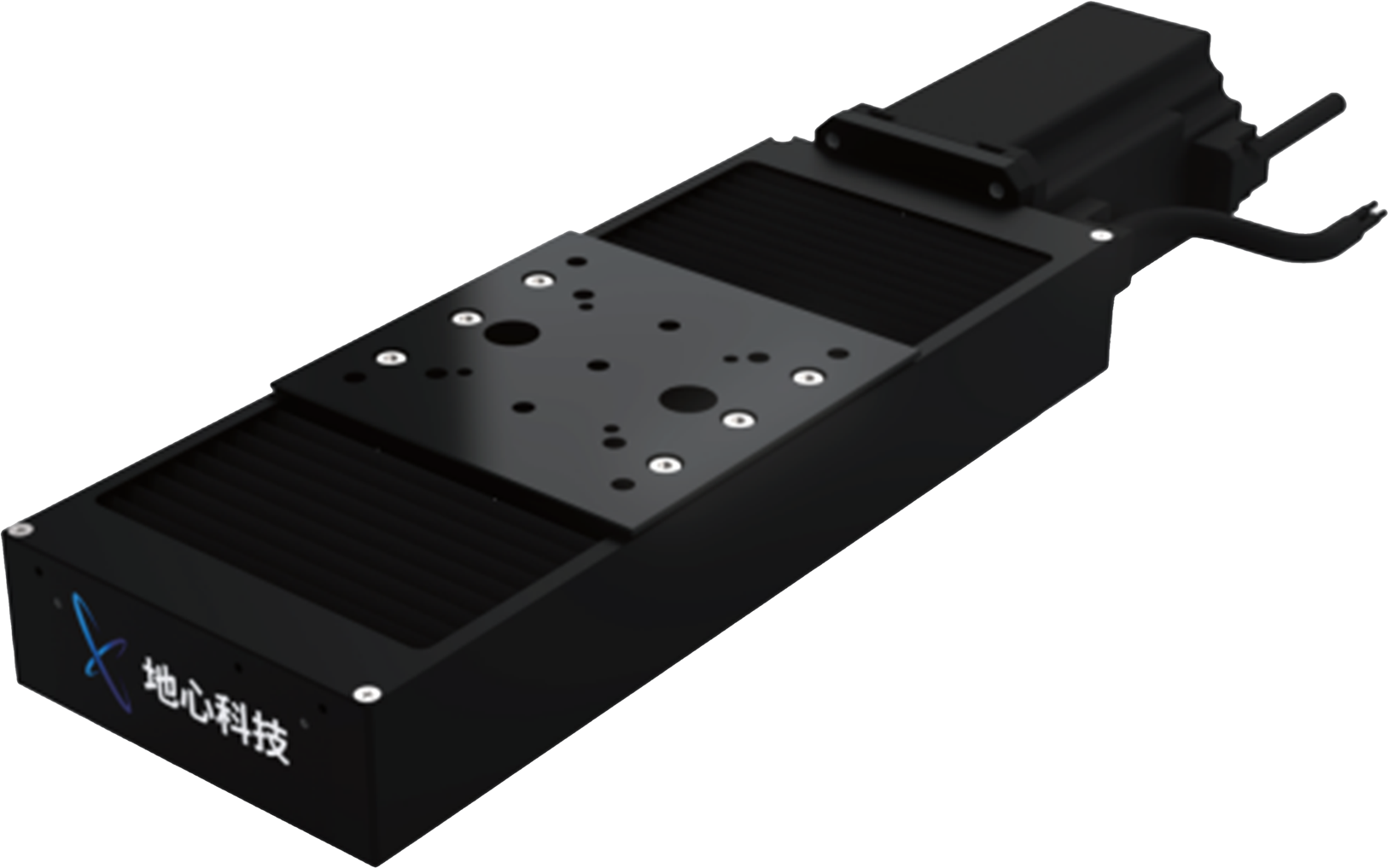
The SMH‑V series lift stage is designed with high load capacity and high rigidity, used to control the focal plane position or workpiece height. Its accuracy directly affects laser focus quality and processing depth consistency.
After integration, the stage achieves:
XY‑axis positioning accuracy: ±0.3 μm; repeatability: ±0.1 μm; straightness and flatness: ±2 μm; in‑position stability: ±15 nm;
Z‑axis positioning accuracy: ±0.6 μm; repeatability: ±0.25 μm; straightness and flatness: ±2 μm; in‑position stability: ±30 nm.
Practical application results demonstrate that the system maintains sub‑micrometre pattern accuracy while significantly improving production efficiency and yield, helping the customer meet the stringent requirements of high‑end manufacturing.
As a future‑oriented advanced manufacturing technology, laser direct writing is driving innovation and development in electronics, advanced materials, biomedicine, and other fields. As the indispensable "invisible pillar" of LDW equipment, the performance of precision motion stages is directly tied to whether this technology can fully realise its potential.
To this end, Geocentric Technology will continue to uphold its innovative philosophy, continuously launching more precise and intelligent motion control solutions to provide core support for advanced manufacturing sectors such as laser direct writing, and help propel China's precision manufacturing industry to new heights.
Featured News
[Exhibition News] Riding the Wave of Precision Motion Control Once Again – Ground Motion Technology Makes a Stunning Appearance at Laser World of Photonics China!
2026.03.23
Laser Processing Automation Solutions – 3D Spatial Drilling
2026.06.03
Breaking the Boundaries of Chip Yield Improvement: Geocentric Technology's Wafer Spiral Inspection Solution Accelerates Quality and Efficiency in the Industry
2026.06.03
 Back to List